4 Stages of Brain-Boosting Play: Must-Have Essentials for Your Baby's Development

Every parent wants to give their child the best possible start in life. But what does that actually mean when it comes to toys and play? The most impactful "educational" toys are not about letters and numbers; they are about providing the right kind of stimulation at the right stage of brain development.

As experts in developmental play, we've broken down a child's first years into four key stages. Here is your playbook for choosing the perfect, brain-boosting essentials for each phase.

Stage 1: The Sensory Explorer (0-6 Months)

At this stage, a baby's brain is a sensory processing machine. They are learning about the world entirely through touch, sight, sound, and taste. Your goal is to provide safe, simple, and stimulating sensory input.

  • Developmental Focus: Building neural connections through sensory experiences, developing focus and tracking with their eyes, and exploring objects with their mouth and hands.

  • Must-Have Essentials:

    • High-Contrast Books & Mobiles: A newborn's vision is still developing, so they are most engaged by simple, high-contrast black-and-white patterns.

    • A High-Quality Play Gym: This is your baby's first "office." Look for one with arches that allow you to hang a variety of interesting toys for them to look at and eventually bat at.

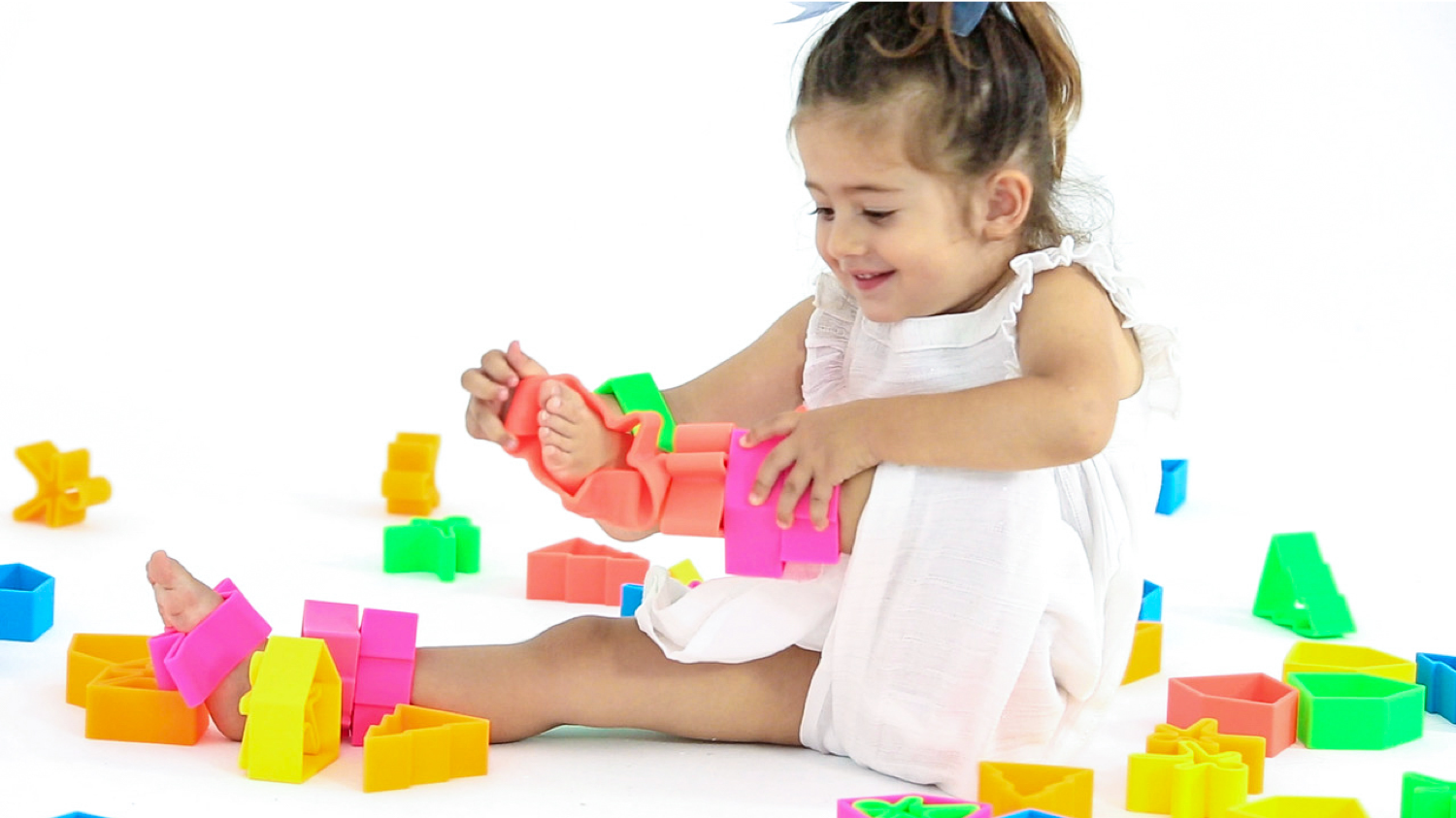
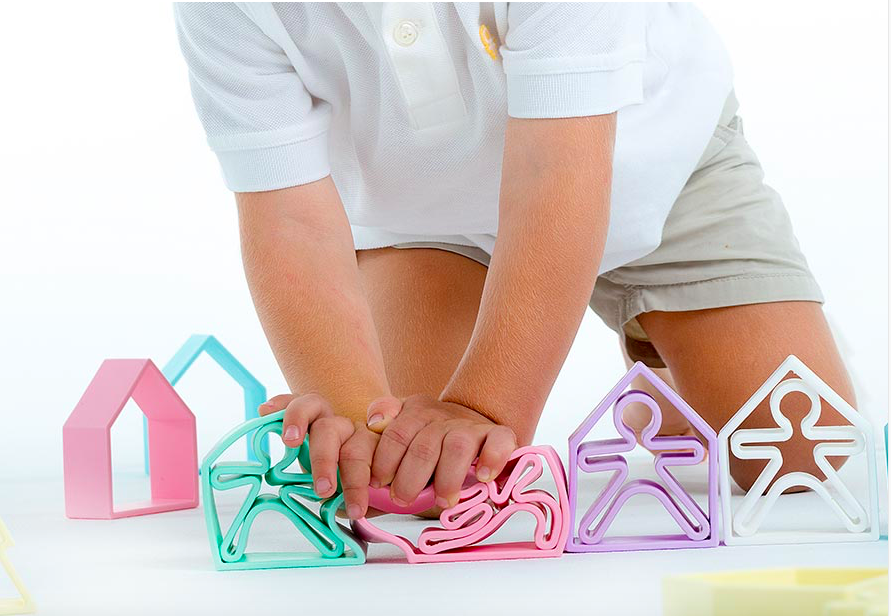
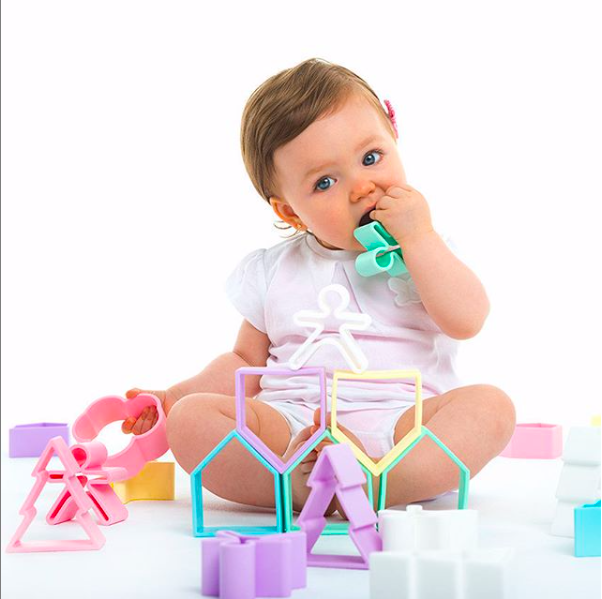
    • The Perfect First Toy: A baby's first toy must be 100% safe for mouthing. We recommend the award-winning, Swiss-designed toys from MOLUK. Made from food-grade silicone, their unique, tactile shapes (like the Nigi, Nagi, & Nogi) are perfect for tiny hands to grasp and explore, providing a rich sensory experience.

Stage 2: The Cause-and-Effect Scientist (6-12 Months)

Your baby is now starting to understand that they can make things happen! They drop a spoon and you pick it up (a fun game!). They shake a rattle and it makes a sound. This is the dawn of intentional action and problem-solving.

  • Developmental Focus: Understanding cause and effect, developing fine motor skills (like the pincer grasp), and object permanence (knowing something exists even when they can't see it).

  • Must-Have Essentials:

    • Stacking Rings & Nesting Cups: These classic toys are perfect for learning about size, sequence, and how objects fit together.

    • Puzzles with Large Knobs: A simple wooden puzzle with 3-4 large, easy-to-grasp pieces helps develop problem-solving skills and hand-eye coordination. For a modern, art-led approach, the "My First Puzzle" series from Mudpuppy is an excellent choice.

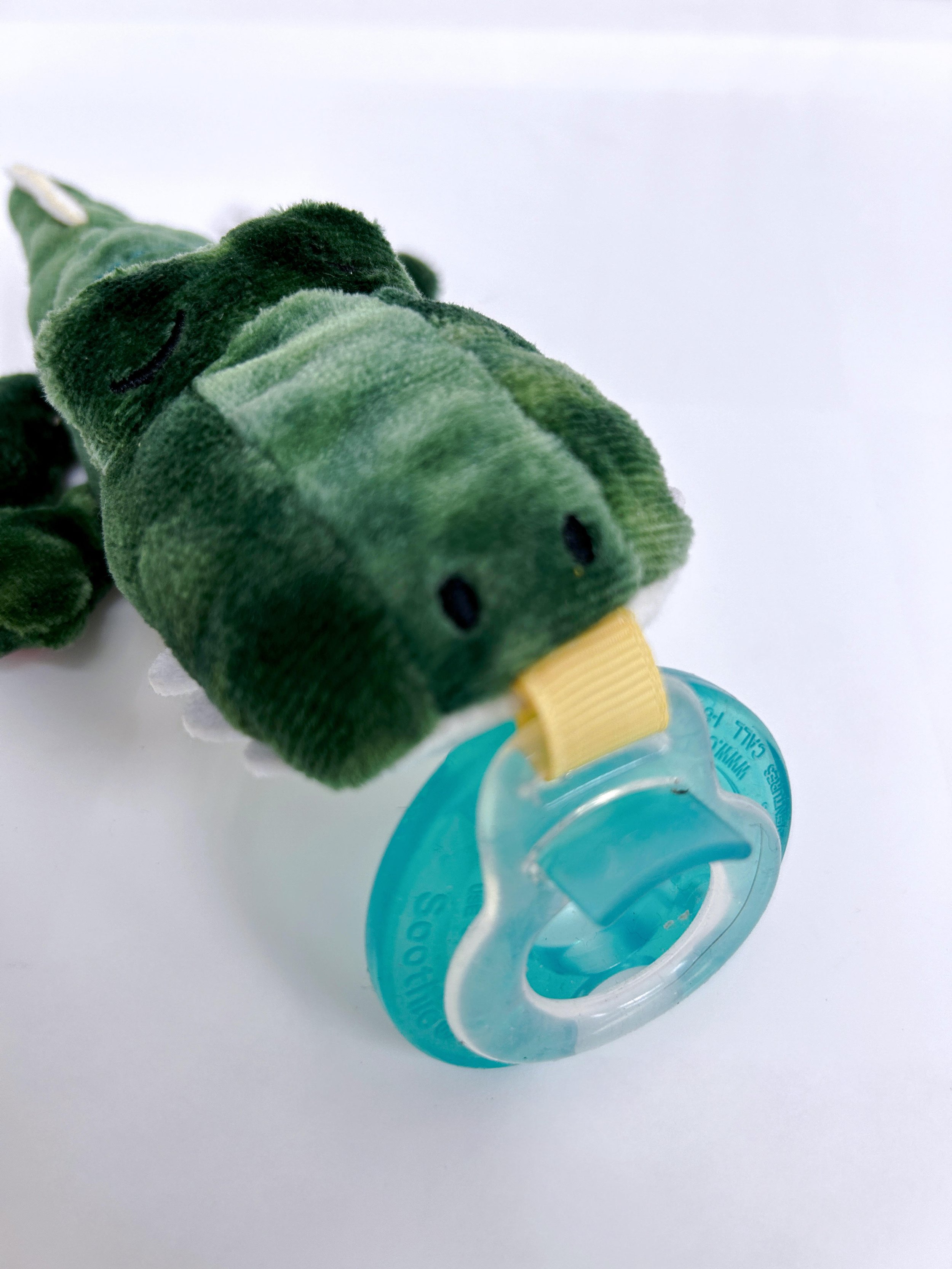
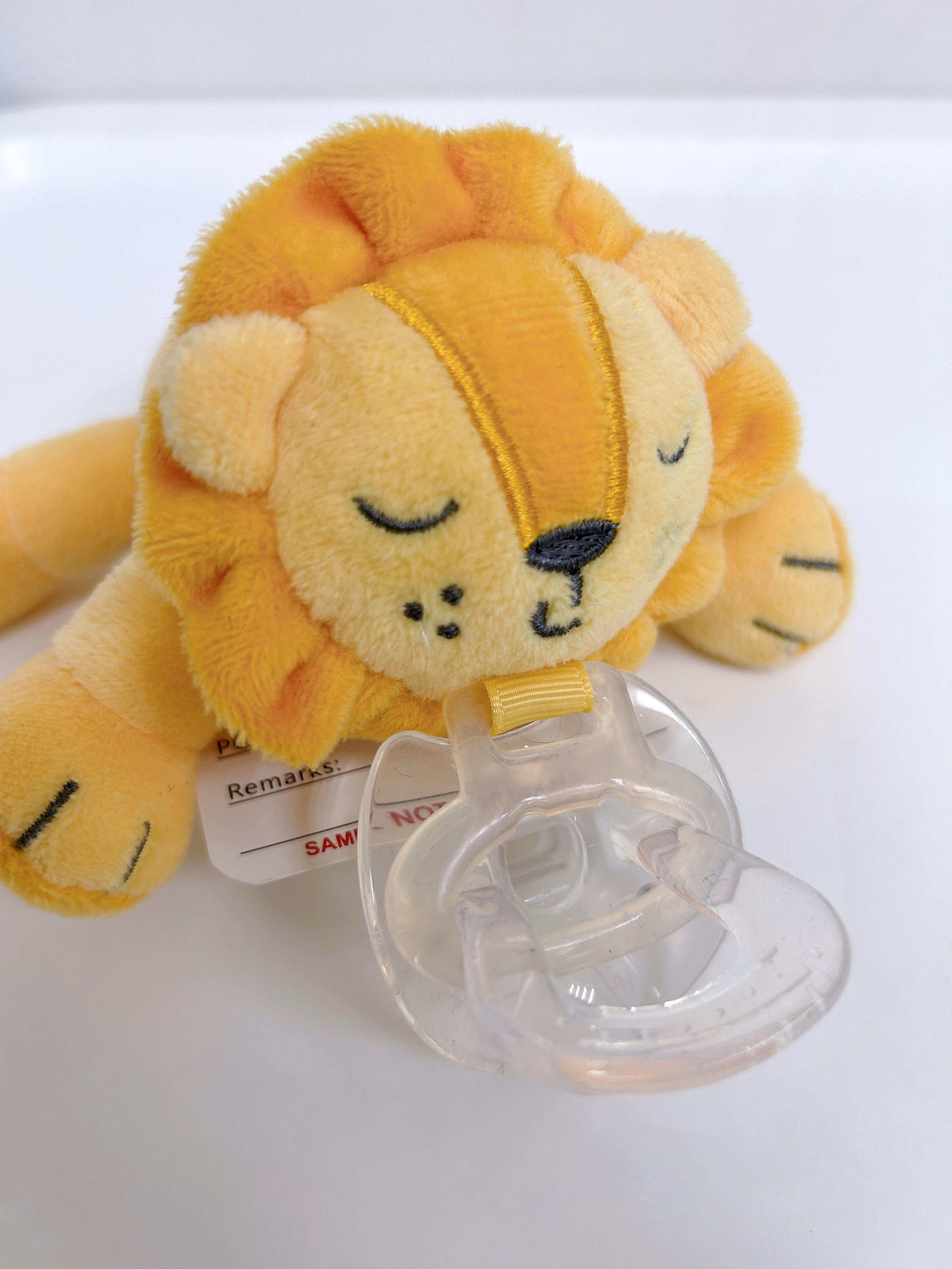
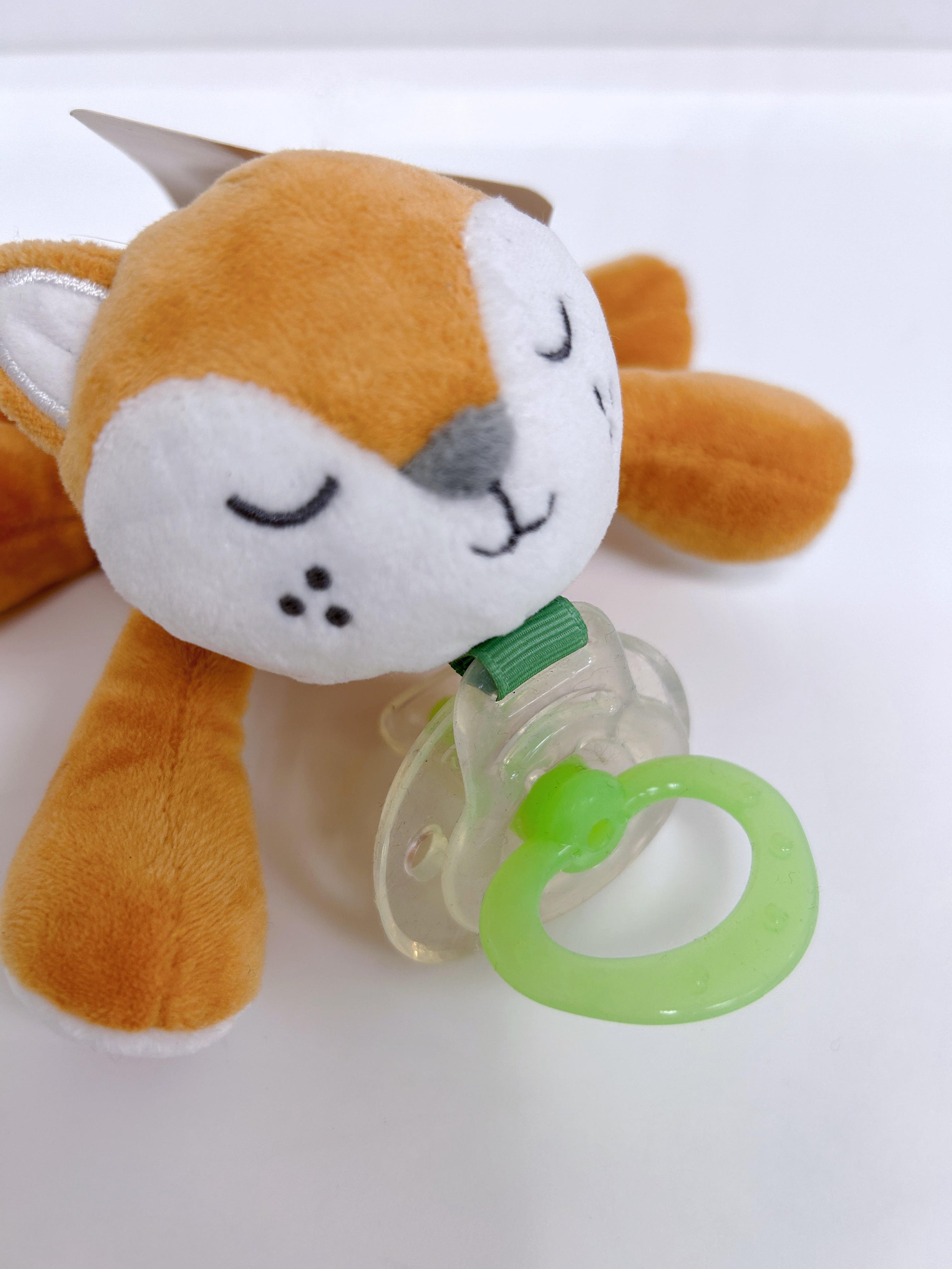
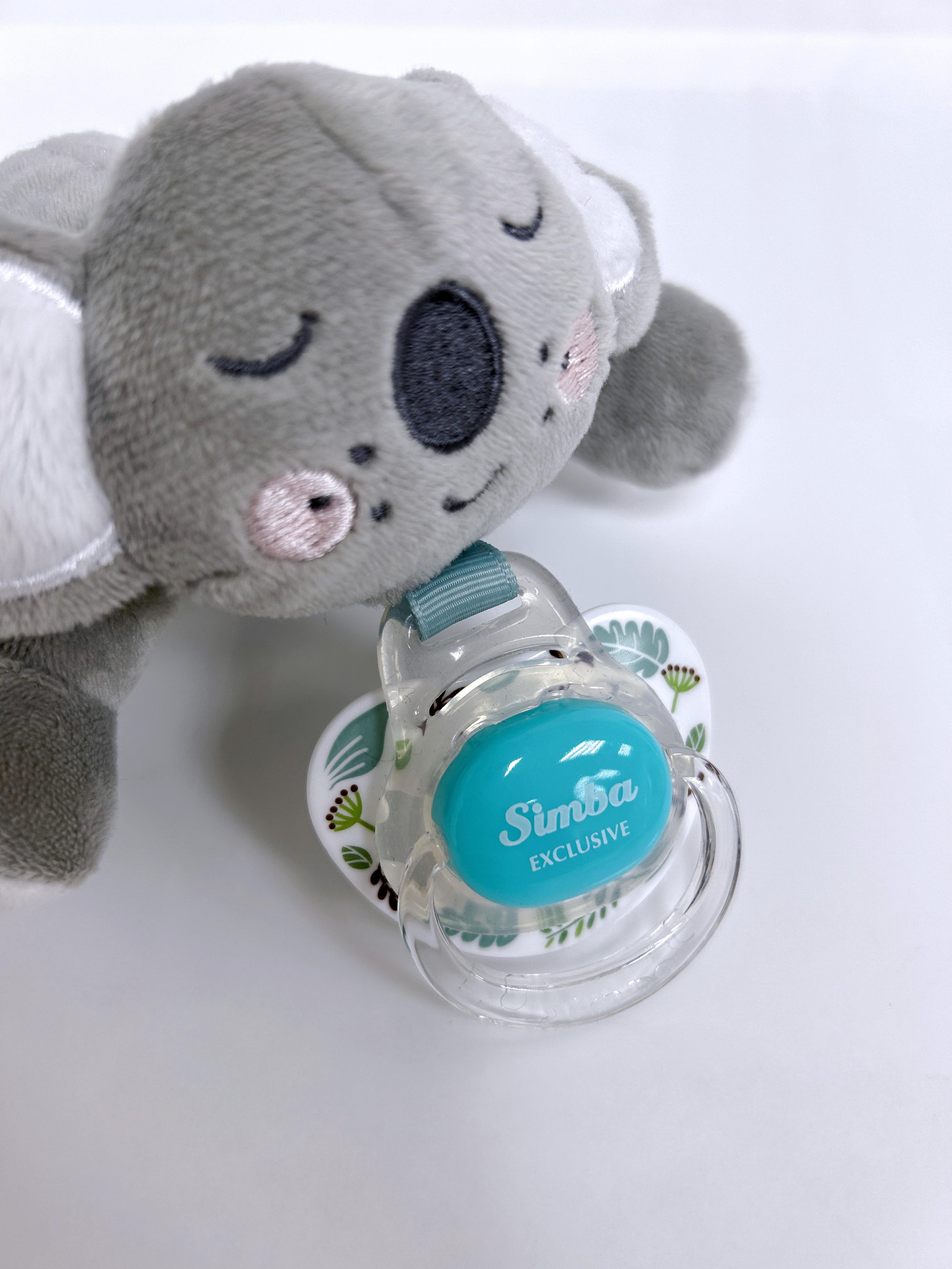
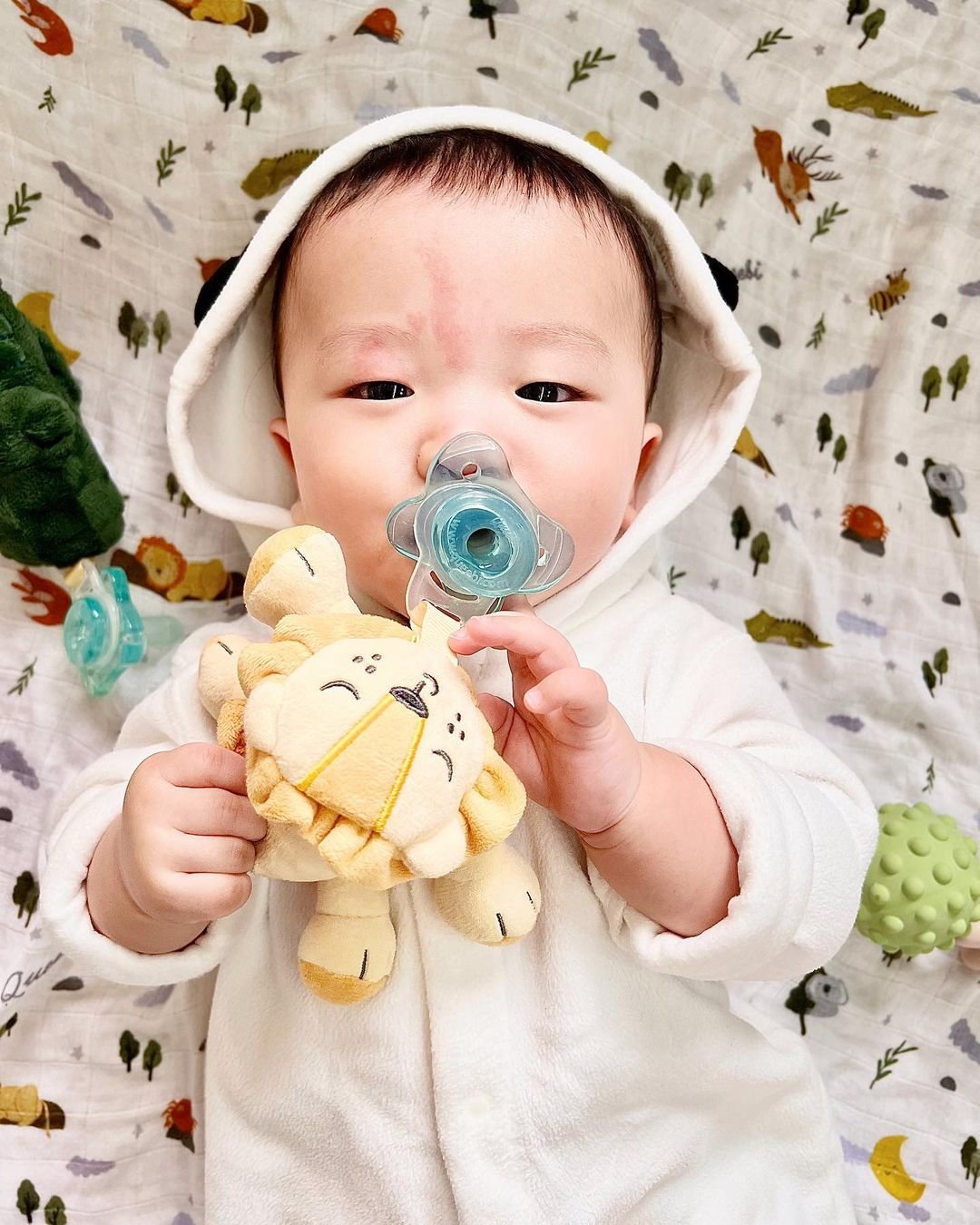
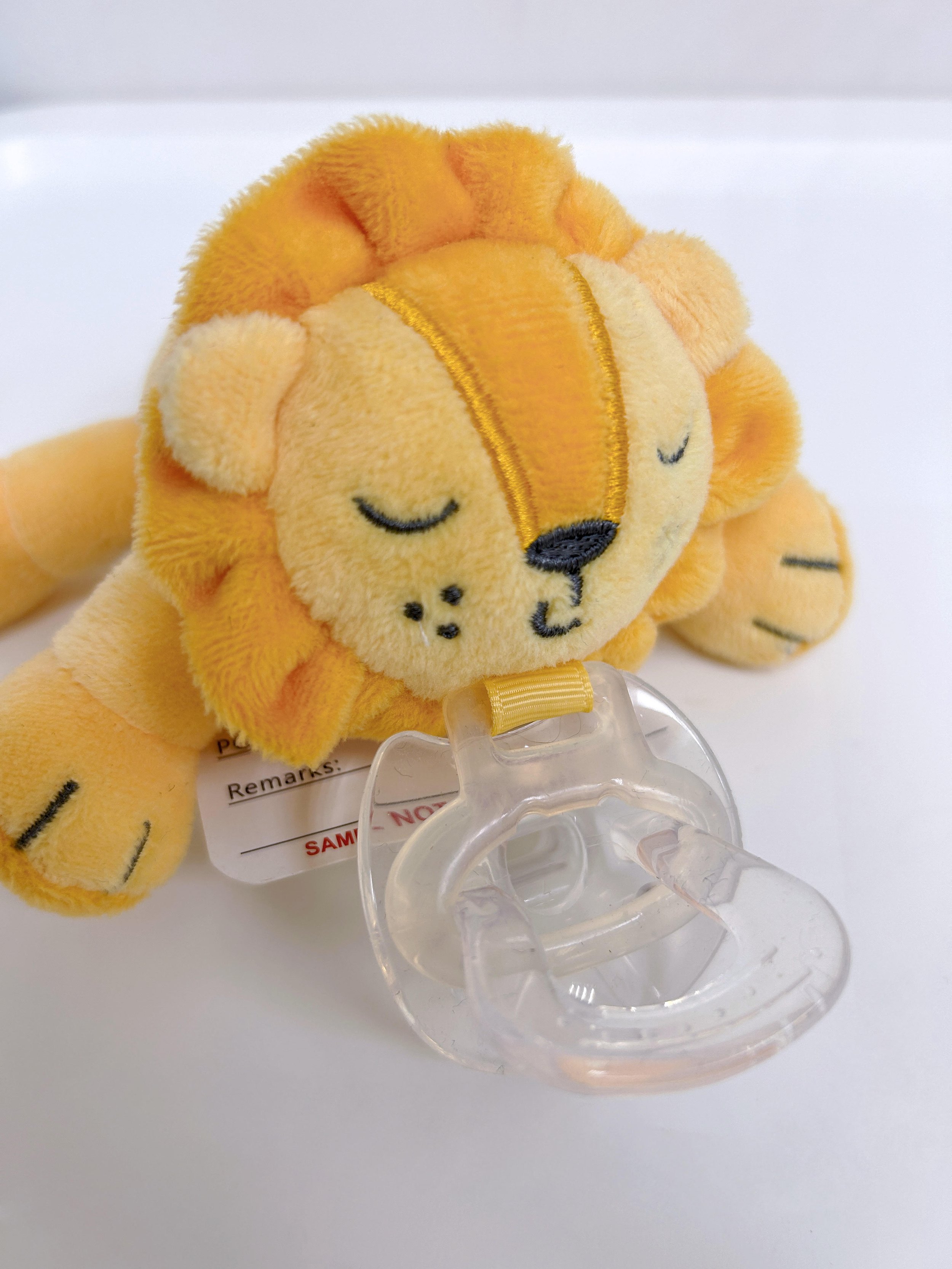
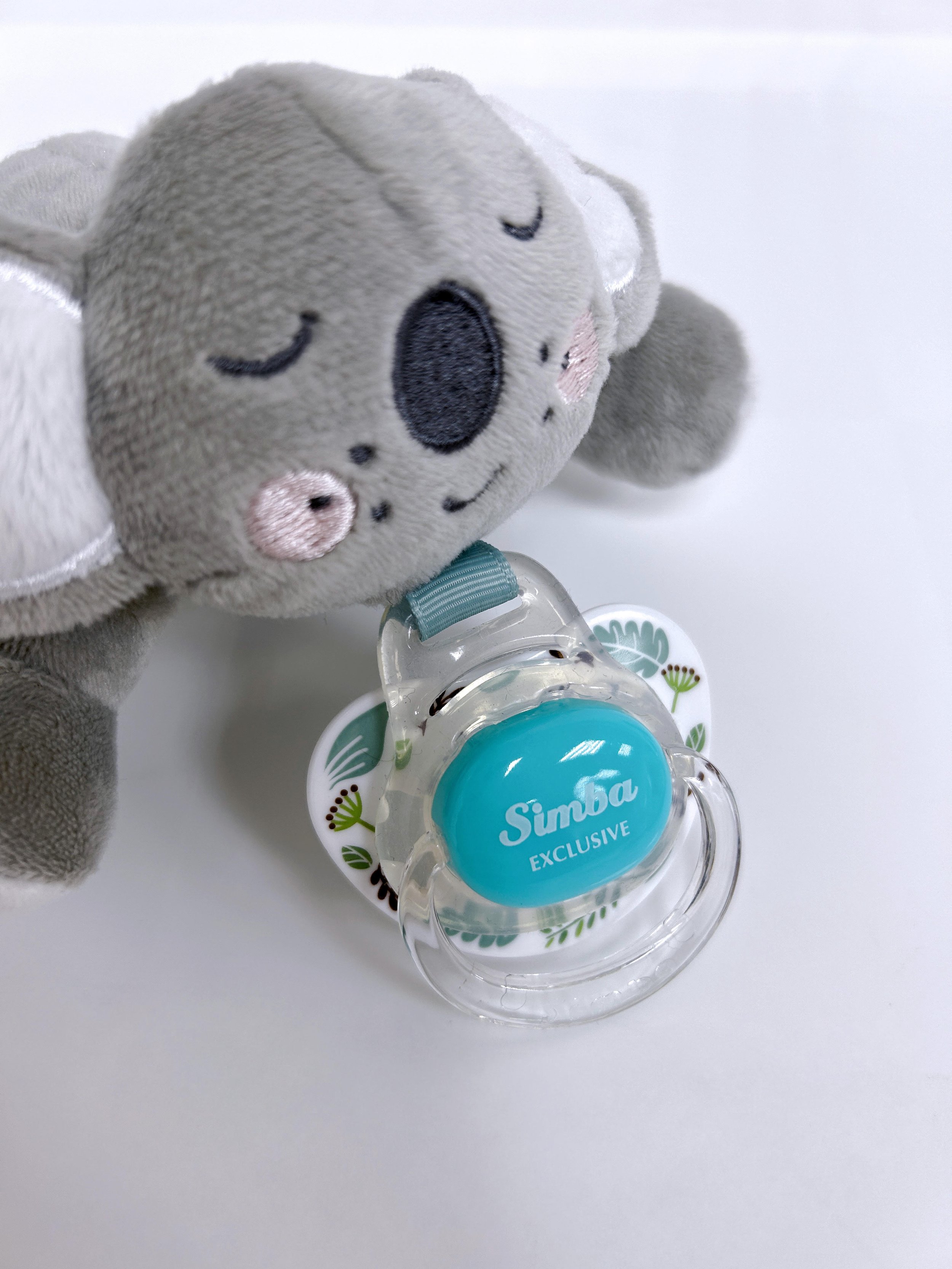
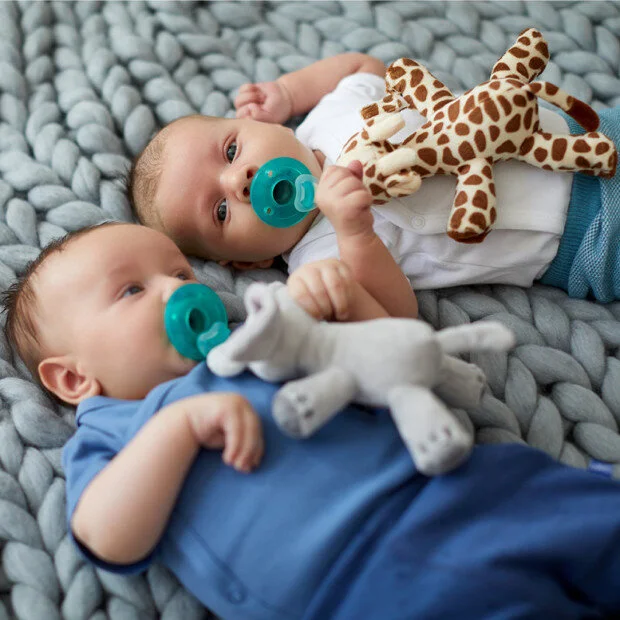
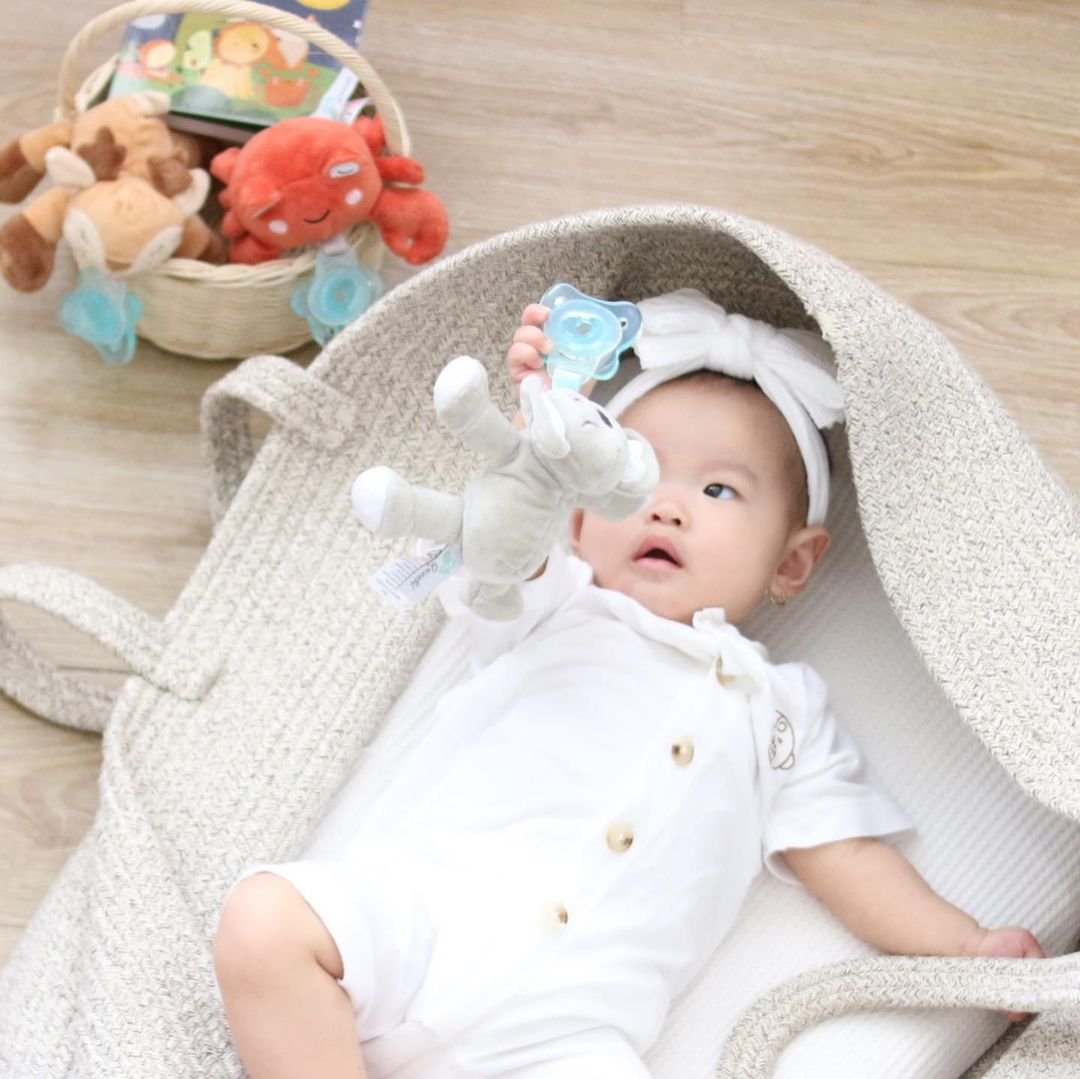
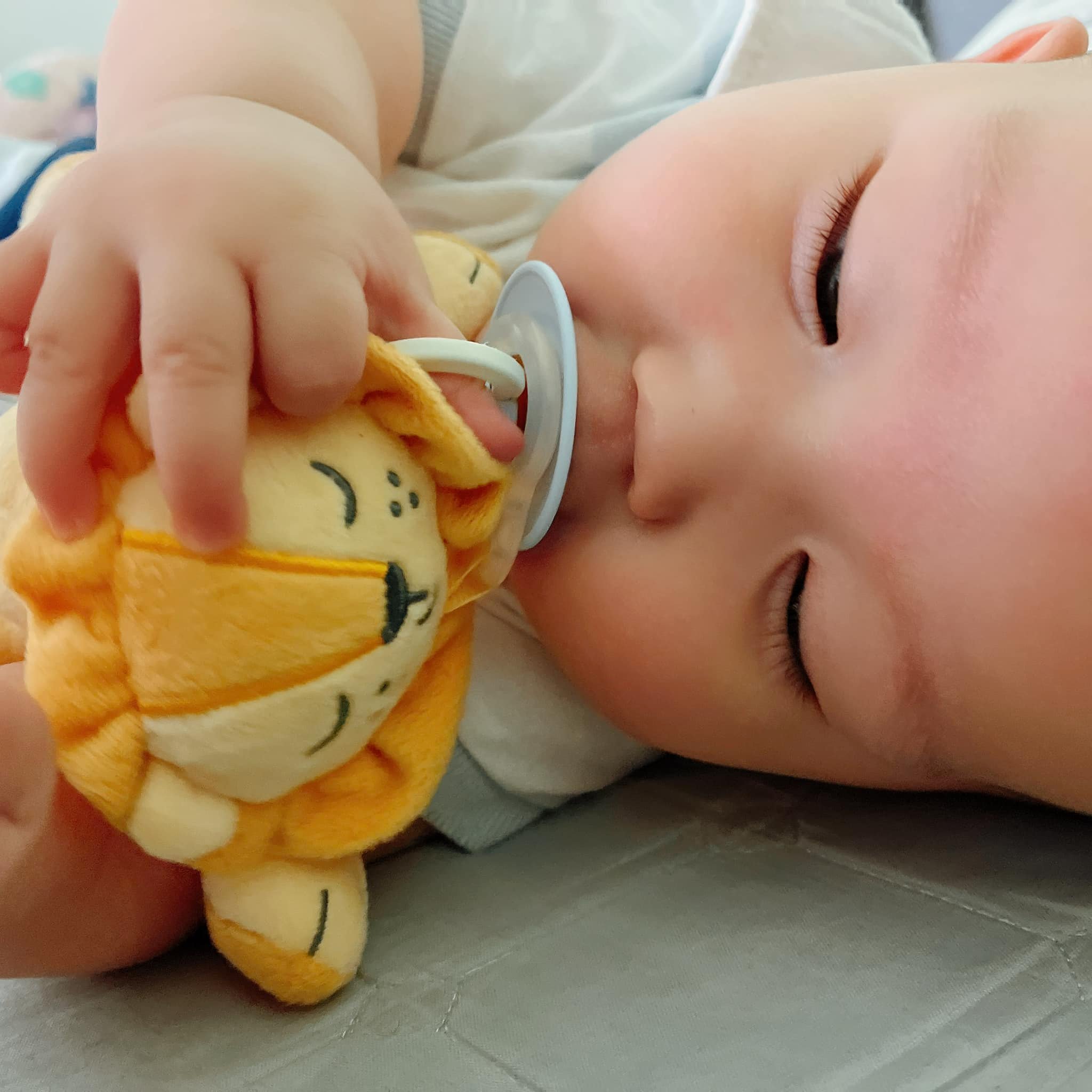
    • A "Smarter" Pacifier Holder: The constant game of "drop the pacifier" can be solved with a clever tool like the Queebi Pacibuddy. It's a developmental toy in its own right, helping a baby learn to find and replace their own soother, a key self-soothing skill.
Stage 3: The Little Builder & Problem-Solver (1-2 Years)

Your toddler is now mobile and ready for more complex challenges. Their play becomes more purposeful. They aren't just knocking things down; they are trying to build things up. Their fine motor skills are exploding, and they are ready for their first real construction toys.

  • Developmental Focus: Developing spatial reasoning, honing fine motor skills, and engaging in early creative construction.

  • Must-Have Essentials:

    • First Building Blocks: This is the age for first-generation building toys. Look for sets with larger pieces that are easy for small hands to connect. The Plus-Plus BIG size is perfect for this stage, allowing toddlers to create vibrant 2D mosaics and simple 3D structures.

    • The First "Tablet": Not an iPad! A magnetic drawing board allows for endless, mess-free creativity, helping them practice the motions they will one day use for writing.

    • Tactile Numbers: Introduce early numeracy concepts with a hands-on tool. The award-winning tiles from Newmero are designed to help children feel and understand numbers, turning an abstract concept into a physical, playful experience.

Stage 4: The Imaginative Engineer (2-3+ Years)

Your child's imagination is now boundless. They are capable of complex pretend play and are ready for tools that allow them to bring their biggest ideas to life. This is the golden age of engineering play.

  • Developmental Focus: Complex problem-solving, collaborative play, storytelling, and translating abstract ideas into physical creations.

  • Must-Have Essentials:

    • Advanced Construction Toys: Introduce more complex building systems. The flexible, magnetic pieces from Clixo merge origami with construction, while the standard-sized Plus-Plus allows for incredibly detailed creations.

    • Real-World Engineering Tools: There is nothing more powerful than turning recycled materials into a life-sized creation. The award-winning toolsets from Makedo provide kid-safe saws and connectors that empower children to transform simple cardboard into forts, cars, and robots they can actually play in. It's the ultimate engineering experience.

    • Immersive Learning Kits: For the child fascinated by "how things work," the AR/VR science kits from Abacus Brands are a game-changer. They bring complex topics like chemistry or anatomy to life in an exciting, interactive way that feels like magic.

    • The multi-award winning Bilibo is widely regarded as one of the most innovative and versatile open-ended toys. Deceptively simple and magically attractive, Bilibo's iconic shell shape and bright colors immediately appeal to children. Bilibo arouses curiosity, engages the imagination and playfully trains basic motor skills and balance. Both boys and girls find unlimited ways to play with Bilibo – using it to rock and spin in, hide under, sit on, tote with and peek through. Bilibo provides hours of fun, indoors and outdoors - all year round.

Photo from Instagram
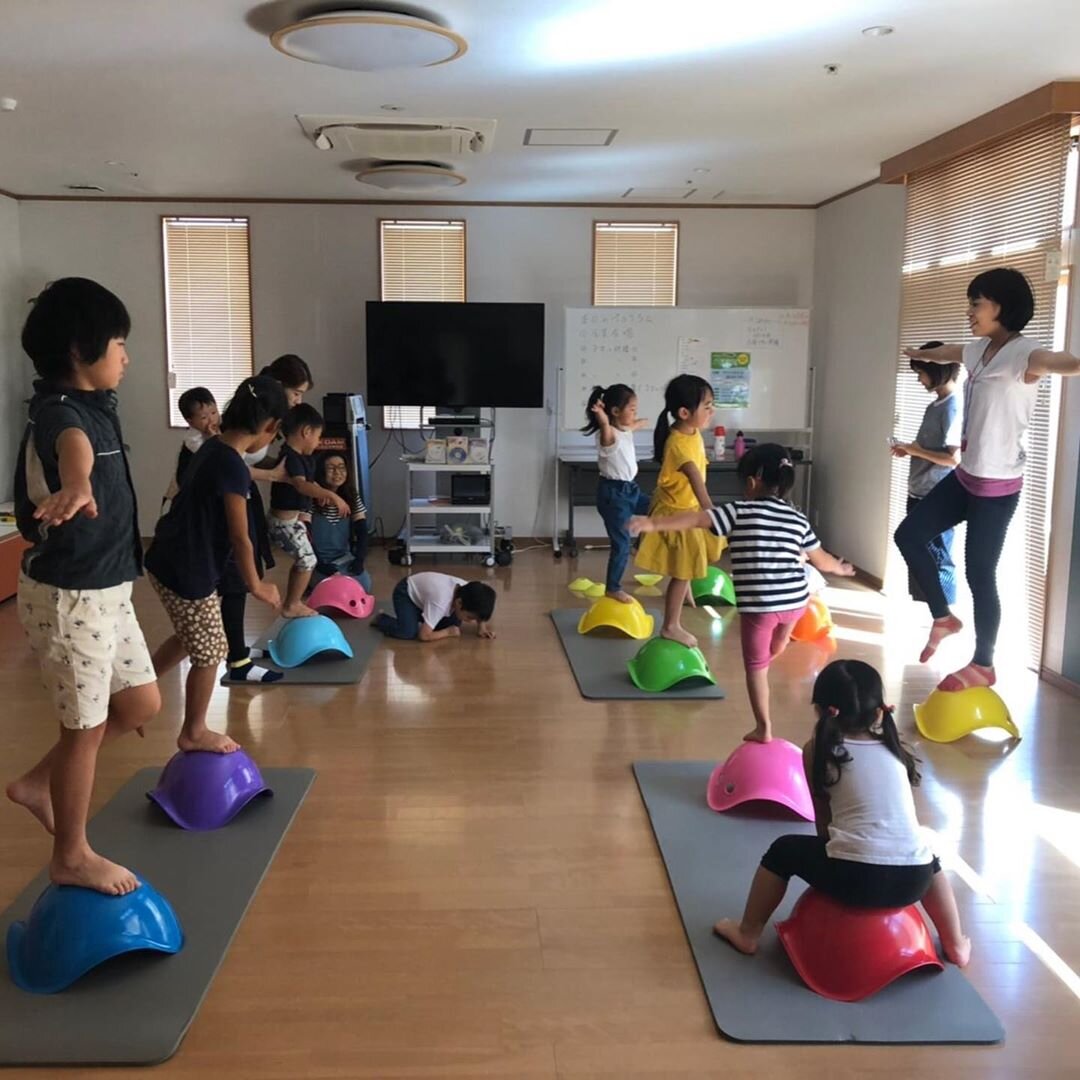
Photo from Instagram
Bilibo Pitales
Bilibo Pilates

The Solution to the Lost Pacifier: Why Queebi's Pacibuddy is a Must-Have

Every parent knows the scene: it's 3 AM, the baby is crying, and the pacifier has vanished into the dark depths of the crib. The constant search for a dropped or misplaced pacifier is one of the small but immense frustrations of early parenthood.

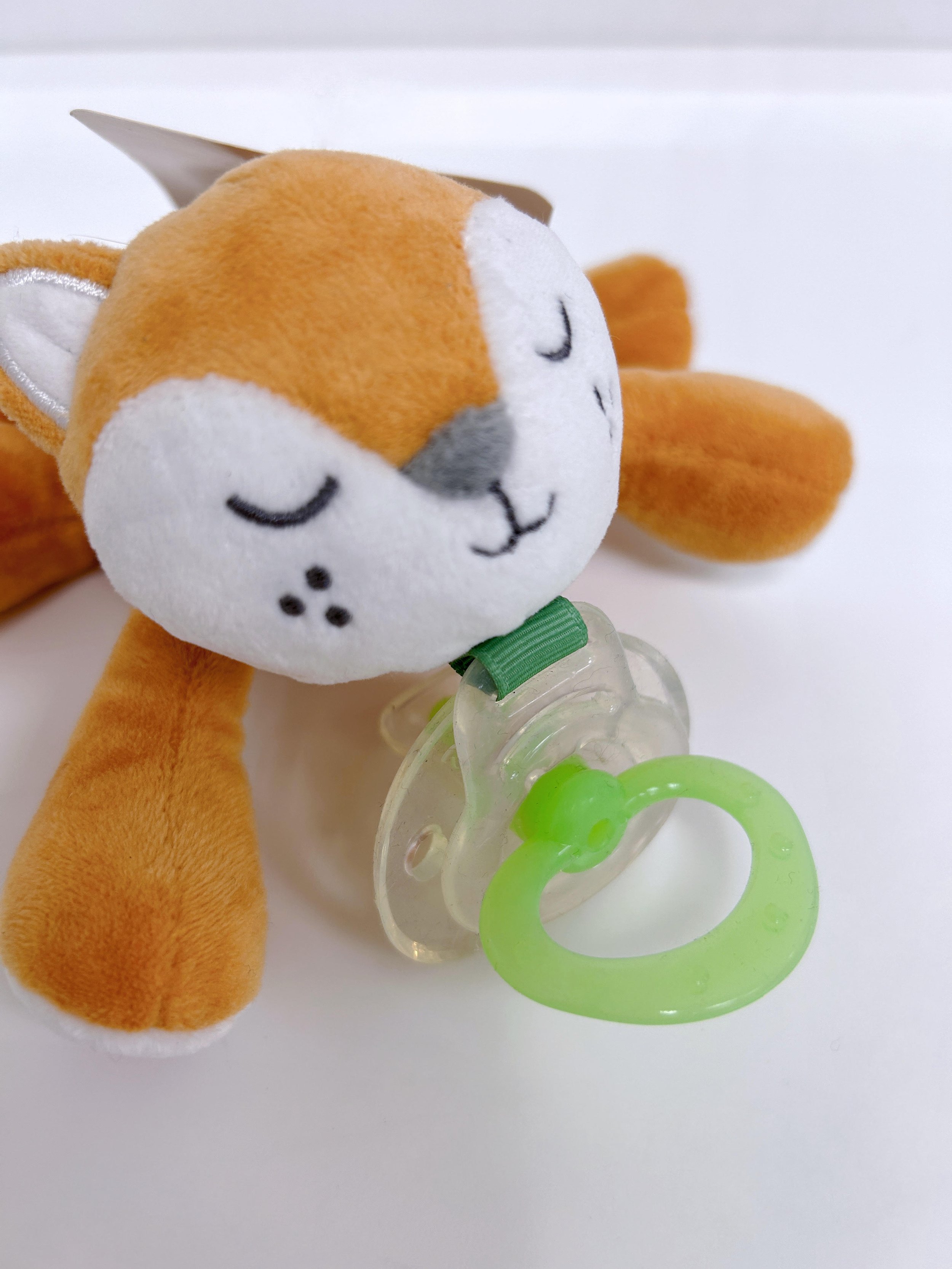
This is the exact problem that Wendy, a mother of two pacifier-loving babies and the founder of Queebi, set out to solve. She embarked on a creative adventure to develop the ultimate universal plush pacifier holder. The result is the Queebi Pacibuddy—a product designed not just to be cute, but to be a genuine problem-solver.

If you're a retailer wondering if this is the right product for your collection, the answer is simple: Queebi solves a universal problem, making it a perennial bestseller.

Why Queebi? The 5 Key Benefits

1. The Universal Solution (This is the Game-Changer)

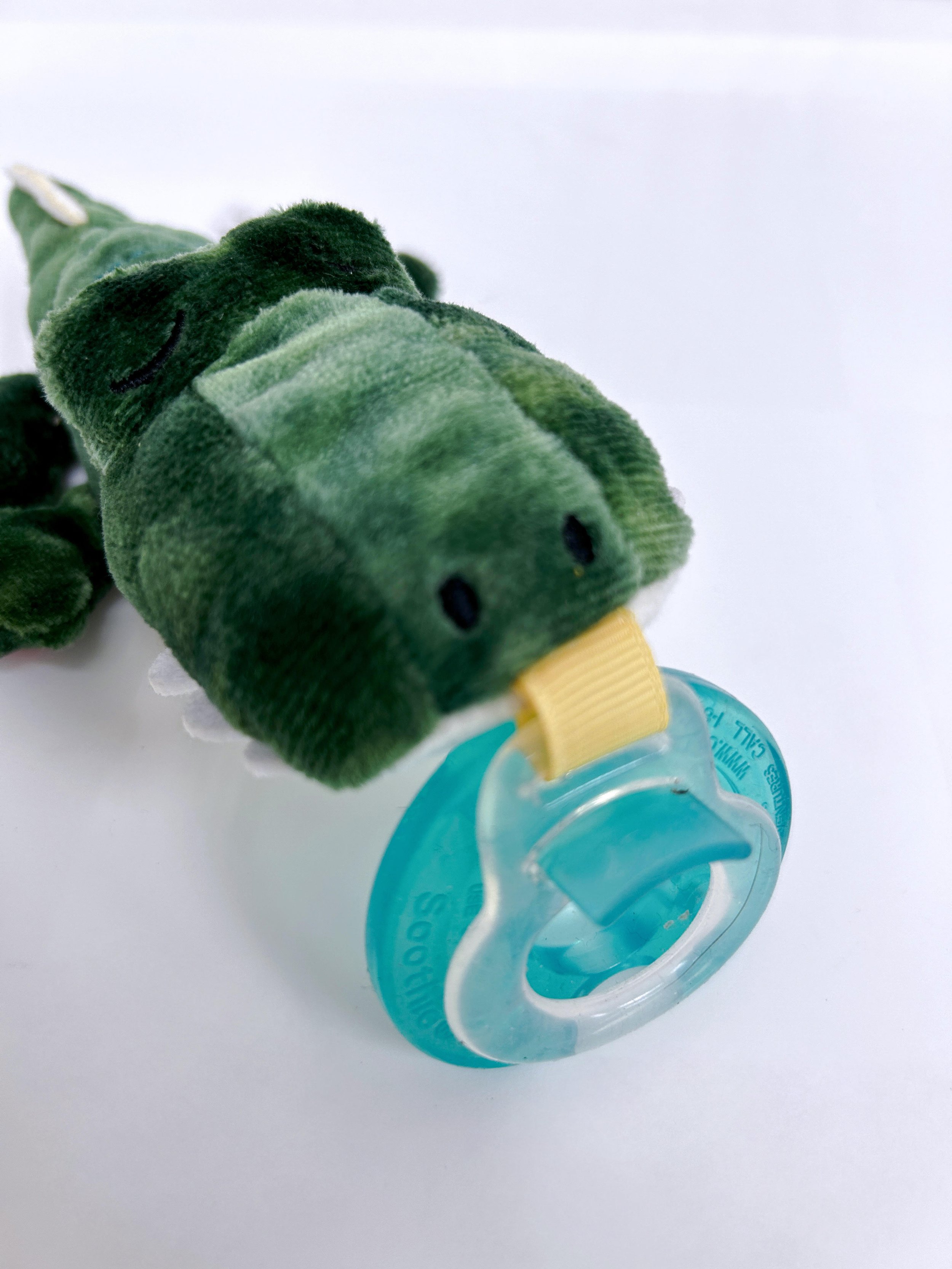
The genius of the Queebi Pacibuddy is its patented silicone ring. It was intentionally designed to be compatible with the widest possible variety of name-brand pacifiers, including MAM™, Avent™, NUK™, Nuby™, and Soothie™. This removes the guesswork for parents and makes it an easy product for retailers to recommend, as it works with whatever pacifier a baby already prefers.

2. Easy to Find, Hard to Lose

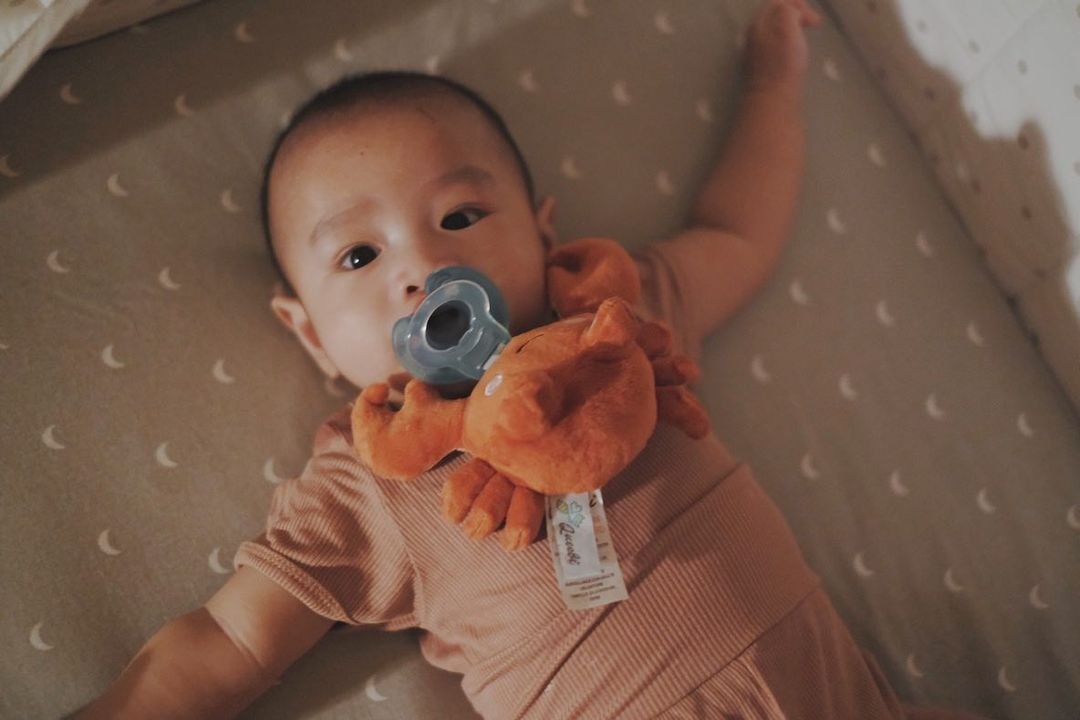
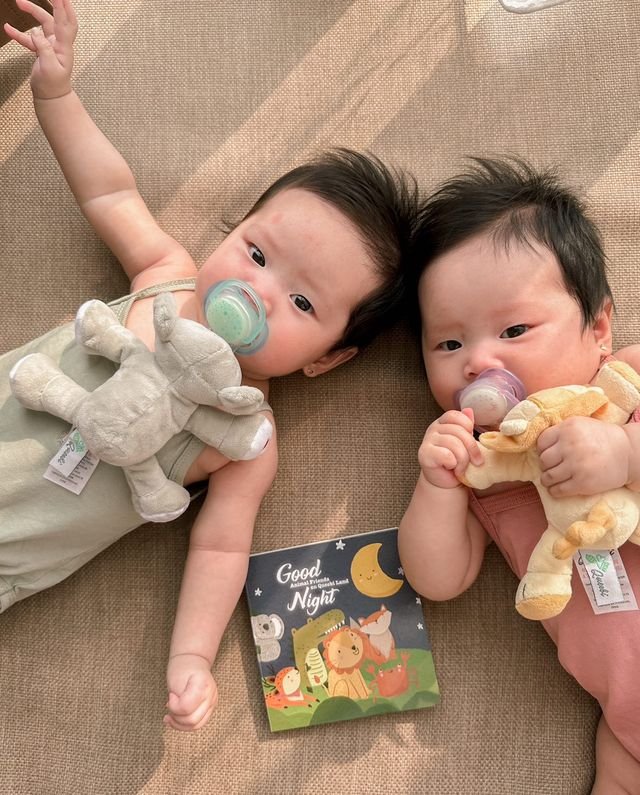
The Pacibuddy's plush animal character makes the pacifier highly visible and easy for parents to find. More importantly, it gives the baby something soft and substantial to hold onto, helping them to find and replace their own pacifier, which is a crucial step toward self-soothing. No more lost pacifiers!

3. Supports Healthy Development

The Pacibuddy is more than a holder; it's a developmental toy.

  • Motor Skills: The plush body encourages the baby to practice their grasp and develop hand-eye coordination.

  • Sensory Development: The soft, cuddly texture provides tactile stimulation, engaging the baby's sense of touch.

4. Promotes Safety, Comfort, and Hygiene

Babies have a natural urge to suck, which is why pacifiers are so comforting. The Pacibuddy ensures a pacifier is always nearby to keep a baby calm, help them fall asleep faster, and provide comfort on the go. Better yet, it's easier to keep the Pacibuddy clean than a baby's hands or other random toys they might put in their mouth. All Pacibuddy characters are machine washable and made from BPA and Phthalate-free materials.

5. Reduces the Risk of SIDS

This is a critical benefit. The American Academy of Pediatrics has shown that babies who use pacifiers have a significantly lower risk of SIDS. The Pacibuddy helps by ensuring the pacifier is always safely within reach during naptime and bedtime.

How the Universal Ring Works

Queebi's innovative design is brilliantly simple:

  • For Pacifiers with a Button Knob (like MAM™ or NUK™): Simply stretch the silicone ring over the pacifier handle and onto the button knob for a secure fit.

  • For Pacifiers with a Tab Handle (like Soothie™): Locate the rectangular "Soothie-Slot" on the silicone ring and insert the pacifier's tab through the slot.

By solving a real parent problem with a safe, versatile, and high-quality design, Queebi has created a product that offers peace of mind to parents and delivers consistent sales for retailers. It's a true must-have.

Universal plush pacifier holder with that could be used with a wide variety of name brand infant pacifiers.

Our Queebi baby users from all over Asia, such as Taiwan, Indonesia, Vietnam, Japan, China and Korea.

Queebi Pacibuddy or WubbaNub?

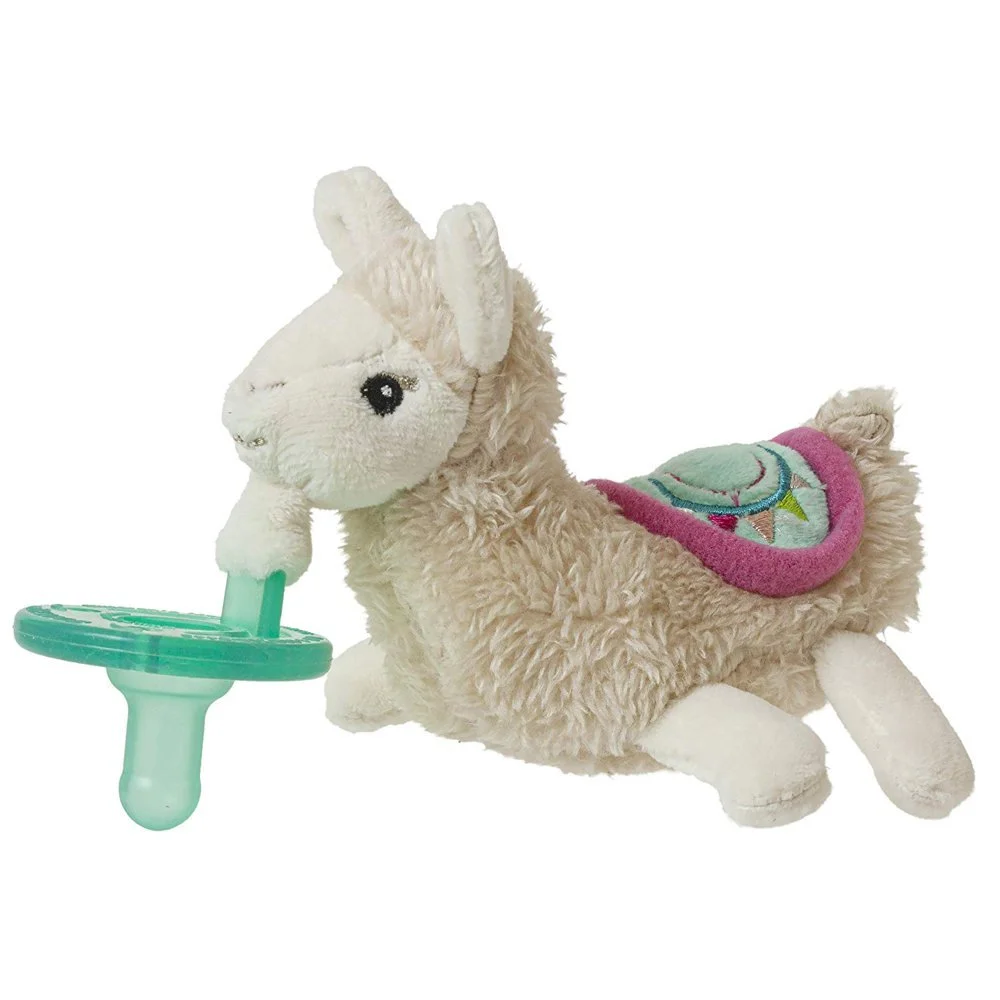
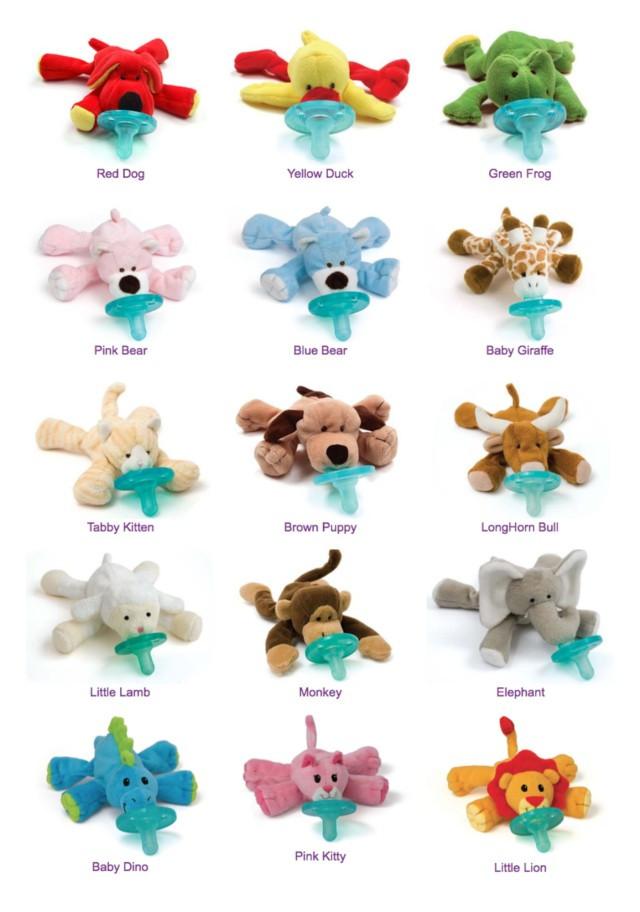
Speaking of pacifiers, there may be many mothers who often panic when the little one cries for losing his pacifier. You can find two similar pacifier in market, one is Queebi and the other is Wubbanub, both of them have plushies into it, make parents and kids can find pacifier easily. Then the next question is which one is suitable for my baby? Are they safe for babies? Are they a truly solution for my crying baby?

Wubbanub - Lily the llama

Queebi - Casper the Crab

Let us tell you pros and cons between each product.

Queebi pacibuddy pros:

  1. The first pacifier holder that suits most of pacifier brands, Nuk, Avent, Chicco, Shootie, etc.

  2. The pacifier it comes with is Queebi brand. Its a basic 0-6m orthodontic style.

  3. Each character has its own characteristic, it is the hope that parents would like to pass on the next generations. Check the full story here.

  4. The fur is soft, the entire thing is stuffed with Polyester.

  5. All Pacibuddy characters are machine washable.

  6. They're BPA and Phthalate free.

  7. They have 3 main product line so far, bed time, play time, and meal time. Providing a complete range for baby and parents to choose.

Queebi paci-plushies cons:

  1. Some buyers report that without the weighted feet, pacifier may still fall out of the baby's mouth until he/she is old enough to hold it in.

  2. Due to the ever changing market, some pacifiers might not fit the ring snuggly.

Read more: Does baby really need pacifier?

WubbaNub pros:

  1. They’ve been in business over a decade.

  2. WubbaNub have more animals plushies to choose from, some are cuter.

  3. The weighted front feet which filled with beans help keep the pacifier in the mouth.

  4. BPA, PVC and Phthalate Free.

  5. Plushies and pacifiers are sewn together, they are undetachable.

  6. They have 2 collection, WubbaNub lovey and WubbaNub pacifier. Certain styles are cheaper than Nookums paci-plushies.

WubbaNub cons:

  1. Because the Wubbanub is attached to a Soothie pacifier, it is only recommended for 0-6 months (not for baby with teeth).

  2. Wubbanub is attached, there is no way to change out a damaged pacifier or if baby prefers a different style or brand of pacifier, or even teether.

Read more: 9 Modern moms must have items

Queebi Pacibuddy or WubbaNub?

Like every parenting issue, there is no one right or wrong answer. It will depend on what the individual child likes. But, here to mention, have you ever read your pacifier’s welcome instruction? Probably not, I’m guessing.

Actually in every pacifier’s welcome instruction, they told parents not to user longer than 2 months. If you use WubbaNub, it means you need to change WubbaNub every 2 months, since they plushies and pacifier is undetachable. You can rip the seams on your wub and replace the soothie but it won’t be easy.

Loulou Lollipop Born to be Wild Tableware Collection

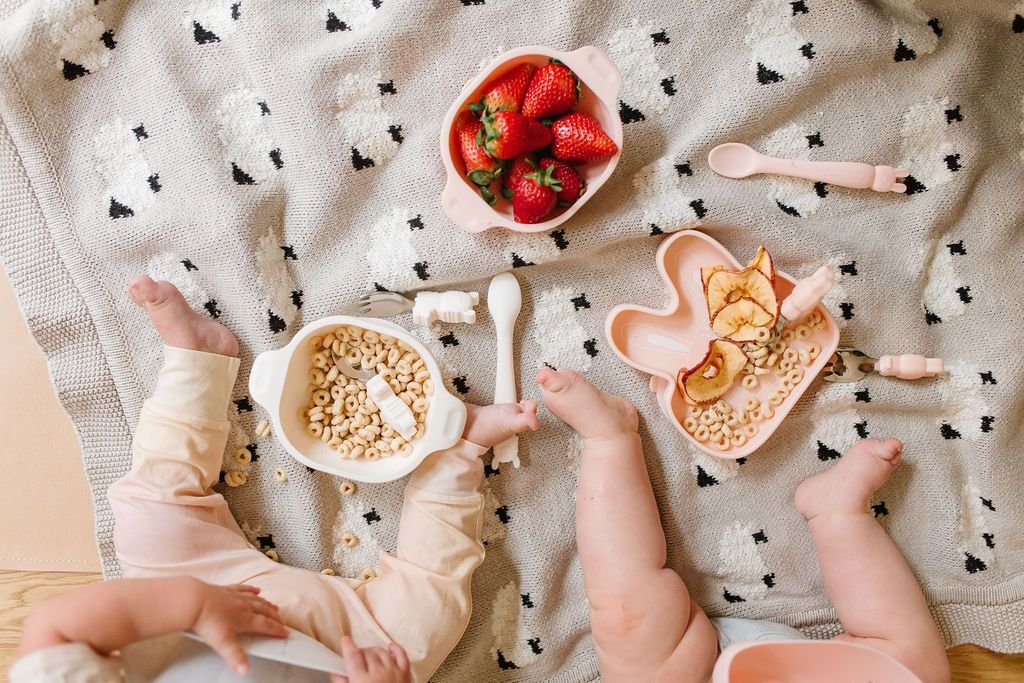
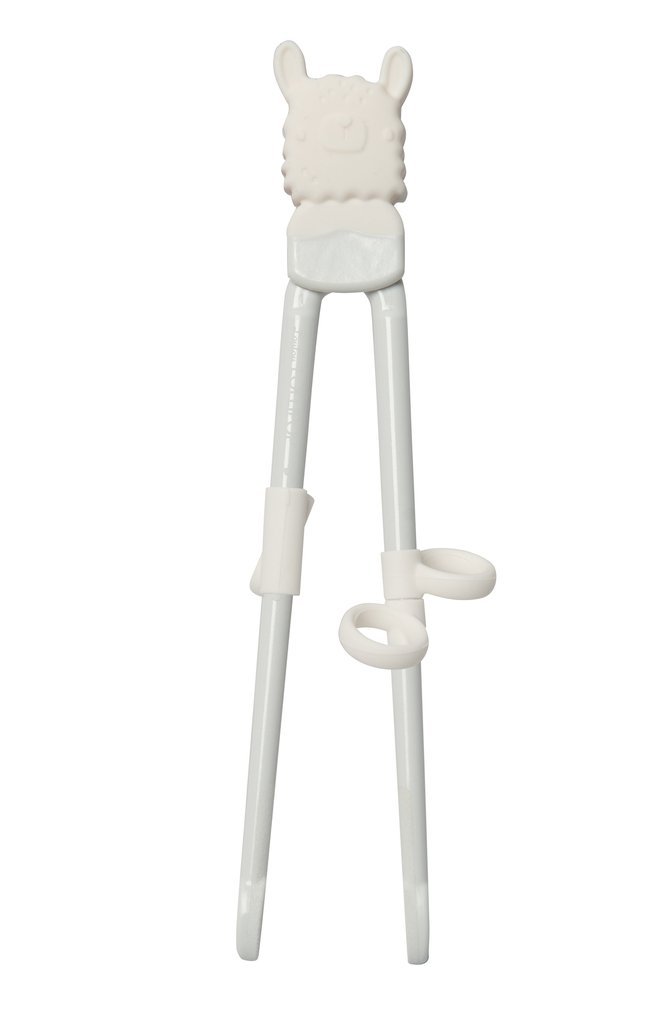
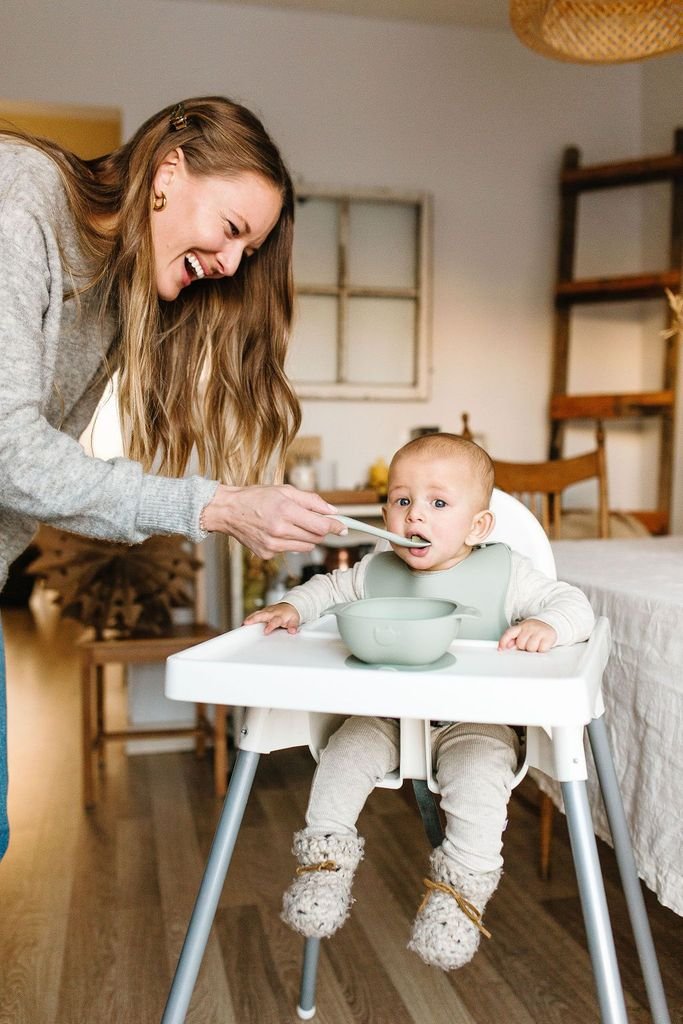
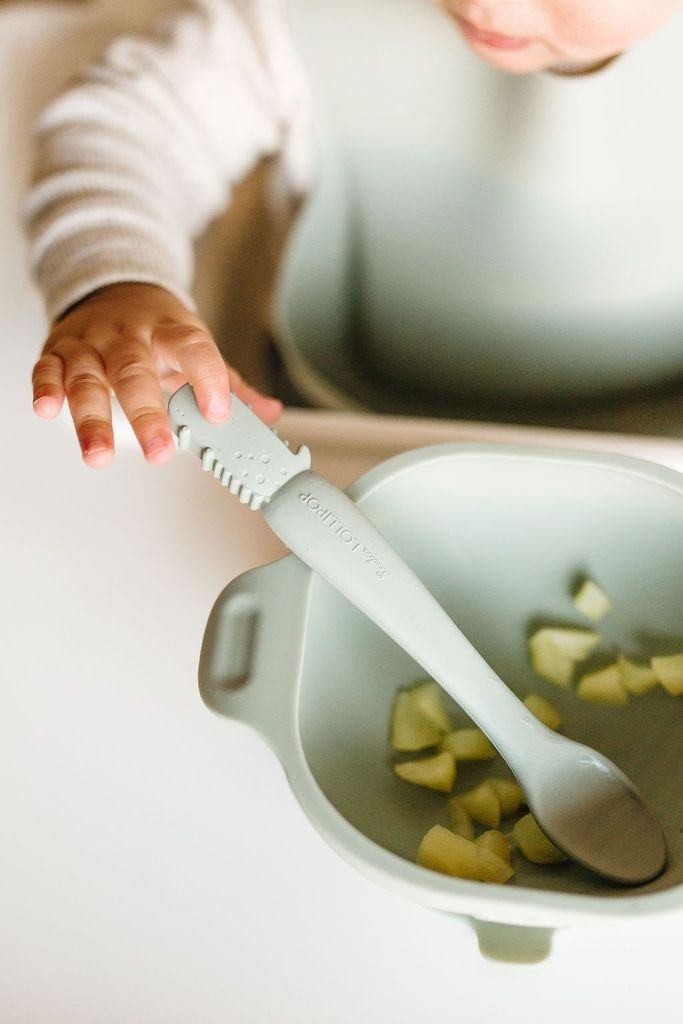
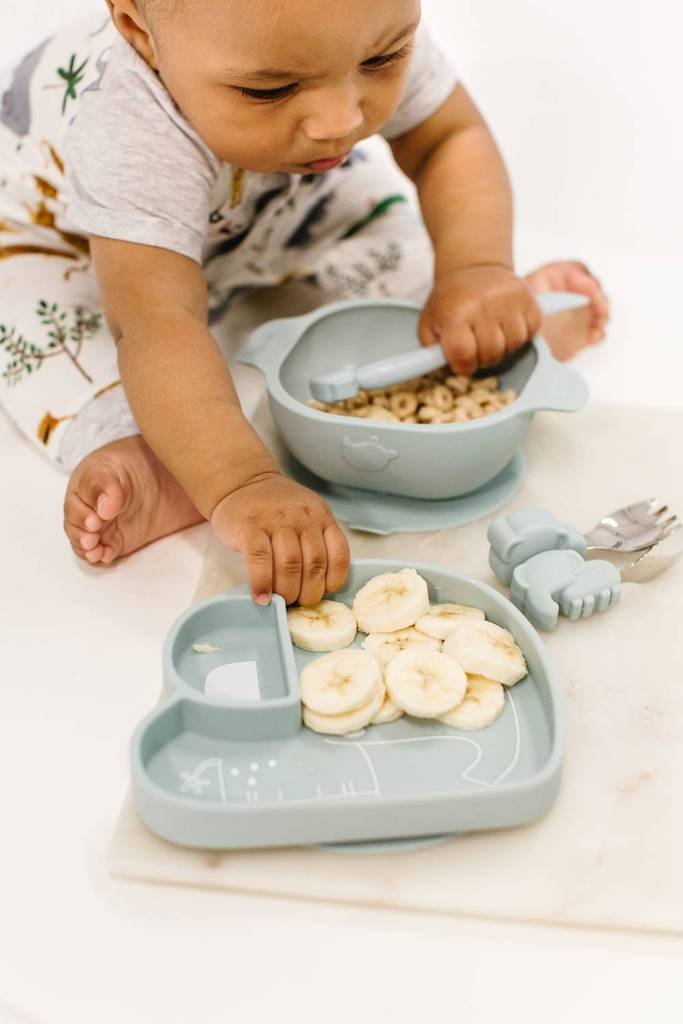
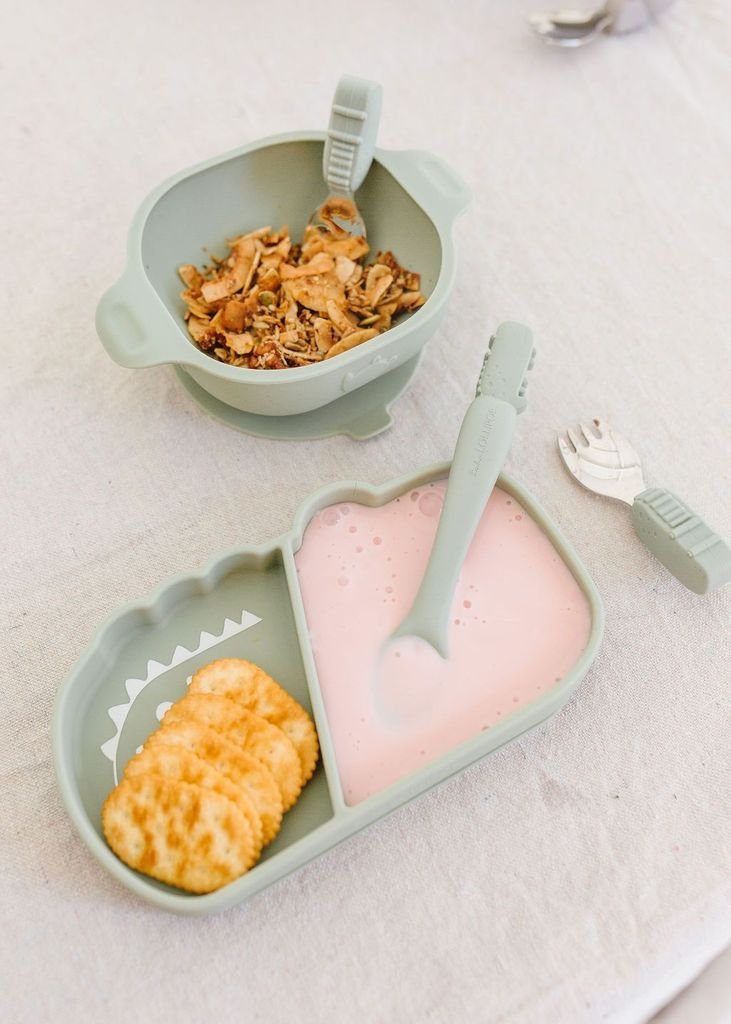
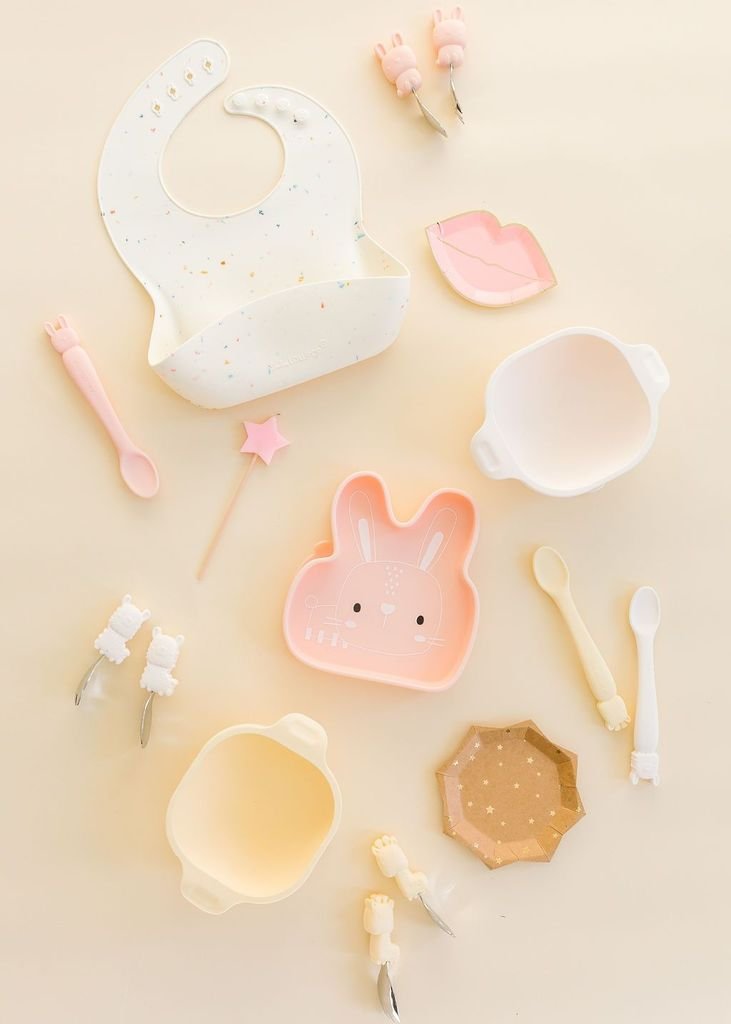
Your toddlers have mastered the skills of using the learning utensils? They graduate to the big kids’ version designed for their growing hands. Then you must try Loulou Lollipop new collection, Born to be Wild is a line of fun and practical tableware designed for kids from ages 4 months to 5 years old.

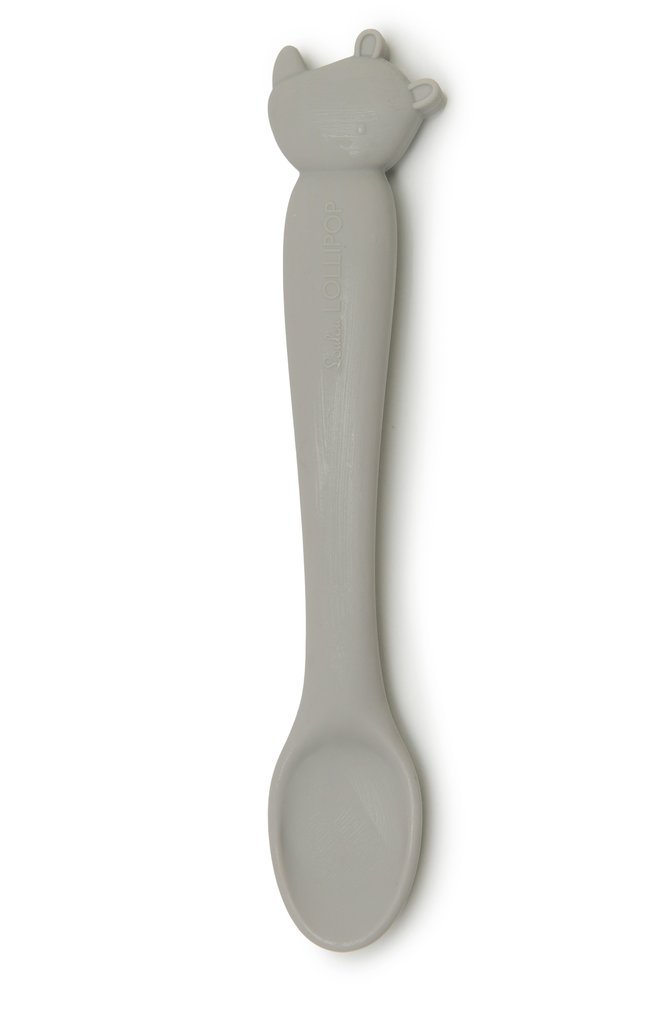
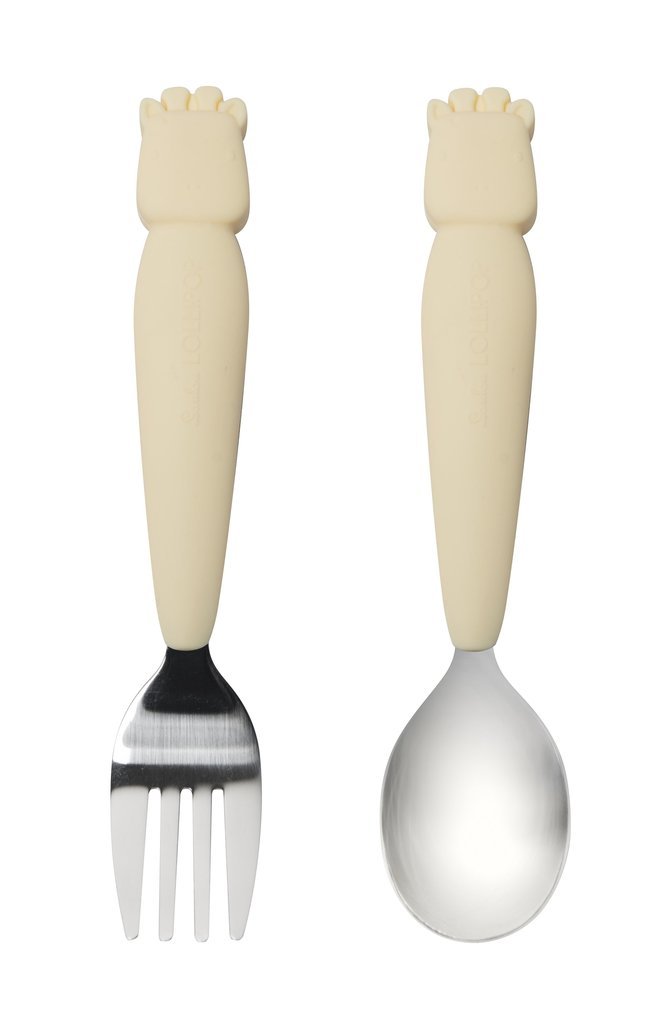
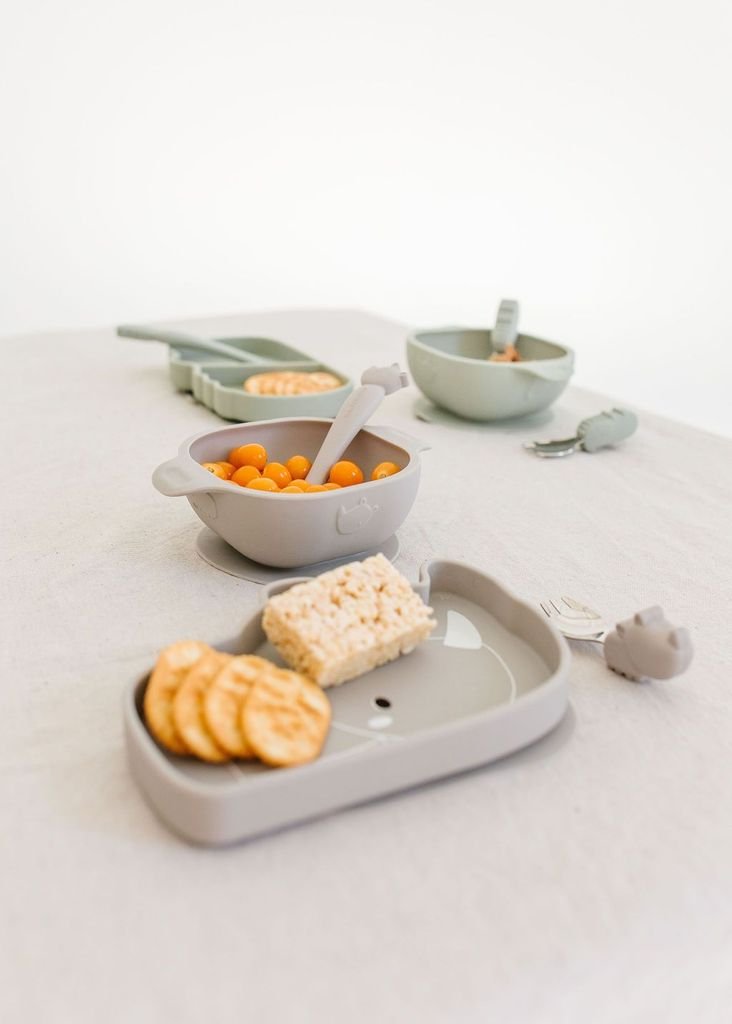
The range of Born to be Wild collections are very wide. From Infant Feeding Spoon to Learning Fork and Spoon Set which allow toddlers to confidently grasp the spoon and fork to encourage self-feeding.. With thoughtful details, smart and ergonomic designs, the collection makes mealtime fun and easy with plates, bowls, cutlery, and more.

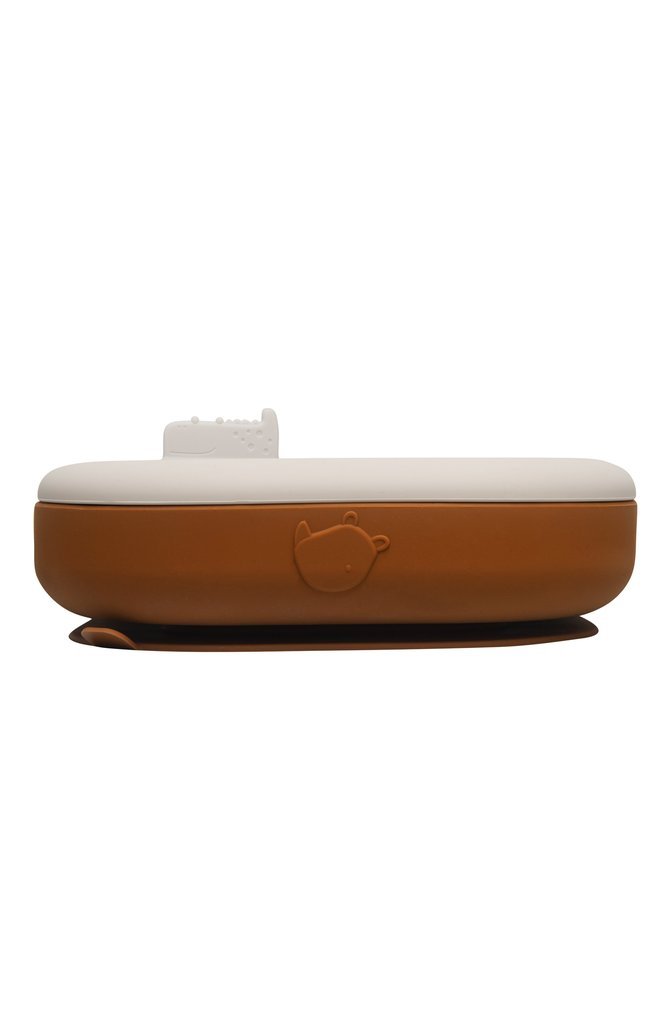
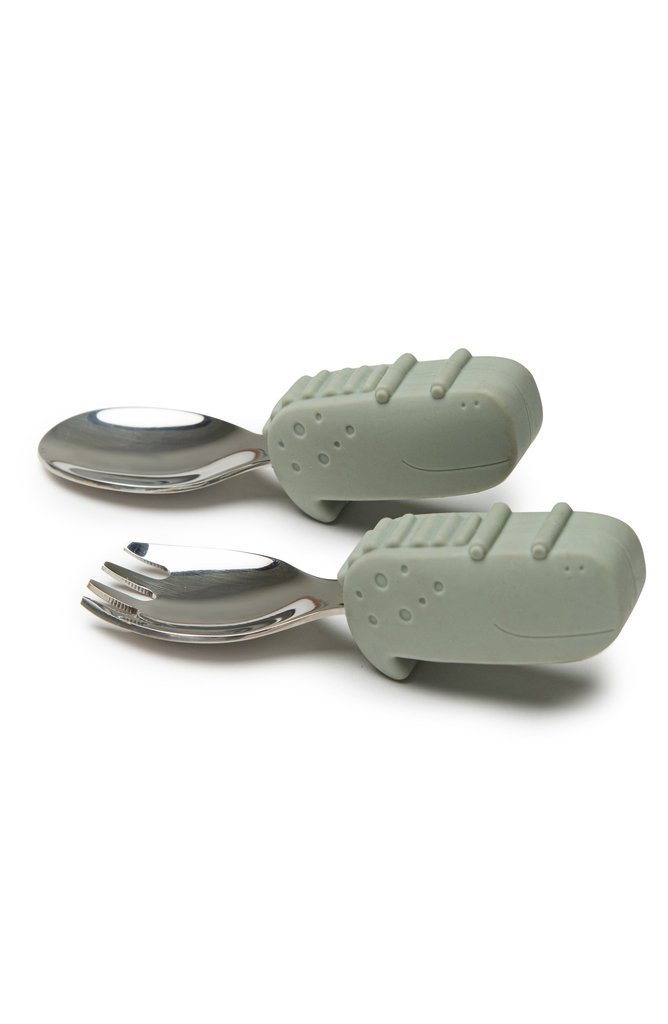
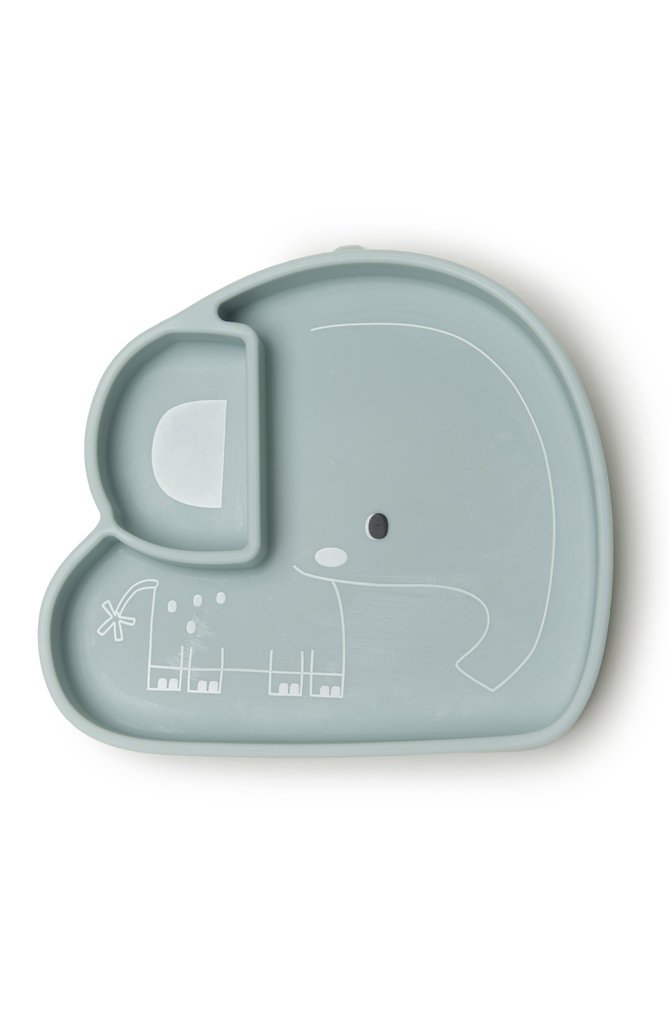
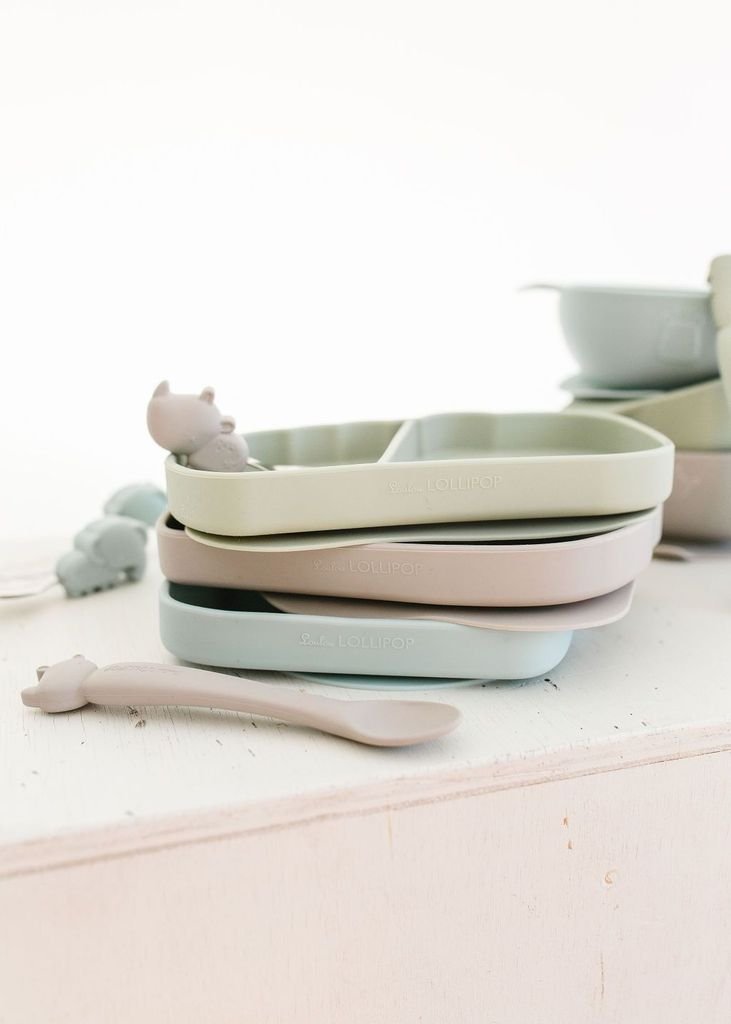
▼ From left to right: Divided Plate with Lid, Learning Fork & Spoon set, Snack Plate

▲ From left to right: Chopstick, Infant Feeding Spoon, Kid’s Fork and Spoon set

Born to be Wild collections will make snack time fun!

Born to be Wild collection are mainly made of 100% premium buttery smooth food-safe silicone, they are lightweight and easy to clean. Less mess, more snacking fun!

Available in seven adorable animal friends to entertain your little one! Those seven adorable animal are Alligator, Bunny, Elephant, Giraffe, Lion, Llama, and Rhino.

The collection is made with premium buttery soft and safe silicone and quality materials that meet the ASTM, CPSC, EN, AUS, and GB international safety standards. Free of BPA, Phthalates, and harmful substances.

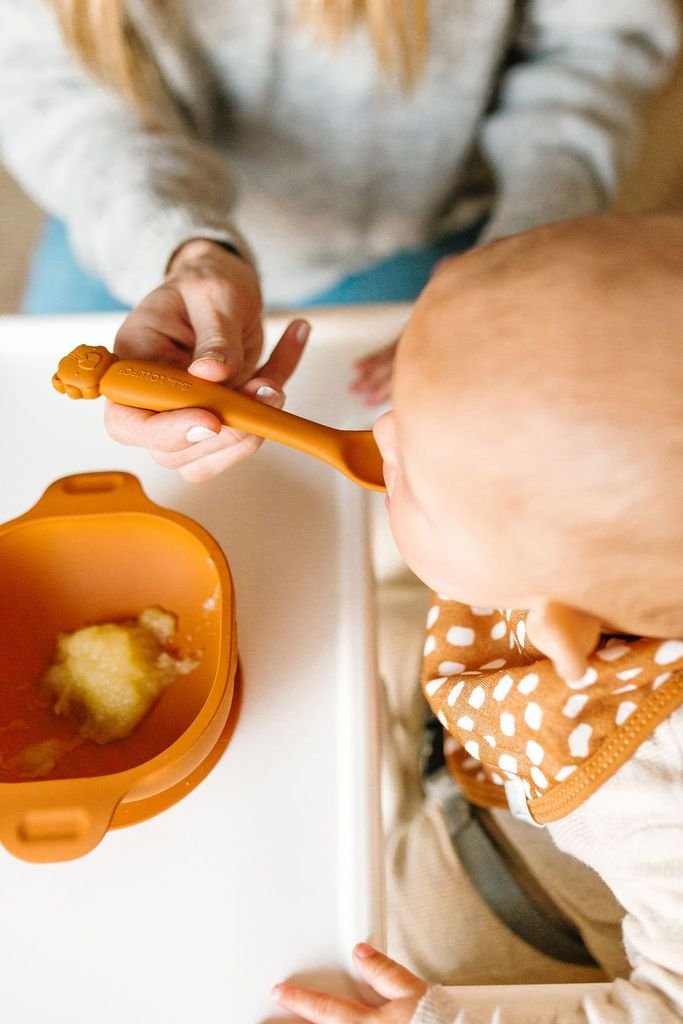
Silicone feeding spoon are made of soft, smooth silicone that can easily be thrown into the dishwasher and are safe for kids to chew on as they learn to eat.

Learning Spoon and Fork are designed with chunky easy-grab handles to let kids learning self-feeding easily, it is recommended for kids that are older enough that no longer love chewing everything, because it is made from premium food-safe silicone and SS304 stainless steel.

The bowl and plate coming with steady suction, simply press the plate and bowl down and it will stick to most smooth surfaces to prevent slips and spills. They have an upcoming new products which is Divided Plate with Lid!

Divided Plate with Lid features a strong suction base, the tight-fitting lid with an adorable alligator handle makes it easy to store and heat meals. The plate includes three separate sections to encourage food group variety and appropriate portion sizes.

Why Born to be Wild?

  • 100% premium food-grade silicone

  • Free of BPA, PVC, phthalates, lead, and cadmium

  • Size (cm): varies

  • Recommended Age: 6 months +

  • Dishwasher safe

  • Microwave oven safe

By combining a timeless, feel-good aesthetic, memorable pops of color, and an uncompromising commitment to the safest, highest quality materials, LouLou LOLLIPOP is redefining baby goods.

And reminder from us do not leave a child unattended with the fork or spoon and discard if damaged.

Baby bibs for BLW: Grabease all-over bib, Bumkins sleeved bib, or Tidy-tot bib?

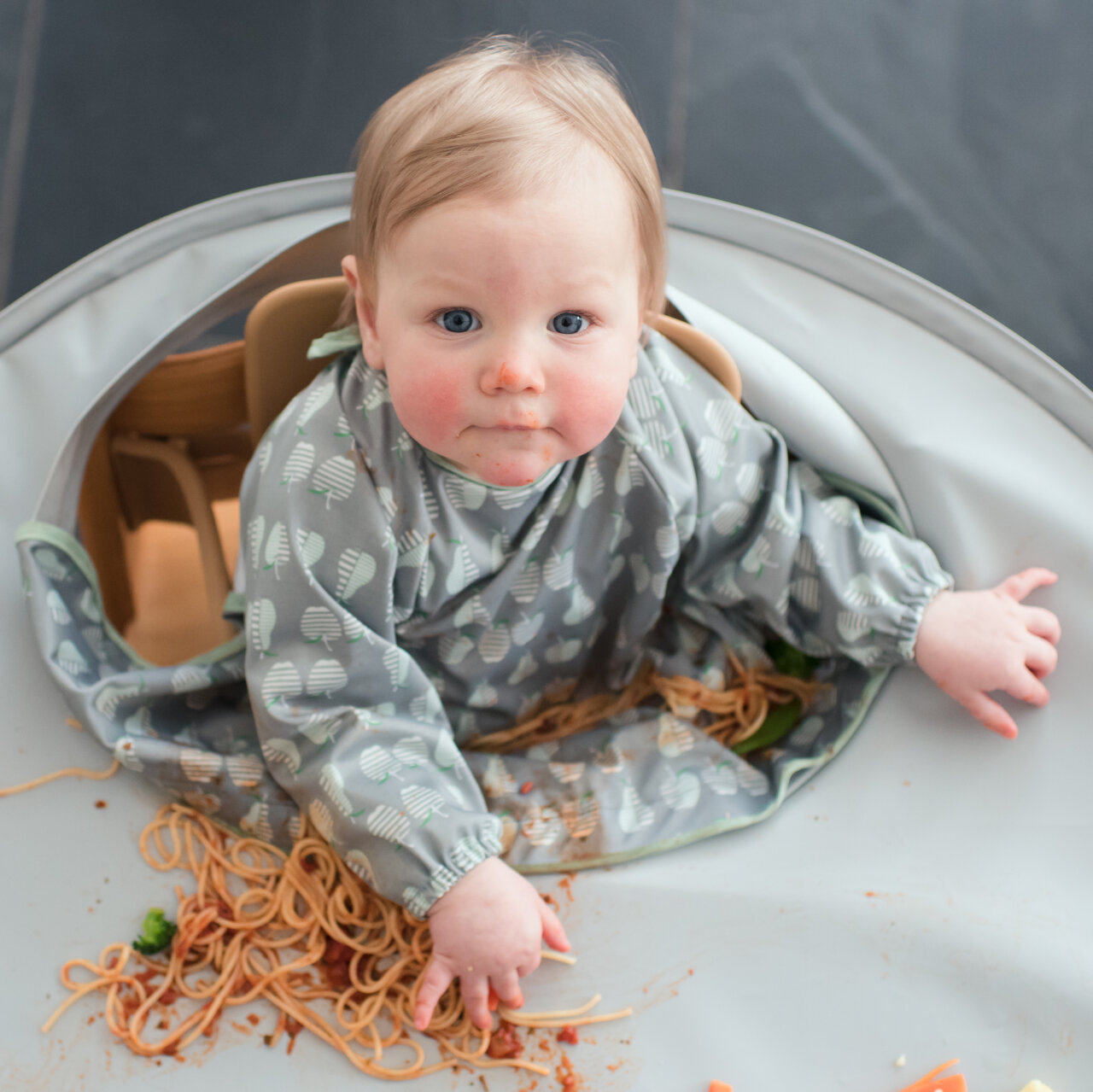
Baby led weaning (BLW) could be so messy and frustrating, but BLW is totally worth the mess! So I choose to raise my baby with BLW method and I know I need to stocking up on a few great BLW bibs, it help me to feel so much happier while doing BLW. No constantly stress about the mess and instead I can enjoy eating with my daughter. I have 3 great bibs, Grabease, Bumkins, and Tidy-tot. I’ll let you know the pros and cons of each bibs.

My daughter always sat on her highchair during mealtime, so in this article, I will focus on the bibs that are designed for highchair user. Check out here for on-the-go bibs.

Contents:

| Why we need bibs when BLW

| Bumkins sleeved bibs pros and cons

| Grabeaase all over bibs pros and cons

| Tidy tot bibs pros and cons

| Conclusion


Why we need bibs when BLW

It is of course to minimize the mess. A good bib can catch food easily, some bibs offer full coverage over clothing including sleeves, others are made from soft muslin or high-tech neoprene and some are more rigid, made with pockets to collect any spills. Not all bibs are equal and it is important to look for fabrics that are comfortable, protective, durable and washable, along with a design suited to your child’s stage and that is easy to fasten.

I always look for a durable, easy to wash and the perfect size for protecting baby’s clothes but not getting in the way of self-feeding. I also love bibs with a handy pocket to catch falling food. With a fresh bib for each meal, I can recycle food that’s fallen into the pocket back on to baby’s plate or bowl, also helping to minimize food waste.

Read also: 3 Rules you must follow when giving first food to your children

But if you are one of those moms whose always let your child naked, then you might not need the bibs so much, haha.

Baby bibs for BLW-7

Bumkins sleeved bibs pros and cons

The good:

  • Lightweight but durable long-sleeved bibs featuring a catcher pocket.

  • Bumkins sleeved bibs protect almost every inch of my daughter’s clothes from spills

  • They machine wash

  • Free from BPA, PVC, phthalates and lead

  • I love the tie back, not only it gives plenty of room to grow, my daughter keep pulling off the bibs that have velcro

  • Wrists have little cuffs so nothing can get up the sleeves

The not so good:

  • One small criticism from me was that the bibs could get stained with time

  • If I went to a restaurant without air conditioner, my daughter will be pretty cranky due to the long sleeves and she feel hot.. I recommend it for at-home-usage

Where to buy Bumkins sleeved bibs.

Baby bibs for BLW-6

Grabease all-over bibs pros and cons

The good:

  • Large size covers my daughter and it perfectly pairs with my high chair

  • Lightweight - roll up the bib for easy storage or to bring it on-the-go!

  • Washable - Because who has time to hand wash? Both machine and hand wash, remember to hang dry completely before storing

  • Safe! It BPA-free, PVC-free, vinyl-free, phthalate-free and lead-free

  • 100% polyester with TPU coating for waterproofing - it really keeps my baby dry from drool and spills

  • I am impressed with Grabease all over bibs waterproof effectiveness
  • I love its colors, especially the blush one!

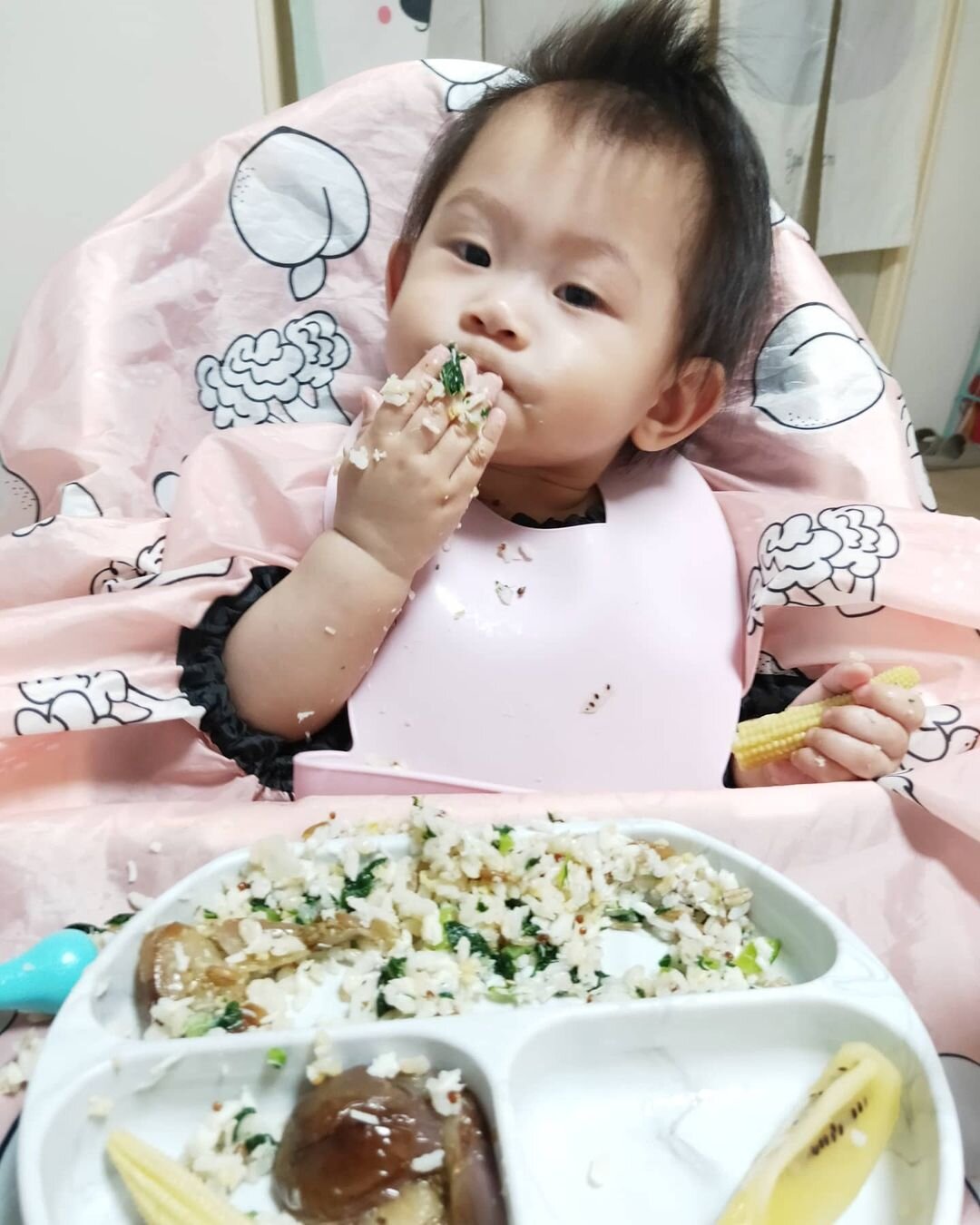
  • Grabease all-over bib has a short sleeves, but this what makes me even love it more, I live in Asia where the weather is quite hot here, my daughter couldn’t stand the heat if she wears a long sleeves bib

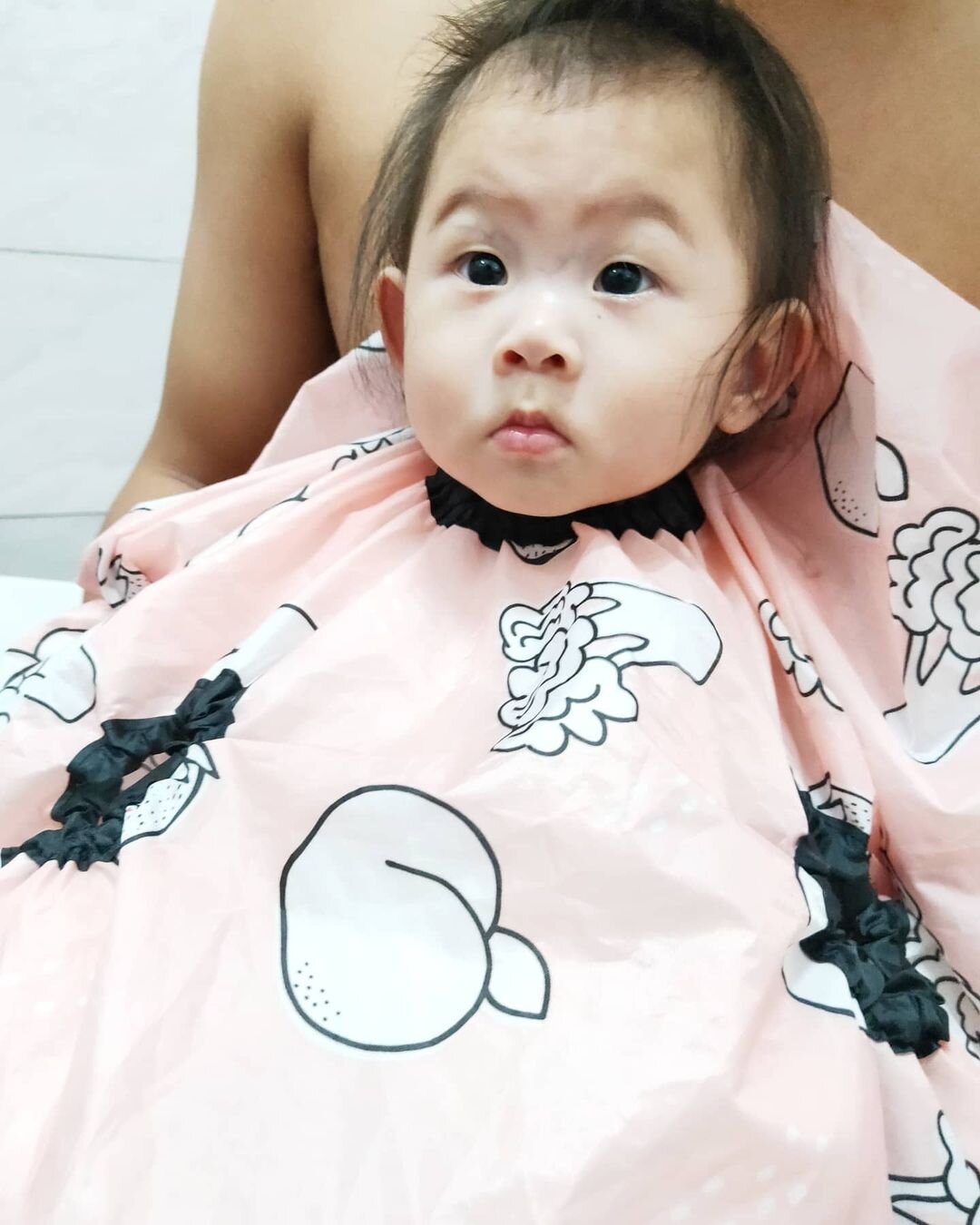
  • You can even use it as cover while making your own baby’s hairstyle

Read also: Best baby self feeding spoon and fork set

The not so good:

  • You need to have either booster chair or high chair to use it, some restaurant don’t have neither of them, so need to use more on-the-go bibs

  • I am not a big fan of their stretchy neck and arm holes, my daughter doesn’t really enjoy it

  • The price is very high comparing with other bibs’ brand

Where to buy Grabease bibs.

Baby bibs for BLW
Baby bibs for BLW-4

Tidy tot bibs pros and cons

I let my daughter use the iconic bib and tray kit

The good:

  • The tray can be used for weaning and messy play, keeps food and toys off the floor

  • Is hygienically clean – provides an antibacterial, food-safe, BPA and Phthalate free surface for your baby to eat from, wherever you are

  • The tray is easy to assemble, folds away for easy storage

  • Comes with a storage bag

The not so good:

  • I rarely use Tidy tots iconic bibs, in my point of view this bibs is not that convenient, it contains bibs and the tray, which I need to clean 2 separate items.

  • It is hard to find a big space to dry out the tray, since it is pretty big.

  • My daughter feels left out when she use Tidy tot, because the tray is so big, although she usually sit in her highchair, but Tidy tot’s tray is so big, feels distance, haha, what a dramatic daughter.

  • She lover drawing, but the tray is not steady enough for drawing purpose.

Where to buy Tidy Tot bib and tray.

Baby bibs for BLW-9

Conclusion

Over all, if for home use, I like Grabease better than Bumkins. The Grabease bibs can protect my daughter from the mess better and catch the food better. Maybe some of you will concern about the Grabease bibs short sleeves, but this is the feature I like about. I am living in Asia, most of the time is hot here, I’ll let my daughter wear sleeveless clothes, so the short sleeve is not a problem for me. What I like most about Bumkins is the tie back feature. But both of them is not really for on-the-go, you will need to prepare one more bibs meal time outside home. Check out here for on-the-go bibs.

If you are interested in starting your own baby product business, we are welcoming you to be our distributors. Be part of BabyLux family, if you want to be baby products distributors but not sure where to start, drop us a message!

5 Easy and Fun Sensory Activities for Toddlers at Home

Editor's Note:

This article was originally written to help families during the global pandemic. We have updated it to be a timeless resource for any parent looking for fun, screen-free ways to keep their children engaged at home, whether it's a rainy day, a school holiday, or just a quiet afternoon.


How do we keep our young children busy, learning, and happy at home, especially when there isn't much space to run around? The answer is sensory play! One fun activity per day can keep the stress away and create wonderful bonding moments.

Did you know that when a child uses two or more senses at the same time, their brain works more optimally to absorb and store new information? That's why experts agree that multi-sensory activities are a more productive and beneficial alternative to screen time.

The best part? All of the following activities can be done with simple materials you likely already have at home.

5 Multi-Sensory Activities for Children Under 3

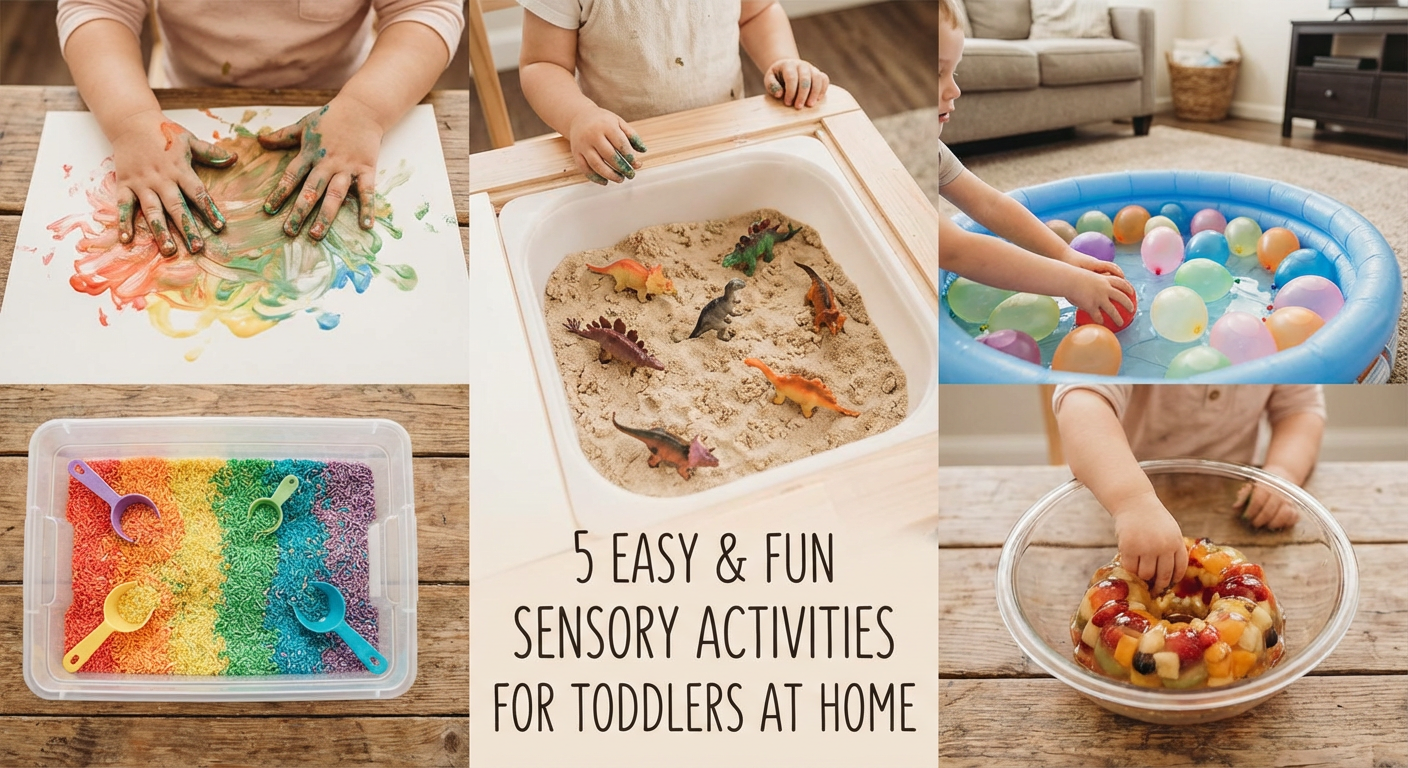
1. Edible Finger Painting

This is often a child's first art project and a perfect multi-sensory activity. It introduces textures, colors, and even tastes! Because younger children love to put everything in their mouths, it's best to DIY an edible paint that is completely safe.

How to make it: Simply mix cornstarch with water until you have a smooth consistency, then divide it into a few cups and add a different drop of food coloring to each. Voila! You have a safe, vibrant paint ready for little hands to explore.

2. "Dinosaur Dig" Treasure Hunt

This activity is perfect for introducing letters and concepts while playing. Fill a bucket or storage container with clean sand, uncooked rice, or dried pasta. Hide some small dinosaur toys within the sand. For an extra learning step, you can stick letters on them (e.g., the letter 'D') and have your child group them as they find them. This simple game teaches texture, discovery, and early literacy skills.

3. Water Balloon Bath

Make bath time even more fun and educational! Fill several colored balloons with water. In the tub, your child can explore the balloons, introducing a rich vocabulary of descriptive words: slippery, smooth, heavy, light, squishy. This turns a routine activity into a fun sensory lesson.

4. Creative Play with Rice

Rice is a fantastic and inexpensive alternative to sand for sensory bins. To make it even more exciting, you can color it by shaking a cup of rice with a few drops of food coloring and a teaspoon of vinegar (the vinegar smell will disappear as it dries).

You can use your colorful rice for all kinds of activities:

  • Bury "treasure" like small toys or blocks for a treasure hunt.

  • Pour it into clear plastic bottles to make colorful shakers.

  • Simply let your child run their hands through it to enjoy the texture and sound.

5. Jello Dig

This activity turns snack time into a productive and exciting sensory experience. Simply make a batch of gelatin (Jello) as usual, but before it sets, add large pieces of fruit (like mandarin orange segments or berries) or other edible, baby-safe objects. Your child will love digging through the jiggly, cool texture to find the treats inside. It stimulates all their senses and fills their tummy at the same time!

6. Explore with Open-Ended Sensory Toys

Not all sensory play has to be a messy DIY project! Some of the world's best toys are specifically designed to engage a child's senses in an open-ended way.

  • For pure sensory exploration, nothing beats the Swiss-designed toys from MOLUK. Their products are made from high-quality, food-grade silicone with unique, tactile shapes. They can be spinning tops, bath toys, or stackable objects, encouraging play that is driven by a child's own curiosity.

  • For a different kind of tactile building, the flexible magnetic pieces from Clixo click and bend in satisfying ways, merging the art of origami with construction.

  • The simple, single-shape design of Plus-Plus provides a wonderfully tactile experience as children connect the pieces to create 2D mosaics or 3D structures.

It turns out it's not difficult to create multi-sensory activities at home. While they might get a little messy, the developmental benefits and the joyful memories you create are absolutely worth it.

5 Screen-Free Activities for Creative Family Fun at Home

Editor's Note:

This article was originally inspired by families spending more time at home during the global pandemic. We have since updated it to be a timeless guide for any day you're looking for fun, screen-free ways to connect as a family, be it a rainy weekend, a school holiday, or just a quiet afternoon.


In a world full of screens, creating moments for hands-on, imaginative play is more important than ever. It's easy to turn on the TV, but when you need to keep your children engaged and prevent crankiness, nothing beats a creative activity. Taking the time to play together isn't just about passing time; it's an opportunity for family bonding and powerful developmental learning.

Here are 5 of our favorite screen-free activities to spark creativity at home.

Activity 1: The Magic of Building Blocks

Open-ended building toys are a must-have. They can be played with for hours with just a little imagination, becoming houses, towers, bridges, or cars. The benefits are immense:

  • Developing imagination and storytelling skills.

  • Practicing patience and problem-solving.

  • Building self-confidence with every successful creation.

  • Learning concepts of shape, size, balance, and color.

Recommended Toys:

  • Plus-Plus: This brilliantly simple, single-shape piece is like a physical pixel. It's perfect for creating both 2D mosaics and intricate 3D structures, helping children develop fine motor skills and spatial reasoning. (www.plus-plus.com)

  • MOLUK: These are the ultimate open-ended toys. With no defined purpose, a MOLUK toy could be a spinning top, a mountain for a car, or a hat for a doll. They force kids to be creative and think abstractly. (www.moluk.com)

Activity 2: Popsicle Stick Color Matching

This simple DIY game is incredibly valuable and costs next to nothing. All you need are some craft sticks and colored markers or paper.

Create "popsicles" out of colored paper and cut a slit in the top. Color the end of each craft stick to match one of the paper popsicles. Have your toddler choose a stick, identify the color, and then "insert" it into the matching paper popsicle. It's a fun, hands-on way to practice color recognition and fine motor skills. Pretend licking of the finished popsicle is highly encouraged!

Activity 3: Scissor Skills Cutting Practice

This activity provides a safe, controlled environment for your toddler to practice the important skill of cutting.

On a piece of paper, draw simple shapes or lines (straight, zig-zag, wavy). Give your child a pair of child-safe scissors and let them practice cutting along the lines. They may need help holding the paper or opening and closing the scissors at first, but try to let them do as much as they can on their own. It’s a fantastic way to build hand strength and coordination.

Activity 4: Host a Fashion Show

Many children love to express themselves through dress-up. Turn this into an event! Let them experiment with their clothes and accessories to create unique outfits. You can help with face paint or a touch of kid-friendly makeup.

Then, create a "catwalk" in your living room, dim the lights, and play some upbeat music to make it feel like a real show. For an extra layer of creativity, use cardboard and Makedo tools to build a custom runway, cool props, or even wearable accessories!

Activity 5: Build an Epic Fort

The classic blanket fort is a childhood rite of passage for a reason! Drape bed linens over chairs, couches, and tables to create a cozy, temporary playhouse.

To take your fort-building to the next level, introduce a toolset specifically designed for cardboard construction, like Makedo. Using the kid-safe saws and connectors, you and your child can use recycled cardboard boxes to engineer incredible, life-sized structures—from castles and tunnels to spaceships and storefronts. It teaches real construction principles and turns imagination into a tangible creation they can actually play inside. (www.make.do)

It turns out that preparing fun, educational activities for your children doesn't have to be expensive or complicated. We hope these ideas inspire many happy hours of family fun. Good luck

The Best Bibs for Baby-Led Weaning: A Buyer's Guide for Messy Eaters

Editor's Note:

This article was originally a review of a specific bib we once carried. We've updated it to be a comprehensive guide on the features that make a full-coverage bib a must-have for messy eaters. The insights are based on real-world experience to help you choose the best option for your family.


Baby-Led Weaning (BLW) is an amazing way to introduce solid foods. It has so many positive benefits for a child's development. However, there's no denying the biggest con: it can be incredibly messy and frustrating to clean up after every meal.

A great bib (and floor mat!) can be a game-changer. It will help you feel so much happier and more relaxed during your baby's BLW journey. When you aren't constantly stressing about the mess, you can truly enjoy the experience of eating with your baby.

For maximum protection, a full-coverage, all-over bib is the best solution. Here is what you should look for when choosing one.

The Ultimate Checklist for a Full-Coverage Bib

The Good: Key Features to Look For

  • Generous Size and Coverage: Look for an oversized bib that covers not just your baby's chest, but their lap as well. The best designs have an elastic hem that can be stretched around the high chair tray, creating a "catch-all" zone that contains all the mess.

  • Lightweight and Portable: The fabric should be lightweight and easy to roll up for storage in a diaper bag, making it perfect for meals on the go.

  • Easy to Clean: This is non-negotiable. The bib must be machine washable for deep cleans and have a smooth surface that is easy to wipe down for quick clean-ups between meals. Always ensure you hang it to dry completely before storing.

  • Safe and Waterproof Materials: Safety is paramount. Ensure the bib is certified BPA-free, PVC-free, and phthalate-free. Look for a 100% polyester fabric with a TPU coating for waterproofing. This will keep your baby's clothes completely dry from drool and spills.

  • Comfortable Design: Look for stretchy neck and arm holes that are comfortable for your baby. Consider the sleeve length based on your climate; short sleeves are fantastic for warmer weather to prevent overheating, while long sleeves offer maximum coverage for especially messy meals.

  • Versatility: A great bib can often double as a smock for messy art and craft projects!

The Final Verdict

For parents embracing the fun (and chaos) of Baby-Led Weaning, a full-coverage bib isn't a luxury—it's an essential tool. It dramatically reduces laundry, minimizes clean-up time, and lowers the stress level of mealtimes. By investing in a high-quality bib with these features, you're not just buying a piece of fabric; you're buying yourself more joy and peace of mind during one of your baby's most important developmental stages.

Screen Shot 2019-10-16 at 11.58.09 AM.png
Screen Shot 2019-10-16 at 11.58.20 AM.png
Screen Shot 2019-10-16 at 11.59.25 AM.png

How to Choose an Award-Winning Baby Toy: A Parent's Guide

Editor's Note:

This article originally celebrated the 2019 Mother & Baby Awards winners. As part of our commitment to providing evergreen, valuable advice, it has been updated to be a general guide on what makes a baby toy "award-winning." The specific brands mentioned are for illustrative purposes of the product types that win, not as an endorsement of brands we may no longer carry.


What Makes a Baby Toy "Award-Winning"? A Look at the Industry's Best

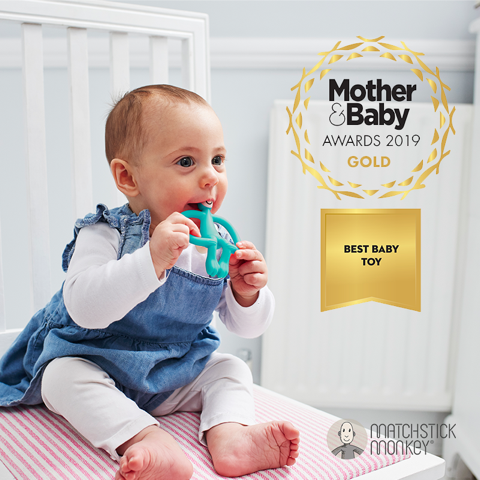
For over 25 years, the Mother & Baby Awards have been one of the most rigorous and respected awards in the parenting industry. What makes them so special? They are judged by the real experts—an army of over a thousand real parents who live with these products for a month and give their honest, unfiltered opinions.

When a product earns this seal of approval, you can trust it's been thoroughly put through its paces for reliability, quality, and value for money.

Instead of just looking at a list of past winners, let's analyze the types of products that win and the key features that make them stand out. This will empower you to choose the best possible toys for your baby.

The Qualities of a Gold-Standard Baby Toy

Here are the categories of toys that consistently win awards and the features that make them shine.

Category 1: The Innovative Teether

Teethers are a must-have, but an award-winning one goes beyond a simple plastic ring.

  • What to look for: A winning teether is often made from 100% food-grade silicone, making it soft, flexible, and completely safe. The design is ergonomic, with handles or shapes that are perfectly sized for tiny hands to grip. The most innovative feature is often a dual purpose, such as having textured bumps that not only soothe sore gums but also double as a teething gel applicator, helping parents apply medication right where it hurts.

Category 2: The Versatile Activity Center

The best activity centers are investments that grow with your child, providing value for many months.

  • What to look for: Look for a product that converts and adapts. A winning model might transition from a seated entertainer for a younger baby into a walk-around or stand-and-play activity table for a toddler. It should offer 360 degrees of play, with a variety of engaging toys, lights, sounds, and textures to stimulate all of your baby's senses.

Category 3: The Developmental Play Gym

A simple mat on the floor is good, but an award-winning play gym is a hub of development.

  • What to look for: The key is interactivity and adjustability. Look for play gyms with adjustable arches that can be moved to suit your baby's developmental stage. They should be rich with sensory experiences: dangling toys to encourage reaching and batting, baby-safe mirrors for self-discovery, and a variety of crinkly fabrics and soft textures on the mat itself.

How to Choose Your Own "Award Winner"

When you're shopping for your baby, you can act like your own judge. Don't just look at the brand name; look for the features that provide real value, support development, and make life easier and more fun for you and your baby.

Social Media Post.png

A Parent's Guide to Choosing the Best Baby Bowls and Plates

Editor's Note:

This article was originally a "best of" list from 2019. To provide more timeless and useful advice, it has been updated to be a comprehensive guide on the features and materials to look for when choosing the perfect mealtime gear for your little one.


When your baby reaches 6 months old, an exciting new adventure begins: starting solid foods! As you move beyond breastmilk or formula, the gear you use becomes incredibly important. The right bowls and plates can make the transition to self-feeding smoother, less messy, and more successful.

Learning to self-feed is a critical milestone that practices fine motor skills and fosters independence. To set your baby up for success, here’s our guide to the essential features to look for in baby bowls and plates.

The #1 Feature: A Strong Suction Base

Let's be honest: babies and toddlers love to test gravity. Outsmart your child's tendency to toss their plate on the floor by choosing bowls and plates with a strong suction base. This provides a stable foundation for little ones learning to scoop and feed themselves, keeping the food on the table and off your floor. Look for a strong lock mechanism that lets you know it's securely stuck in place.

Choosing the Right Material: A Head-to-Head Comparison

Silicone

This is the go-to material for convenience and durability.

  • Pros: Virtually unbreakable (aka toddler-proof!), lightweight, and flexible. It's almost always dishwasher, microwave, freezer, and even oven safe. High-quality, food-grade silicone is also free from BPA and other toxins and won't have a strange taste or smell.

  • Cons: Can sometimes be stained by brightly colored foods like carrots or beets.

Bamboo

For parents looking for an eco-friendly and stylish option.

  • Pros: Made from a sustainable, biodegradable resource. It's naturally resistant to mold and mildew. Bamboo dishes are lightweight and have a beautiful, modern look.

  • Cons: Most bamboo products are hand-wash only and cannot be used in the microwave. They are more rigid than silicone and can crack if dropped from a significant height.

Stainless Steel

A durable and safe alternative to plastic.

  • Pros: Extremely durable, will not break, and won't stain or hold onto food odors. Many stainless steel bowls come with airtight lids, making them perfect for storing leftovers or packing snacks for outings.

  • Cons: Cannot be used in the microwave.

The Power of Divided Plates

A simple but brilliant feature to look for is a divided plate.

  • Encourages Variety: The separate compartments naturally prompt parents to serve a variety of foods from different food groups.

  • Appeals to Picky Eaters: Many children prefer their foods not to touch. Divided sections can make mealtimes less overwhelming for them.

  • Great for Portioning: The sections provide a simple visual guide for appropriate portion sizes.

Bonus Features to Consider

  • Steam-in-the-Bowl Design: Some innovative silicone bowls are designed to be placed directly in a pot to steam veggies or warm up purées, which helps preserve nutrients.

  • Stackable Designs: If you have more than one little one, look for plates that are designed to stack neatly for easy serving and storage.

Choosing What’s Right for You

Now that your child has a whole new, edible world to explore, meals become one big adventure. What you use to feed your little one should make life easier for you and more fun for them. Whether you prioritize convenience (silicone), sustainability (bamboo), or durability (stainless steel), the right gear is out there.

Bon appétit

A Parent's Ultimate Guide to Choosing the Perfect Teether

Editor's Note:

This foundational guide has been updated to be a comprehensive resource for parents. All specific brand recommendations have been removed to focus on the essential features and safety criteria you should look for when choosing any teether.


Around 4-5 months old, many babies enter the "oral phase"—a developmental stage where they have a natural tendency to put everything in their mouths. To ensure they aren't chewing on unsafe objects, this is the perfect time to introduce a teether.

Giving a teether not only helps stimulate your baby's gum and jaw development but also provides immense relief from the itching and soreness of teething. But with so many options, how do you choose the perfect one?

How to Choose the Perfect Teether: A 4-Point Checklist

A good quality teether is durable, easy for your baby to hold, and safe to chew on. Here’s what you need to look for.

1. Prioritize Safe, Non-Toxic Materials

This is the most important rule. Since this item will be in your baby's mouth, the material must be completely safe.

  • Look for 100% food-grade or medical-grade silicone. It's soft, durable, and naturally free of harmful chemicals.

  • Check for safety certifications. The packaging must clearly state that the product is BPA-free, PVC-free, and Phthalate-free. BPA (bisphenol-A) is a harmful chemical that should always be avoided in baby products.

  • Consider natural options. Unfinished, naturally antibacterial wood (like maple) or natural rubber are also excellent, non-toxic choices.

2. Choose a Teether for Your Baby's Age and Stage

Teething is a process, and the right teether can change as your baby grows.

  • Early Teething (4-6 months): When the first signs of teething appear, babies need something soft and gentle. Choose a lightweight teether made from soft silicone with mild textures.

  • Active Teething (6+ months): Once your baby is in the full throes of teething, they'll appreciate a teether with more varied and satisfying textures. Denser silicone, textured surfaces, and even safe, solid wood can provide greater relief for sore gums.

3. Look for Smart, Functional Design

The best teethers are designed for both pain relief and developmental play.

  • Easy to Hold: Look for ergonomic shapes with handles or rings that are easy for tiny hands to grasp and control. The teether should be sized appropriately for your baby's mouth—not so small it's a choking hazard, and not so large it's uncomfortable.

  • Serves Multiple Purposes: Some of the most innovative teethers have features like soft bristles to gently clean gums or bumps on the back that are perfect for applying teething gel accurately.

  • Hygienic for Travel: For parents on the go, look for teethers that come with a travel case or have a clever "flip" design to keep the chewing surfaces clean inside a diaper bag.

4. Ensure It's Durable and Easy to Clean

A teether needs to be strong and simple to sanitize.

  • Durability: It should be made from a strong material that won't tear or break apart. Before giving it to your baby, give it a firm tug to ensure no small parts can come loose.

  • Ease of Cleaning: Make your life easier by choosing a teether that is dishwasher-safe or can be cleaned in a steam sterilizer. At a minimum, you should be able to wash it thoroughly with soap and hot water. Some advanced silicone teethers even incorporate antimicrobial technology to help keep them hygienically cleaner between washes.

A Crucial Note on Safety

Always supervise your baby while they are using a teether. Regularly inspect it for any signs of wear and tear, and discard it if it's damaged. Never use items that are not specifically designed as teethers, especially toys with small parts that could become a choking hazard.

Ready to Find a Teething Solution?

By focusing on safety, materials, and smart design, you can confidently choose the perfect teether to comfort your baby through this challenging but important milestone.

A Parent's Guide to Choosing the Best Straw Cup for Your Baby

Editor's Note:

This article was originally a "best of" list from 2021. To provide more timeless and useful advice, it has been updated to be a comprehensive guide on the features to look for when choosing the perfect straw cup for your baby's developmental needs.


Choosing the right cup for your baby can feel overwhelming when you’re standing in front of a wall of 30+ options. But whether you like it or not, it's a must-do job. Pediatricians recommend weaning your baby from the bottle and switching to a cup around 12 months old. This is crucial for supporting appropriate oral motor skill development, as it helps them exercise their facial muscles, tongue, and soft palate—all of which are connected to speech and feeding.

The Big Debate: Sippy Cup vs. Straw Cup

Before you choose a cup, it's important to understand why experts have a clear preference.

Just like with a bottle, a baby places their tongue at the front of their mouth to suckle from a traditional hard-spout sippy cup. For this reason, many pediatricians and speech and language pathologists now recommend straw cups over sippy cups. With a straw, your baby learns the more mature skill of pulling their tongue to the back of their mouth when they drink. This helps them develop a proper swallowing pattern that they will use for the rest of their lives.

How to Choose the Best Straw Cup: A Checklist

Instead of focusing on brands, focus on these key features that make a straw cup effective, safe, and easy to use.

1. A Weighted Straw

This is the most important feature for beginners. A flexible straw with a weighted end will anchor itself in the liquid, allowing your child to get a sip from any angle, even when the cup is tilted. This dramatically reduces frustration.

2. Spill-Proof vs. Easy-to-Sip (Valve vs. No Valve)

  • Spill-Proof (Valve): Many cups have a valve in the straw to prevent leaks. This is great for travel but can be difficult for a new learner to suck from.

  • Easy-to-Sip (No Valve): A valve-free straw is not spill-proof, but it's much easier for a baby to learn with. It's also the best choice for thicker drinks like smoothies.

3. Safe, High-Quality Materials

Always ensure the cup is made from safe materials. Look for labels that explicitly state the product is free of BPA, BPS, phthalates, and other harmful chemicals. The cup itself might be durable polypropylene plastic or even stainless steel. The straw should be made from soft, medical-grade silicone that is gentle on your baby's gums.

4. Easy-to-Hold Handles

Look for cups with handles that are ergonomically designed for little hands. This promotes independence and helps your child master the coordination required to hold, lift, and drink all by themselves. Bonus points if the handles are detachable for easy packing in a diaper bag.

5. Hygiene and Ease of Cleaning

A cup is only as good as how easy it is to clean. Look for cups with minimal parts that are dishwasher safe. An attached or swivel-top lid is a great feature for keeping the straw clean when you're on the go. A straw-cleaning brush is an essential accessory, so it's a huge plus if one is included.

6. Insulation (A Nice Bonus)

For long days out or for parents in warmer climates, consider a cup with vacuum insulation. A durable stainless steel, insulated cup can keep beverages cold and fresh for hours, which can be a lifesaver on a hot day.

6 Fun and Easy STEAM Activities to Do With Your Child

Editor's Note:

This article has been updated to provide general, evergreen ideas for STEAM activities. The original brand recommendations have been removed to focus on the types of toys and materials you can use, many of which you may already have at home.

To explore our curated collection of high-quality, educational toys that support STEAM learning, please click here to visit our toys category page.


Why Are STEAM Activities So Important?

You've probably seen "STEM" or "STEAM" toys on store shelves, promising to encourage your child's skills in Science, Technology, Engineering, Arts, and Mathematics. But do they really deliver?

The real magic of the STEAM method is that it frees each child to explore their own unique mindset and creativity. It gives them the tools to discover new ways of problem-solving, innovating, and seeing the connections between different fields. The goal of STEAM is to spark a lifelong love of learning and discovery from an early age.

Best of all, these activities are perfect for parent-child bonding time.

600x-7.jpg

6 Easy STEAM Activities to Try at Home

1. Sand or Dough Prints

This classic activity trains a child's sensory and motor nerves all at once. You just need clean sand, play dough, or even kinetic sand and various molds.

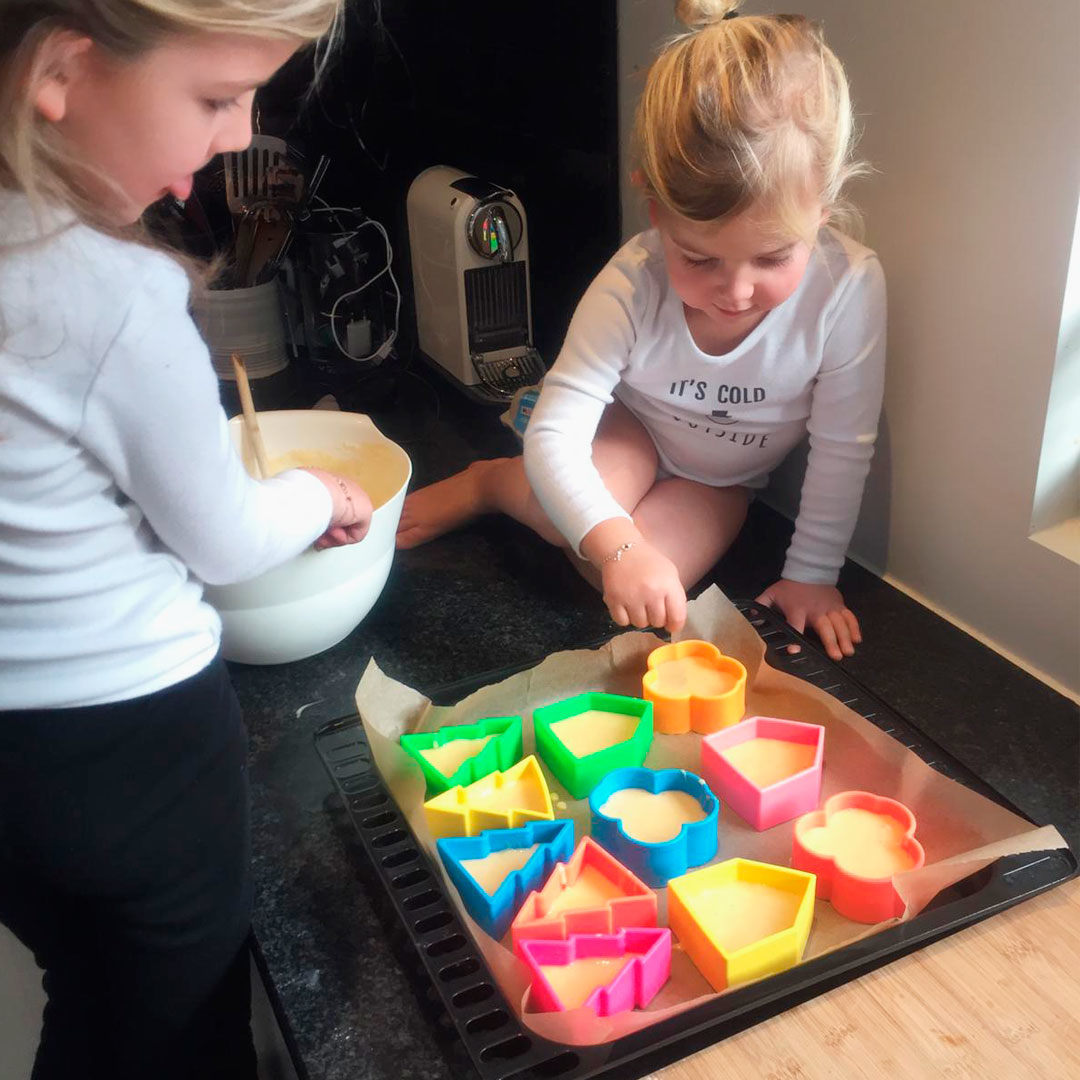
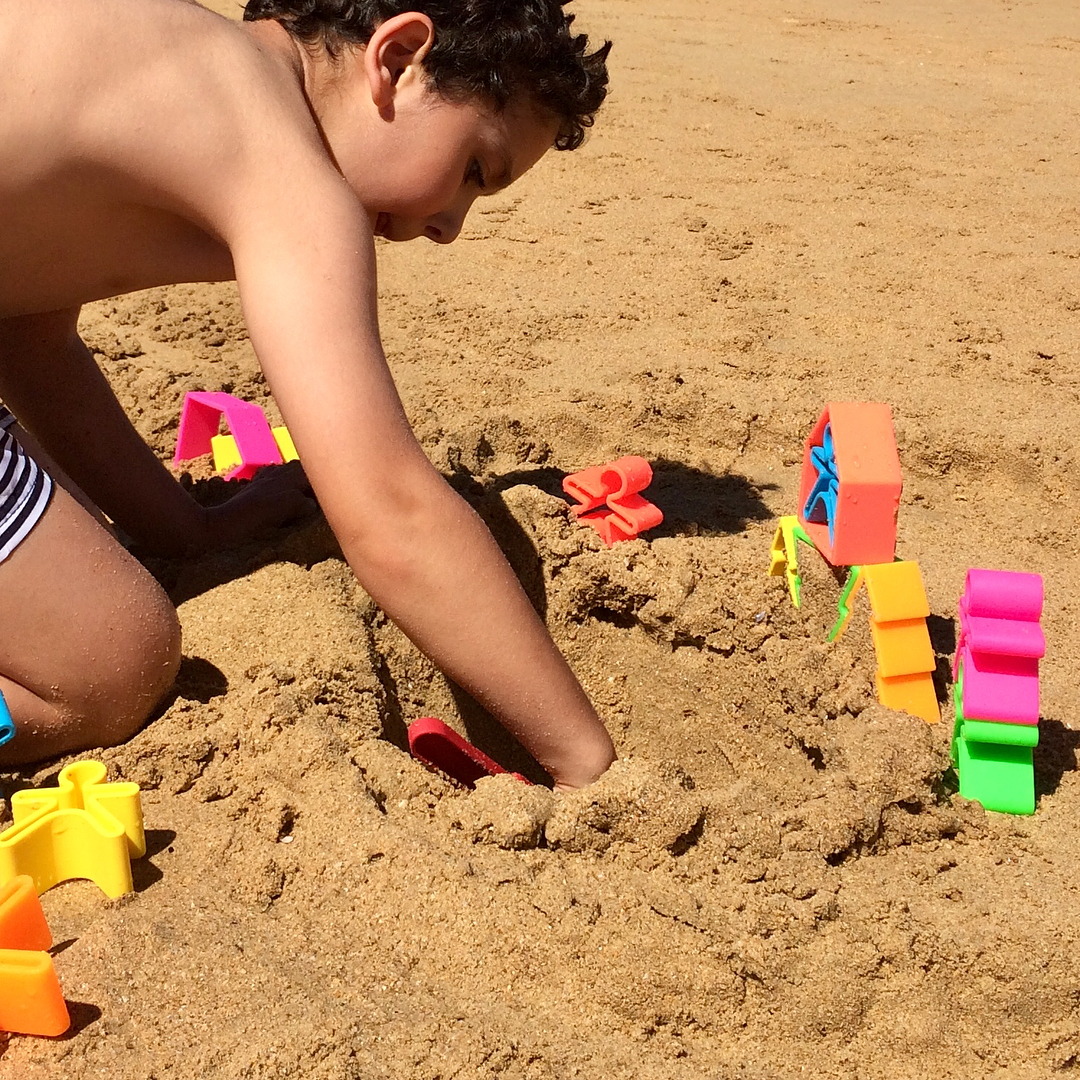
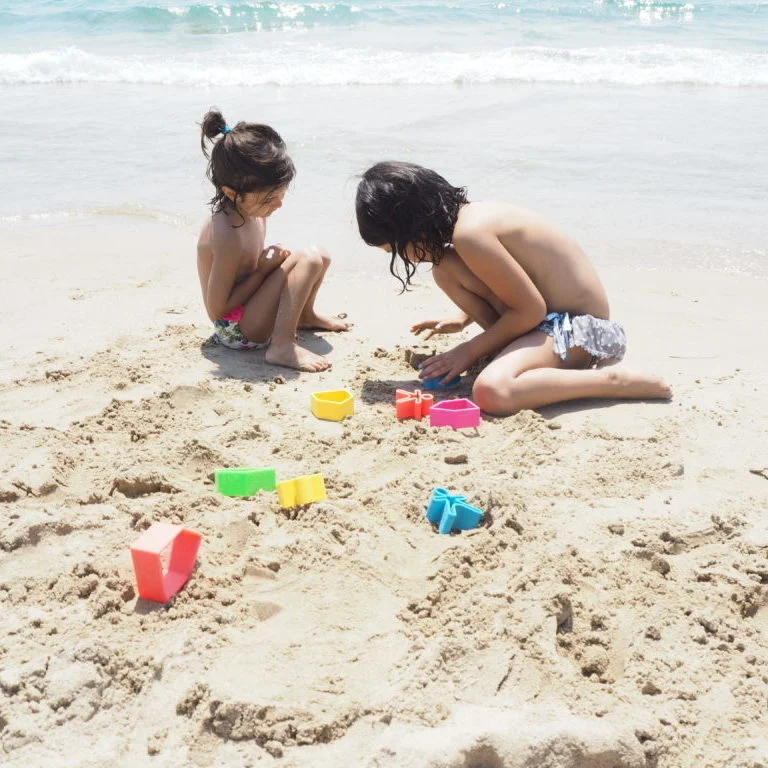
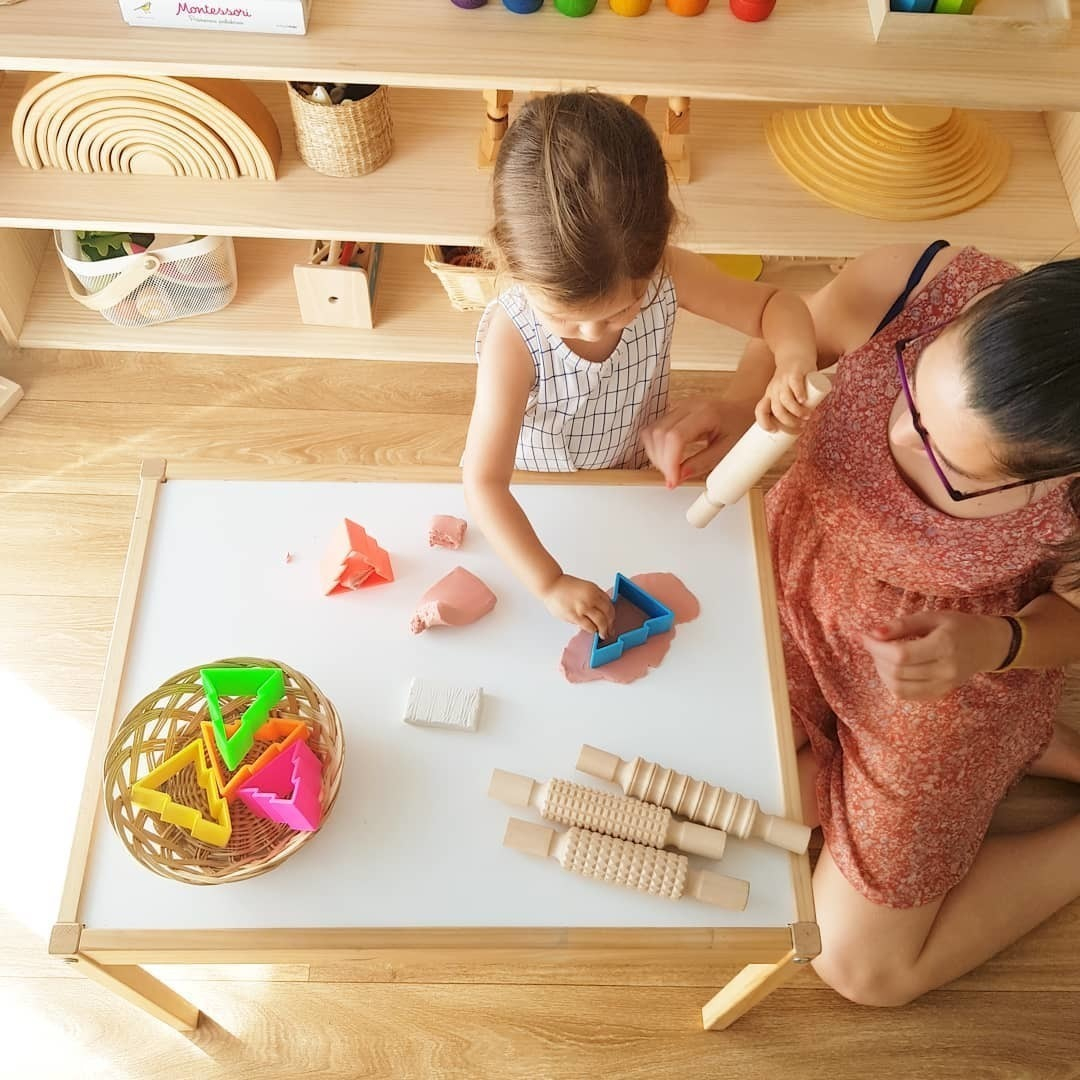
Look for versatile silicone molds. Their soft, flexible nature makes them perfect for little hands to press into sand or dough. The best part? These same molds are often oven-safe, so you can use them in the kitchen to make fun-shaped cakes or crayons later! This activity helps children recognize shapes and develop creativity.

2. Make Your Own Sculptures

Toys that can be formed and reformed freely are perfect for sharpening a child's fine motor skills and three-dimensional thinking.

While homemade play dough is great, you can also look for high-quality, plant-based modeling dough. These are often made from things like potato starch, making them 100% biodegradable and completely safe for even the youngest artists who might put things in their mouths.

3. Color Stamping

Playing with color stamps is a cheap and easy way to stimulate creativity. All you need is some paper or cardboard and a safe, non-toxic paint or food coloring.

Show your child how to dip their hand into the color and make a handprint on the paper. But don't stop there! Try using other parts of the body, like feet and fingers, or get creative with household objects. The end of a celery stalk or a cut banana stem can produce beautiful, unique shapes.

4. Single-Shape Puzzles

Puzzles are a fantastic way to practice creative thinking while sharpening logic. But instead of a traditional jigsaw, try a single-shape construction set.

These deceptively simple toys consist of multiples of just one shape (like two plus-signs connected). This is the ultimate in open-ended play, as a child can create anything from a flat mosaic to a complex 3D structure. It's a brilliant way to teach children how a simple component can be the foundation for endless possibilities.

5. Arrange the Shapes

Before introducing complex building sets like LEGO, start with something bigger. You can begin with simple, everyday objects like empty food boxes or different-sized plastic bowls, which helps a child begin to recognize sizes and shapes.

When they are ready for the next step, introduce a set of large, soft building blocks. Choose blocks with attractive shapes and colors. Because they are soft, they are safe for toddlers, and their large size makes them easy for little hands to stack, build, and knock down without frustration.

6. Puppet Plays

What little kid doesn't love puppets? This activity is a powerhouse for developing communication skills.

Start by being the puppeteer yourself. Make the puppet "talk" with a funny voice, allowing your child to learn to recognize sounds and story structure. As they get a bit older, give them a puppet and invite them to join the show. Invite them to talk through the puppet. You'll be amazed at the stories they create and the confidence they build.

As you can see, preparing educational and fun activities for your child doesn't have to be expensive or complicated. Enjoy this precious bonding time

A Complete Guide to Your Baby's First Solid Foods

After six months of exclusive breastfeeding or formula feeding, a baby's nutritional needs begin to change. While breastmilk or formula remains their primary source of nutrition, it's time to introduce solid foods. This is an exciting, messy, and incredibly important new chapter in your baby's development.

Signs Your Baby is Ready for Solid Food

Around the 6-month mark, your baby will start giving you clear signals that they are ready for their first foods. Look for these signs of readiness:

  • Good Head Control: They can hold their head up steadily without support.

  • Sits Up Well: They can sit upright with minimal assistance.

  • Shows Interest in Food: They watch you eat with fascination, look at the food on your plate, and may even try to reach for it.

  • Loses the Tongue-Thrust Reflex: They no longer automatically push food out of their mouth with their tongue.

Introducing solids at the right time is key. Too early, and it can interfere with their milk intake; too late, and it can be more difficult for them to accept new textures and may lead to nutritional gaps.

babyLedFood-496120914-770x553-650x428.jpg

What Are the Best First Foods for My Baby?

The journey into solid foods happens in stages. Start slowly and introduce new foods one at a time.

Stage 1: Soft Purées and Mashed Foods

Begin with single-ingredient purées that are soft and easy to swallow. The choices can be iron-fortified baby cereal mixed with breastmilk or formula, or simple mashed foods.

  • Vegetables: Mashed sweet potato, pumpkin, carrots, or peas.

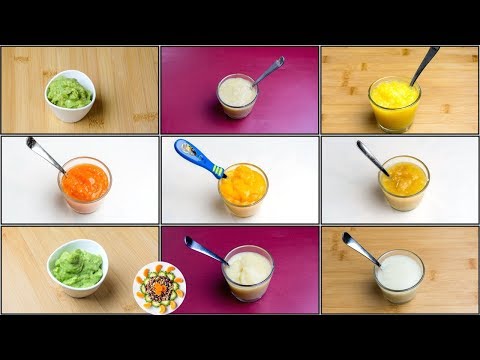
  • Fruits: Mashed banana, avocado, or unsweetened applesauce or pear sauce.

It's recommended to offer a variety of foods rather than just rice cereal to ensure a broad range of nutrients.

Stage 2: Finger Foods for Self-Feeding

Once your baby is comfortable with purées, you can introduce finger foods. These are foods cut into small, graspable pieces that allow your baby to practice self-feeding. Initially, your baby will learn to hold the food and bring it to their mouth. By 8-10 months, they will become much more adept at it.

  • Great finger food options include: Small, soft pieces of banana, avocado, well-cooked pasta, soft cheese, or steamed and softened carrot sticks.

Stage 3: Advanced, More Complex Meals

Once your baby has successfully mastered the first two stages, they can move on to more complex foods and textures. These are foods similar to what the rest of the family is eating, just prepared safely for a baby.

  • Safe options include: Shredded chicken or meat, scrambled or hard-boiled eggs, small pieces of bread, and well-cooked rice. Always ensure the food is soft enough for your baby to mash with their gums to avoid choking.

Building a Healthy Mealtime Routine

  • Learning to Drink from a Cup: After six months, you can start offering water in an open cup or a straw cup. This helps develop their drinking skills and is better for their long-term dental health than sippy cups with hard spouts.

  • Moving to Three Meals a Day: At first, one or two small "meals" a day is plenty. By 8-9 months, you can start offering food three times a day. By their first birthday, most babies are eating three meals a day plus one or two small snacks, just like the rest of the family.

Best Practices for a Happy Feeding Journey

Applying these methods can help you give your baby a positive introduction to food.

  • Choose the Right Moment: Offer food when your baby is in a happy mood—not too hungry, tired, or fussy.

  • Embrace the Mess: Let your baby enjoy touching and holding their food. This sensory play is a crucial part of their learning process.

  • Encourage Independence: When your baby shows an interest in eating alone, give them the chance to use their hands or a baby-safe utensil.

  • Be Patient and Never Force It: Your job is to offer healthy food; your baby's job is to decide how much to eat. Never force your baby to finish a meal.

  • Keep Up with Milk: Continue to breastfeed or formula-feed on demand. Milk is their main source of nutrition for the first year.

  • Always Supervise: Stay with your baby during all meals to monitor for any signs of choking.

  • Check the Temperature: Ensure any food you serve is clean, fresh, and cooled to a safe temperature.

95ee6fdd24b5f05916674c96985e5981.jpg

Your Baby's First Year: A Guide to 10 Major Developmental Milestones

The first year of a baby's life is a whirlwind of incredible growth. Many important developmental stages are achieved in these first 12 months. While babies throughout the world experience the same stages of development, they each reach them at their own unique time.

So, what kind of amazing abilities will your baby develop from 0-12 months? Here are 10 major milestones to watch for.

10 Milestones in Your Baby's First Year

1. The First Real Smile

After about two months of sleepless nights and endless crying, you get the ultimate reward: your baby’s first real, social smile. They'll start responding to the familiar sound of your voice or your silly faces with a heart-melting grin.

2. The First Laugh

If you are getting tired of just coos and cries, be patient! Around the 4-month mark, your little one will begin to make another, even more delightful sound: laughter! Get ready to play endless games of "peek-a-boo" just to hear that joyous giggle.

3. Sleeping Through the Night

This might be the milestone that new parents await more than any other. While every baby is different, many infants develop the ability to sleep for a long, consistent stretch overnight between 4 and 6 months of age. Hang in there, parents!

4. Rolling Over

Around 4 to 6 months, your baby will likely master their first major motor skill: rolling over. They usually learn to roll from their tummy to their back first. This is their first taste of independent movement and a sign that you'll need to start being extra vigilant during diaper changes!

5. Sitting Up Unassisted

Between 6 and 7 months, your baby will likely develop the core strength to sit up all by themselves. This is a huge game-changer, as it frees up their hands to play and gives them a brand new, upright perspective on the world around them.

6. Trying Solid Foods

The adventure of eating begins at around 6 months! This is when you can start introducing solid foods and letting your baby explore a whole new world of tastes and textures. It's a fun, messy, and essential part of their development.

7. Crawling

Get ready—your baby is on the move! Between 7 and 10 months, most babies start crawling. Whether they do a classic crawl, a "scoot," or an army crawl, this newfound mobility means your little one will be exploring every corner of the house. Time to baby-proof!

8. Pulling Up to Stand

After mastering life on the floor, your baby will look for new heights. Around 9 to 10 months, you'll likely find them using furniture (and your legs) to pull themselves up to a standing position. This is a clear sign that they are building the strength and coordination needed for their first steps.

9. Mastering the Pincer Grasp

Around 9 to 12 months, your baby will refine their fine motor skills by mastering the "pincer grasp"—the ability to pick up small objects between their thumb and forefinger. This is a critical skill for self-feeding small snacks like puffs or peas.

10. Saying the First Words

Perhaps the most anticipated milestone of all! Around their first birthday, many babies will say their first word, which is very often "mama" or "dada." Hearing your baby call for you by name for the first time is a truly unforgettable moment.

Remember, every baby is unique and will reach these milestones on their own timeline. The most important thing is to celebrate each new achievement and enjoy the incredible journey of their first year. If you ever have concerns about your child's development, don't hesitate to speak with your pediatrician.

A child must know that he is a miracle, that since the beginning of the world there hasn’t been, and until the end of the world there will not be, another child like him.
— Pablo Casals
36148038_441744876289194_6390680950107275264_n.jpg

The Ultimate Guide to Choosing a Teether for Teething Pain Relief

Editor's Note:

Please be aware that BabyLux no longer distributes Matchstick Monkey products. This popular article has been updated to serve as a definitive guide on what to look for when choosing the most effective teether to soothe your baby's teething pain.


When your baby is suffering from teething pain, you'll do anything to find a solution. Many of the best and most innovative baby products are born from a parent's direct experience—a mom or dad who couldn't find the perfect tool and decided to create it themselves. This is especially true in the world of teethers.

With so many choices on the market, it can be overwhelming for parents to decide which product is best. While all teethers are designed to soothe sore gums, they come with different features. This guide will help you understand what to look for to find the perfect solution for your little one.

The Ultimate Teether Checklist: What to Look For

To find a teether that is both effective and loved by your baby, look for these key features.

1. Ergonomic Design for Little Hands

A teether should be easy for a baby to hold and manipulate. Look for ergonomically designed products that are lightweight and have handles or shapes perfectly suited for tiny hands. This helps your baby develop motor skills while empowering them to soothe themselves.

2. Doubles as a Teething Gel Applicator

This is a game-changing feature. Some of the most innovative teethers have small, soft bumps on the back of their fun shapes. These bumps are not only great for providing a satisfying texture to chew on, but they are also perfectly designed to hold a small amount of teething gel or granules. This allows you to administer teething medication accurately and painlessly, getting it right to the source of the pain without getting your fingers bitten.

3. Advanced Hygienic Properties

In today's world, hygiene is more important than ever. Look for teethers made from food-grade silicone that incorporates antimicrobial technology. This helps keep the teether hygienically cleaner between washes, inhibiting the growth of microbes and giving parents extra peace of mind.

4. Engaging and Fun Sensory Design

A teether should appeal to your child! Deep colors, satisfying shapes, and playful expressions are all designed to engage your baby's senses. A fun, "Instagrammable" design that looks cute with every outfit is a wonderful bonus that makes a practical item feel special.

How Do I Safely Clean a Silicone Teether?

Proper cleaning is essential. The best teethers are designed to be incredibly easy to clean. For any teether made of 100% FDA-approved, food-grade silicone, you should be able to:

  • Wash it with simple soap and hot water.

  • Place it in the top rack of the dishwasher.

  • Sanitize it in a steam or cold water sterilizer.

Always ensure the teether is BPA-free and made from non-toxic, environmentally friendly materials.

230318_jacobmcfadden_originalteether_lowres_009.jpg

A Parent's Guide to Safe & Stylish Teethers: Why Silicone is Best

Editor's Note:

Please be aware that BabyLux no longer distributes Loulou LOLLIPOP products. We have updated this article to serve as a comprehensive guide on selecting safe, effective, and stylish teething accessories for your baby.


Modern baby goods are being redefined by a new standard: the pursuit of better, cuter, and safer products for every newborn adventure. When it comes to teething, this means a new generation of teethers and pacifier clips that are as stylish and fun as they are safe and soothing.

Gone are the days of boring teething rings. The industry has evolved, with parent-led innovation creating adorable, "chewable" designs that look as good as they feel on a baby's sore gums. The first of their kind were strong, durable, and delightful, shaped like tasty treats such as donuts and ice cream cones, proving that teething accessories could be both effective and incredibly cute.

What Makes a Teether 100% Safe for Your Baby?

When your little one is putting something in their mouth, safety is the number one priority. A truly safe teether is one that is completely free from nasty chemicals. Here is what you should always check for on the product label:

  • 100% Food Grade Silicone: This is the gold standard for teething products. It is non-toxic, durable, and soft on gums.

  • Free from Harmful Chemicals: Ensure the product is explicitly listed as BPA-free, Phthalate-free, Lead-free, Cadmium-free, and PVC-FREE.

  • Original, Safe Designs: Look for products from reputable brands that focus on creating safe, modern designs for babies.

A great tip for extra relief is that many silicone teethers can be chilled in the refrigerator (never the freezer!) to provide cool comfort for teething pain.

How to Properly Clean Silicone Teethers and Pacifier Clips

Silicone is a naturally antimicrobial material, which makes cleaning simple and effective. However, there are important rules to follow to ensure the product's integrity, especially for items with clips or multiple parts.

  • DO wash thoroughly. Before the first use and after each subsequent use, wash with warm, soapy water. This is sufficient to clean the teether or clip.

  • DO NOT sterilize or boil your pacifier clip. The high heat can damage the metal or plastic clip mechanism, making it unsafe.

  • DO NOT microwave your clip for the same reason; it can compromise the clip's components.

The Must-Have Accessory: The Pacifier Clip

A good pacifier clip is one of the most useful accessories for parents on the go. These clips attach securely to clothes, blankets, strollers, or car seats to hold pacifiers, teething rings, or small toys. They are perfect for keeping your baby's favorite item close by and, most importantly, off the dirty floor.

When choosing one, look for clips made with food-grade silicone beads and a secure clasp, ensuring the total length is safe for baby use (typically around 10 inches including the loop).

The Rise of Open-Ended Toys: Why Silicone is a Parent's Top Choice

Editor's Note:

Please be aware that as of 2025, BabyLux no longer distributes Dena products. We have updated this popular article to serve as a general guide on the incredible benefits of open-ended silicone toys, a category we are passionate about.

To discover our current collection of high-quality, creative, and safe toys from our trusted brand partners, please click here to visit our toys category page.


In today's world of parenting, there's a growing movement towards toys that spark creativity and imagination rather than limit them. This is the world of "open-ended play," and at its heart is a special kind of toy that parents are increasingly seeking out. These are high-quality, versatile toys that can be used in countless ways, empowering children to play without rules or instructions.

The options are truly endless. A great open-ended toy can be a teether, a stacking game, a sensory tool for children with special needs, a fun accessory for the beach, and even a mold for baking. The magic is that there is no "right" way to play, giving children the freedom to explore.

What Makes Open-Ended Silicone Toys So Special?

These unstructured toys are powerful tools for the early stimulation of babies and the long-term development of a child's imagination. In fact, the best open-ended toys are foundational STEAM toys, integrating concepts from science, technology, engineering, arts, and math in a fun, hands-on way.

A truly great toy should be safe, fun, and above all, creative!

Many parents love the aesthetic of classic wooden toys, but they aren't always ideal for the youngest children. Babies and toddlers instinctively explore with their mouths, and they love to bite, hit, and throw their toys. This is where high-quality, food-grade silicone shines. It's a durable, yet soft and forgiving material that can stand up to the rigors of authentic play, making it a safer choice for little ones.

The Endless Possibilities of a Single Toy

With a set of open-ended silicone toys, what seems simple at first glance becomes a universe of creative possibilities:

  • For Babies: The soft, flexible material is perfect as a safe teether for soothing sore gums.

  • For Toddlers: They become tools for learning cause and effect. Can they be stacked into a tower? What happens when they are knocked down?

  • For Preschoolers: The figures and shapes are integrated into imaginative play. They can become characters in a story, currency in a make-believe shop, or decorations on a sandcastle.

  • For All Ages: The material is often heat-resistant, meaning it can be used as a baking mold for fun-shaped crayons or cookies, and it's dishwasher-safe for easy cleanup.

Parents can have peace of mind that their child, no matter their age, is playing safely, while children thrive on the freedom to let their creativity run wild.

Ready to Inspire Creative Play?

Investing in open-ended toys is an investment in your child's development. They are the toys that will be reached for again and again, growing with your child for years to come.

Explore our curated collection of innovative and safe toys here.

The Ultimate Guide to Baby Product Distribution in Asia: Partnering with BabyLux

In the rapidly growing Asian market, finding a reliable and experienced partner to distribute your baby products is crucial for success. For retailers, sourcing high-quality, innovative, and safe products is key to winning the trust of discerning parents. That's where BabyLux comes in.

For over nine years, BabyLux has been the leading distributor of premium baby, toddler, and maternity products across Asia. We bridge the gap between exceptional international brands and the Asian market, ensuring that the finest products reach families who want nothing but the best.

Our Philosophy: Luxury and Love for Your Little One

At BabyLux, we believe that every baby deserves a touch of luxury. Our name itself stands for "Luxurious Baby," and this philosophy is at the core of everything we do. We meticulously select award-winning international brands from the USA, Canada, and Europe, bringing their exceptional products to the Asian market.

As parents ourselves, we understand the joys and challenges of raising a child. That's why we only distribute products that we would use with our own families. We are committed to making parenting a joyful and stylish experience.

Why Partner with BabyLux?

We are more than just a distributor; we are a dedicated partner in your success. Whether you are a brand owner looking to expand your reach or a retailer seeking the best products for your customers, BabyLux offers unparalleled support and expertise.

For Brand Owners: Your Gateway to the Asian Market

Extensive Sales Network
We provide access to hundreds of our sales channels across Asia, and this number is growing daily.

Local Expertise
We handle the complexities of trademarks, intellectual property rights, and customs issues, saving you time and resources.

International Sales Experience
We understand the cultural nuances of each Asian market, ensuring your brand resonates with local consumers.

Close Retailer Relationships
We have strong connections with local wholesalers, which reduces your management costs and streamlines the entire distribution process.

Valuable Market Insights
We provide crucial feedback from local wholesalers to help inform and refine your global business strategy.

For Local Distributors and Retailers: Your Source for the Best Products

Complete Marketing Support
We provide a comprehensive marketing database and localized campaigns exclusively for our local distributors.

Logistics and Business Advice
We share our extensive international business experience and offer the best logistics support to help you grow.

Flexible Ordering
We offer a uniquely flexible ordering process that sets us apart from other distributors, making it easier for you to manage inventory.

Shared Experience
We connect our network of distributors to share solutions and strategies for common challenges, fostering a supportive community.

Customer Referrals
We actively introduce potential local customers to our trusted local distributors to help drive your sales.

Keeping Up with Today's Parenting Trends

The world of parenting is always evolving, and so are we. We stay ahead of the curve to ensure our portfolio meets the demands of modern parents. Here are some of the key trends we are seeing:

  • Eco-Friendly and Sustainable Products: Today's parents are increasingly conscious of their environmental impact. We are proud to offer a growing selection of sustainable and non-toxic baby products.

  • Smart Baby Tech: From smart monitors to self-rocking bassinets, technology is making parenting easier and more connected. We are at the forefront of this trend, sourcing the latest in baby tech.

  • Minimalist and Aesthetic Designs: Modern parents are looking for baby products that are not only functional but also fit seamlessly into their stylish homes. We specialize in brands that combine beautiful design with exceptional quality.

Join the BabyLux Family

With offices in Hong Kong, China, Korea, Singapore, Malaysia, Japan, and Vietnam, we offer turnkey market access and deep local insights across all major online and offline channels.

We are committed to building fair, transparent, and long-term relationships with our partners. Our goal is to treat everyone with the same respect and care that we would want for ourselves.

Ready to grow your brand in Asia? Contact us today to learn more about a partnership.

Looking for the best baby products for your store? Browse our brands and see what parents are saying about them in our reviews.

 
We believe that “only parents can solve the needs of new parents”, which is why we choose these brands designed by new parents, and hoping to share with you.
— Wendy, Co-Founder of BabyLux
BabyLux - Luxury for your little one

BabyLux - Luxury for your little one