4 Stages of Brain-Boosting Play: Must-Have Essentials for Your Baby's Development

Every parent wants to give their child the best possible start in life. But what does that actually mean when it comes to toys and play? The most impactful "educational" toys are not about letters and numbers; they are about providing the right kind of stimulation at the right stage of brain development.

As experts in developmental play, we've broken down a child's first years into four key stages. Here is your playbook for choosing the perfect, brain-boosting essentials for each phase.

Stage 1: The Sensory Explorer (0-6 Months)

At this stage, a baby's brain is a sensory processing machine. They are learning about the world entirely through touch, sight, sound, and taste. Your goal is to provide safe, simple, and stimulating sensory input.

  • Developmental Focus: Building neural connections through sensory experiences, developing focus and tracking with their eyes, and exploring objects with their mouth and hands.

  • Must-Have Essentials:

    • High-Contrast Books & Mobiles: A newborn's vision is still developing, so they are most engaged by simple, high-contrast black-and-white patterns.

    • A High-Quality Play Gym: This is your baby's first "office." Look for one with arches that allow you to hang a variety of interesting toys for them to look at and eventually bat at.

    • The Perfect First Toy: A baby's first toy must be 100% safe for mouthing. We recommend the award-winning, Swiss-designed toys from MOLUK. Made from food-grade silicone, their unique, tactile shapes (like the Nigi, Nagi, & Nogi) are perfect for tiny hands to grasp and explore, providing a rich sensory experience.

Stage 2: The Cause-and-Effect Scientist (6-12 Months)

Your baby is now starting to understand that they can make things happen! They drop a spoon and you pick it up (a fun game!). They shake a rattle and it makes a sound. This is the dawn of intentional action and problem-solving.

  • Developmental Focus: Understanding cause and effect, developing fine motor skills (like the pincer grasp), and object permanence (knowing something exists even when they can't see it).

  • Must-Have Essentials:

    • Stacking Rings & Nesting Cups: These classic toys are perfect for learning about size, sequence, and how objects fit together.

    • Puzzles with Large Knobs: A simple wooden puzzle with 3-4 large, easy-to-grasp pieces helps develop problem-solving skills and hand-eye coordination. For a modern, art-led approach, the "My First Puzzle" series from Mudpuppy is an excellent choice.

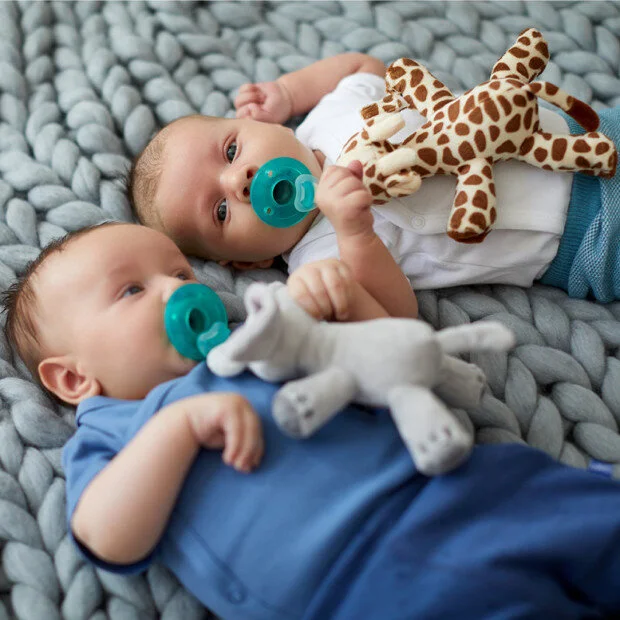
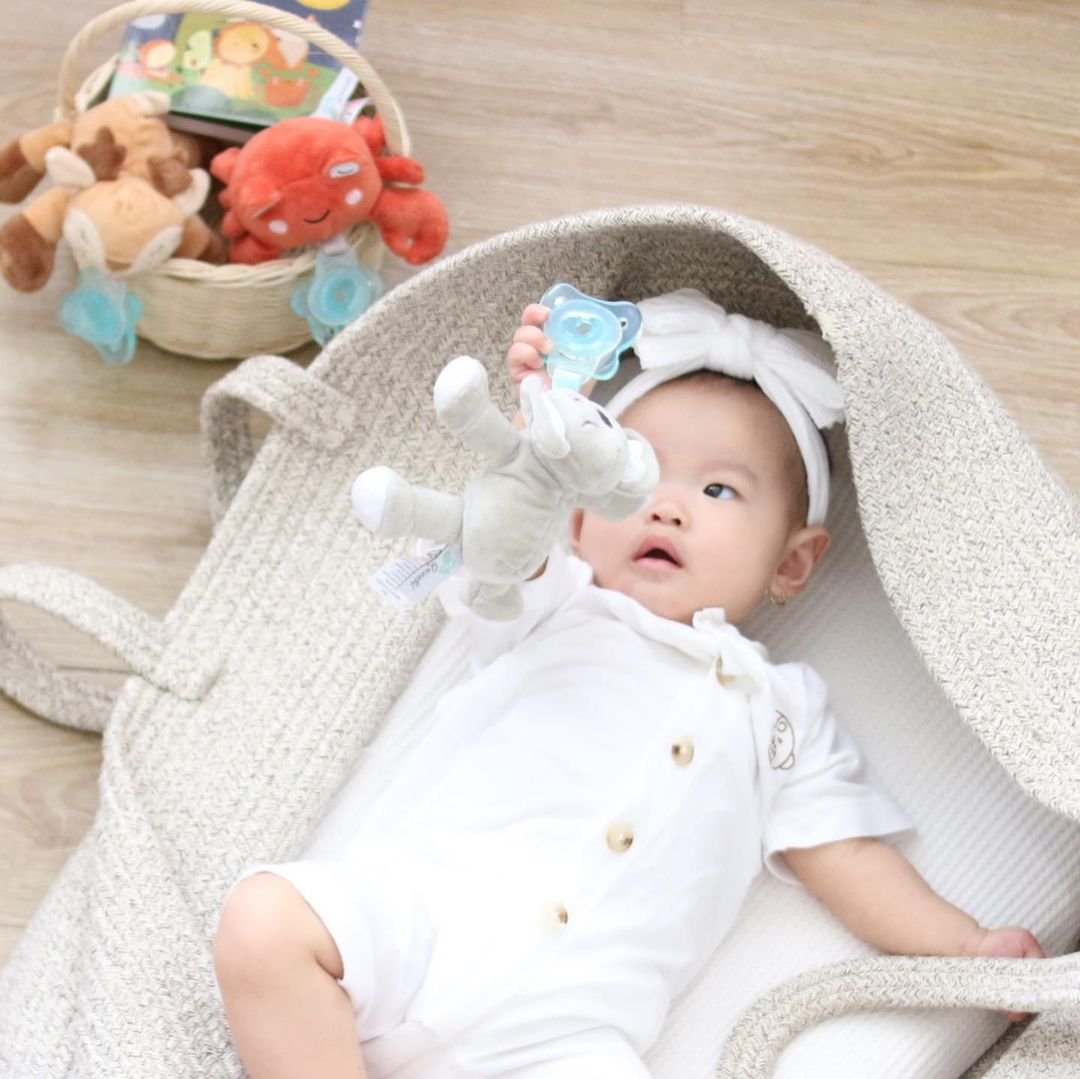
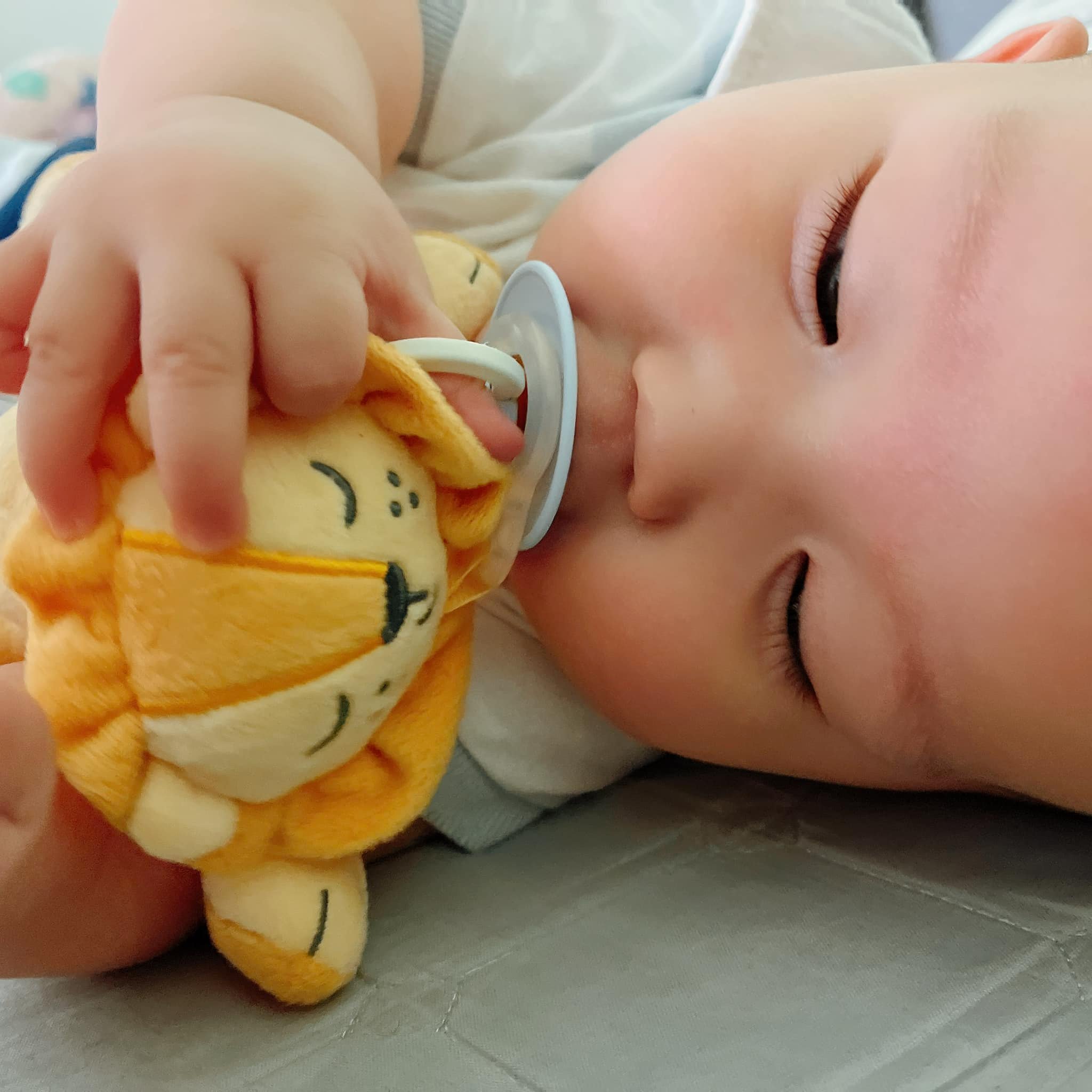
    • A "Smarter" Pacifier Holder: The constant game of "drop the pacifier" can be solved with a clever tool like the Queebi Pacibuddy. It's a developmental toy in its own right, helping a baby learn to find and replace their own soother, a key self-soothing skill.
Stage 3: The Little Builder & Problem-Solver (1-2 Years)

Your toddler is now mobile and ready for more complex challenges. Their play becomes more purposeful. They aren't just knocking things down; they are trying to build things up. Their fine motor skills are exploding, and they are ready for their first real construction toys.

  • Developmental Focus: Developing spatial reasoning, honing fine motor skills, and engaging in early creative construction.

  • Must-Have Essentials:

    • First Building Blocks: This is the age for first-generation building toys. Look for sets with larger pieces that are easy for small hands to connect. The Plus-Plus BIG size is perfect for this stage, allowing toddlers to create vibrant 2D mosaics and simple 3D structures.

    • The First "Tablet": Not an iPad! A magnetic drawing board allows for endless, mess-free creativity, helping them practice the motions they will one day use for writing.

    • Tactile Numbers: Introduce early numeracy concepts with a hands-on tool. The award-winning tiles from Newmero are designed to help children feel and understand numbers, turning an abstract concept into a physical, playful experience.

Stage 4: The Imaginative Engineer (2-3+ Years)

Your child's imagination is now boundless. They are capable of complex pretend play and are ready for tools that allow them to bring their biggest ideas to life. This is the golden age of engineering play.

  • Developmental Focus: Complex problem-solving, collaborative play, storytelling, and translating abstract ideas into physical creations.

  • Must-Have Essentials:

    • Advanced Construction Toys: Introduce more complex building systems. The flexible, magnetic pieces from Clixo merge origami with construction, while the standard-sized Plus-Plus allows for incredibly detailed creations.

    • Real-World Engineering Tools: There is nothing more powerful than turning recycled materials into a life-sized creation. The award-winning toolsets from Makedo provide kid-safe saws and connectors that empower children to transform simple cardboard into forts, cars, and robots they can actually play in. It's the ultimate engineering experience.

    • Immersive Learning Kits: For the child fascinated by "how things work," the AR/VR science kits from Abacus Brands are a game-changer. They bring complex topics like chemistry or anatomy to life in an exciting, interactive way that feels like magic.

    • The multi-award winning Bilibo is widely regarded as one of the most innovative and versatile open-ended toys. Deceptively simple and magically attractive, Bilibo's iconic shell shape and bright colors immediately appeal to children. Bilibo arouses curiosity, engages the imagination and playfully trains basic motor skills and balance. Both boys and girls find unlimited ways to play with Bilibo – using it to rock and spin in, hide under, sit on, tote with and peek through. Bilibo provides hours of fun, indoors and outdoors - all year round.

Photo from Instagram
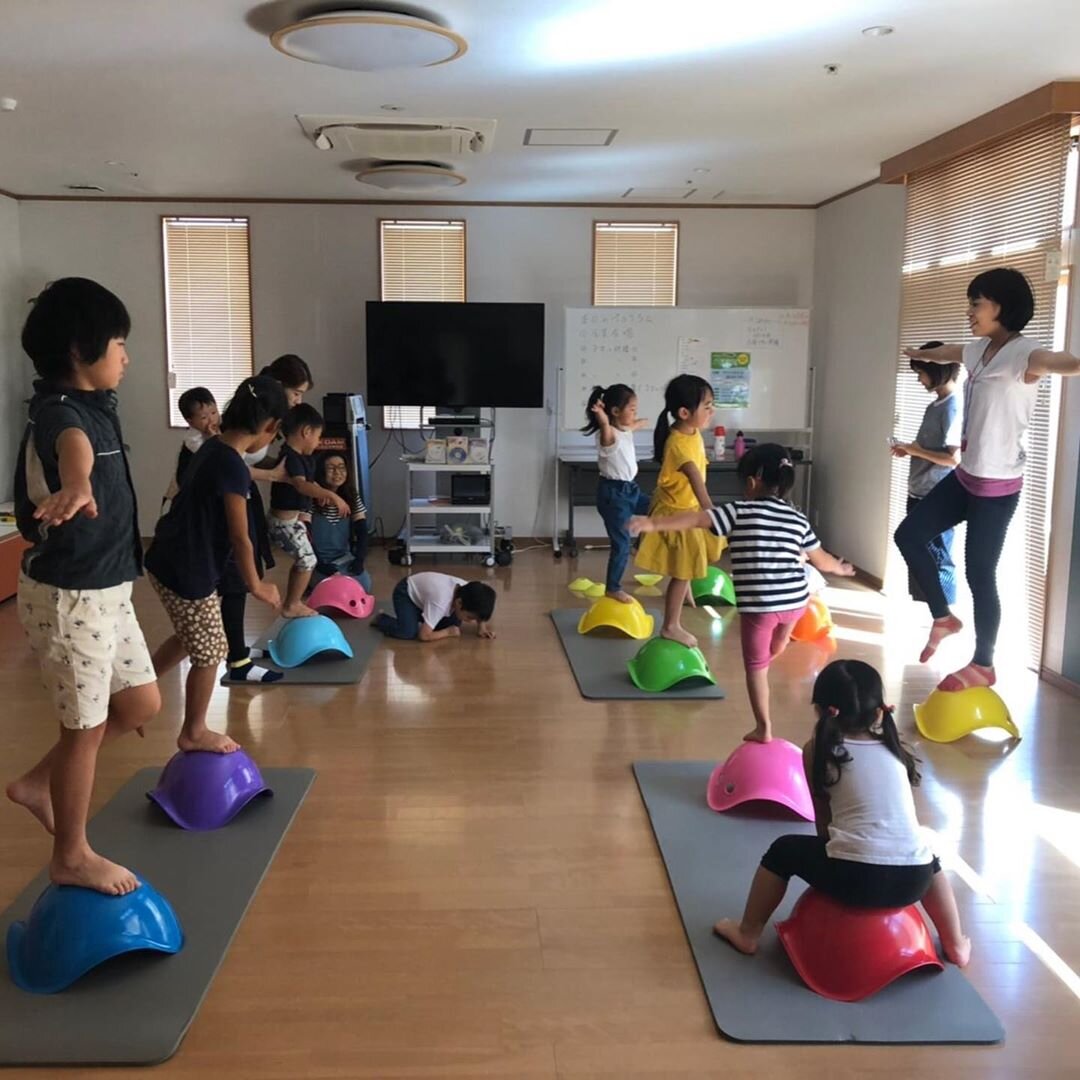
Photo from Instagram
Bilibo Pitales
Bilibo Pilates

Grabease 2021 new product: Big Kids Utensils Set and Cup Set

You must know Grabease - the first infamous ergonomic utensils brand. After launching toothbrush, all-over bibs, and silicone bowl last year, this year Grabease has launched utensils set for bigger kids and sippy & straw convertible cup set. In this article we will give you a quick introduction about these 2 new comers.


Spoutless sippy & straw convertible cup set

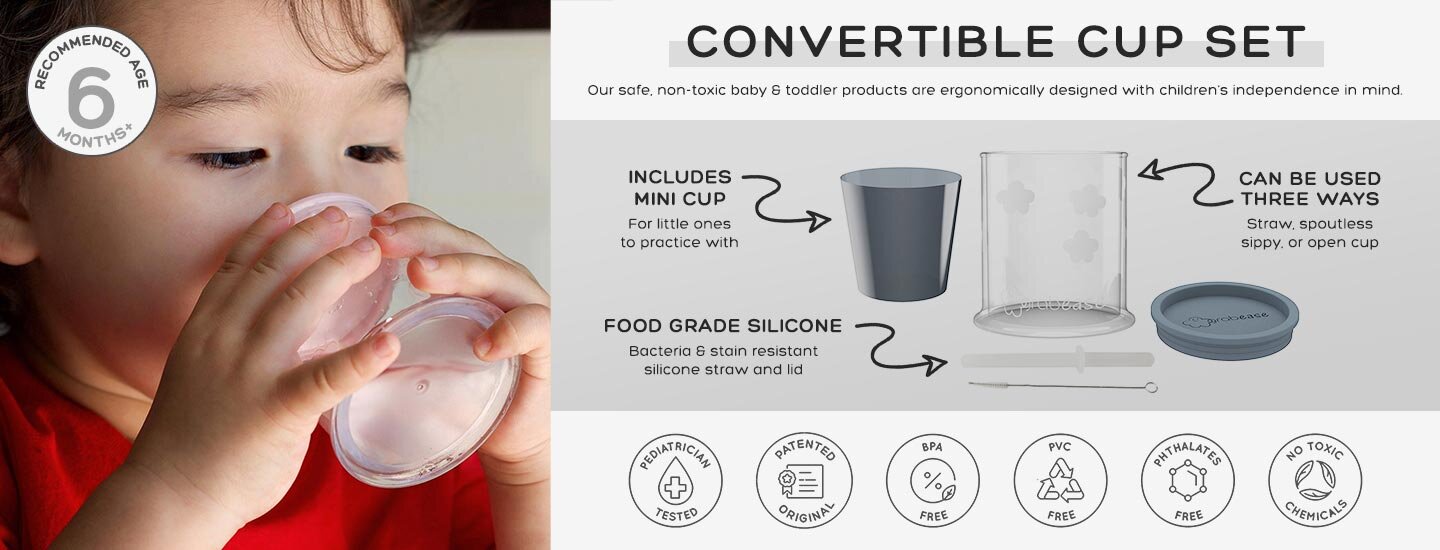
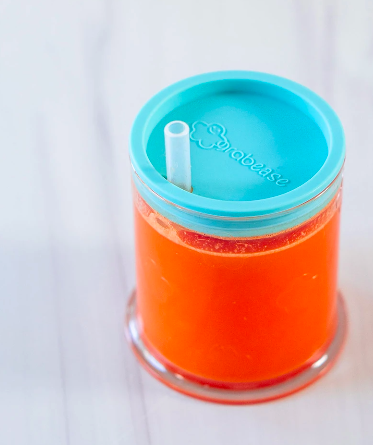
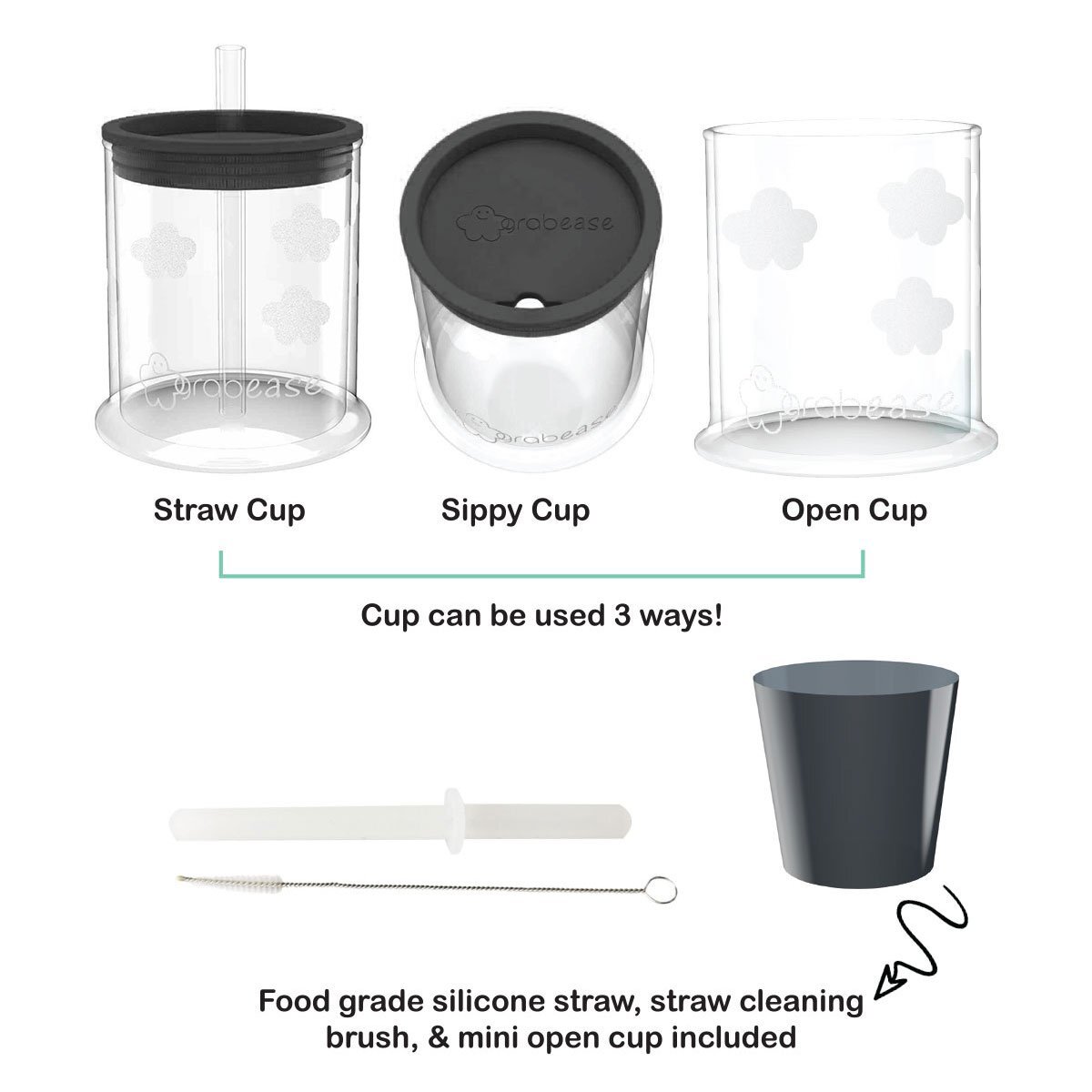
Includes clear cup, silicone sippy lid, straw, cleaning brush & mini open cup

cup_collection-hero_998b3773-0a0c-46fe-b0e5-cbf3d6210006_1440x.progressive.jpg

Grabease created a cup that offers 3 options of use, as we never know what will suit our little one best. Some do great with a straw, while others prefer sippy cups. Grabease cup set helps baby transition from one stage to another.

Grabease consulted with occupational therapists and feeding specialists to come up with the perfect cup with toddlers' perspectives in mind.

Screen Shot 2021-07-13 at 1.55.48 PM.png

Clear cup is designed to allow baby to see what they are drinking. When your little one is able to see the liquid in the cup, visual feedback helps them understand that the liquid is pouring into their mouth as they tilt their cup. The textured pattern enhances grasp sensory awareness, and when your little one is able to see the liquid in the cup, visual feedback helps them understand that the liquid is pouring into their mouth as they tilt their cup.

The food grade silicone lid and straw are resistant to all bacteria, odors, and stains. Use the included straw cleaning brush to thoroughly clean the straw after use.

Product basic information:

  • Available colors: Teal, Blush, Gray

  • Suitable for 6+ months

  • BPA-free, phthalate-free, lead and pvc-free

  • Dishwasher safe.

Screen Shot 2021-07-13 at 1.49.20 PM.png
 

Stainless steel fork, knife & spoon set

aka big kids utensils

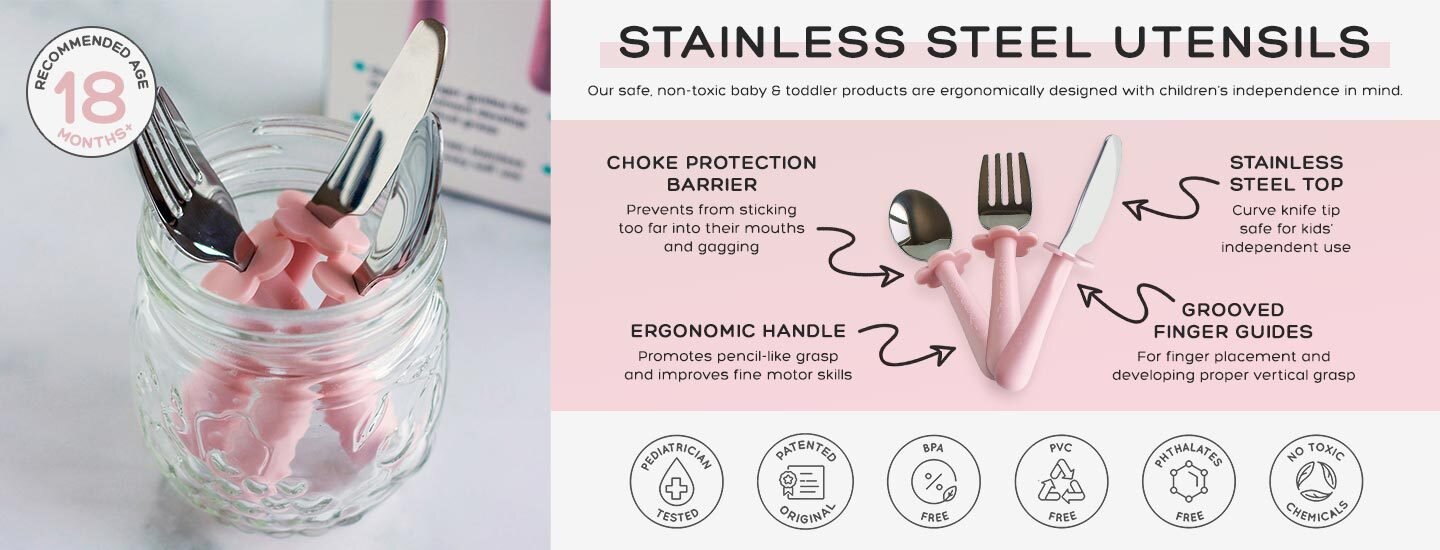
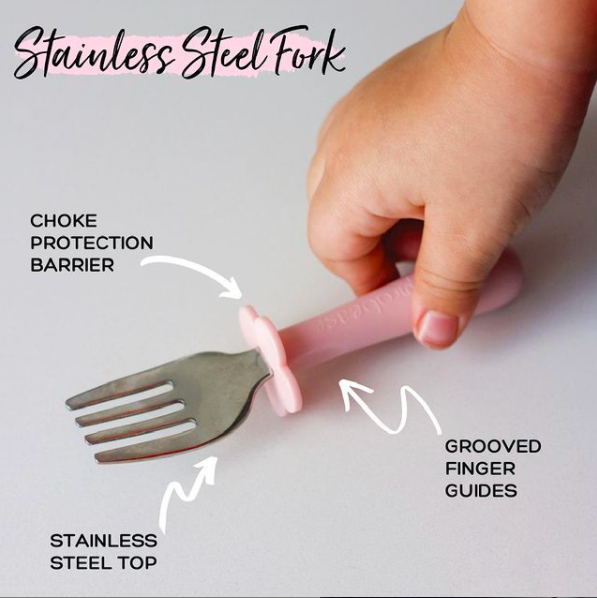
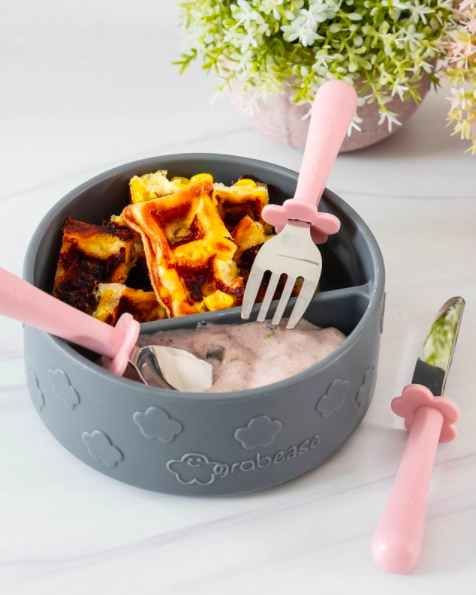
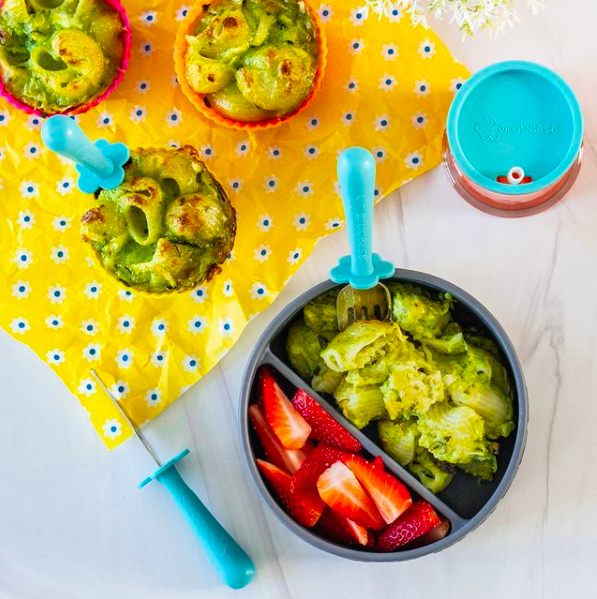
As Grabease family grew larger, they were asked to develop the next stage of ergonomic utensils. Grabease 2.0 includes a thinner handle with grooved finger guides to encourage proper pencil-like grasp. The trio set includes a fork, spoon, and knife with a curved tip for safe self-use.

Grabease big kids utensils set is ergonomically designed to safely nurture independence in little ones ready to meet their next self-feeding developmental milestone. Using this set will also help strengthen their fingers while encouraging proper pencil grasp development. Recommended by occupational therapists and feeding specialists, Grabease utensils are the perfect learning tool for baby led weaning and beyond!

Product basic information:

  • Available colors: Teal, Blush, Gray

  • BPA-free, phthalate-free, lead and pvc-free

  • FDA-tested safe

  • Suitable for 18+months

  • Dishwasher safe.

Screen Shot 2021-07-13 at 1.48.30 PM.png

How to help my baby develop their pincer grasp?

It is thrilling to see your baby accomplish developmental milestones! While most parents look for common ones like ‘rolling over’ or ‘walking’, a multitude of them are cited by the American Academy of Pediatrics. Pincer grasp is one of them. According to Claire Lerner, “Getting the pincer grasp is one of the biggest keys to independence. Eventually, a child will use this grasp to do essential things like feed and dress herself and brush her teeth.”

Holding your finger also can shown your baby is developing pincer grasp.

Holding your finger also can shown your baby is developing pincer grasp.

What is the pincer grasp?

Basically, the pincer grasp is the coordination of the index finger and thumb to hold an item. It helps your little one understand how to pick up things. Once they learn to use pincer grasp or pincer grip, they can successfully feed theirselves with fingers and even can use a spoon. We use pincer grasp daily - when we're holding a pencil, buttoning a shirt, and picking up small objects.

Babies usually develop their pincer grasp between the ages of 9 to 12 months. As babies start to use the pincer grasp, it represents development of other fine motor skills that involve muscles in their hands, strength, and hand-eye coordination.

Pincer grasp development
Source: Growing Handson Kids

Source: Growing Kids

How can I help my babies when they developing pincer grasp?

We can help baby's progress by allowing them to play with (appropriate) small items and toys and letting them self-feed. Their pincer grasp can be developed as they play with toys that require them to squeezed, pushed together, pulled apart, picked up, etc. These actions later progress into ones such as painting, coloring, writing, tying their shoes, and other skills.

You might already know that Grabease's original ergonomic utensils are designed to develop children's independence. How exactly do they do that though? Well, one way is through their ergonomic handle, which is shaped and sized specifically to help develop your little one's pincer grasp.

Left side: stage 2 utensils for 6 months up ; right side: stage 1 utensils for 3 months up - made with 100% food grade silicone.

Left side: stage 2 utensils for 6 months up ; right side: stage 1 utensils for 3 months up - made with 100% food grade silicone.

utilRequest (1).jpeg

Pincer grasp activities for baby

  • Play with blocks (read more about playing with blocks here)

  • Turning pages of a book - start with board books and gradually introduce books with thinner pages

  • Finger foods or you also known as BLW

  • Any activity or toy that promotes squeezing or pinching movements

Pincer grasp activities for toddler

How is the pincer grasp and baby led weaning related? 

Good question - both involve hand eye coordination and babies can use the pincer grasp as they feed themselves when they pick up food and use their utensils. The pincer grasp does not need to be fully developed in order to start baby led weaning. Rather, baby led weaning is just another activity that can help your little one develop that skill!

Encouraging the pincer grasp skill simply means allowing the little explorer to investigate a lot with fingers. Let her enjoy touching and manipulating toys or household objects.

Read more: History of Grabease - What make Grabease so special?

BLW and pincer grasp
utilRequest.jpeg

Wondering which hand is the correct hand for baby to use?

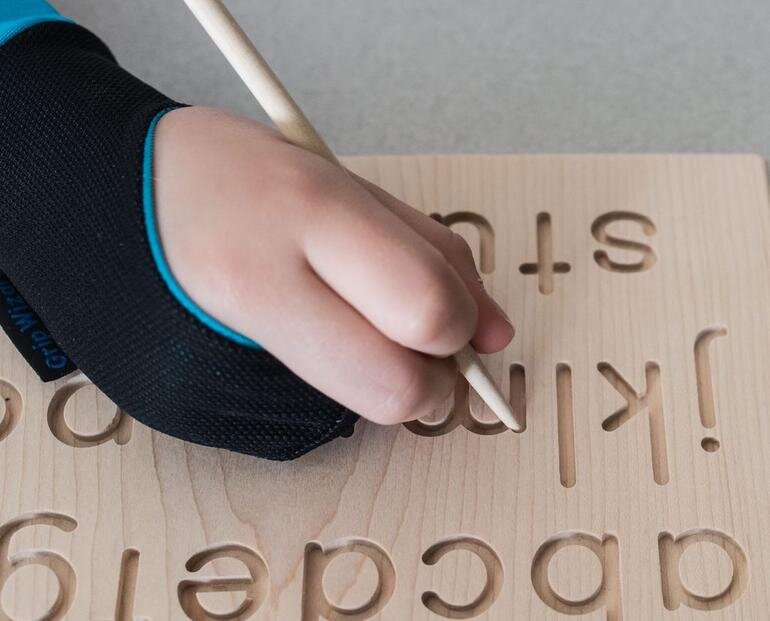
Now is NOT the time for babies to develop a hand preference. Why? Because by learning to use either hand means baby is also using BOTH sides of her brain. Very young children often use both hands equally. Most children have a preference for using one hand or the other by the age of about 18 months, and are definitely right or left-handed by about the age of three.

We’re focusing on brain development (rather than developing hand dominance, typically seen closer to age three or even four) so parent proactively & encourage baby to learn to fork with both hands.

What happens after the pincer grasp development?

Once the pincer grasp is developed, grasping becomes precise. Babies explore more by shaking, moving, throwing, and rotating. Mouth is no longer their primary sensory preceptor. They use both the hands to determine the size, hardness, texture, weight, and other properties.

Pincer grasp helps in later activities such as writing, coloring with crayons, cutting with scissors, and so on. The child’s preference for using left or right hand emerges slowly, although it can completely develop by two or three years.

Read more: Baby essentials that is important for your children's development

pincer_grasp_770x.progressive.jpg

Welcoming you to be part of BabyLux family, if you want to be baby products distributors but not sure where to start, drop us a message!

Modified from Grabease blog post.