The Ultimate Checklist: 10 Must-Have Essentials for Baby's First 3 Years

Bringing a new life into the world is a beautiful journey. As your baby grows from a tiny newborn to an adventurous toddler, certain essentials become indispensable. But beyond just "having" the items, knowing what to look for makes all the difference.

This is our definitive guide to the ten must-have items for the first three years, complete with expert tips to help you choose the best for your family.

1. Swaddle Blankets

A swaddle blanket provides comfort and security by mimicking the warmth and coziness of the womb.

  • What to look for: Choose large blankets (at least 47x47 inches) made from soft, breathable materials like bamboo rayon or organic cotton muslin. The stretchiness of these fabrics allows for a snug, secure swaddle that your baby won't easily kick off.

2. Truly Educational Toys

Age-appropriate toys are crucial for stimulating cognitive development. The best toys are open-ended, meaning they can be played with in countless ways.

  • What to look for:

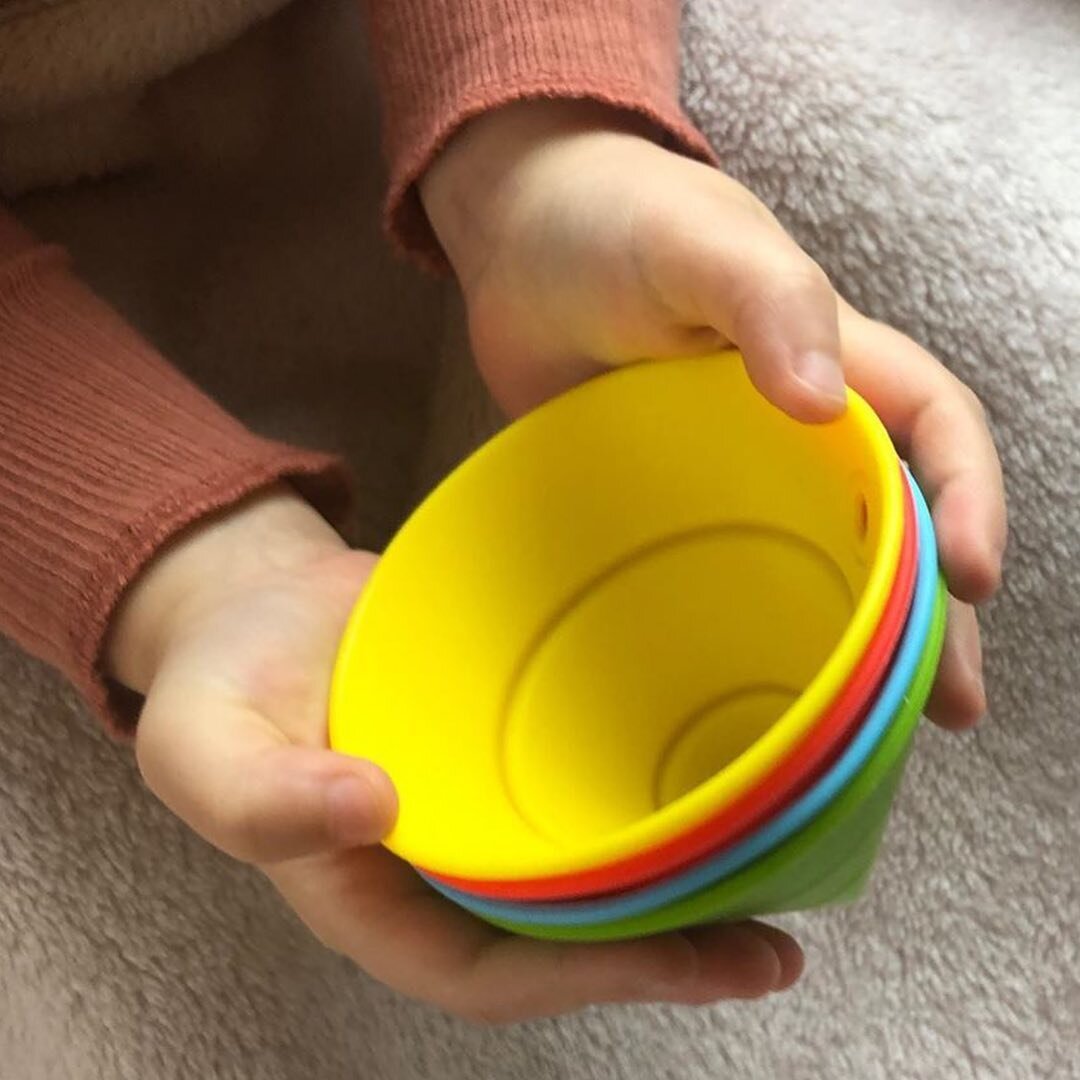
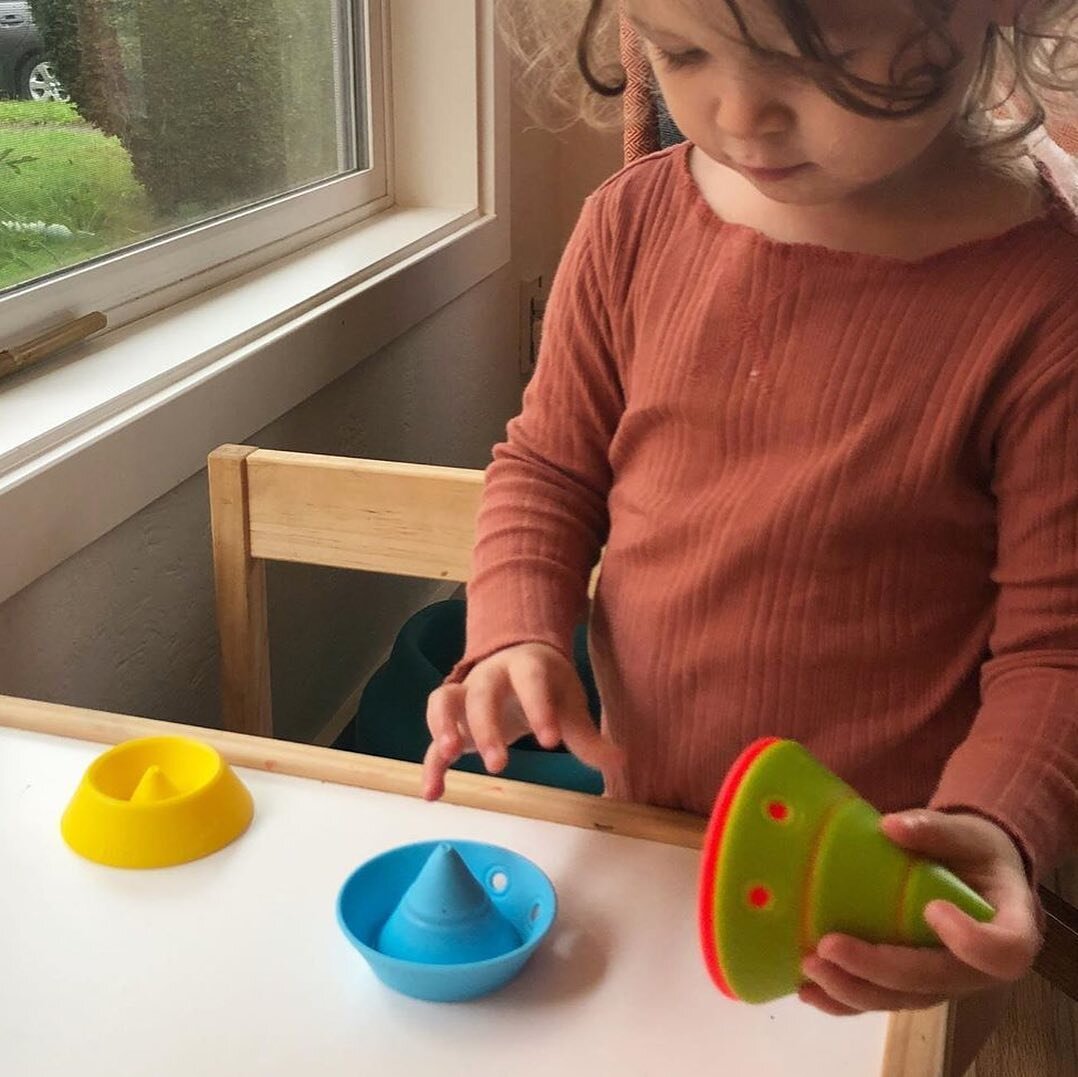
    • For Sensory Exploration: Start with toys made from safe, high-quality materials that engage the senses. The innovative, award-winning toys from MOLUK are perfect, with unique shapes and textures designed to spark a baby's curiosity.

    • For Building and Construction: As your child grows, introduce building toys that develop fine motor skills and spatial reasoning. The single-shape brilliance of Plus-Plus or the flexible magnetic designs of Clixo are fantastic tools for nurturing a budding engineer.

3. High-Quality, Safe Tableware

When you start solids, invest in durable tableware designed for little ones.

  • What to look for: Always choose BPA-free, non-toxic materials like food-grade silicone or bamboo. The most essential feature for bowls and plates is a strong suction base to keep them firmly on the high chair tray, reducing mess and frustration.

4. A Reliable Stroller

A good stroller is your ticket to the outside world.

  • What to look for: Consider a "travel system" for the infant stage, which allows you to click your car seat directly onto the stroller. As your child gets older, you'll also appreciate having a second lightweight, collapsible umbrella stroller for quick trips and travel.

5. A Properly Installed Car Seat

Safety is non-negotiable. A car seat is the most important piece of safety equipment you will buy.

  • What to look for: Ensure the car seat is appropriate for your child's age, weight, and height, and that it is installed correctly in your vehicle according to the manufacturer's instructions. Always start with a rear-facing model.

6. A Well-Organized Diaper Bag

This bag will be your mobile command center.

  • What to look for: Choose a bag with plenty of pockets for organization, a wipeable exterior for easy cleaning, and straps that can attach to your stroller. Remember, you'll be carrying it everywhere, so pick a style you love! For soothing on the go, a pacifier holder like the Queebi Pacibuddy is a diaper bag essential.

7. A Modern Baby Monitor

A baby monitor provides peace of mind and convenience, allowing you to keep an eye on your child while they sleep.

  • What to look for: Modern monitors offer both audio and video capabilities, often streaming directly to an app on your phone. Look for features like night vision, temperature sensors, and two-way talk.

8. Childproofing Supplies

As soon as your baby becomes mobile, your home becomes an obstacle course.

  • What to look for: Start with the basics: outlet covers, cabinet locks, furniture anchors, and safety gates for stairs. Get down on your hands and knees to see the world from your baby's perspective to spot potential hazards.

9. A Convertible Crib

A convertible crib is a smart long-term investment.

  • What to look for: Choose a crib that transforms from a newborn bassinet to a standard crib, and then into a toddler bed. This single piece of furniture can adapt to your child's growth through their first three years and beyond.

10. A Library of Child-Friendly Books

Building a love for reading begins on day one.

  • What to look for: Start with high-contrast board books or soft cloth books for infants. As they grow into toddlers, introduce beautiful picture books and puzzles. The stunning, art-led puzzles and books from Mudpuppy are perfect for cultivating a child's visual literacy and love for reading.

Remember that every child is unique, so your specific needs may vary. These essentials provide a solid foundation for a safe, nurturing, and stimulating environment as your baby grows into a curious and active toddler.

4 Stages of Brain-Boosting Play: Must-Have Essentials for Your Baby's Development

Every parent wants to give their child the best possible start in life. But what does that actually mean when it comes to toys and play? The most impactful "educational" toys are not about letters and numbers; they are about providing the right kind of stimulation at the right stage of brain development.

As experts in developmental play, we've broken down a child's first years into four key stages. Here is your playbook for choosing the perfect, brain-boosting essentials for each phase.

Stage 1: The Sensory Explorer (0-6 Months)

At this stage, a baby's brain is a sensory processing machine. They are learning about the world entirely through touch, sight, sound, and taste. Your goal is to provide safe, simple, and stimulating sensory input.

  • Developmental Focus: Building neural connections through sensory experiences, developing focus and tracking with their eyes, and exploring objects with their mouth and hands.

  • Must-Have Essentials:

    • High-Contrast Books & Mobiles: A newborn's vision is still developing, so they are most engaged by simple, high-contrast black-and-white patterns.

    • A High-Quality Play Gym: This is your baby's first "office." Look for one with arches that allow you to hang a variety of interesting toys for them to look at and eventually bat at.

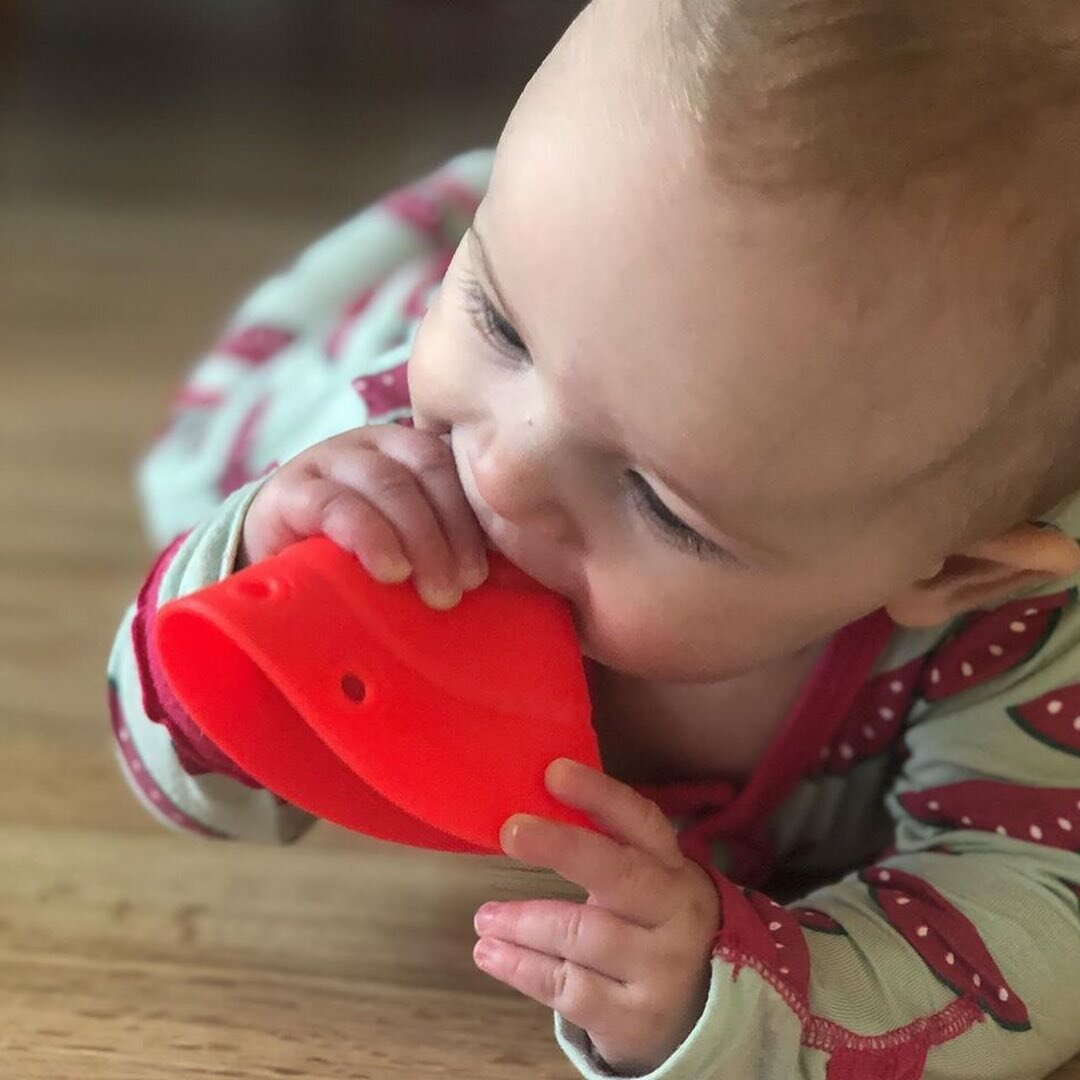
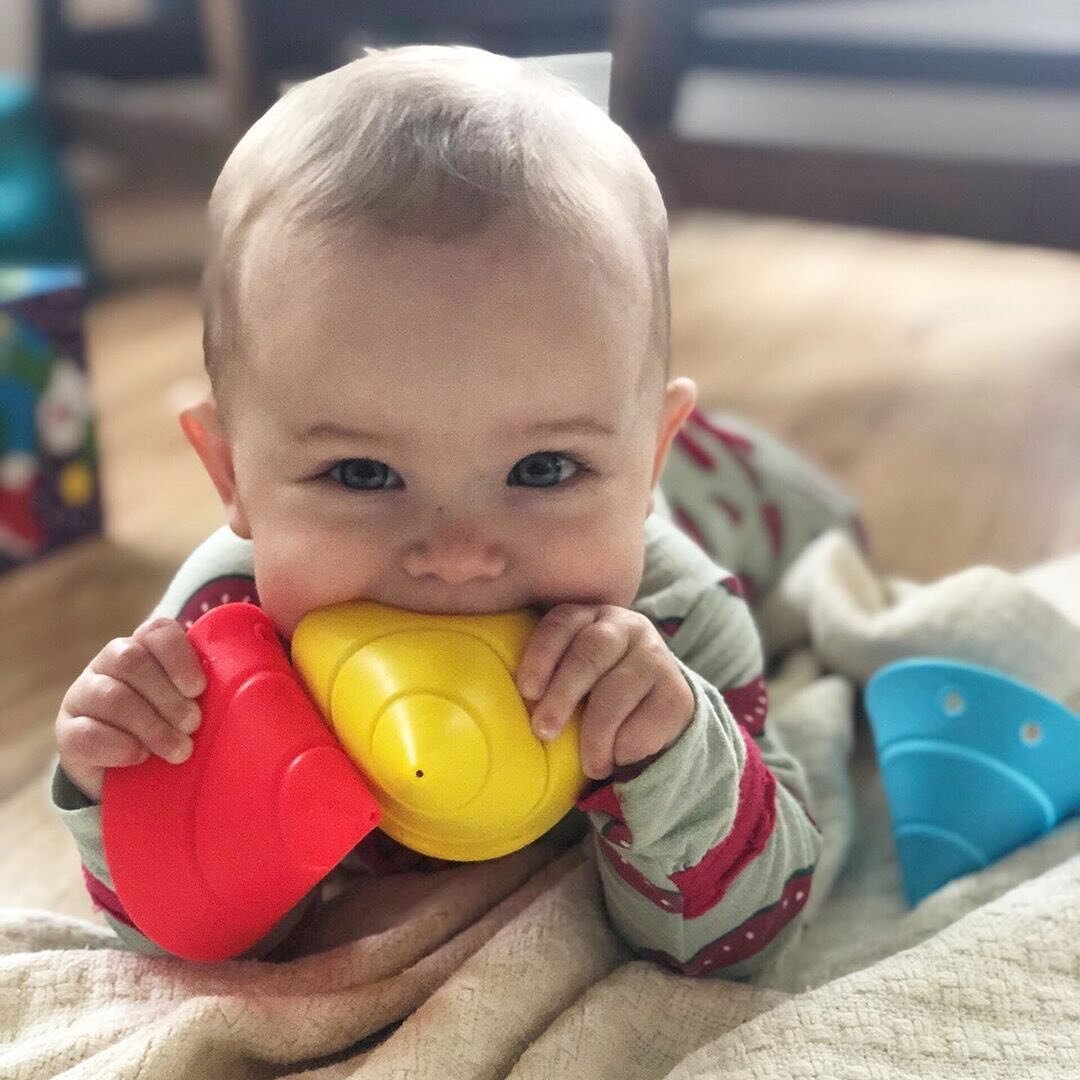
    • The Perfect First Toy: A baby's first toy must be 100% safe for mouthing. We recommend the award-winning, Swiss-designed toys from MOLUK. Made from food-grade silicone, their unique, tactile shapes (like the Nigi, Nagi, & Nogi) are perfect for tiny hands to grasp and explore, providing a rich sensory experience.

Stage 2: The Cause-and-Effect Scientist (6-12 Months)

Your baby is now starting to understand that they can make things happen! They drop a spoon and you pick it up (a fun game!). They shake a rattle and it makes a sound. This is the dawn of intentional action and problem-solving.

  • Developmental Focus: Understanding cause and effect, developing fine motor skills (like the pincer grasp), and object permanence (knowing something exists even when they can't see it).

  • Must-Have Essentials:

    • Stacking Rings & Nesting Cups: These classic toys are perfect for learning about size, sequence, and how objects fit together.

    • Puzzles with Large Knobs: A simple wooden puzzle with 3-4 large, easy-to-grasp pieces helps develop problem-solving skills and hand-eye coordination. For a modern, art-led approach, the "My First Puzzle" series from Mudpuppy is an excellent choice.

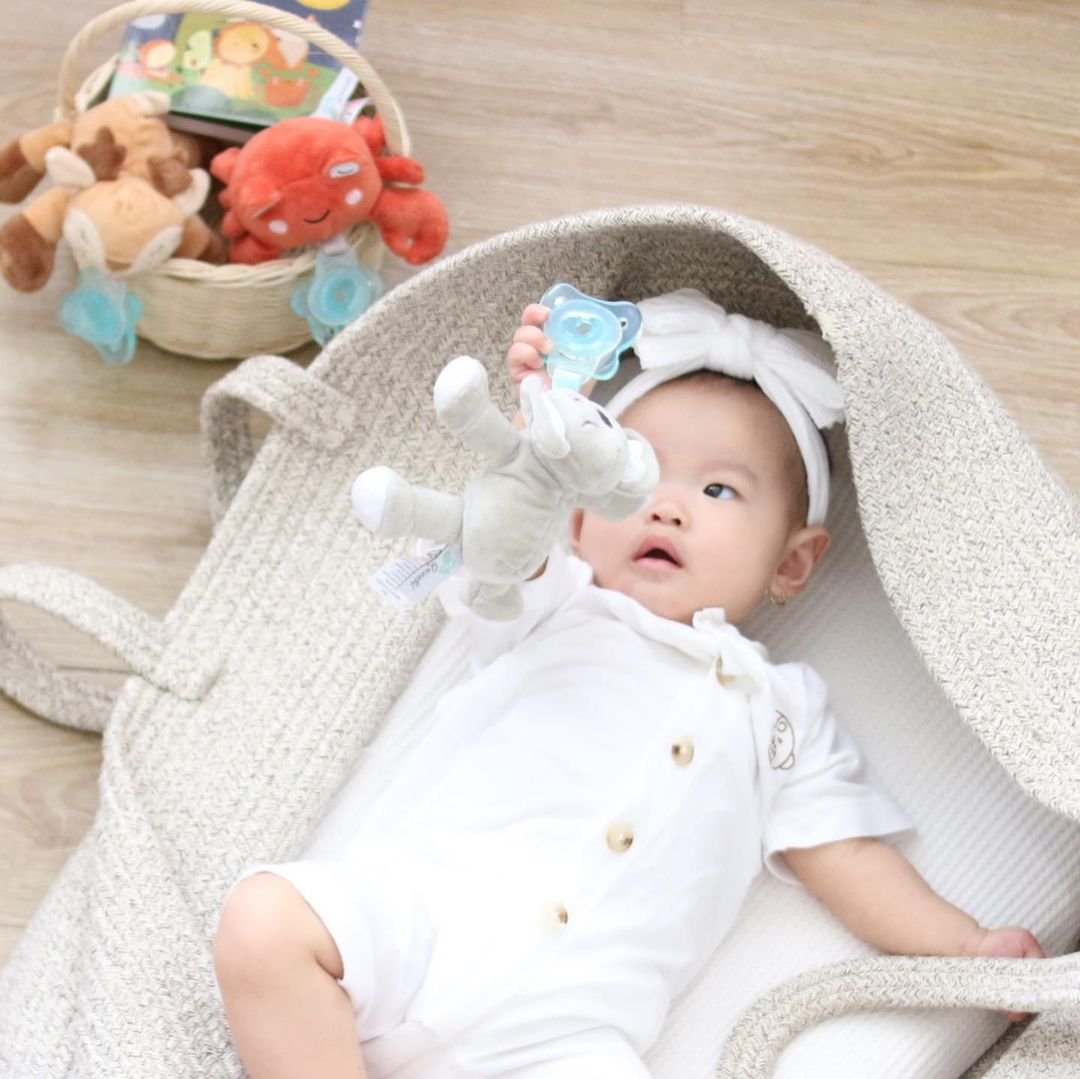
    • A "Smarter" Pacifier Holder: The constant game of "drop the pacifier" can be solved with a clever tool like the Queebi Pacibuddy. It's a developmental toy in its own right, helping a baby learn to find and replace their own soother, a key self-soothing skill.

Stage 3: The Little Builder & Problem-Solver (1-2 Years)

Your toddler is now mobile and ready for more complex challenges. Their play becomes more purposeful. They aren't just knocking things down; they are trying to build things up. Their fine motor skills are exploding, and they are ready for their first real construction toys.

  • Developmental Focus: Developing spatial reasoning, honing fine motor skills, and engaging in early creative construction.

  • Must-Have Essentials:

    • First Building Blocks: This is the age for first-generation building toys. Look for sets with larger pieces that are easy for small hands to connect. The Plus-Plus BIG size is perfect for this stage, allowing toddlers to create vibrant 2D mosaics and simple 3D structures.

    • The First "Tablet": Not an iPad! A magnetic drawing board allows for endless, mess-free creativity, helping them practice the motions they will one day use for writing.

    • Tactile Numbers: Introduce early numeracy concepts with a hands-on tool. The award-winning tiles from Newmero are designed to help children feel and understand numbers, turning an abstract concept into a physical, playful experience.

Stage 4: The Imaginative Engineer (2-3+ Years)

Your child's imagination is now boundless. They are capable of complex pretend play and are ready for tools that allow them to bring their biggest ideas to life. This is the golden age of engineering play.

  • Developmental Focus: Complex problem-solving, collaborative play, storytelling, and translating abstract ideas into physical creations.

  • Must-Have Essentials:

    • Advanced Construction Toys: Introduce more complex building systems. The flexible, magnetic pieces from Clixo merge origami with construction, while the standard-sized Plus-Plus allows for incredibly detailed creations.

    • Real-World Engineering Tools: There is nothing more powerful than turning recycled materials into a life-sized creation. The award-winning toolsets from Makedo provide kid-safe saws and connectors that empower children to transform simple cardboard into forts, cars, and robots they can actually play in. It's the ultimate engineering experience.

    • Immersive Learning Kits: For the child fascinated by "how things work," the AR/VR science kits from Abacus Brands are a game-changer. They bring complex topics like chemistry or anatomy to life in an exciting, interactive way that feels like magic.

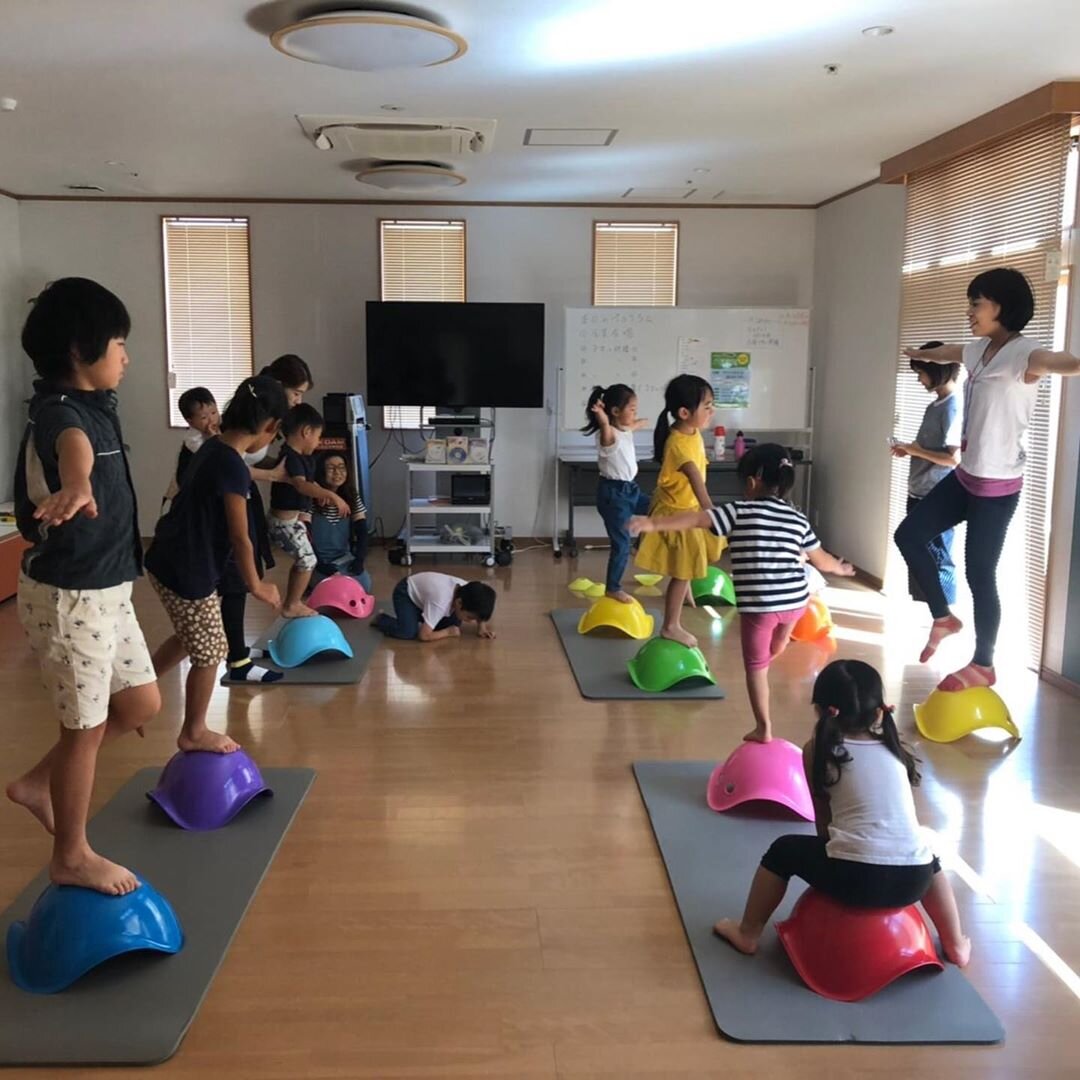
    • The multi-award winning Bilibo is widely regarded as one of the most innovative and versatile open-ended toys. Deceptively simple and magically attractive, Bilibo's iconic shell shape and bright colors immediately appeal to children. Bilibo arouses curiosity, engages the imagination and playfully trains basic motor skills and balance. Both boys and girls find unlimited ways to play with Bilibo – using it to rock and spin in, hide under, sit on, tote with and peek through. Bilibo provides hours of fun, indoors and outdoors - all year round.

Photo from Instagram

Photo from Instagram

Bilibo Pitales
Bilibo Pilates

4 Must know about self feeding

Self feeding is an important development for children. Teaching children to self feeding may not be an easy thing. But feeding your child continuously until he grows up is not good either. This will only hinder its development.

Self feeding in children comes in phases, making it a long drawn out, but extremely rewarding, journey for you and your child. Although your child needs to reach toddlerhood to have the physical ability to self feed, it helps to start early. Here are the 4 must know things before you start letting your baby self feeding.

Content:

| Self feeding advantages

| How to encourage self feeding

| Best self feeding age

| My favorite self feeding spoon

4 Must know about self feeding-1

Self feeding advantages

Some parents choose to continue feeding their children because they don't want their children to be messy or dirty while eating alone. In fact, this is a learning process that children must go through. Baby led weaning (BLW) is a method that allows babies to self feeding. Mama only needs to prepare food that has been processed according to the baby's ability to eat, then the baby can use his hands to take and feed the food. Letting children eat alone also teaches him many things. Self feeding have many advantages.

Read more: Why letting your baby self-feeding is worth the mess

To prevent obesity

One of them is keeping children connected to their basic instincts (hunger) and listening to their own body cues (satiety). When a child is fed by another person, the child has the potential to eat more than they need, causing them to lose touch with their basic bodily instincts. In addition, it can also trigger stomach upset and can lead to eating problems later in life, such as obesity.

Helping children recognize the taste and texture of food

In applying the BLW method, food is served in a solid and larger form. This will allow your little one to recognize the texture because it is easy to grip. In addition, this method also introduces your little one to the various tastes, colors and aromas of the food he consumes.

Read more: Start feeding your kids solid food with this

Support children's motor development

Implementing the BLW method can support your little one's motor development, you know, Bun. This method can be a means for your little one to train eye and hand coordination, as well as chewing and grasping skills.

Read more: How to help my baby develop their pincer grasp?

Make children enjoy the food they eat

Teaching your little one this method allows him to enjoy the food he is eating without the need to be forced to open his mouth. In addition, your little one can also be introduced to many types of food.

4 Must know about self feeding-2
4 Must know about self feeding-3

How to encourage self feeding

Don't help put food in their mouth

You could say BLW is a method for making your little one independent when eating. You should really try to step back and believe that your baby can put food well in his mouth. Don't help put food in his mouth and you don't have to worry if you think he doesn't eat much. At this stage, food is a way for your little one to experiment and learn. As extra nutrition, your child will get what he needs from his milk, whether formula milk or breast milk.

Try offering a variety of foods

After your baby learns to use a spoon (holding objects between fingers and thumbs a.k.a. pincer grasp), you can introduce berries and raisins, or peas. Don't overwhelm your baby with too much food, having in front of him two or three items at a time is sufficient.

Read more: Baby's first solid food

Be patient

It is better if you don't rush when you want to let your children self feeding, because your child will choke on food if his age is not suitable, another reason is because he is not good at chewing food that is too solid. Wait until your baby is six months old and make sure he can sit up straight before starting self feeding. Be patient is the key.

Nothing comes easy with the baby. Every habit and every successful milestone is a result of someone’s effort. It could be you, your nanny, your spouse, the siblings or even strangers.

Read more: 3 Rules you must follow when giving first food to your children

4 Must know about self feeding-10

Best self feeding age

Learning to self feeding can generally begin at the age of 9 months, when children are able to grasp their own food. At this age, parents is allowed to give them finger foods or foods that are easy to grasp. Children will become interested in holding their own spoon, fork, or water bottle in both hands when they are 13–15 months old.

In my daughter case, I let her start hold when she was 7 months. The food does not always fill the spoon and she not always succeeds in putting it in her mouth. Not a little food will also fall on the floor or table.

Around 18-24 months of age, they will begin to be adept at putting their own food into his mouth less messy. However, your little one must always be supervised when learning to eat on their own. Because they are still learning, sometimes children may choke, cough, or vomit. Later when your little one enters the age of 24–36 months, they will be more adept at eating and enjoying their own food without the need for help from adults.

4 Must know about self feeding-4

My favorite self feeding spoon

You might be wondering if you can just get away with using a regular old steel spoon to feed your baby. After all, if it’s good enough for you to eat with, shouldn’t it be fine for a baby?

Some old-school parents will shrug and say that you can feed a toddler just fine without buying yet another special tool. But most feeding authorities recommend using a shallow, plastic children’s spoon for feeding, since it’s easier for them to eat from and won’t hurt their delicate mouths.

Read more: Baby essentials that is important for your children's development

Combined spoon and teether

Some spoons are made a little larger with a more chewy texture, for those teething kids who to bite down on as they eat. The teething element may encourage some kids to use the spoon.

Grabease stage 1 silicone spoon

The soft spoon is perfect for tiny mouths during the early stages of self-feeding, and the textured handle soothes little one's gums during teething. Kickstart BLW with Grabease stage 1 self-feeding silicone spoon.

4 Must know about self feeding-5
4 Must know about self feeding-6

Shaped ergonomic spoons

Little hands can be clumsy and a spoon is hard to hold. This style of spoon is usually chunkier and shaped to help toddlers get to grips with their fine motor skills.

Grabease stage 2 spoon and fork

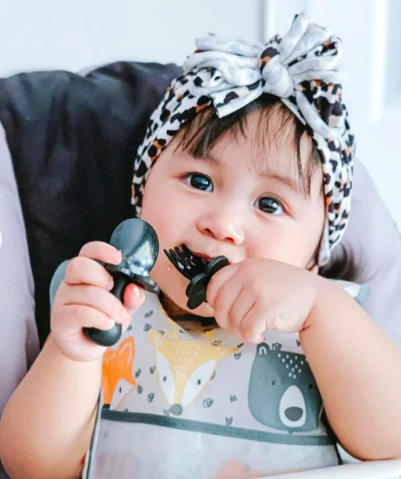
Grabease patented fork and spoon sets were the first utensils designed with babies’ independence in mind, and they come highly recommended by Occupational Therapists. The ergonomic handle fits comfortably in babies' natural hand grasp, making the hand-to-mouth motion easier. This set will also help strengthen their fingers while encouraging proper pencil grasp development (this will come in handy later!).

BONUS! Yummy and healthy ice cream for your baby with Grabease

4 Must know about self feeding-9
4 Must know about self feeding-8

7 Truly Useful Gift Ideas for a Newborn Baby

We give gifts as symbols to rejoice in shared happiness. When a friend or family member welcomes a new baby, it's a wonderful tradition to celebrate the arrival of their little angel. But giving gifts for a newborn has its own challenges; you want to give something that is not only thoughtful but genuinely useful.

Here are 7 truly useful gift ideas that new parents will appreciate.

1. Diapers: The Most Practical Gift

Diapers are the gift that will always be needed. You can even make this practical gift fun by choosing diapers with cute motifs or creating a "diaper cake." When buying diapers, make sure they are made from soft, absorbent materials and are the appropriate size for the baby's age and weight to ensure a comfortable fit.

2. Breastfeeding & Feeding Support

You can choose feeding equipment according to the needs of the mother and baby. If the mother is breastfeeding, a high-quality nursing pillow can be a lifesaver for her back and posture. If she is pumping or bottle-feeding, extra bottles are always welcome. Look for bottles with anti-colic venting systems and those made from safe, easy-to-clean materials like silicone or glass.

3. A Modern Diaper Bag

Today's diaper bags are both functional and stylish. The best bags have a durable exterior that is easy to wipe clean, plenty of internal pockets for organization, and comfortable shoulder straps. A huge plus is built-in stroller straps that allow you to hang the bag securely from your stroller's handlebar.

4. A Sterilizer for Peace of Mind

Babies have vulnerable immune systems, so keeping their feeding equipment hygienic is crucial. A bottle sterilizer is a gift that makes this daily chore infinitely easier for parents. Instead of boiling water on the stove, parents can simply place bottles, pacifiers, and pump parts into the sterilizer for quick, convenient peace of mind.

5. Simple, High-Quality Baby Clothes

Baby clothing doesn't need to be overly complicated. New parents will most appreciate simple, practical clothes made from 100% cotton that are soft on a baby's sensitive skin. Choose sizes that the baby can grow into (e.g., 3-6 months). Rompers are very practical for easy diaper changes, and sleepsuits or "jumpers" with open feet won't feel restrictive as the baby gets taller.

6. A Breathable Swaddle or Sleep Sack

A large, breathable swaddle blanket made of soft cotton or bamboo is a versatile and much-loved gift. It can be used for swaddling, as a lightweight blanket, a nursing cover, or a car seat cover. Especially in warmer climates, a lightweight swaddle is a much better option than a heavy blanket to keep a baby comfortable without overheating.

7. Toys That Support Baby's Development

A gift that can stimulate a baby's sensory and motor development is always a fantastic choice. The best toys for newborns are simple, safe, and engaging.

Look for toys made from baby-safe materials like 100% food-grade silicone, which are perfect for babies who explore everything with their mouths. The best developmental toys are open-ended, meaning they can be played with in many different ways as the child grows.

  • For sensory exploration, consider the beautifully designed toys from MOLUK. Their unique shapes and textures are made from high-quality, food-grade silicone rubber, making them perfect as a baby's first grasping toy and teether.

  • For early building and color recognition, a starter set from Plus-Plus is a great choice. Their larger "BIG" size is safe for small hands and introduces toddlers to the world of creative construction.

When choosing any toy, ensure it has no small parts that could be a choking hazard and that it can be easily cleaned.

41056630_450238548832777_1386438051665587371_n.jpg