4 Stages of Brain-Boosting Play: Must-Have Essentials for Your Baby's Development

Every parent wants to give their child the best possible start in life. But what does that actually mean when it comes to toys and play? The most impactful "educational" toys are not about letters and numbers; they are about providing the right kind of stimulation at the right stage of brain development.

As experts in developmental play, we've broken down a child's first years into four key stages. Here is your playbook for choosing the perfect, brain-boosting essentials for each phase.

Stage 1: The Sensory Explorer (0-6 Months)

At this stage, a baby's brain is a sensory processing machine. They are learning about the world entirely through touch, sight, sound, and taste. Your goal is to provide safe, simple, and stimulating sensory input.

  • Developmental Focus: Building neural connections through sensory experiences, developing focus and tracking with their eyes, and exploring objects with their mouth and hands.

  • Must-Have Essentials:

    • High-Contrast Books & Mobiles: A newborn's vision is still developing, so they are most engaged by simple, high-contrast black-and-white patterns.

    • A High-Quality Play Gym: This is your baby's first "office." Look for one with arches that allow you to hang a variety of interesting toys for them to look at and eventually bat at.

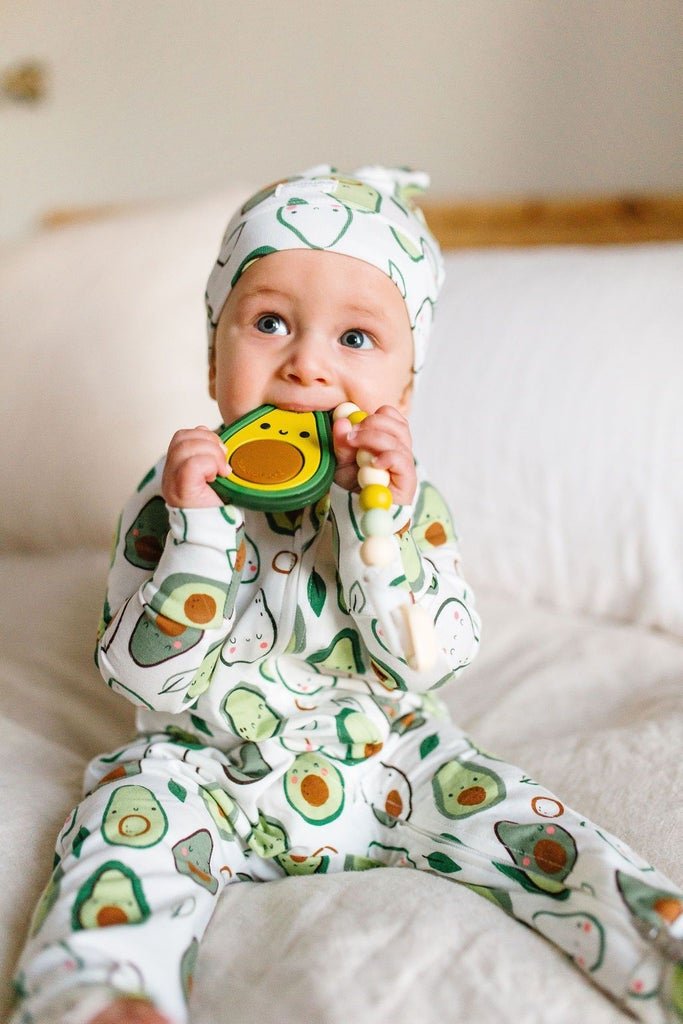
    • The Perfect First Toy: A baby's first toy must be 100% safe for mouthing. We recommend the award-winning, Swiss-designed toys from MOLUK. Made from food-grade silicone, their unique, tactile shapes (like the Nigi, Nagi, & Nogi) are perfect for tiny hands to grasp and explore, providing a rich sensory experience.

Stage 2: The Cause-and-Effect Scientist (6-12 Months)

Your baby is now starting to understand that they can make things happen! They drop a spoon and you pick it up (a fun game!). They shake a rattle and it makes a sound. This is the dawn of intentional action and problem-solving.

  • Developmental Focus: Understanding cause and effect, developing fine motor skills (like the pincer grasp), and object permanence (knowing something exists even when they can't see it).

  • Must-Have Essentials:

    • Stacking Rings & Nesting Cups: These classic toys are perfect for learning about size, sequence, and how objects fit together.

    • Puzzles with Large Knobs: A simple wooden puzzle with 3-4 large, easy-to-grasp pieces helps develop problem-solving skills and hand-eye coordination. For a modern, art-led approach, the "My First Puzzle" series from Mudpuppy is an excellent choice.

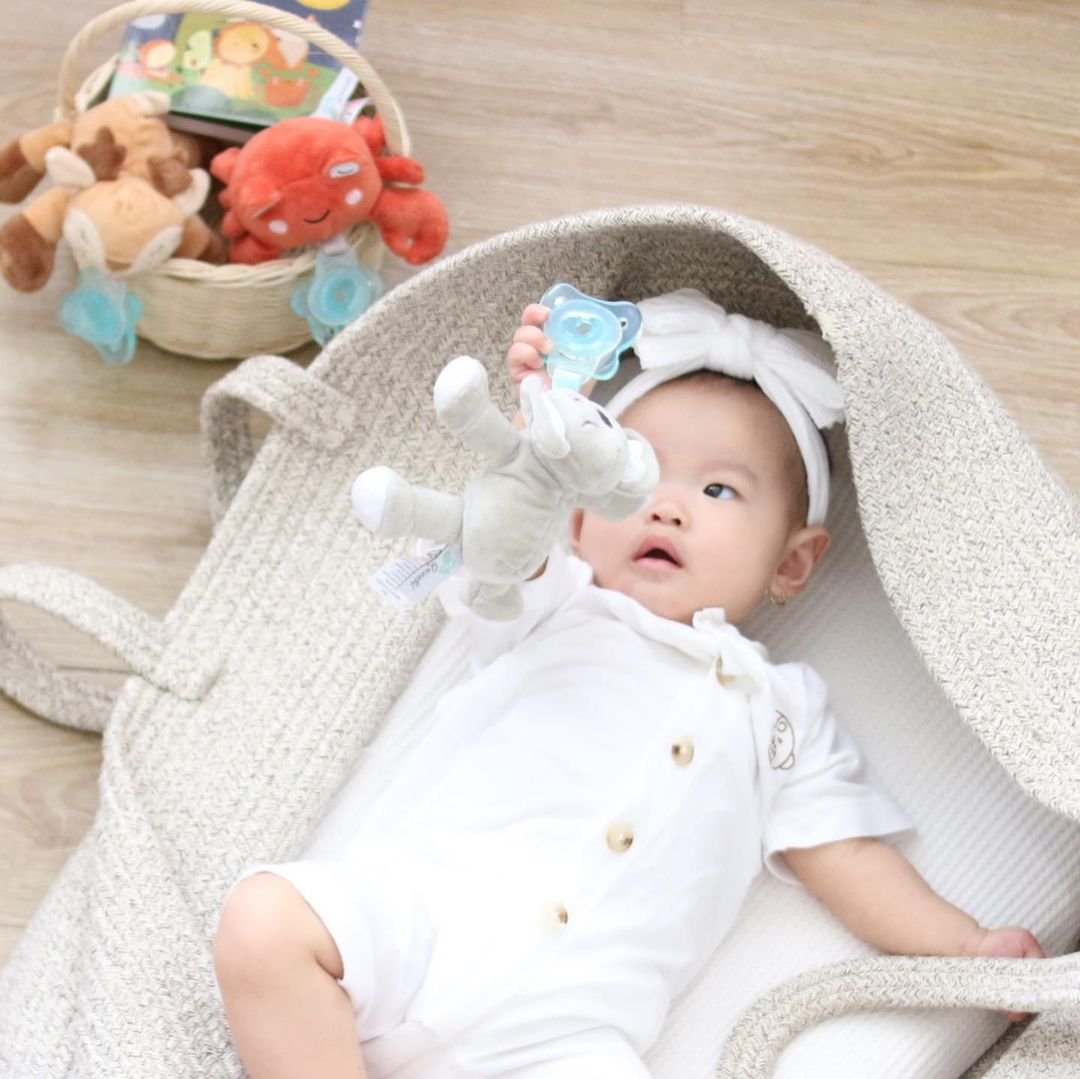
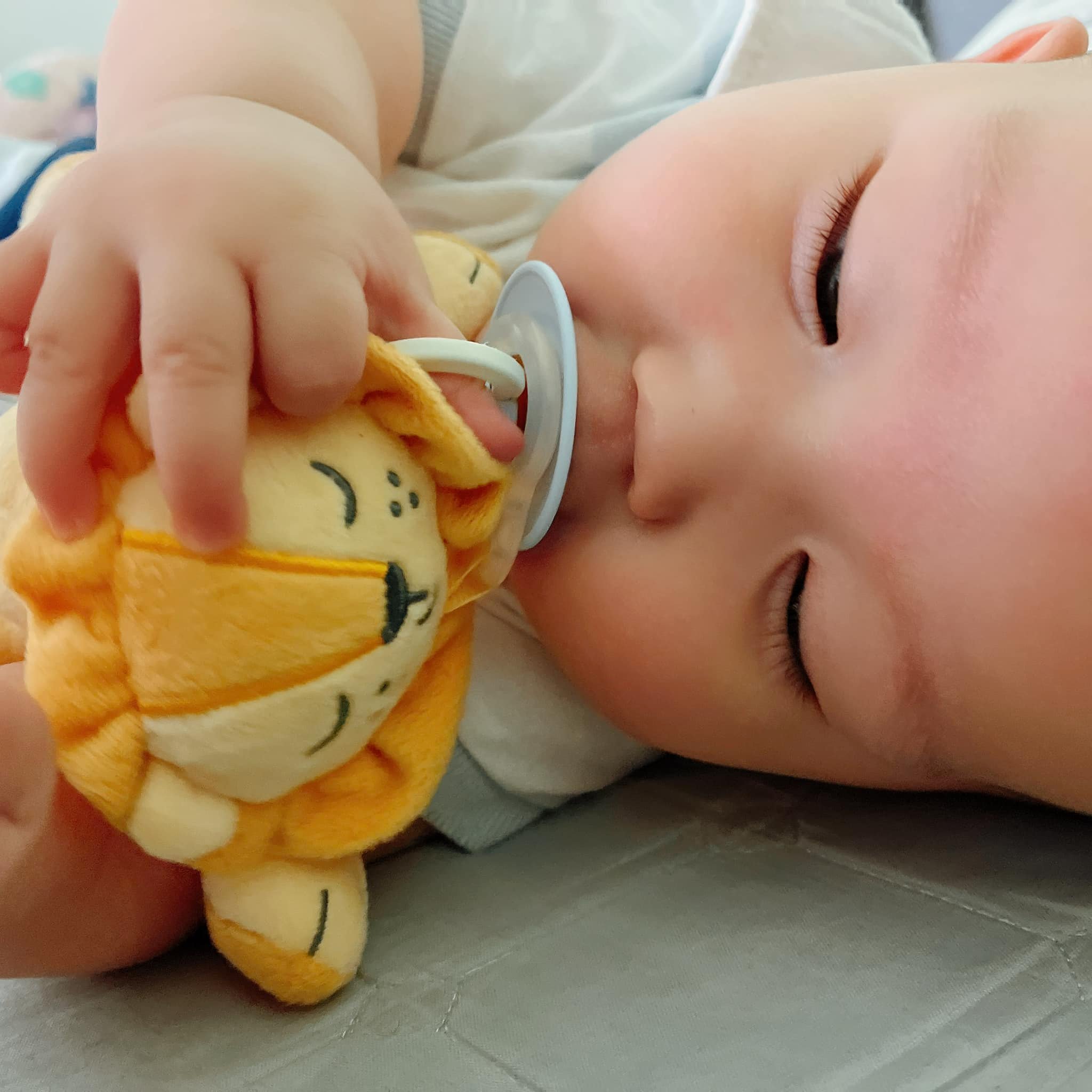
    • A "Smarter" Pacifier Holder: The constant game of "drop the pacifier" can be solved with a clever tool like the Queebi Pacibuddy. It's a developmental toy in its own right, helping a baby learn to find and replace their own soother, a key self-soothing skill.
Stage 3: The Little Builder & Problem-Solver (1-2 Years)

Your toddler is now mobile and ready for more complex challenges. Their play becomes more purposeful. They aren't just knocking things down; they are trying to build things up. Their fine motor skills are exploding, and they are ready for their first real construction toys.

  • Developmental Focus: Developing spatial reasoning, honing fine motor skills, and engaging in early creative construction.

  • Must-Have Essentials:

    • First Building Blocks: This is the age for first-generation building toys. Look for sets with larger pieces that are easy for small hands to connect. The Plus-Plus BIG size is perfect for this stage, allowing toddlers to create vibrant 2D mosaics and simple 3D structures.

    • The First "Tablet": Not an iPad! A magnetic drawing board allows for endless, mess-free creativity, helping them practice the motions they will one day use for writing.

    • Tactile Numbers: Introduce early numeracy concepts with a hands-on tool. The award-winning tiles from Newmero are designed to help children feel and understand numbers, turning an abstract concept into a physical, playful experience.

Stage 4: The Imaginative Engineer (2-3+ Years)

Your child's imagination is now boundless. They are capable of complex pretend play and are ready for tools that allow them to bring their biggest ideas to life. This is the golden age of engineering play.

  • Developmental Focus: Complex problem-solving, collaborative play, storytelling, and translating abstract ideas into physical creations.

  • Must-Have Essentials:

    • Advanced Construction Toys: Introduce more complex building systems. The flexible, magnetic pieces from Clixo merge origami with construction, while the standard-sized Plus-Plus allows for incredibly detailed creations.

    • Real-World Engineering Tools: There is nothing more powerful than turning recycled materials into a life-sized creation. The award-winning toolsets from Makedo provide kid-safe saws and connectors that empower children to transform simple cardboard into forts, cars, and robots they can actually play in. It's the ultimate engineering experience.

    • Immersive Learning Kits: For the child fascinated by "how things work," the AR/VR science kits from Abacus Brands are a game-changer. They bring complex topics like chemistry or anatomy to life in an exciting, interactive way that feels like magic.

    • The multi-award winning Bilibo is widely regarded as one of the most innovative and versatile open-ended toys. Deceptively simple and magically attractive, Bilibo's iconic shell shape and bright colors immediately appeal to children. Bilibo arouses curiosity, engages the imagination and playfully trains basic motor skills and balance. Both boys and girls find unlimited ways to play with Bilibo – using it to rock and spin in, hide under, sit on, tote with and peek through. Bilibo provides hours of fun, indoors and outdoors - all year round.

Photo from Instagram
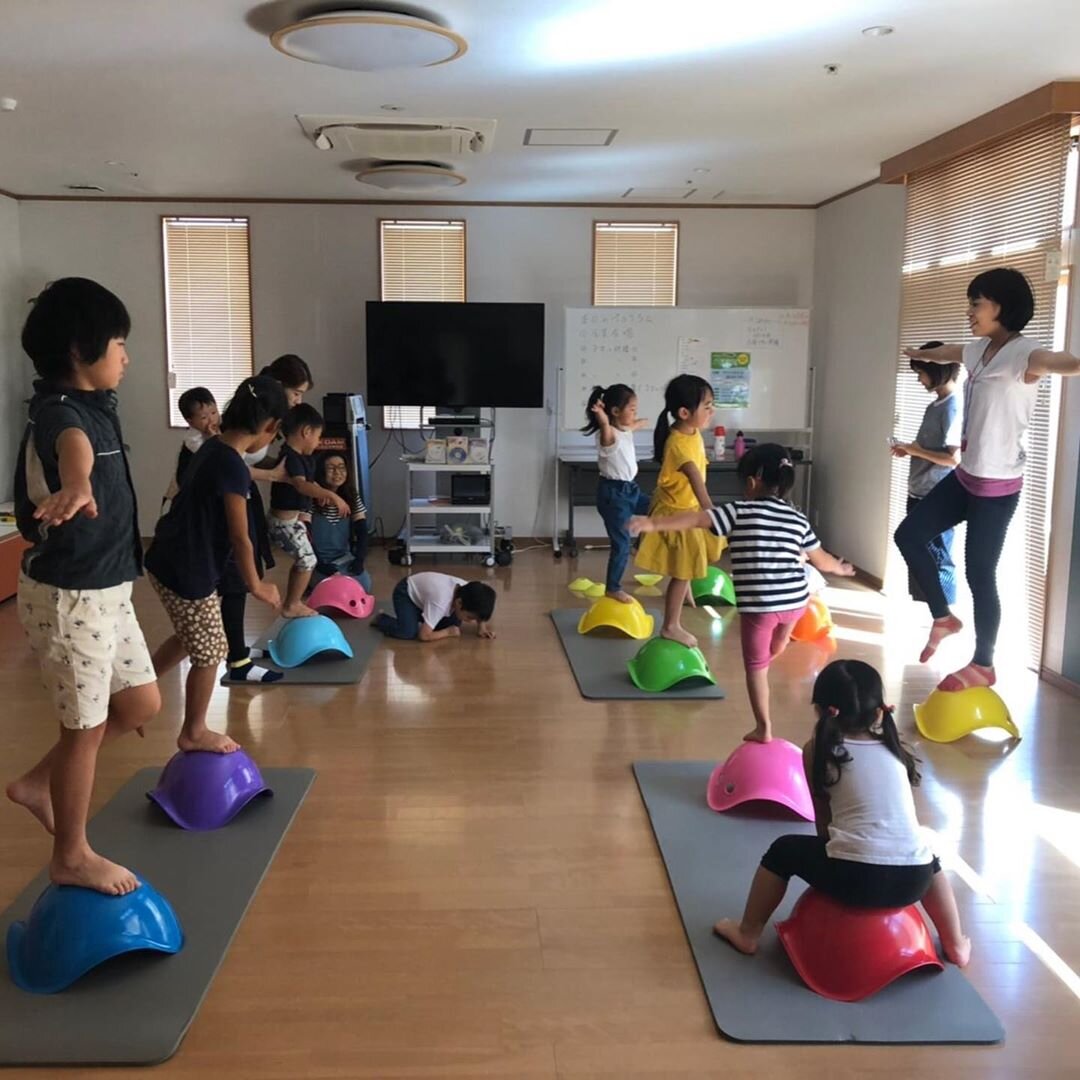
Photo from Instagram

Bilibo Pitales
Bilibo Pilates

You must know this 2 consider sustainable baby products brand that BabyLux carries

Sustainable packaging is a relatively new addition to the environmental considerations for packaging. But now many brands have offered it. You must know this 2 sustainable baby brand that we carry.

What packaging is considered sustainable?

Sustainable packaging refers to the sourcing, development, and use of packaging solutions that have minimal environmental impact and footprint. Simply put, sustainable packaging is earth-friendly and doesn't contribute to the further depletion of natural resources.

Choosing products in sustainable packaging is one way to avoid harmful chemicals and cut back on the amount of plastic that ends up in landfills. The materials below are great options when choosing sustainable packaging! 

  • Aluminum is able to be completely recycled without any loss in quality at a fraction of the initial production costs and energy requirements of plastic.

  • Bamboo is the fastest growing plant in the world, making it the number one renewable resource Bamboo actually grows faster when it is cut down!

  • Compostable/biodegradable paperboard is made from recycled paper pulp. When manufactured and disposed of properly, it is largely considered a renewable resource.

  • Glass and metal are 100% recyclable. This means that they can be infinitely recycled into new packaging without loss of quality. It is also very easy to repurpose a glass or metal container!

  • Recycled plastic is another option. Many companies repurpose plastic into new packaging. While this is not ideal (in terms of a renewable resource), it is better than other alternatives.

  • Silicone is an eco-friendly material derived from sand. The process to manufacture silicone is much less wasteful than the process to manufacture plastic. It can be recycled -in the right facilities- and is a safe non-toxic alternative to plastic.

Getting familiar with BabyLux carried brands that consider sustainable

Loulou Lollipop

A brands to consider investing in, they product mainly are made from silicone. Why silicone? Silicone rubber does not react with food or beverages, or produce any hazardous fumes. 

Silicone is a polymer mostly made from silica (sand) oxygen. It can withstand heating and freezing without leaching or off-gassing hazardous chemicals – unlike plastics utensils, which contaminate food in these environments.

Food grade silicone is durable, soft like rubber, unbreakable, and often referred to as ‘soft glass’ due to its resilience, non-porous surface, and sustainability. It is resistant to odor and stains, hypoallergenic, and because of its smooth surface, very easy to clean. For these many reasons, food-grade silicone is the perfect material for eco-friendly and non-toxic baby products.

While for soft goods they using TENCEL™ Lyocell and Modal fibers that are produced from wood pulp from sustainably managed sources, a renewable resource. Tencel has a much lower CO2 footprint than many other fabrics.

Read more: 5 Must have Loulou LOLLIPOP items

Dena

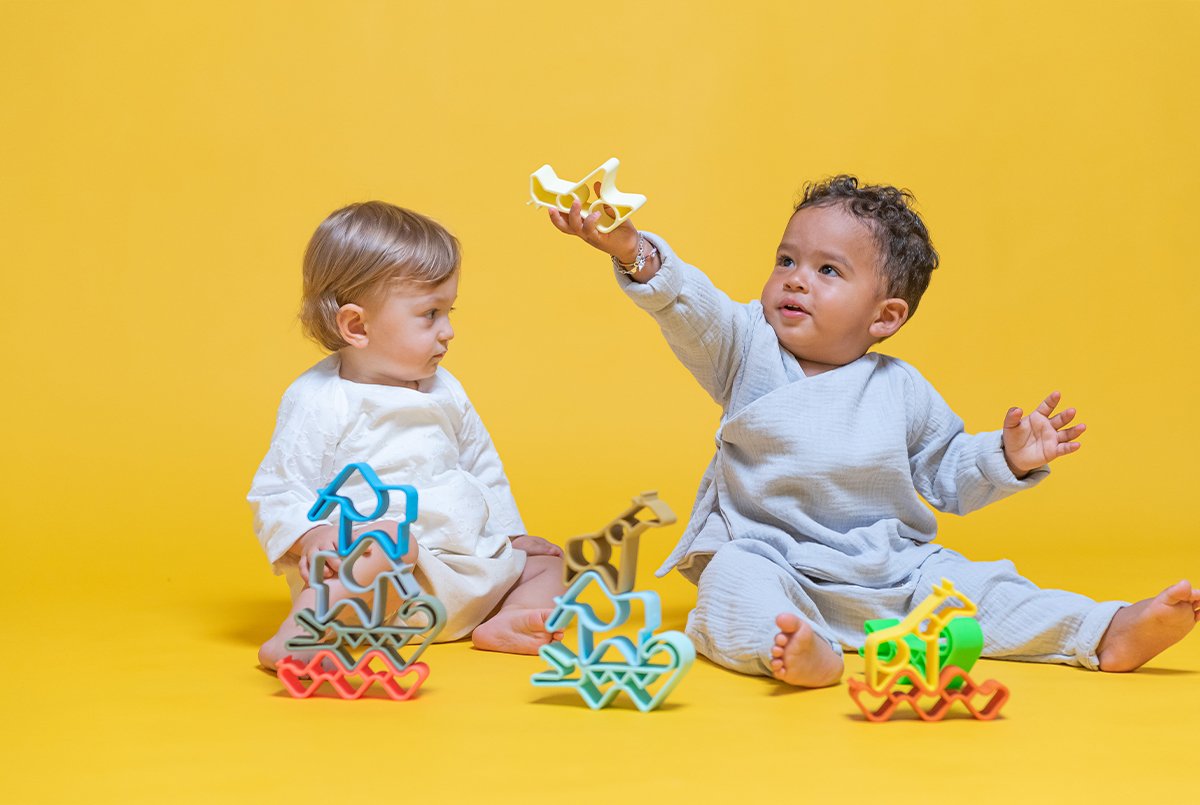
Dëna toys are made of platinum-based silicone, a soft, resistant material, BPA free and 100% safe. This material is also used to make dummies, baby bottles and teethers of the highest quality. Silica is the raw material used for manufacturing silicone and is very abundant in beach sand and other similar rocks. Silica is also, for example, the main component of glass.

Platinum-based silicone uses a noble metal, platinum, as a catalyst, which gives it a higher quality. This makes it the ideal material in the manufacture of moulds and products suitable for contact with food.

Likewise, they repel water and germs, so, in addition to facilitating their cleaning, Dëna toys guarantee maximum hygiene and food safety.

Read more: What can you play with Dena toys? You'll never think about it!

Your Baby's First Year: A Guide to 10 Major Developmental Milestones

The first year of a baby's life is a whirlwind of incredible growth. Many important developmental stages are achieved in these first 12 months. While babies throughout the world experience the same stages of development, they each reach them at their own unique time.

So, what kind of amazing abilities will your baby develop from 0-12 months? Here are 10 major milestones to watch for.

10 Milestones in Your Baby's First Year

1. The First Real Smile

After about two months of sleepless nights and endless crying, you get the ultimate reward: your baby’s first real, social smile. They'll start responding to the familiar sound of your voice or your silly faces with a heart-melting grin.

2. The First Laugh

If you are getting tired of just coos and cries, be patient! Around the 4-month mark, your little one will begin to make another, even more delightful sound: laughter! Get ready to play endless games of "peek-a-boo" just to hear that joyous giggle.

3. Sleeping Through the Night

This might be the milestone that new parents await more than any other. While every baby is different, many infants develop the ability to sleep for a long, consistent stretch overnight between 4 and 6 months of age. Hang in there, parents!

4. Rolling Over

Around 4 to 6 months, your baby will likely master their first major motor skill: rolling over. They usually learn to roll from their tummy to their back first. This is their first taste of independent movement and a sign that you'll need to start being extra vigilant during diaper changes!

5. Sitting Up Unassisted

Between 6 and 7 months, your baby will likely develop the core strength to sit up all by themselves. This is a huge game-changer, as it frees up their hands to play and gives them a brand new, upright perspective on the world around them.

6. Trying Solid Foods

The adventure of eating begins at around 6 months! This is when you can start introducing solid foods and letting your baby explore a whole new world of tastes and textures. It's a fun, messy, and essential part of their development.

7. Crawling

Get ready—your baby is on the move! Between 7 and 10 months, most babies start crawling. Whether they do a classic crawl, a "scoot," or an army crawl, this newfound mobility means your little one will be exploring every corner of the house. Time to baby-proof!

8. Pulling Up to Stand

After mastering life on the floor, your baby will look for new heights. Around 9 to 10 months, you'll likely find them using furniture (and your legs) to pull themselves up to a standing position. This is a clear sign that they are building the strength and coordination needed for their first steps.

9. Mastering the Pincer Grasp

Around 9 to 12 months, your baby will refine their fine motor skills by mastering the "pincer grasp"—the ability to pick up small objects between their thumb and forefinger. This is a critical skill for self-feeding small snacks like puffs or peas.

10. Saying the First Words

Perhaps the most anticipated milestone of all! Around their first birthday, many babies will say their first word, which is very often "mama" or "dada." Hearing your baby call for you by name for the first time is a truly unforgettable moment.

Remember, every baby is unique and will reach these milestones on their own timeline. The most important thing is to celebrate each new achievement and enjoy the incredible journey of their first year. If you ever have concerns about your child's development, don't hesitate to speak with your pediatrician.

A child must know that he is a miracle, that since the beginning of the world there hasn’t been, and until the end of the world there will not be, another child like him.
— Pablo Casals
36148038_441744876289194_6390680950107275264_n.jpg