Solving the Lost Pacifier: A Guide to the Best Pacifier Holders & Clips

Listening to a crying baby is tough. But the frustration of frantically searching for the one thing that can comfort them—their pacifier—is even tougher. This is why a high-quality pacifier clip or holder isn't a luxury; it's an essential tool for a parent's peace of mind.

But with different types on the market, which should you choose?

Pacifier Clips vs. Plush Holders: What's the Difference and Which Should I Choose?

If you have the budget, our suggestion is to have one of each, as they serve different purposes.

  • Pacifier Clips are perfect for daytime, supervised use. They attach securely to your baby's clothes, car seat, or stroller, keeping the pacifier clean and within reach. Safety is critical: for safety, a pacifier clip's ribbon or tether should never be longer than 7-8 inches to avoid any risk of it wrapping around a baby's neck.

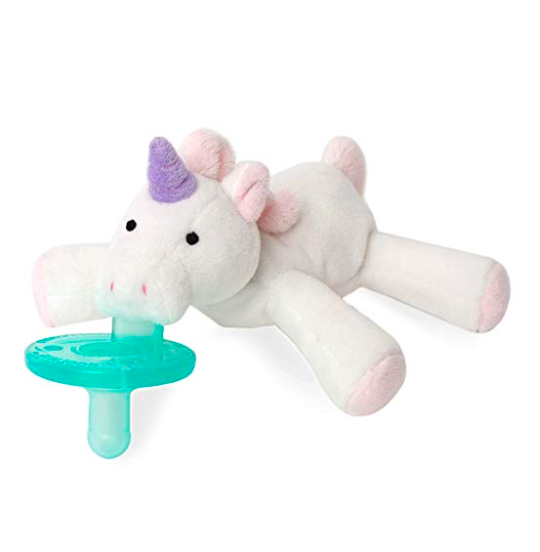
  • Plush Pacifier Holders are the ideal choice for unsupervised time, like in the crib during naps or at night. The soft, plush toy is safe, easy for a baby to find and hold on their own, and provides extra comfort.

The Best Pacifier Holders and Clips for Modern Parents

Instead of a simple list, we've broken down our top picks by what makes them the best in their category.

1. Best for Universal Compatibility: The Queebi Pacibuddy
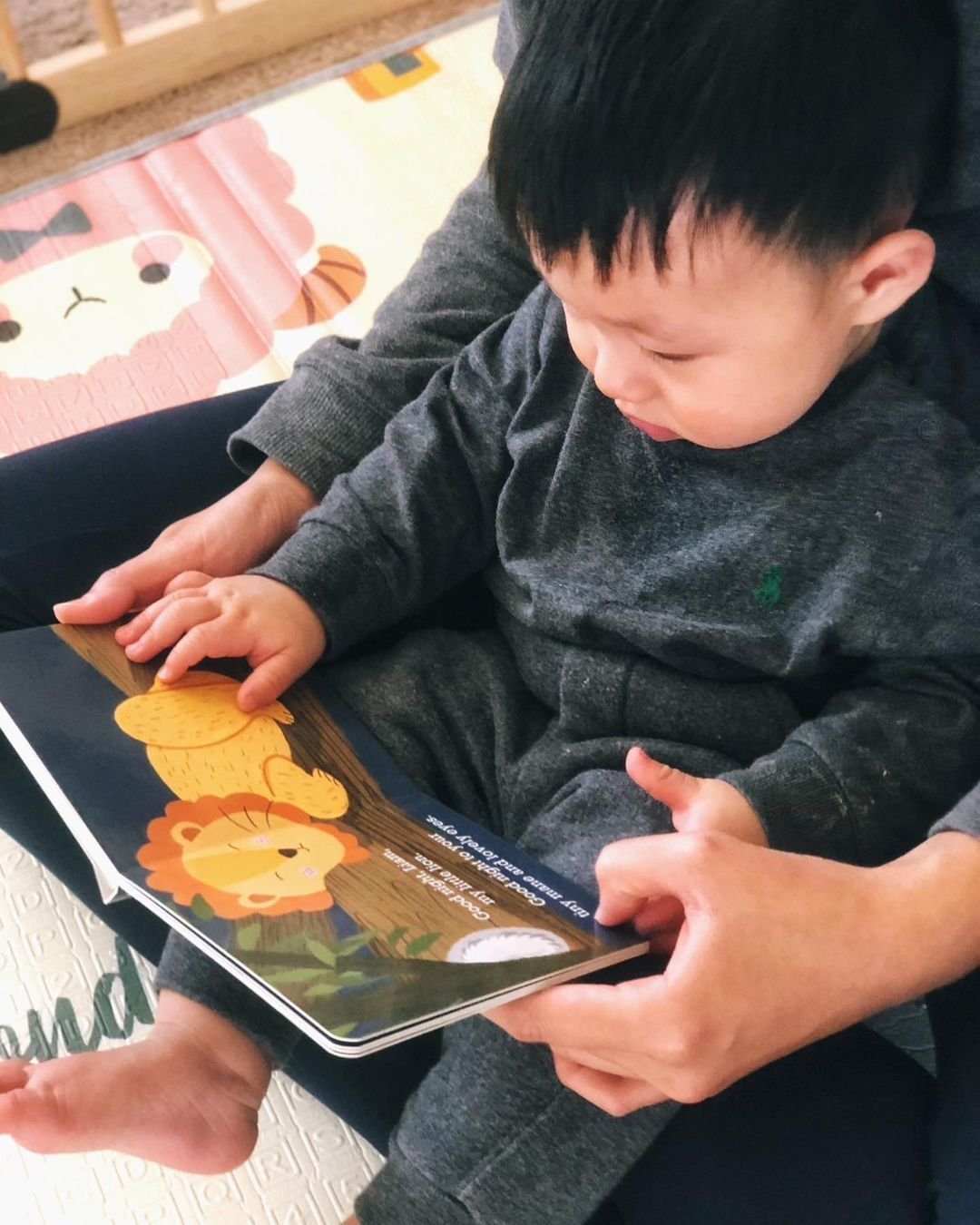
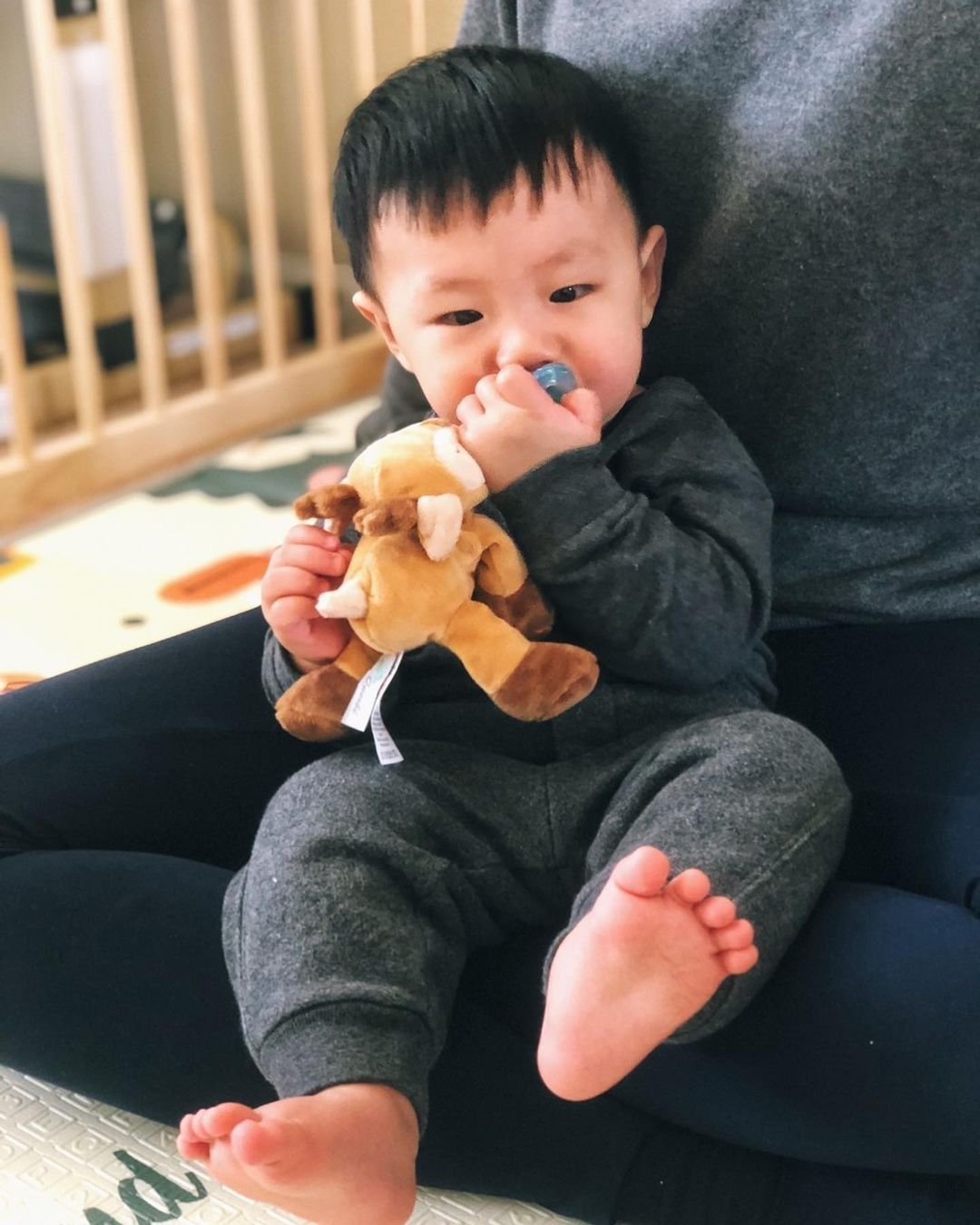
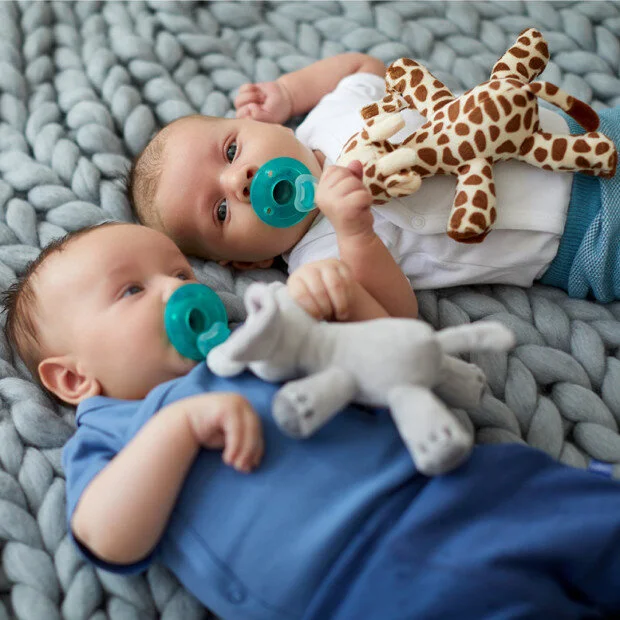
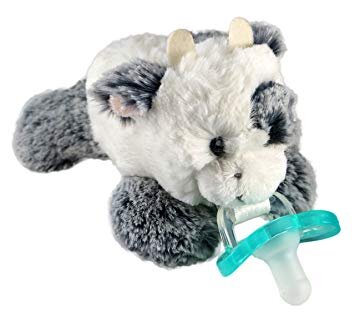
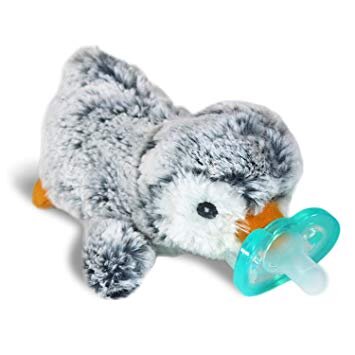
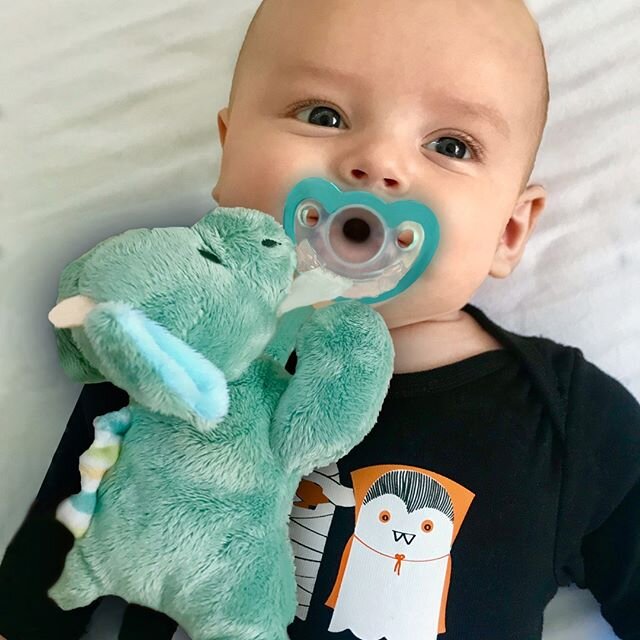
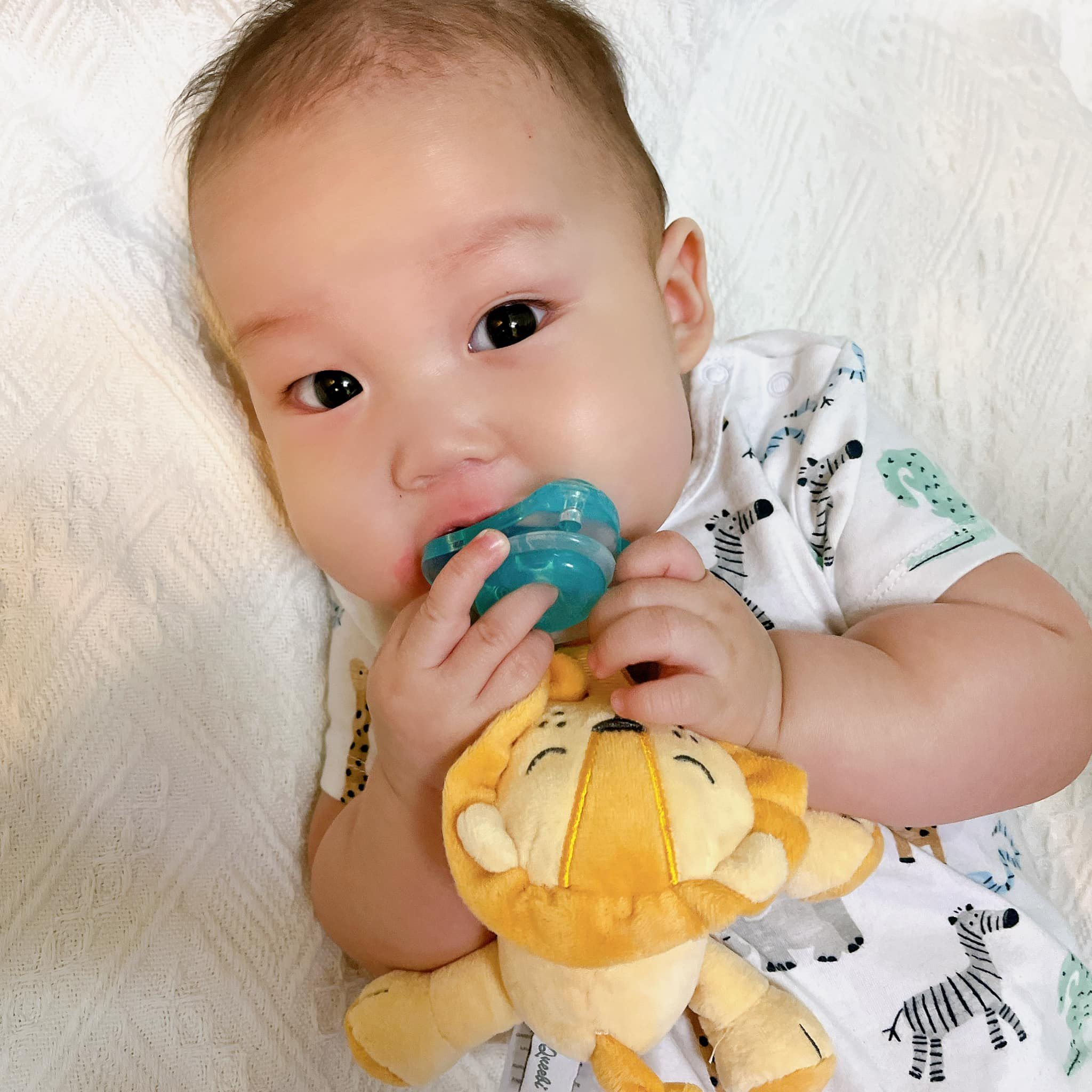
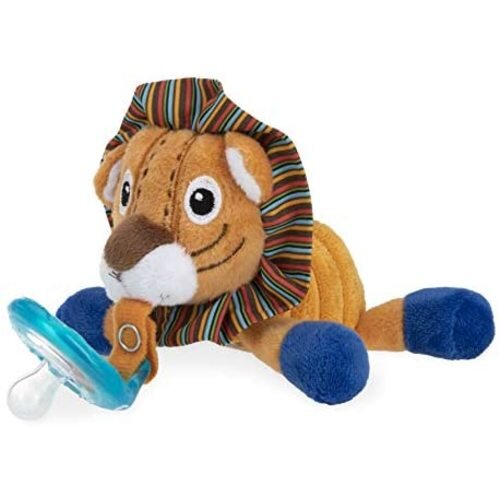
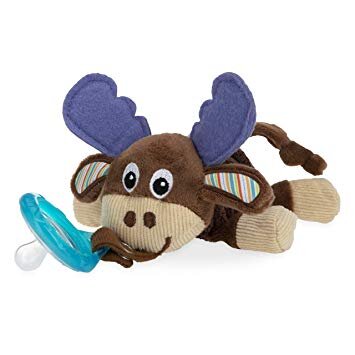
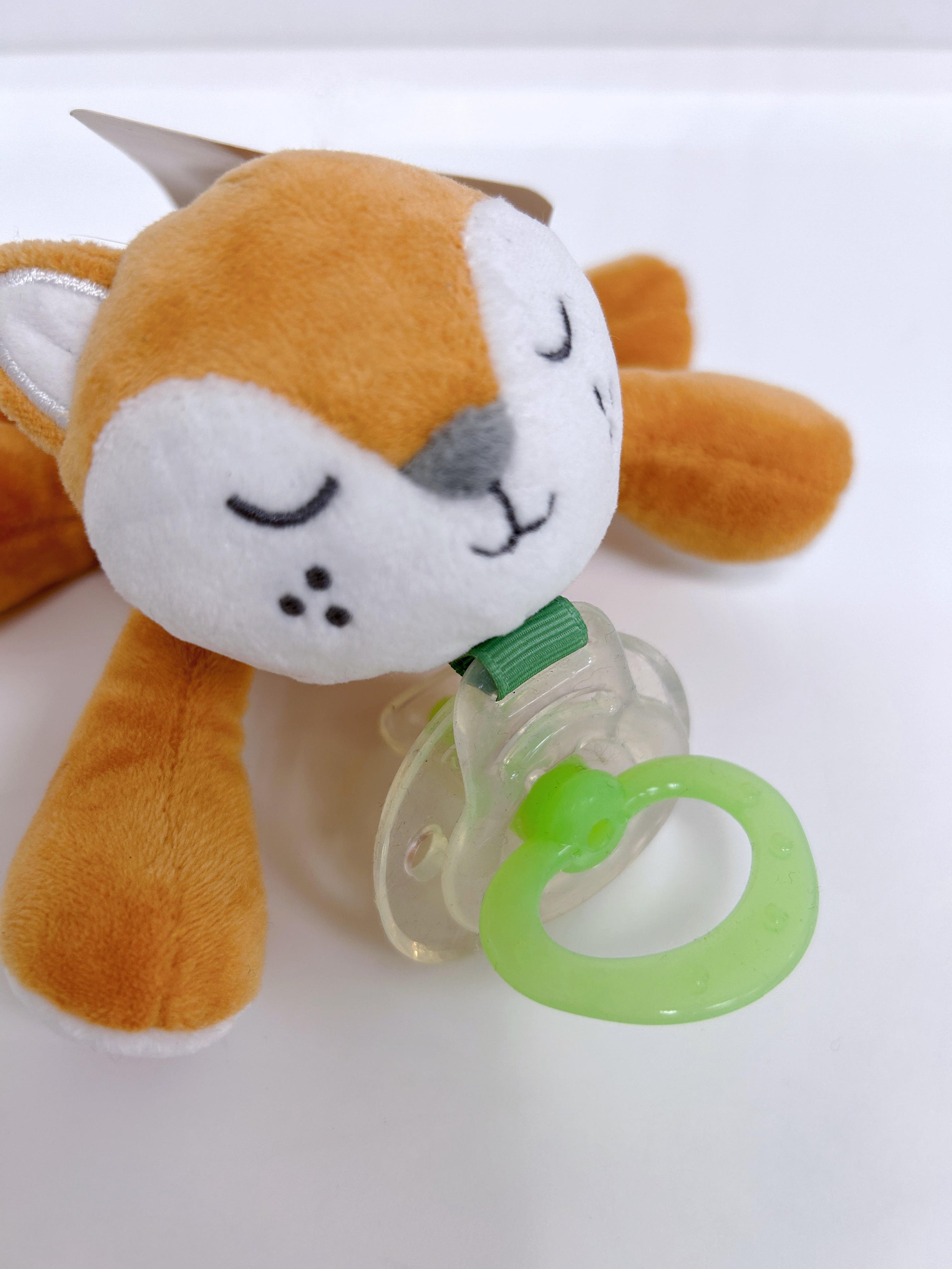
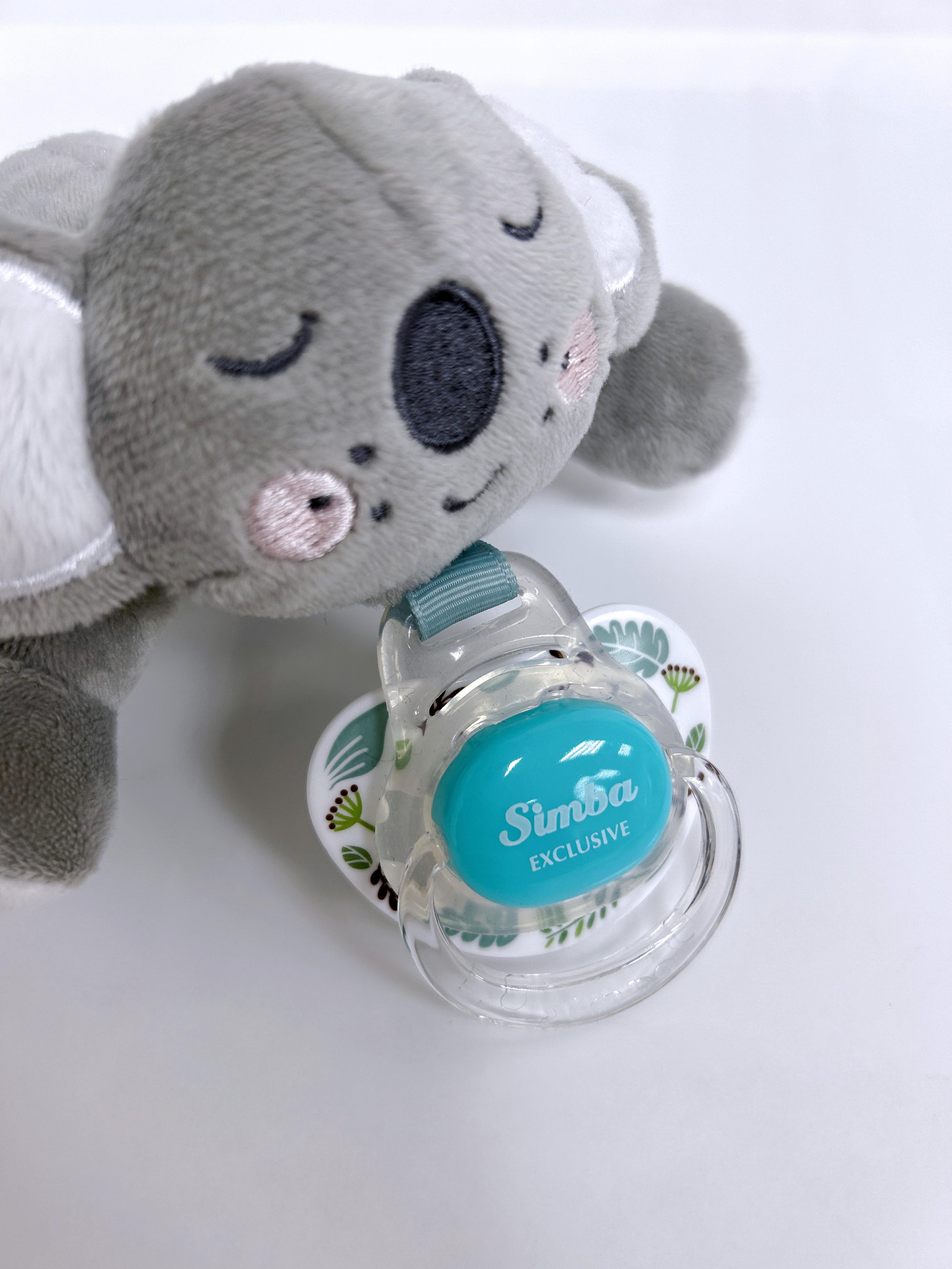
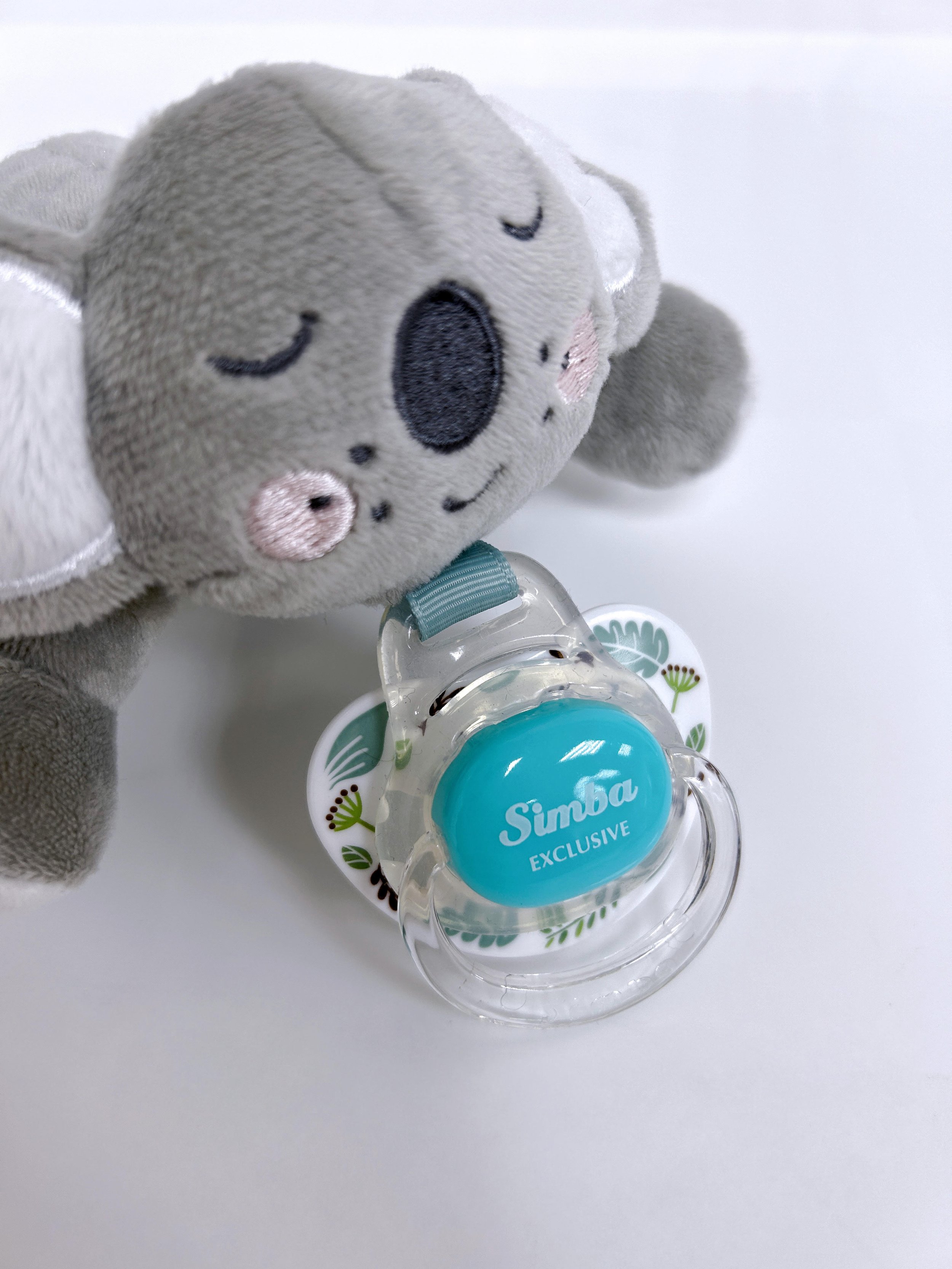
This is, without a doubt, our top pick for a plush pacifier holder. The Queebi Pacibuddy was specifically designed to solve the biggest problem with other holders: compatibility.

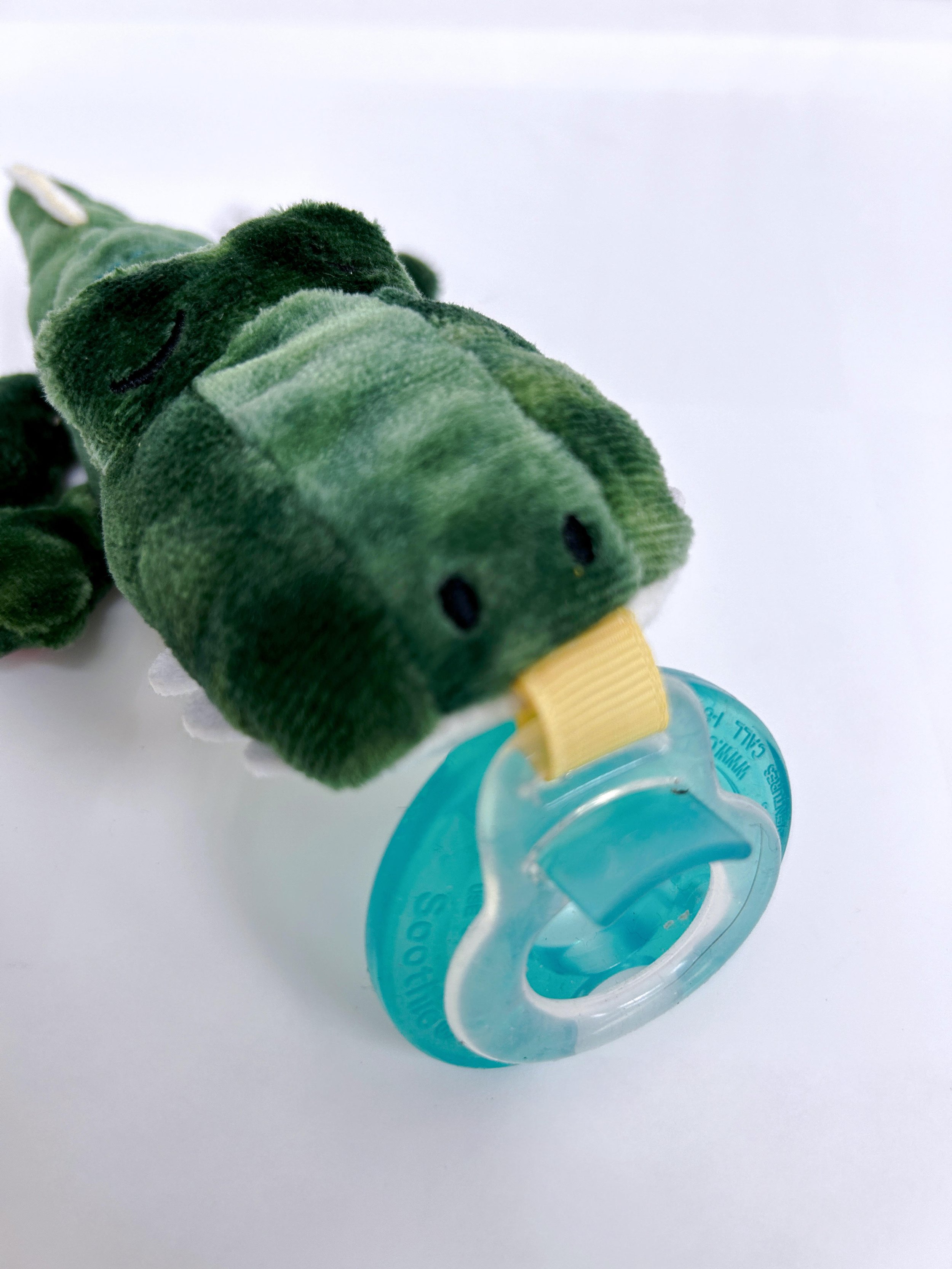
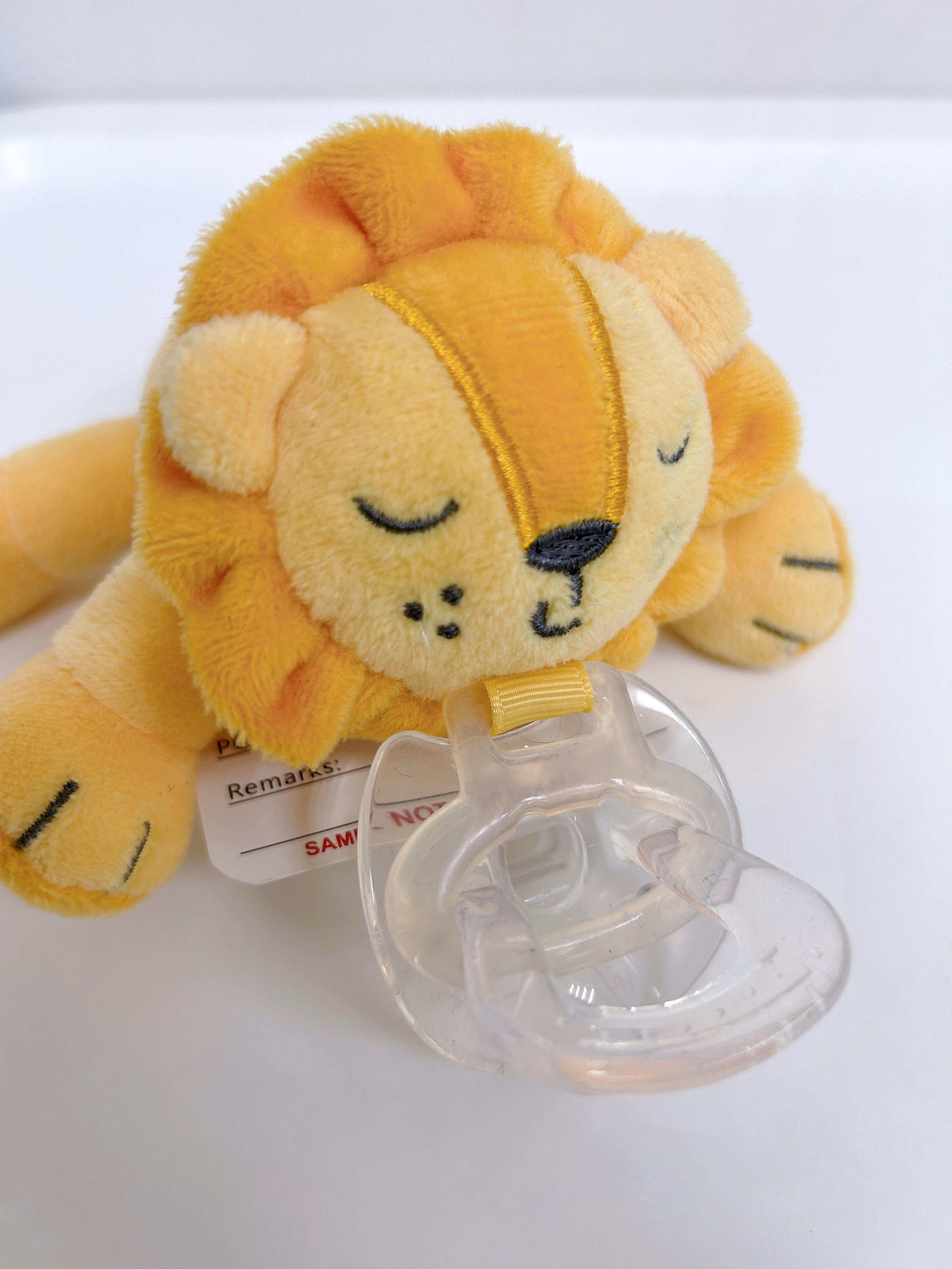
  • The Universal Silicone Ring: Queebi's genius is its patented silicone ring that securely attaches to the widest possible variety of name-brand pacifiers, including those with button knobs (like MAM™ or NUK™) and those with tab handles (like Soothie™). This means parents can use the pacifier their baby already loves.

  • Developmental & Comforting: The soft, plush animal character is easy for little hands to find and grasp, helping babies learn to self-soothe. It's a comforting friend and a developmental toy in one.

  • Safe & Easy to Clean: All Pacibuddy characters are machine washable and made from BPA and Phthalate-free materials, ensuring they are safe for your little one.

2. Best for Teething Relief: The Silicone Beaded Clip

Screen Shot 2019-08-15 at 2.41.25 PM.png

For babies who are teething, a multi-functional clip is a lifesaver.

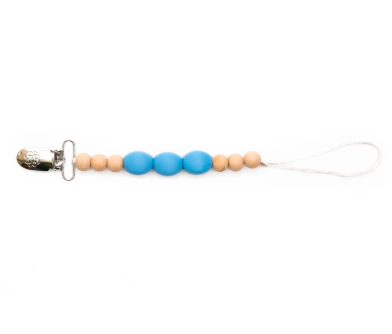
  • What to look for: A clip where the "chain" is made from soft, chewable, 100% food-grade silicone beads. These beads come in various shapes and textures, providing satisfying relief for sore gums. It's a pacifier clip and a teether in one convenient package. Ensure it has a secure, rust-free plastic clasp.

3. Best for Minimalist Style: The Braided Fabric Clip
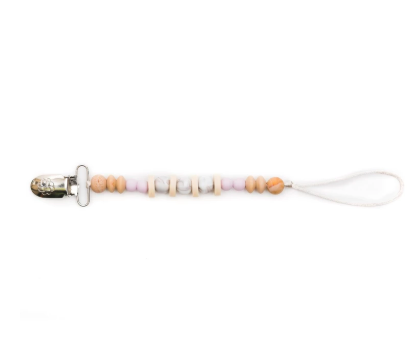
For parents who prefer a more understated aesthetic, a simple fabric clip is a perfect choice.

  • What to look for: Look for clips made from high-quality, durable materials like braided nylon or organic cotton. They are lightweight, easy to wash, and come in a wide variety of modern, stylish colors to complement any outfit without being distracting.

4. Best for All-in-One Functionality: The 3-in-1 Holder

Find out more about Snuggin collections HERE

Find out more about Snuggin collections HERE

This is the ultimate multi-tasker.

  • What to look for: A versatile clip with an interchangeable loop that can hold not only a pacifier, but also a teething ring or a small toy. This single accessory can adapt to your baby's needs throughout the day, keeping all their essential items close and off the floor.

By choosing the right tool for the job, you can say goodbye to the constant game of "find the pacifier" and make your life just a little bit easier.
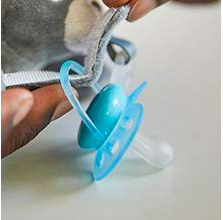
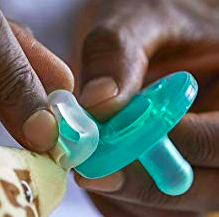
4 Best Pacifier Plush Toy Holder in 2026 (Updated)

Having trouble finding missing pacifier? I know the feeling! That’s why I attached my daughter’s pacifier with a plush toy. But there are a lot of pacifier plush toy holder we can find on the market, with so many designs and choices, which one is the best pacifier plush toy for our babies? Which one should I buy? Do they all have the same function? Can we use the pacifier plush toy holder in every kind of pacifier on the market? Check our recommendation based on our own experience.

The best pacifier plush toy holder in 2026

Philips Avent Soothie Snuggle Pacifier:

4.7 out of 5 based on 443 customer reviews in Amazon

Philips Avent Soothie Snuggle pros:

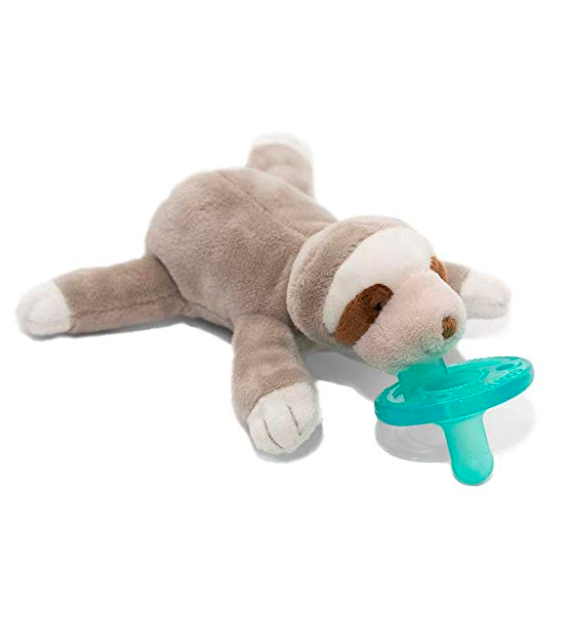
  • The soft plush toy comes with the Soothie you know and love.

  • Plush toy easily detaches from Soothie and both are easy to clean. Plush toy can be machine or hand washed. Soothie can be cleaned in dishwasher, a sterilizer or in boiling water.

  • Have extra holder for any pacifier, so you can use it with whatever baby likes best.

Philips Avent Soothie Snuggle cons:

  • The quality of this holder should be improved, and I’m mostly referring to the sewing part.

  • The most pricey one among pacifier holder with plushies.

RaZbaby RaZ-Buddy JollyPop Pacifier Holder

4.6 out of 5 based on 668 customer reviews in Amazon

RaZbaby RaZ-Buddy JollyPop pros:

  • Very smooth and soft

RaZbaby RaZ-Buddy JollyPop cons:

  • These toys are smaller than the other brands and are not weighted.

  • The fuzz gets all over the pacifier. Maybe because it is too long?
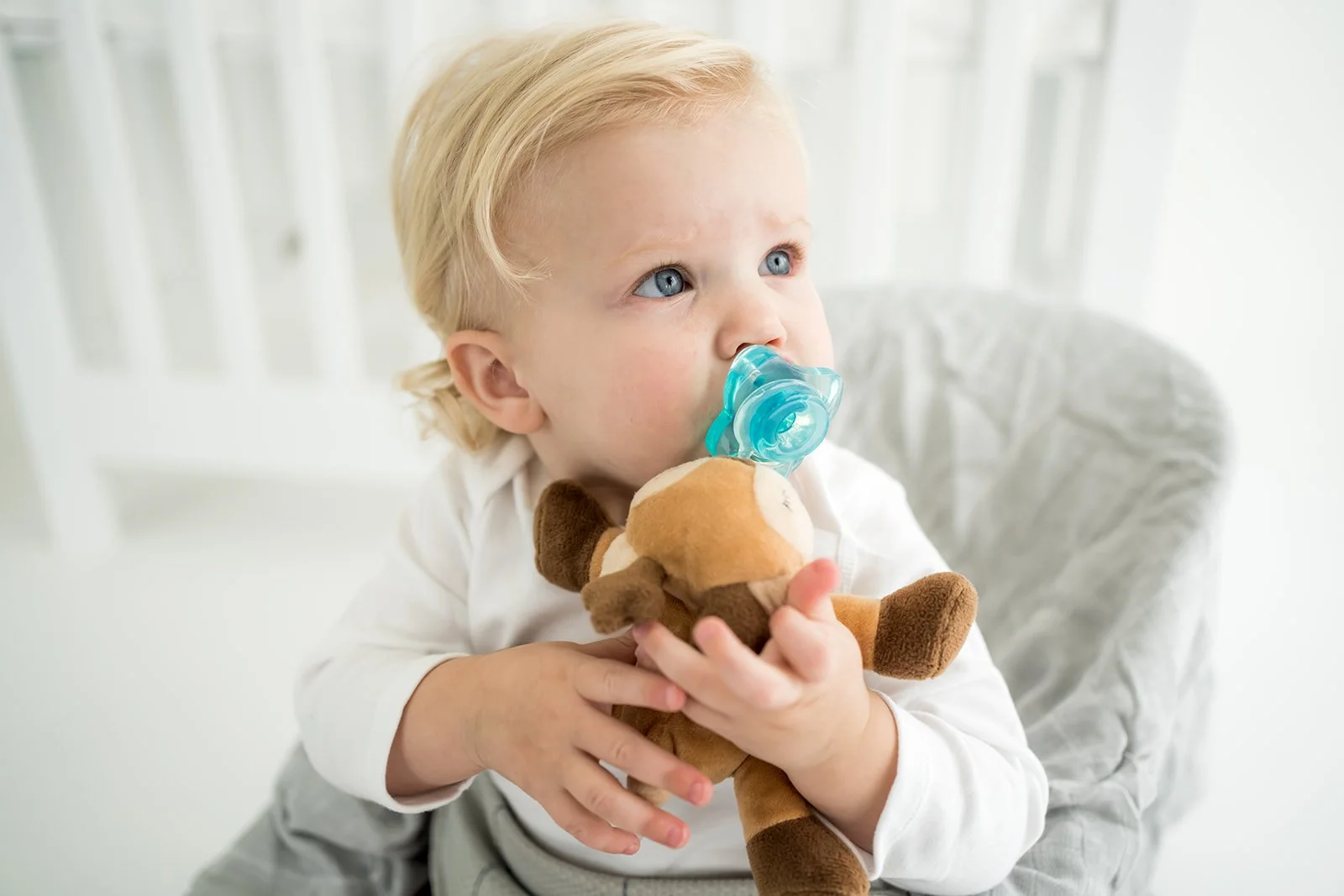
  • Pacifier moves around way too much, it can’t stay still.

  • Hard to attach a Soothie pacifier to it because of the small holes on pacifier and large ribbon that Jollypop used.

Queebi Pacibuddy

4.8 out of 5 based on 55 customer reviews in Amazon

Queebi pacibuddy pros:

  • Queebi pacibuddy has silicone ring, it attaches to more than 95% kind of pacifiers on the market, even to the Avent Soother, they are a perfect match.

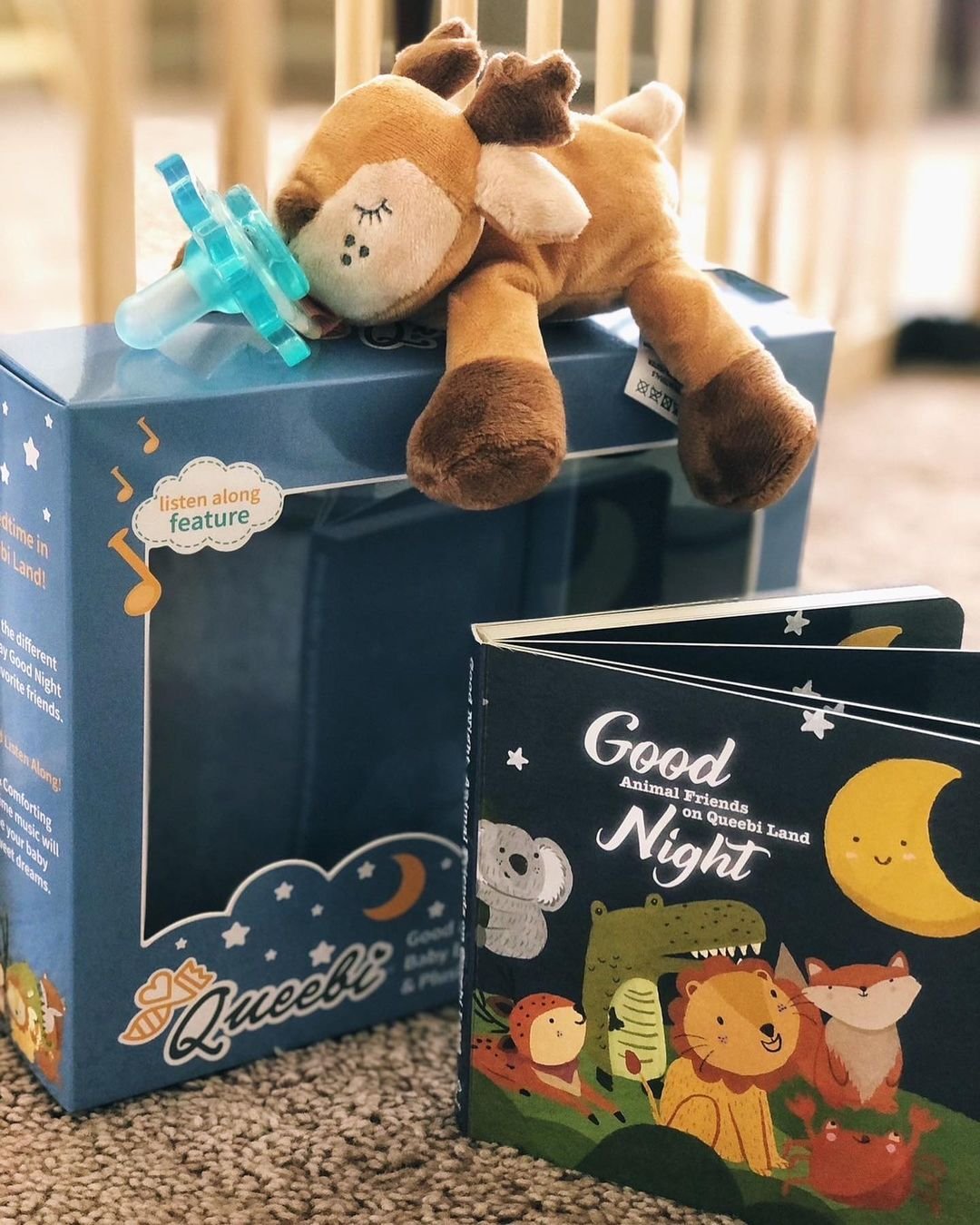
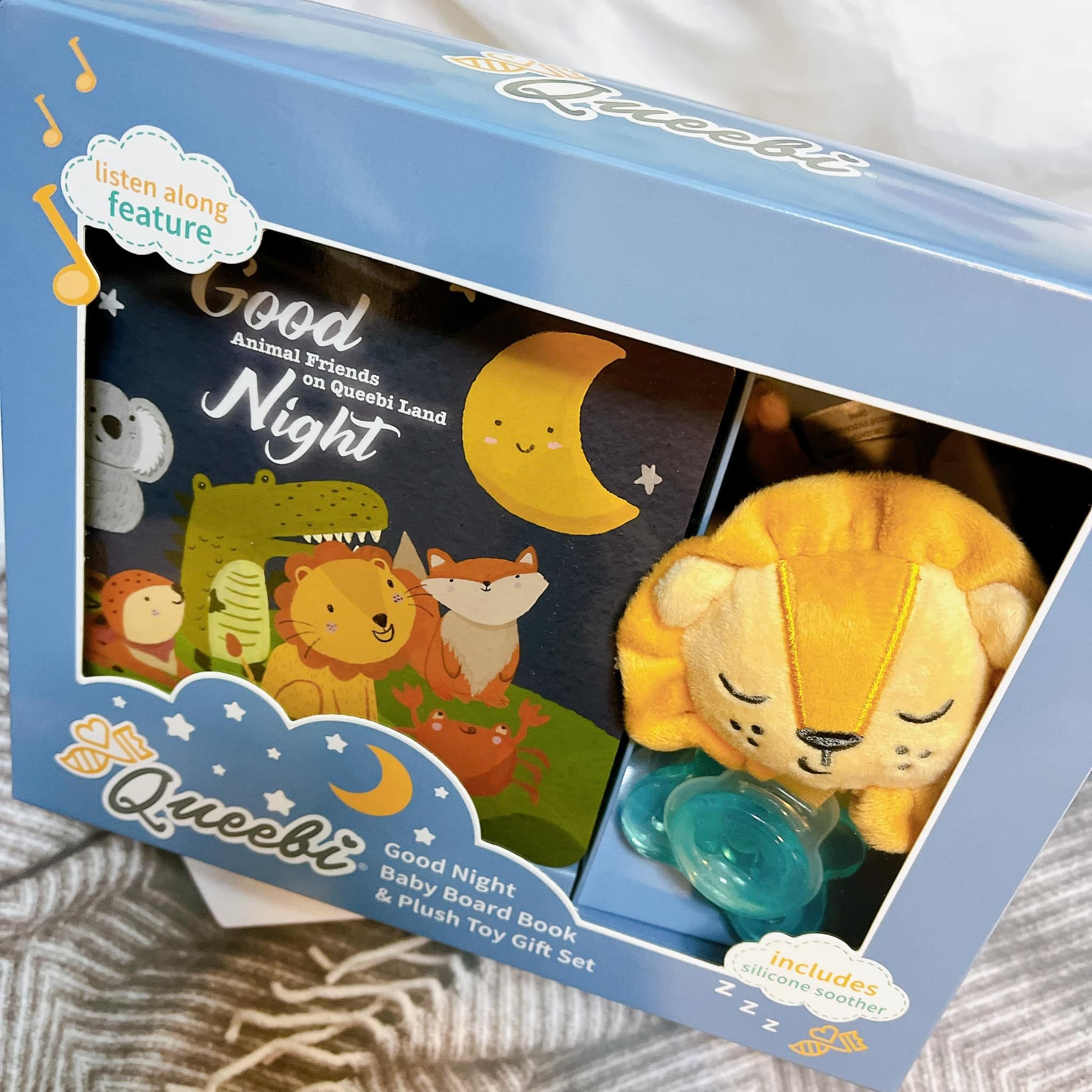
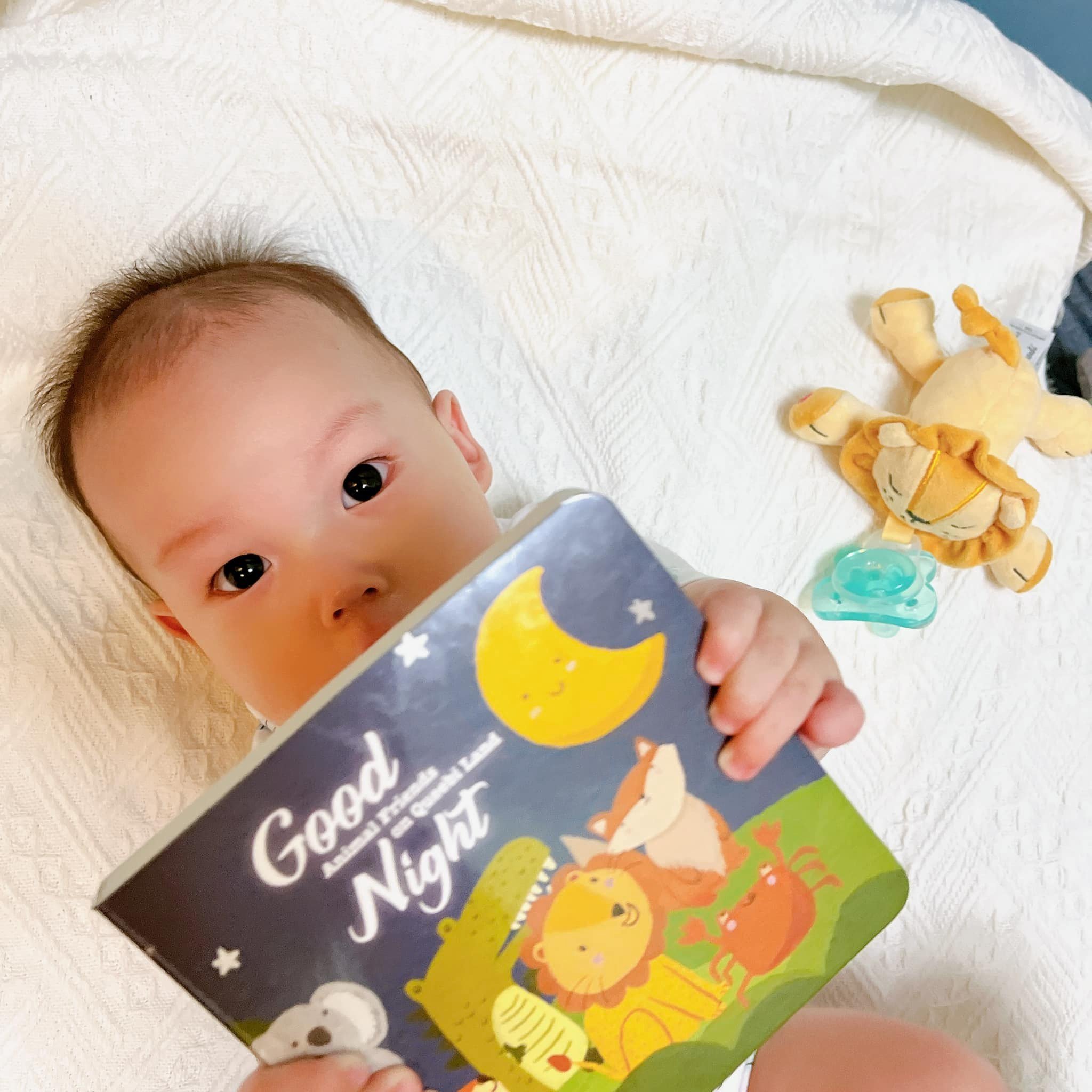
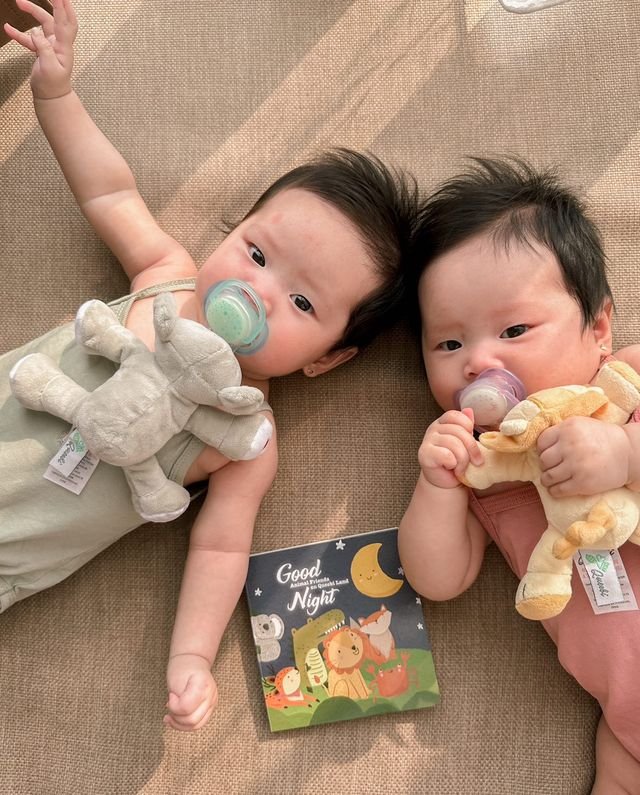
  • They have a gift set which contain a story book, the story book have a QR code on the back linked to the audio in their website. Very nice, you can play it as bedtime story while the kids are sleeping, or even read along with them.

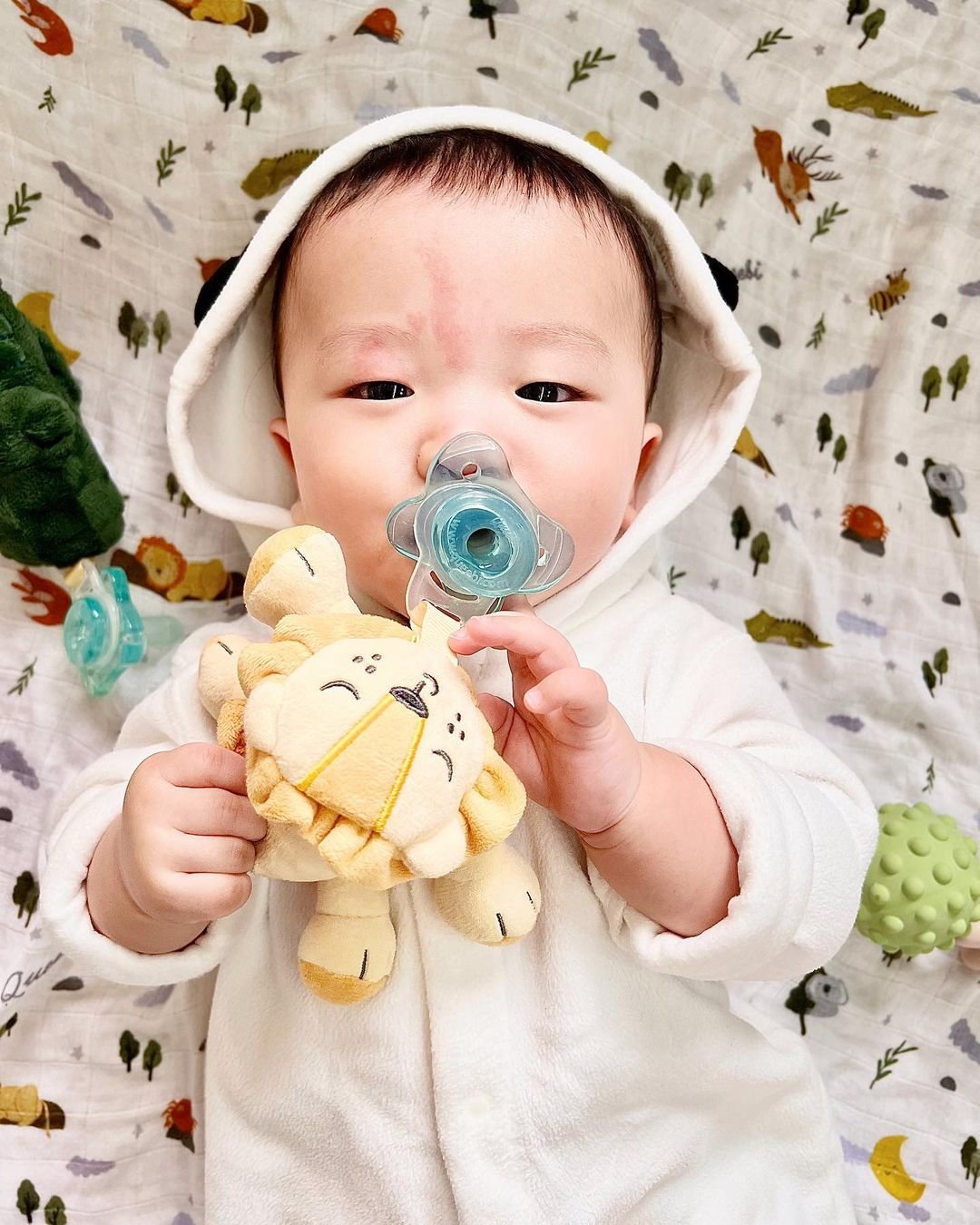
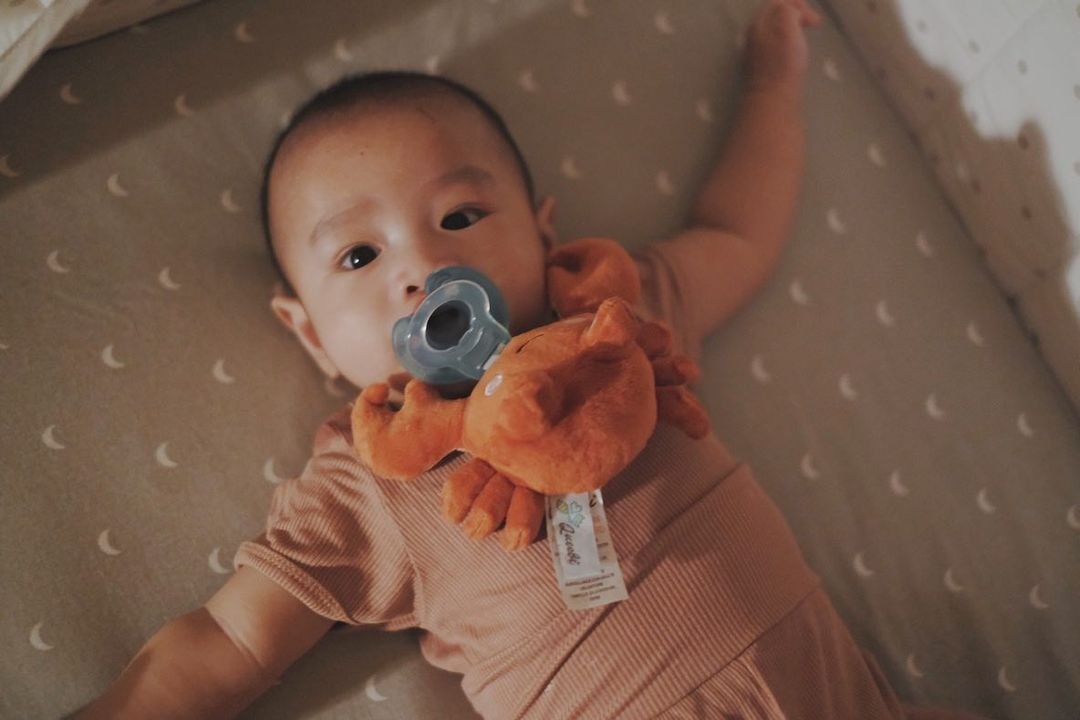
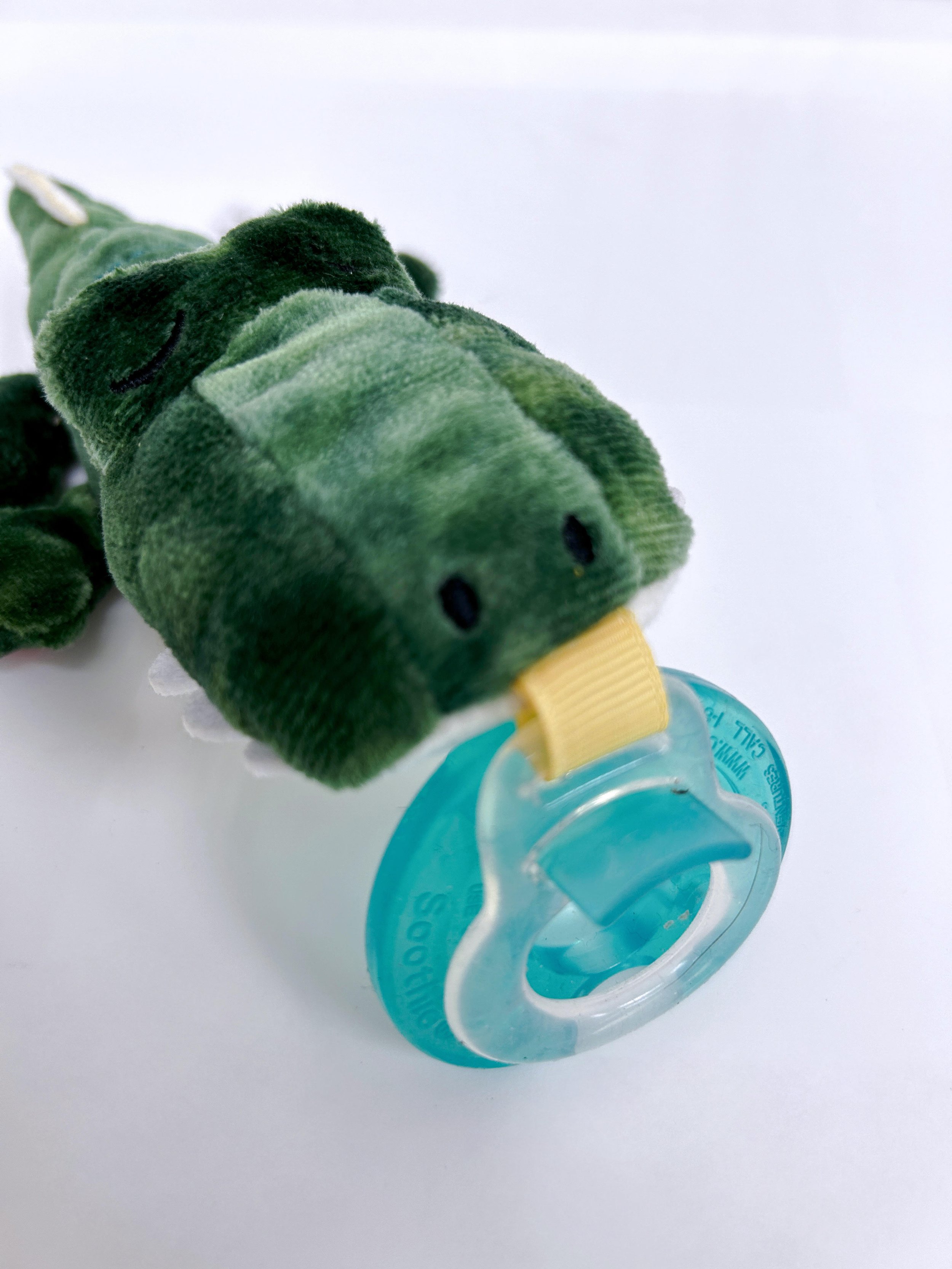
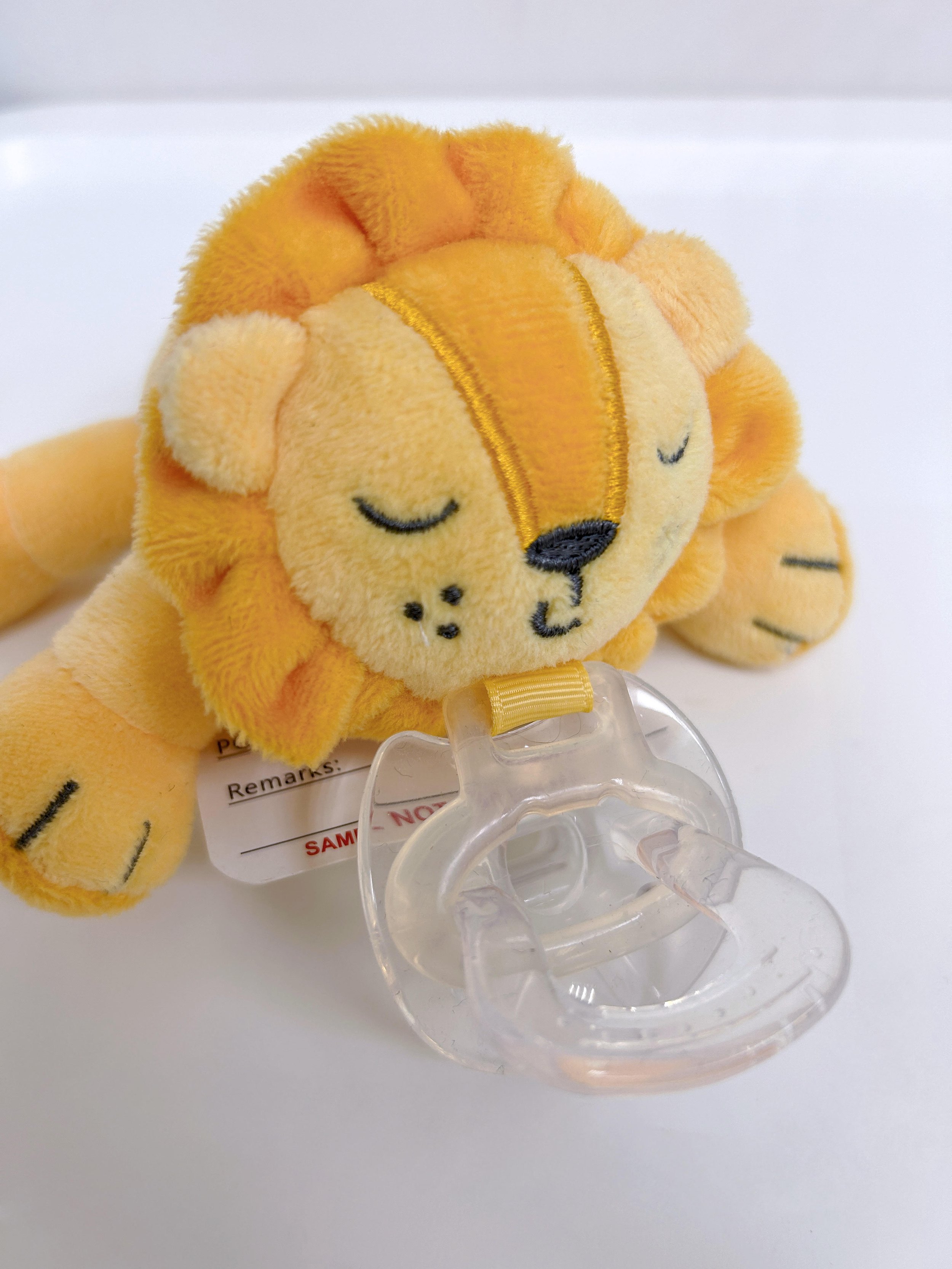
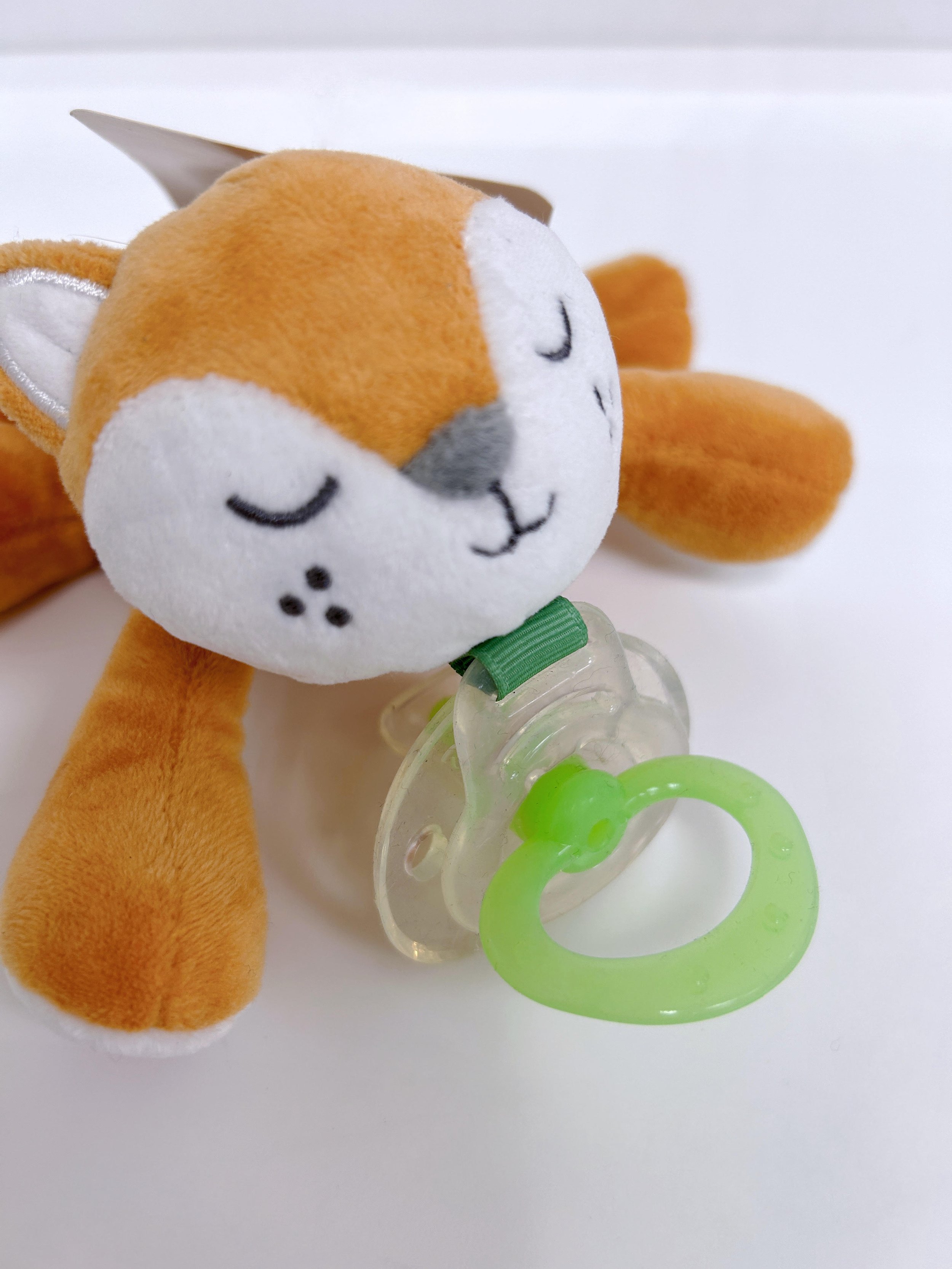
  • This is one thing I love the most: I am super duper loving the concept of different animals represent different characteristics. They have 6 main characthers: Crab, Crocodile, Deer, Fox, Koala, and Lion. Each animals have their own storyline which is very insteresting, check it here.

  • They have wide range of products, not only pacifier, they also have swaddle and comforters.

Queebi pacibuddy cons:

  • Some people said the plushies are a bit too small even for baby.

WubbaNub Infant Pacifier

4.8 out of 5 based on 385 customer reviews in Amazon

WubbaNub pros:

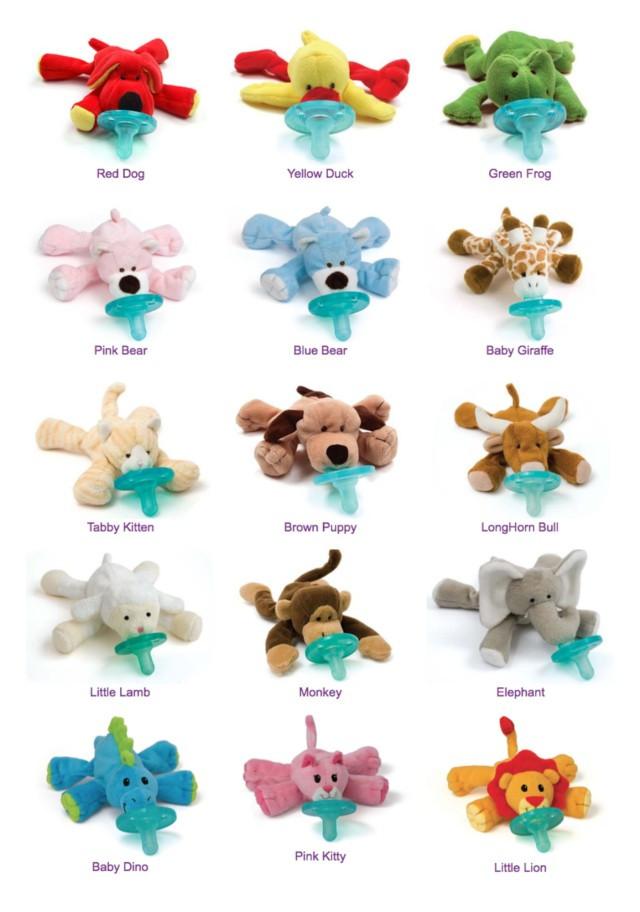
  • WubbaNub have more animals plushies to choose from, some are cuter.
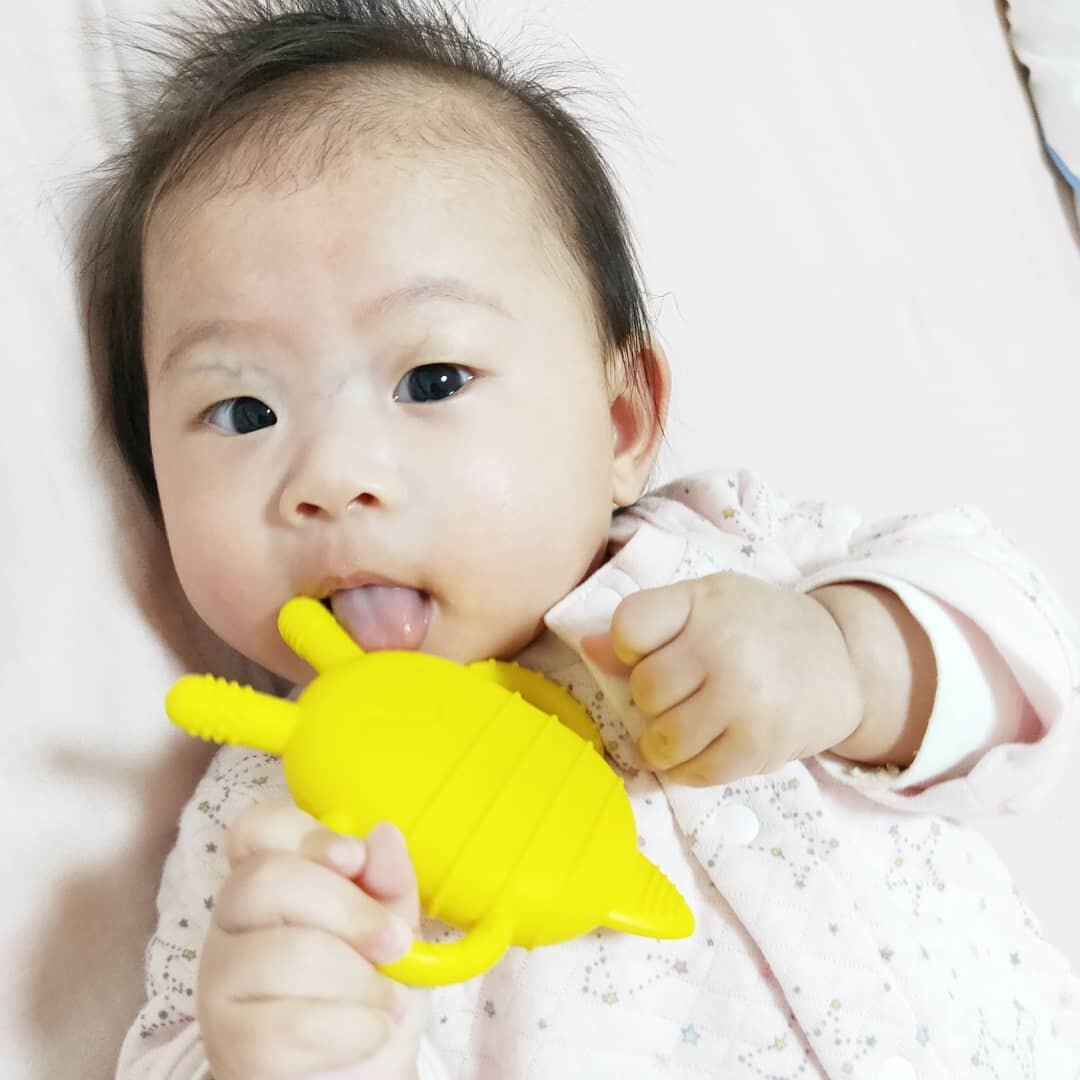
  • The weighted front feet which filled with beans help keep the pacifier in the mouth.

  • Cheaper price, yeay!

WubbaNub cons:

  • Because the Wubbanub is attached to a Soothie pacifier, it is only recommended for 0-6 months (not for baby with teeth).

  • Wubbanub is attached, there is no way to change out a damaged pacifier.
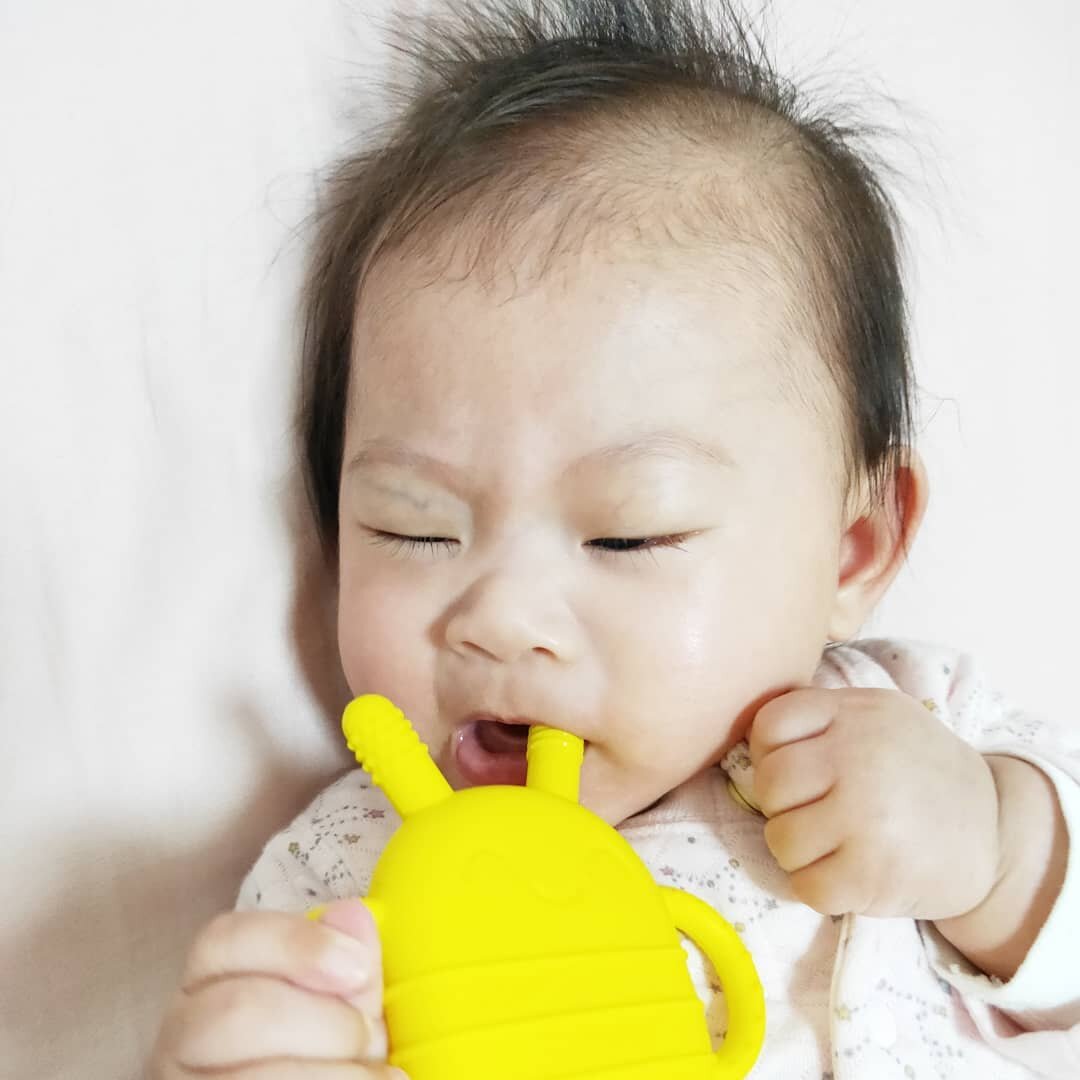
  • I’m sad to say that this smelled and even tasted like a rubber tire, but maybe it is only the one I received.
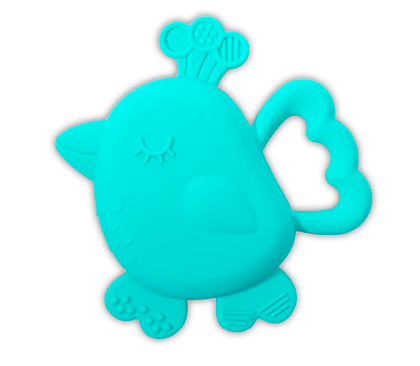
Nuby Calming Natural Flex Snuggleez Pacifier

4.4 out of 5 based on 102 customer reviews in Amazon

Nuby Calming Natural Flex Snuggleez pros:

  • A lot cheaper than any pacifier holder plushies brands.

Nuby Calming Natural Flex Snuggleez cons:

  • My baby was not able to keep pacifer in mouth. I don’t know whether it is too heavy or the pacifier is too hard.e!

The Solution to the Lost Pacifier: Why Queebi's Pacibuddy is a Must-Have

Every parent knows the scene: it's 3 AM, the baby is crying, and the pacifier has vanished into the dark depths of the crib. The constant search for a dropped or misplaced pacifier is one of the small but immense frustrations of early parenthood.

This is the exact problem that Wendy, a mother of two pacifier-loving babies and the founder of Queebi, set out to solve. She embarked on a creative adventure to develop the ultimate universal plush pacifier holder. The result is the Queebi Pacibuddy—a product designed not just to be cute, but to be a genuine problem-solver.

If you're a retailer wondering if this is the right product for your collection, the answer is simple: Queebi solves a universal problem, making it a perennial bestseller.

Why Queebi? The 5 Key Benefits

1. The Universal Solution (This is the Game-Changer)

The genius of the Queebi Pacibuddy is its patented silicone ring. It was intentionally designed to be compatible with the widest possible variety of name-brand pacifiers, including MAM™, Avent™, NUK™, Nuby™, and Soothie™. This removes the guesswork for parents and makes it an easy product for retailers to recommend, as it works with whatever pacifier a baby already prefers.

2. Easy to Find, Hard to Lose

The Pacibuddy's plush animal character makes the pacifier highly visible and easy for parents to find. More importantly, it gives the baby something soft and substantial to hold onto, helping them to find and replace their own pacifier, which is a crucial step toward self-soothing. No more lost pacifiers!

3. Supports Healthy Development

The Pacibuddy is more than a holder; it's a developmental toy.

  • Motor Skills: The plush body encourages the baby to practice their grasp and develop hand-eye coordination.

  • Sensory Development: The soft, cuddly texture provides tactile stimulation, engaging the baby's sense of touch.

4. Promotes Safety, Comfort, and Hygiene

Babies have a natural urge to suck, which is why pacifiers are so comforting. The Pacibuddy ensures a pacifier is always nearby to keep a baby calm, help them fall asleep faster, and provide comfort on the go. Better yet, it's easier to keep the Pacibuddy clean than a baby's hands or other random toys they might put in their mouth. All Pacibuddy characters are machine washable and made from BPA and Phthalate-free materials.

5. Reduces the Risk of SIDS

This is a critical benefit. The American Academy of Pediatrics has shown that babies who use pacifiers have a significantly lower risk of SIDS. The Pacibuddy helps by ensuring the pacifier is always safely within reach during naptime and bedtime.

How the Universal Ring Works

Queebi's innovative design is brilliantly simple:

  • For Pacifiers with a Button Knob (like MAM™ or NUK™): Simply stretch the silicone ring over the pacifier handle and onto the button knob for a secure fit.

  • For Pacifiers with a Tab Handle (like Soothie™): Locate the rectangular "Soothie-Slot" on the silicone ring and insert the pacifier's tab through the slot.

By solving a real parent problem with a safe, versatile, and high-quality design, Queebi has created a product that offers peace of mind to parents and delivers consistent sales for retailers. It's a true must-have.

Universal plush pacifier holder with that could be used with a wide variety of name brand infant pacifiers.

Our Queebi baby users from all over Asia, such as Taiwan, Indonesia, Vietnam, Japan, China and Korea.

Queebi Pacibuddy or WubbaNub?

Speaking of pacifiers, there may be many mothers who often panic when the little one cries for losing his pacifier. You can find two similar pacifier in market, one is Queebi and the other is Wubbanub, both of them have plushies into it, make parents and kids can find pacifier easily. Then the next question is which one is suitable for my baby? Are they safe for babies? Are they a truly solution for my crying baby?

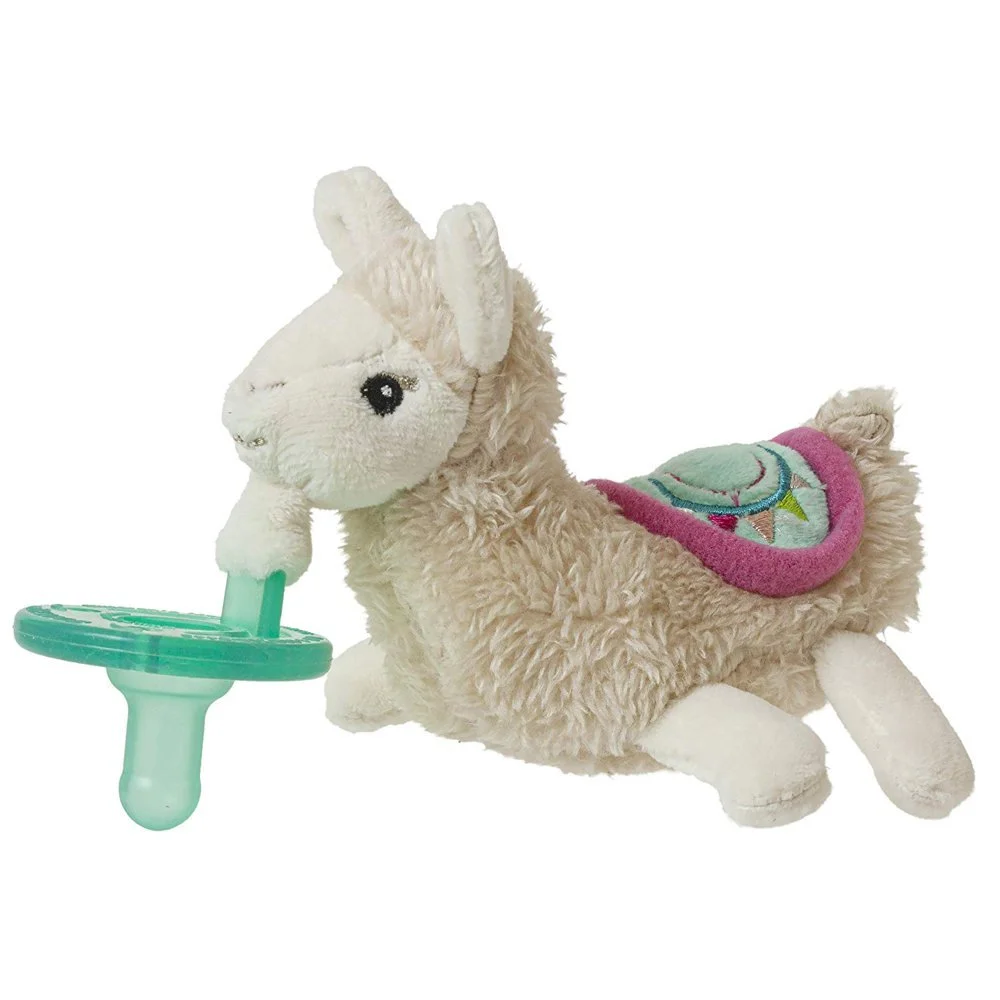
Wubbanub - Lily the llama

Queebi - Casper the Crab

Let us tell you pros and cons between each product.

Queebi pacibuddy pros:

  1. The first pacifier holder that suits most of pacifier brands, Nuk, Avent, Chicco, Shootie, etc.

  2. The pacifier it comes with is Queebi brand. Its a basic 0-6m orthodontic style.

  3. Each character has its own characteristic, it is the hope that parents would like to pass on the next generations. Check the full story here.

  4. The fur is soft, the entire thing is stuffed with Polyester.

  5. All Pacibuddy characters are machine washable.

  6. They're BPA and Phthalate free.

  7. They have 3 main product line so far, bed time, play time, and meal time. Providing a complete range for baby and parents to choose.

Queebi paci-plushies cons:

  1. Some buyers report that without the weighted feet, pacifier may still fall out of the baby's mouth until he/she is old enough to hold it in.

  2. Due to the ever changing market, some pacifiers might not fit the ring snuggly.

Read more: Does baby really need pacifier?

WubbaNub pros:

  1. They’ve been in business over a decade.

  2. WubbaNub have more animals plushies to choose from, some are cuter.

  3. The weighted front feet which filled with beans help keep the pacifier in the mouth.

  4. BPA, PVC and Phthalate Free.

  5. Plushies and pacifiers are sewn together, they are undetachable.

  6. They have 2 collection, WubbaNub lovey and WubbaNub pacifier. Certain styles are cheaper than Nookums paci-plushies.

WubbaNub cons:

  1. Because the Wubbanub is attached to a Soothie pacifier, it is only recommended for 0-6 months (not for baby with teeth).

  2. Wubbanub is attached, there is no way to change out a damaged pacifier or if baby prefers a different style or brand of pacifier, or even teether.

Read more: 9 Modern moms must have items

Queebi Pacibuddy or WubbaNub?

Like every parenting issue, there is no one right or wrong answer. It will depend on what the individual child likes. But, here to mention, have you ever read your pacifier’s welcome instruction? Probably not, I’m guessing.

Actually in every pacifier’s welcome instruction, they told parents not to user longer than 2 months. If you use WubbaNub, it means you need to change WubbaNub every 2 months, since they plushies and pacifier is undetachable. You can rip the seams on your wub and replace the soothie but it won’t be easy.

Your Baby's First Year: A Guide to 10 Major Developmental Milestones

The first year of a baby's life is a whirlwind of incredible growth. Many important developmental stages are achieved in these first 12 months. While babies throughout the world experience the same stages of development, they each reach them at their own unique time.

So, what kind of amazing abilities will your baby develop from 0-12 months? Here are 10 major milestones to watch for.

10 Milestones in Your Baby's First Year

1. The First Real Smile

After about two months of sleepless nights and endless crying, you get the ultimate reward: your baby’s first real, social smile. They'll start responding to the familiar sound of your voice or your silly faces with a heart-melting grin.

2. The First Laugh

If you are getting tired of just coos and cries, be patient! Around the 4-month mark, your little one will begin to make another, even more delightful sound: laughter! Get ready to play endless games of "peek-a-boo" just to hear that joyous giggle.

3. Sleeping Through the Night

This might be the milestone that new parents await more than any other. While every baby is different, many infants develop the ability to sleep for a long, consistent stretch overnight between 4 and 6 months of age. Hang in there, parents!

4. Rolling Over

Around 4 to 6 months, your baby will likely master their first major motor skill: rolling over. They usually learn to roll from their tummy to their back first. This is their first taste of independent movement and a sign that you'll need to start being extra vigilant during diaper changes!

5. Sitting Up Unassisted

Between 6 and 7 months, your baby will likely develop the core strength to sit up all by themselves. This is a huge game-changer, as it frees up their hands to play and gives them a brand new, upright perspective on the world around them.

6. Trying Solid Foods

The adventure of eating begins at around 6 months! This is when you can start introducing solid foods and letting your baby explore a whole new world of tastes and textures. It's a fun, messy, and essential part of their development.

7. Crawling

Get ready—your baby is on the move! Between 7 and 10 months, most babies start crawling. Whether they do a classic crawl, a "scoot," or an army crawl, this newfound mobility means your little one will be exploring every corner of the house. Time to baby-proof!

8. Pulling Up to Stand

After mastering life on the floor, your baby will look for new heights. Around 9 to 10 months, you'll likely find them using furniture (and your legs) to pull themselves up to a standing position. This is a clear sign that they are building the strength and coordination needed for their first steps.

9. Mastering the Pincer Grasp

Around 9 to 12 months, your baby will refine their fine motor skills by mastering the "pincer grasp"—the ability to pick up small objects between their thumb and forefinger. This is a critical skill for self-feeding small snacks like puffs or peas.

10. Saying the First Words

Perhaps the most anticipated milestone of all! Around their first birthday, many babies will say their first word, which is very often "mama" or "dada." Hearing your baby call for you by name for the first time is a truly unforgettable moment.

Remember, every baby is unique and will reach these milestones on their own timeline. The most important thing is to celebrate each new achievement and enjoy the incredible journey of their first year. If you ever have concerns about your child's development, don't hesitate to speak with your pediatrician.

A child must know that he is a miracle, that since the beginning of the world there hasn’t been, and until the end of the world there will not be, another child like him.
— Pablo Casals
36148038_441744876289194_6390680950107275264_n.jpg

Does Your Baby Need a Pacifier? The Pros, Cons, and How to Choose

Every parent has a unique perspective on pacifiers. Some see them as an essential tool for soothing a fussy baby, while others worry about potential issues like "nipple confusion," a drop in milk supply, or long-term dental problems. So, what's the real story?

Does a Baby Truly Need a Pacifier?

The truth is, it depends on the baby. Some infants are naturally able to soothe themselves, often by sucking on their thumbs or fingers—a habit that can start even before they're born. For many others, the strong, instinctual sucking reflex finds comfort and calm in a pacifier.

The American Academy of Pediatrics offers guidance for breastfeeding mothers. To avoid any potential nipple confusion, they suggest waiting until your baby is breastfeeding well and your milk supply is established, which is often around your baby’s one-month birthday. If nursing is going well and your baby is gaining weight on a regular schedule, you can give them a pacifier after feedings to satisfy their need to suck without interfering with nourishment.

The Surprising Benefits of Using a Pacifier

While soothing a fussy baby is the most obvious benefit, it's not the only one.

  • Reduced Risk of SIDS: Research by the American Academy of Pediatrics has shown that giving infants a pacifier at nighttime and for naps can help reduce the risk of Sudden Infant Death Syndrome (SIDS). The protective effect is still present even if the baby spits the pacifier out after falling asleep.

  • A Habit That's Easier to Break: A pacifier habit is often easier to manage and eventually break than a thumb-sucking habit. After all, you can't misplace a thumb, but you can decide when a pacifier is no longer needed.

  • Parental Peace of Mind: As a new parent, comforting your baby is a top priority. A pacifier can be an invaluable tool for calming your little one, which in turn helps calm you.

The only time pacifier use might be restricted is if a child is particularly prone to ear infections, as constant sucking can sometimes interfere with ear tube drainage.

How to Choose the Best Pacifier for Your Baby

When it's time to choose a pacifier, focus on these key features rather than just a brand name.

1. Construction and Material

Look for pacifiers with a one-piece construction, as these are the safest. There are no separate parts that could break off and become a choking hazard. The best material is 100% medical-grade or food-grade silicone that is soft, durable, and free of BPA and other harmful chemicals.

2. Nipple Shape

You will generally find two types: a classic, rounded nipple and an orthodontic nipple. Orthodontic pacifiers are specially shaped—flattened on the bottom and rounded at the top—to support the natural development of your baby's palate and jaw.

3. Shield Design

The shield is the part that rests against your baby’s face. It should be large enough that your baby cannot fit the entire pacifier in their mouth. Crucially, it must have ventilation holes to allow for air circulation. Some modern designs are even handle-free to prevent a baby from getting distracted.

4. Compatibility with Accessories

For convenience, consider a pacifier that is compatible with a holder or clip. Paci-plushies (a pacifier attached to a small stuffed animal) can make the pacifier easier for a baby to find and hold on their own.

When Is It Time to Say Goodbye to the Binky?

To avoid potential dental effects, it's best to start phasing out the pacifier once your child is around two or three years old. While significant changes to the jawbone typically don't begin until age four, it's always a good idea to discuss your child's pacifier use with your dentist during regular check-ups.

A Buyer's Guide: How to Choose the Perfect Teether for Your Baby

Editor's Note:

Please be aware that BabyLux no longer distributes Hashtag Kidz products. We have updated this article to serve as a helpful guide for parents and retailers on the key features to look for when selecting a safe, effective, and hygienic teether.

To explore our current collection of expert-selected, high-quality products from our trusted brand partners, please click here.


Teething is a major milestone, but it can be a tough time for both babies and parents. As your little one starts to experience sore gums, a high-quality teether becomes an essential tool. But with so many options on the market, how do you choose the right one?

Driven by a need for thoughtful functionality and innovative design, the best baby products are often born from parents' own experiences. When it comes to teethers, this means moving beyond a simple piece of plastic to create an "all-in-one" solution that is safe, soothing, and easy for parents to manage.

The Checklist for the Perfect Teether

Look for products that are friendly to the planet and, most importantly, safe for your baby. Here are the key features that parents and kids love, and what you should look for when making your choice.

1. Safety First: Material Matters

The first consideration should always be safety. Look for teethers made from 100% food-grade silicone. This material is soft, durable, and free of any harmful toxins like BPA, PVC, or phthalates. It's gentle on your baby's gums and gives you peace of mind.

2. Designed for Tiny Hands

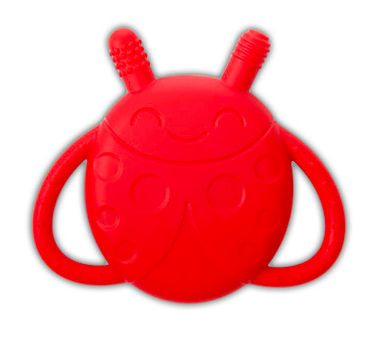
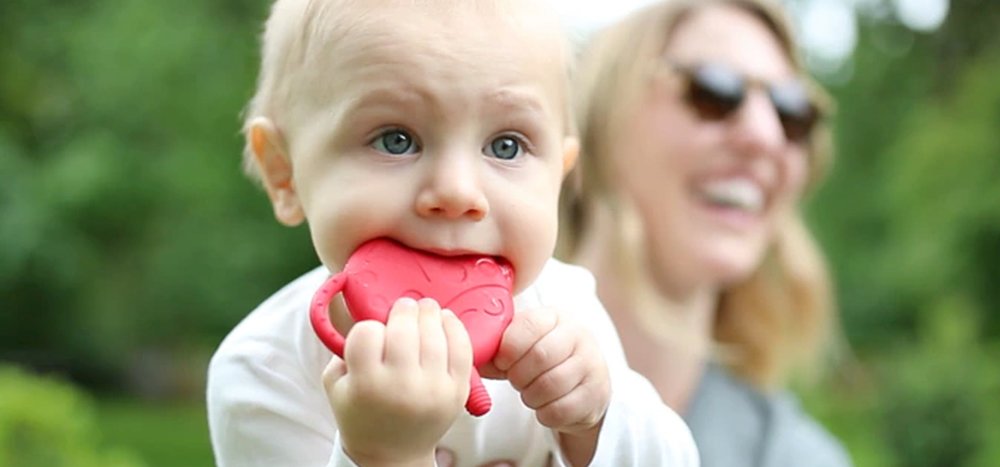
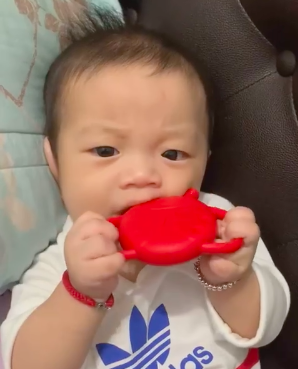
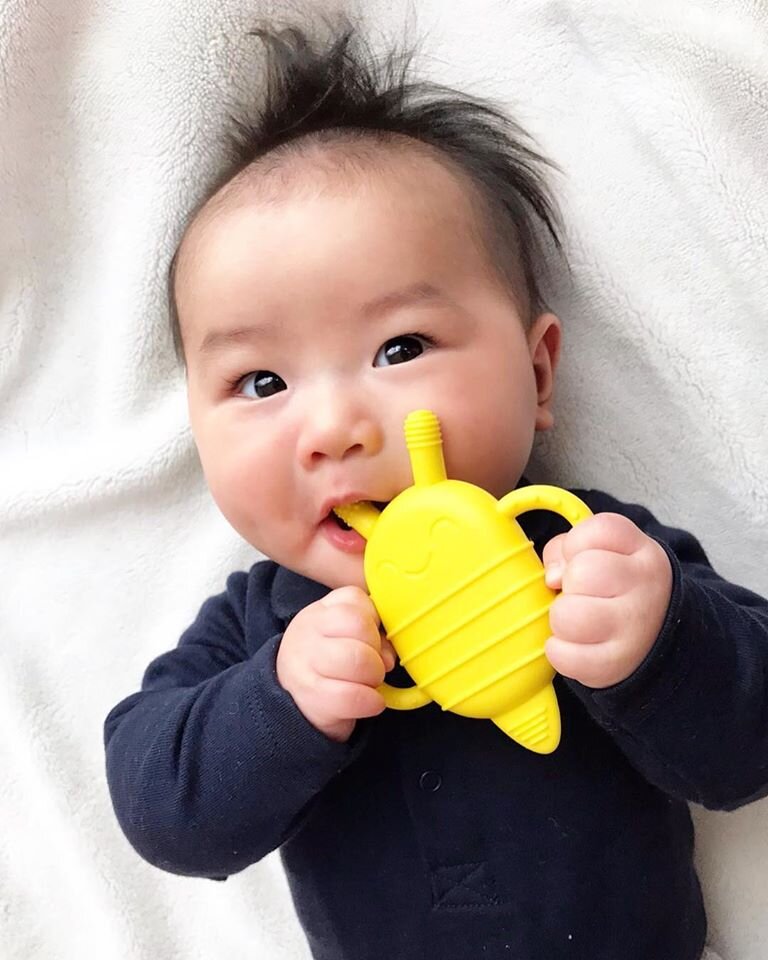
A teether is only effective if your baby can use it. Look for easy-grip handles that are ergonomically designed for tiny hands to hold securely. This empowers your baby to soothe themselves independently.

3. Soothing Textures, Bumps, and Grooves

The primary job of a teether is to provide relief. The best designs feature a variety of textured surfaces. These fun-to-chew bumps and grooves gently massage your baby's gums, providing comfort and sensory stimulation. Bright, engaging colors are also a wonderful feature that can help stimulate your baby and bring a smile to their face.

4. Hygiene on the Go is a Must

Let's be honest: baby items spend a lot of time on the go—and on the floor. A teether designed with hygiene in mind is a game-changer for parents.

Say goodbye to germs!

Look for innovative features that offer double hygienic protection. This can include:

  • An included carrying case to keep it clean in a diaper bag or purse.

  • A clever "flip n' fold" design that covers the teething surfaces when not in use.

  • A handle that can easily be attached to a pacifier holder to prevent it from being dropped.

5. Easy to Clean

A teether should be simple to clean. Food-grade silicone makes this easy, as most are dishwasher safe or can be quickly washed with soap and water.

An award-winning teether is often one that successfully combines all these elements into a single, smart product. By prioritizing safety, ergonomics, and hygiene, you can find the perfect all-in-one teether to help your baby (and you!) get through the teething phase.

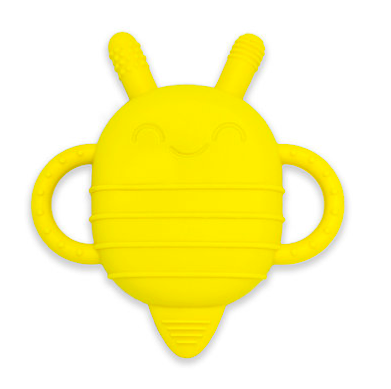
Hashtag Kidz ChewBuddy, world's first on-to-go teether