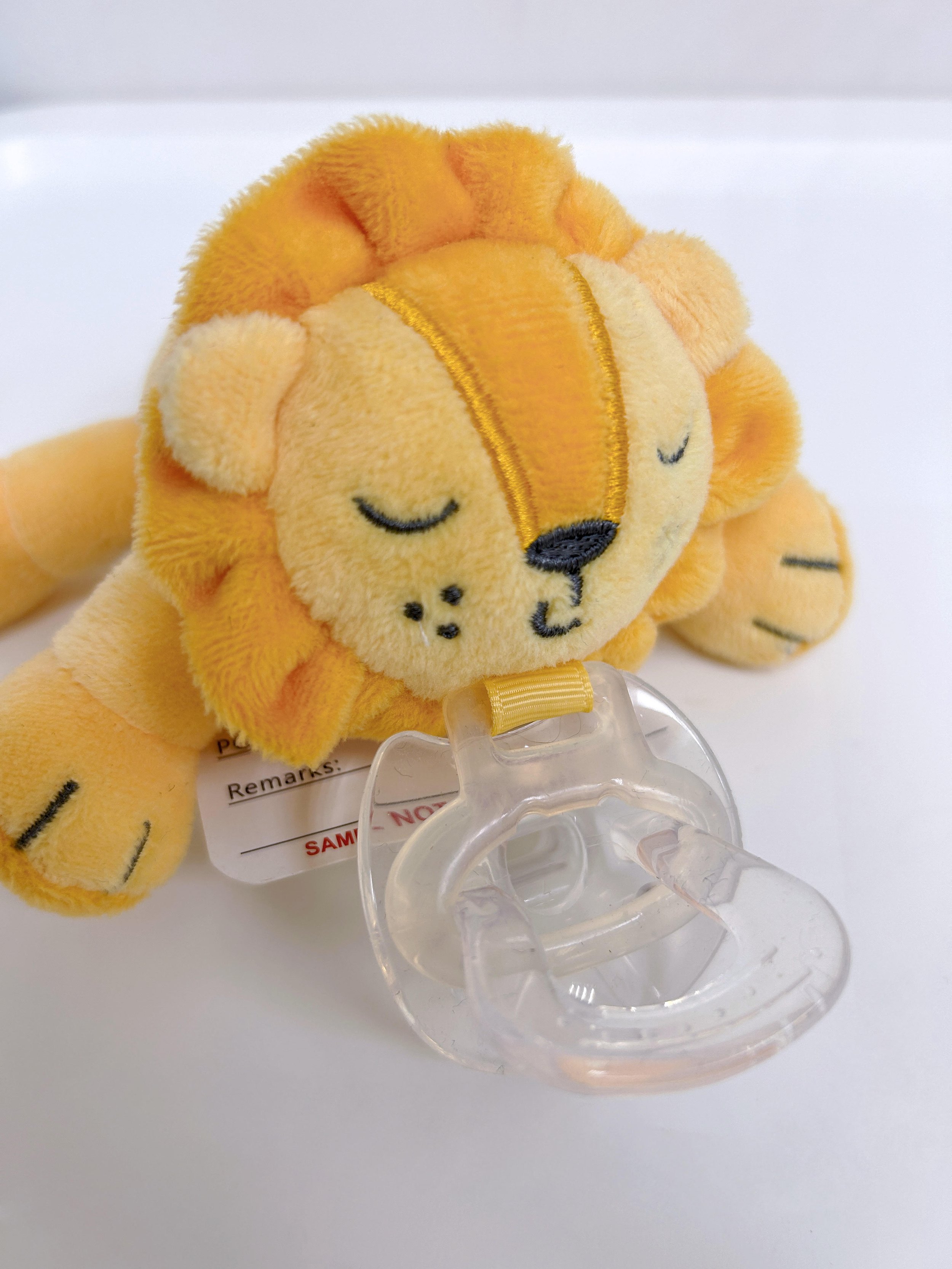
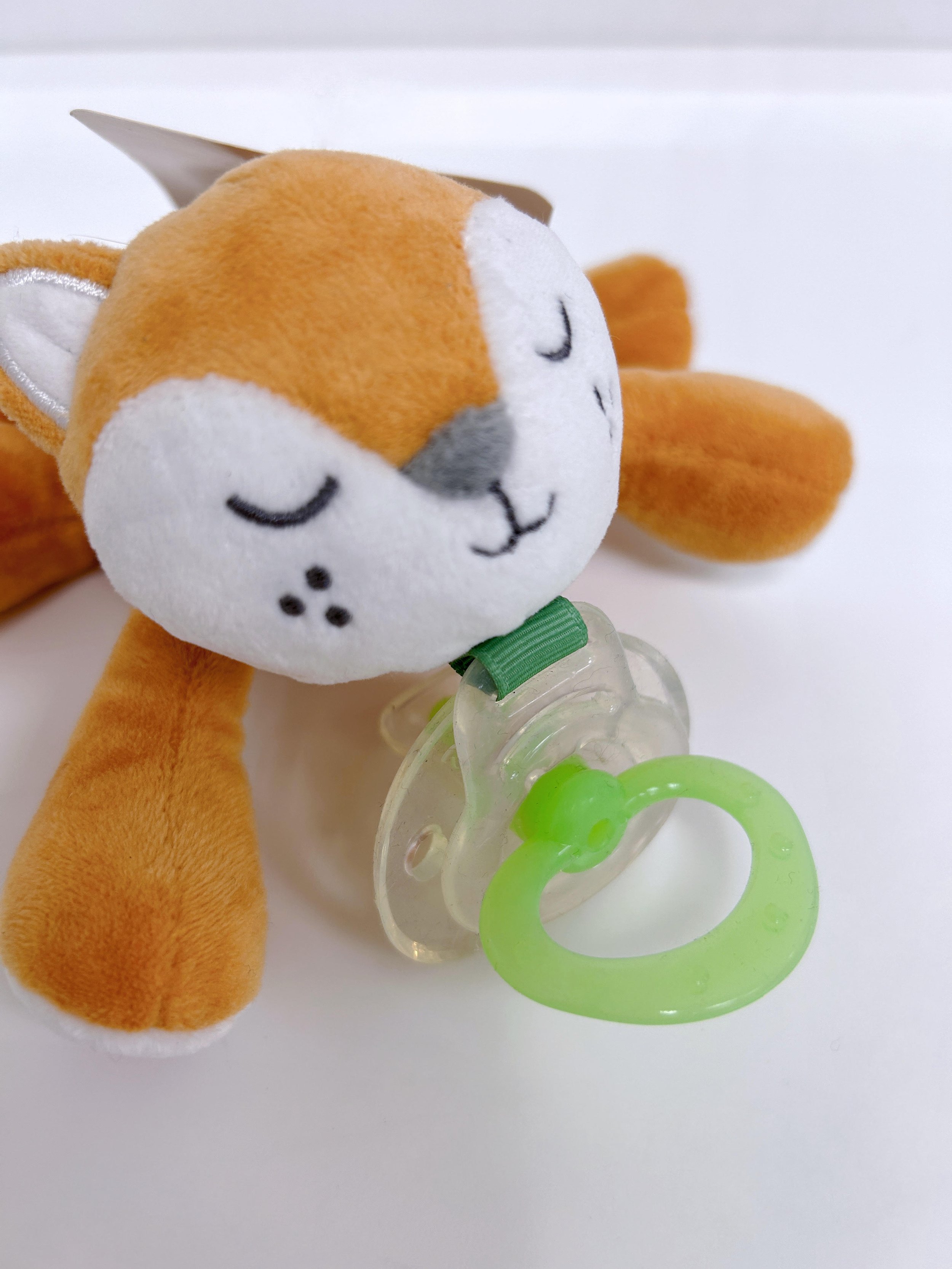
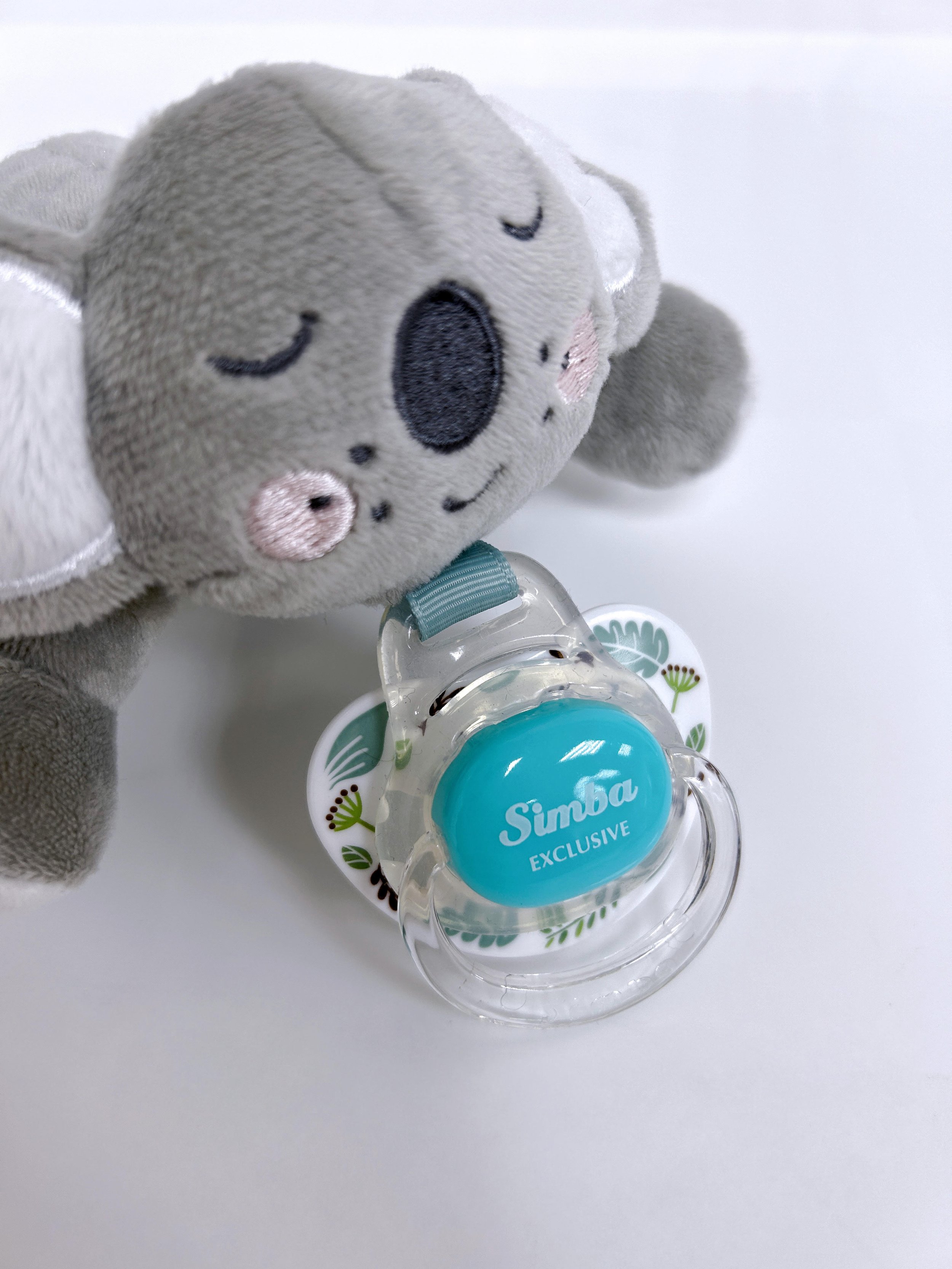
Queebi Pacibuddy or WubbaNub?

Speaking of pacifiers, there may be many mothers who often panic when the little one cries for losing his pacifier. You can find two similar pacifier in market, one is Queebi and the other is Wubbanub, both of them have plushies into it, make parents and kids can find pacifier easily. Then the next question is which one is suitable for my baby? Are they safe for babies? Are they a truly solution for my crying baby?
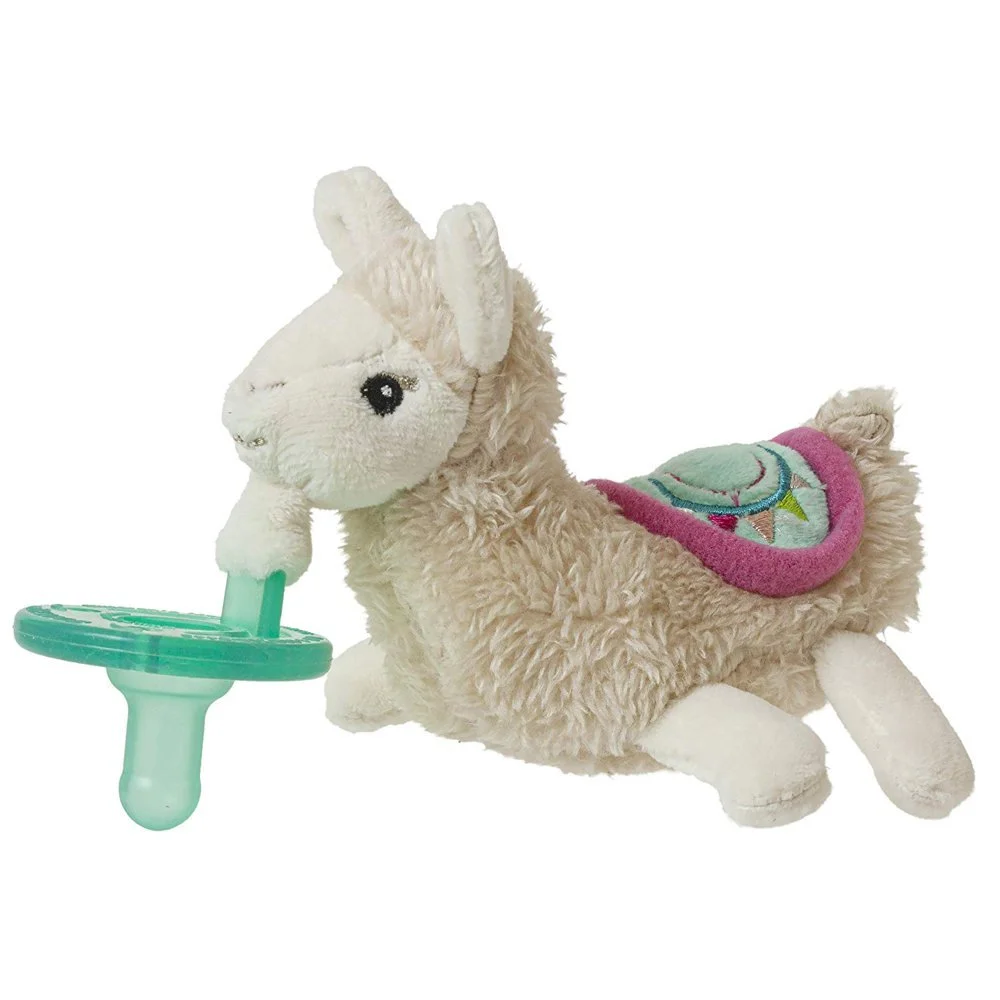
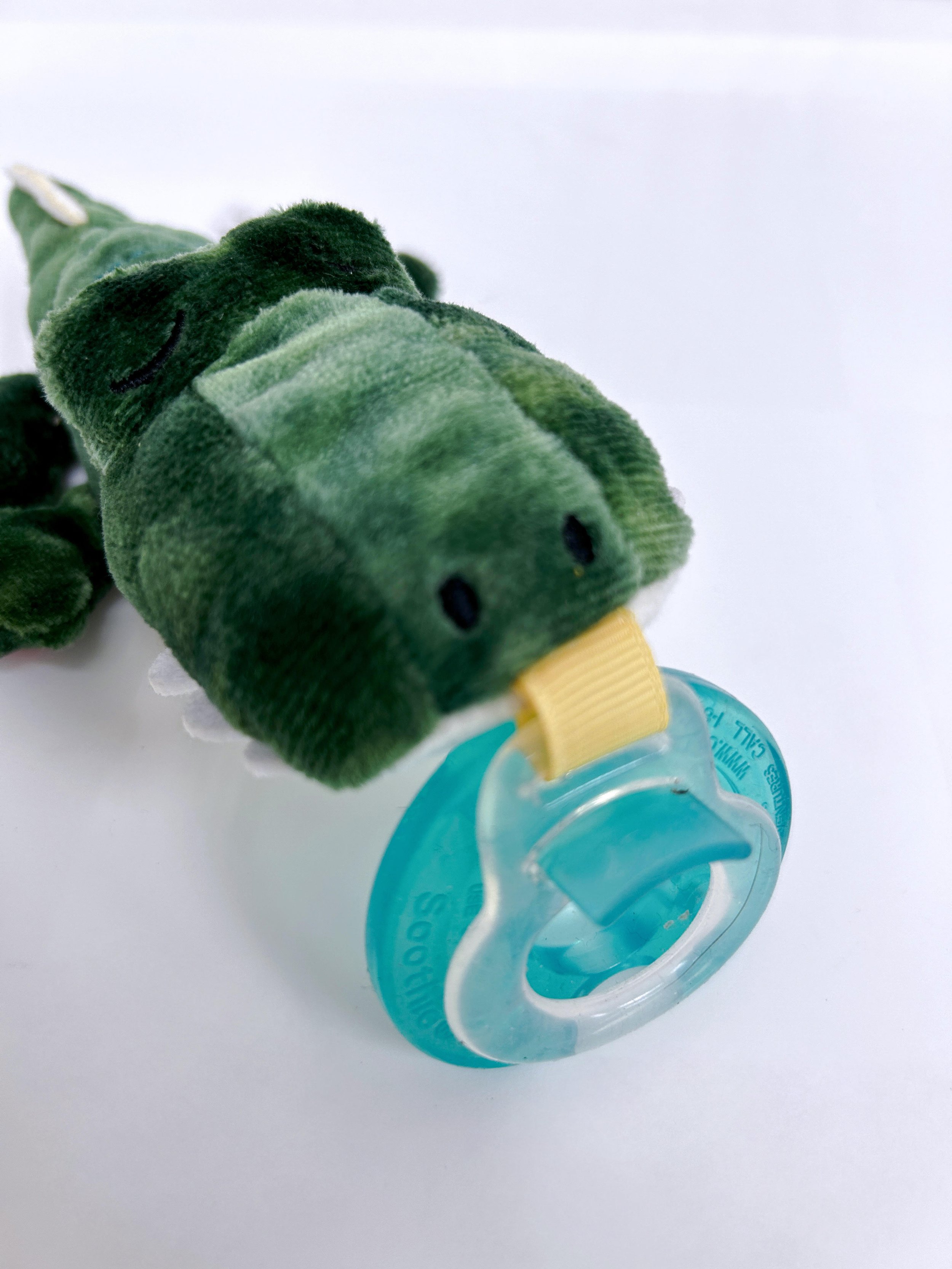
Wubbanub - Lily the llama

Queebi - Casper the Crab

Let us tell you pros and cons between each product.

Queebi pacibuddy pros:

  1. The first pacifier holder that suits most of pacifier brands, Nuk, Avent, Chicco, Shootie, etc.

  2. The pacifier it comes with is Queebi brand. Its a basic 0-6m orthodontic style.

  3. Each character has its own characteristic, it is the hope that parents would like to pass on the next generations. Check the full story here.

  4. The fur is soft, the entire thing is stuffed with Polyester.

  5. All Pacibuddy characters are machine washable.

  6. They're BPA and Phthalate free.

  7. They have 3 main product line so far, bed time, play time, and meal time. Providing a complete range for baby and parents to choose.

Queebi paci-plushies cons:

  1. Some buyers report that without the weighted feet, pacifier may still fall out of the baby's mouth until he/she is old enough to hold it in.

  2. Due to the ever changing market, some pacifiers might not fit the ring snuggly.
Read more: Does baby really need pacifier?

WubbaNub pros:

  1. They’ve been in business over a decade.

  2. WubbaNub have more animals plushies to choose from, some are cuter.

  3. The weighted front feet which filled with beans help keep the pacifier in the mouth.

  4. BPA, PVC and Phthalate Free.

  5. Plushies and pacifiers are sewn together, they are undetachable.

  6. They have 2 collection, WubbaNub lovey and WubbaNub pacifier. Certain styles are cheaper than Nookums paci-plushies.

WubbaNub cons:

  1. Because the Wubbanub is attached to a Soothie pacifier, it is only recommended for 0-6 months (not for baby with teeth).

  2. Wubbanub is attached, there is no way to change out a damaged pacifier or if baby prefers a different style or brand of pacifier, or even teether.

Read more: 9 Modern moms must have items
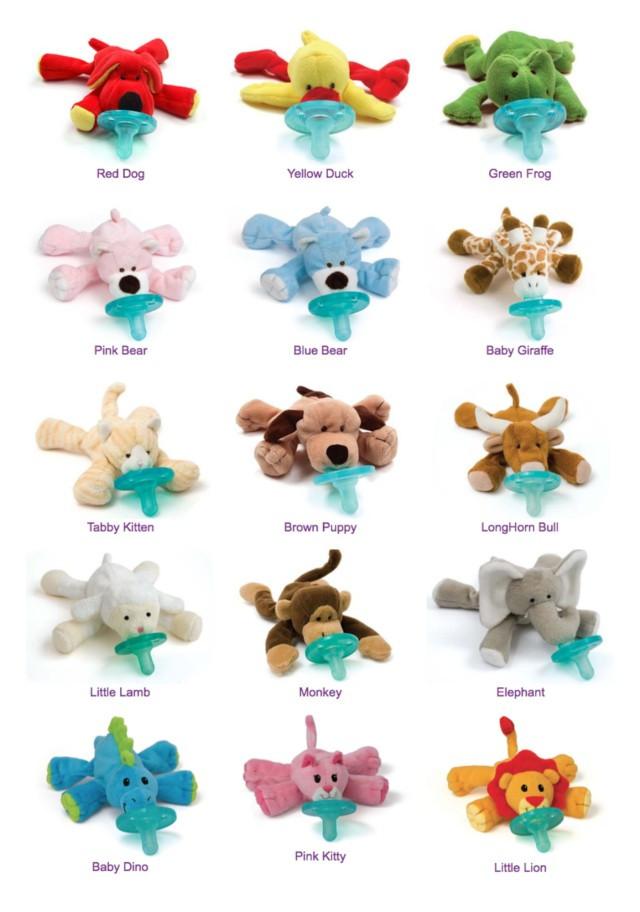
Queebi Pacibuddy or WubbaNub?

Like every parenting issue, there is no one right or wrong answer. It will depend on what the individual child likes. But, here to mention, have you ever read your pacifier’s welcome instruction? Probably not, I’m guessing.

Actually in every pacifier’s welcome instruction, they told parents not to user longer than 2 months. If you use WubbaNub, it means you need to change WubbaNub every 2 months, since they plushies and pacifier is undetachable. You can rip the seams on your wub and replace the soothie but it won’t be easy.
Does Your Baby Need a Pacifier? The Pros, Cons, and How to Choose

Every parent has a unique perspective on pacifiers. Some see them as an essential tool for soothing a fussy baby, while others worry about potential issues like "nipple confusion," a drop in milk supply, or long-term dental problems. So, what's the real story?

Does a Baby Truly Need a Pacifier?

The truth is, it depends on the baby. Some infants are naturally able to soothe themselves, often by sucking on their thumbs or fingers—a habit that can start even before they're born. For many others, the strong, instinctual sucking reflex finds comfort and calm in a pacifier.

The American Academy of Pediatrics offers guidance for breastfeeding mothers. To avoid any potential nipple confusion, they suggest waiting until your baby is breastfeeding well and your milk supply is established, which is often around your baby’s one-month birthday. If nursing is going well and your baby is gaining weight on a regular schedule, you can give them a pacifier after feedings to satisfy their need to suck without interfering with nourishment.

The Surprising Benefits of Using a Pacifier

While soothing a fussy baby is the most obvious benefit, it's not the only one.

  • Reduced Risk of SIDS: Research by the American Academy of Pediatrics has shown that giving infants a pacifier at nighttime and for naps can help reduce the risk of Sudden Infant Death Syndrome (SIDS). The protective effect is still present even if the baby spits the pacifier out after falling asleep.

  • A Habit That's Easier to Break: A pacifier habit is often easier to manage and eventually break than a thumb-sucking habit. After all, you can't misplace a thumb, but you can decide when a pacifier is no longer needed.

  • Parental Peace of Mind: As a new parent, comforting your baby is a top priority. A pacifier can be an invaluable tool for calming your little one, which in turn helps calm you.

The only time pacifier use might be restricted is if a child is particularly prone to ear infections, as constant sucking can sometimes interfere with ear tube drainage.

How to Choose the Best Pacifier for Your Baby

When it's time to choose a pacifier, focus on these key features rather than just a brand name.

1. Construction and Material

Look for pacifiers with a one-piece construction, as these are the safest. There are no separate parts that could break off and become a choking hazard. The best material is 100% medical-grade or food-grade silicone that is soft, durable, and free of BPA and other harmful chemicals.

2. Nipple Shape

You will generally find two types: a classic, rounded nipple and an orthodontic nipple. Orthodontic pacifiers are specially shaped—flattened on the bottom and rounded at the top—to support the natural development of your baby's palate and jaw.

3. Shield Design

The shield is the part that rests against your baby’s face. It should be large enough that your baby cannot fit the entire pacifier in their mouth. Crucially, it must have ventilation holes to allow for air circulation. Some modern designs are even handle-free to prevent a baby from getting distracted.

4. Compatibility with Accessories

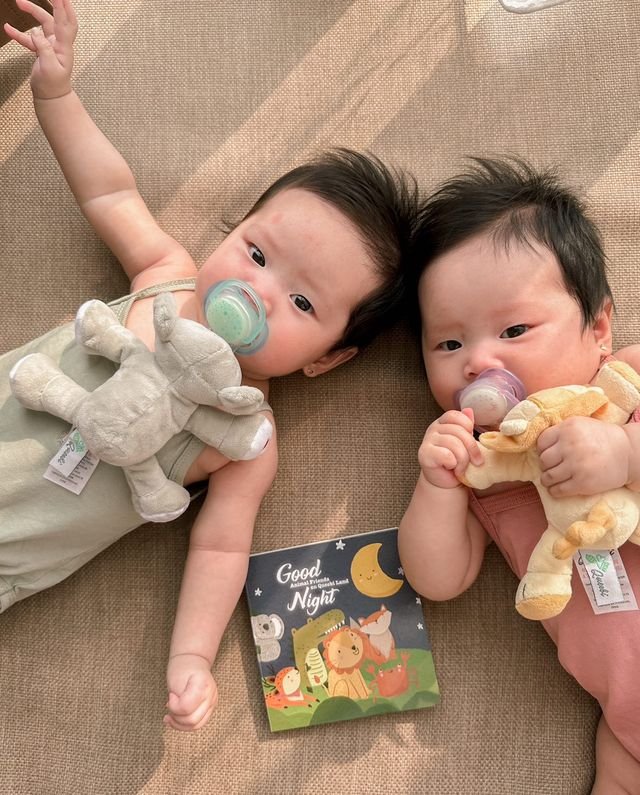
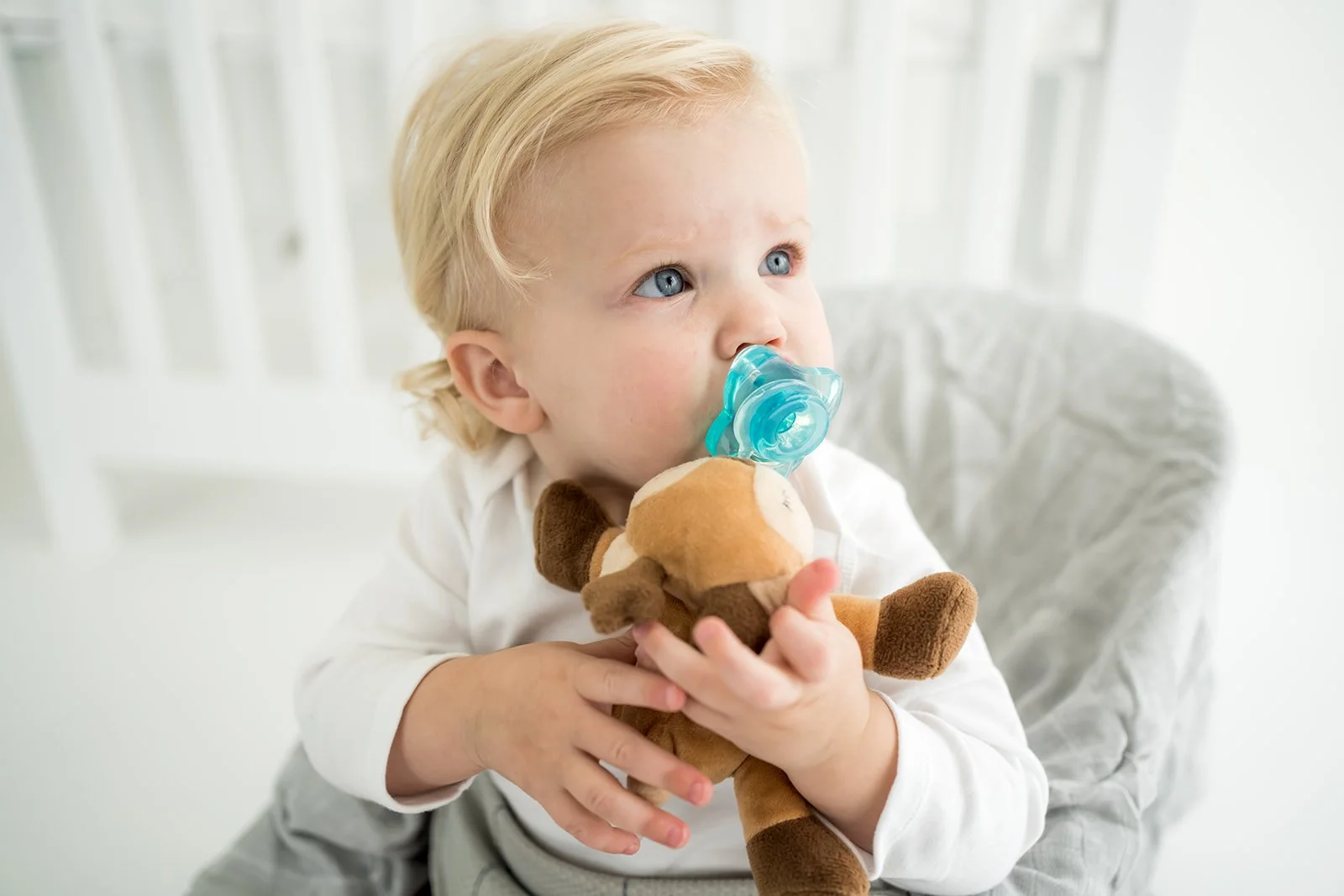
For convenience, consider a pacifier that is compatible with a holder or clip. Paci-plushies (a pacifier attached to a small stuffed animal) can make the pacifier easier for a baby to find and hold on their own.

When Is It Time to Say Goodbye to the Binky?

To avoid potential dental effects, it's best to start phasing out the pacifier once your child is around two or three years old. While significant changes to the jawbone typically don't begin until age four, it's always a good idea to discuss your child's pacifier use with your dentist during regular check-ups.