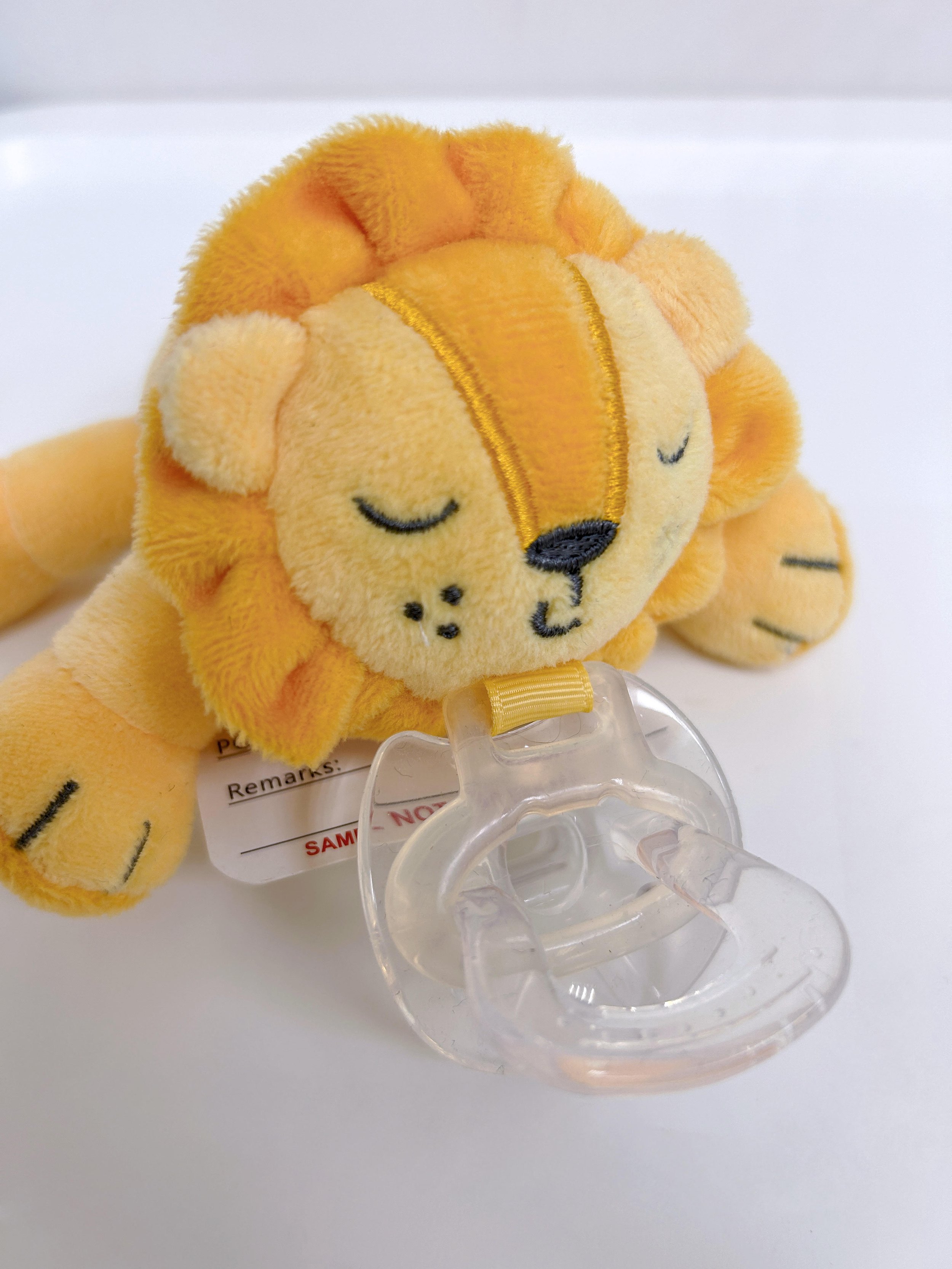
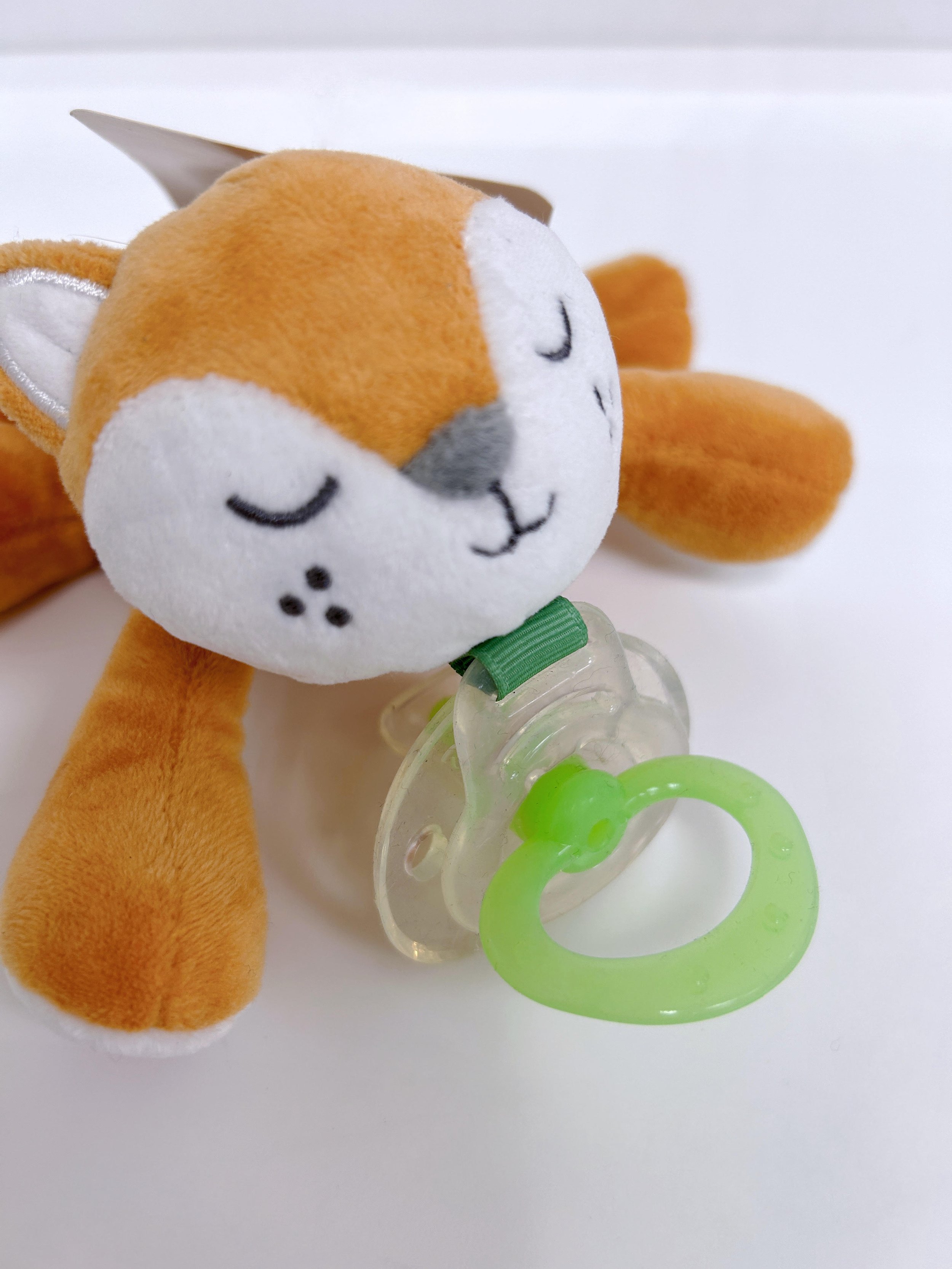
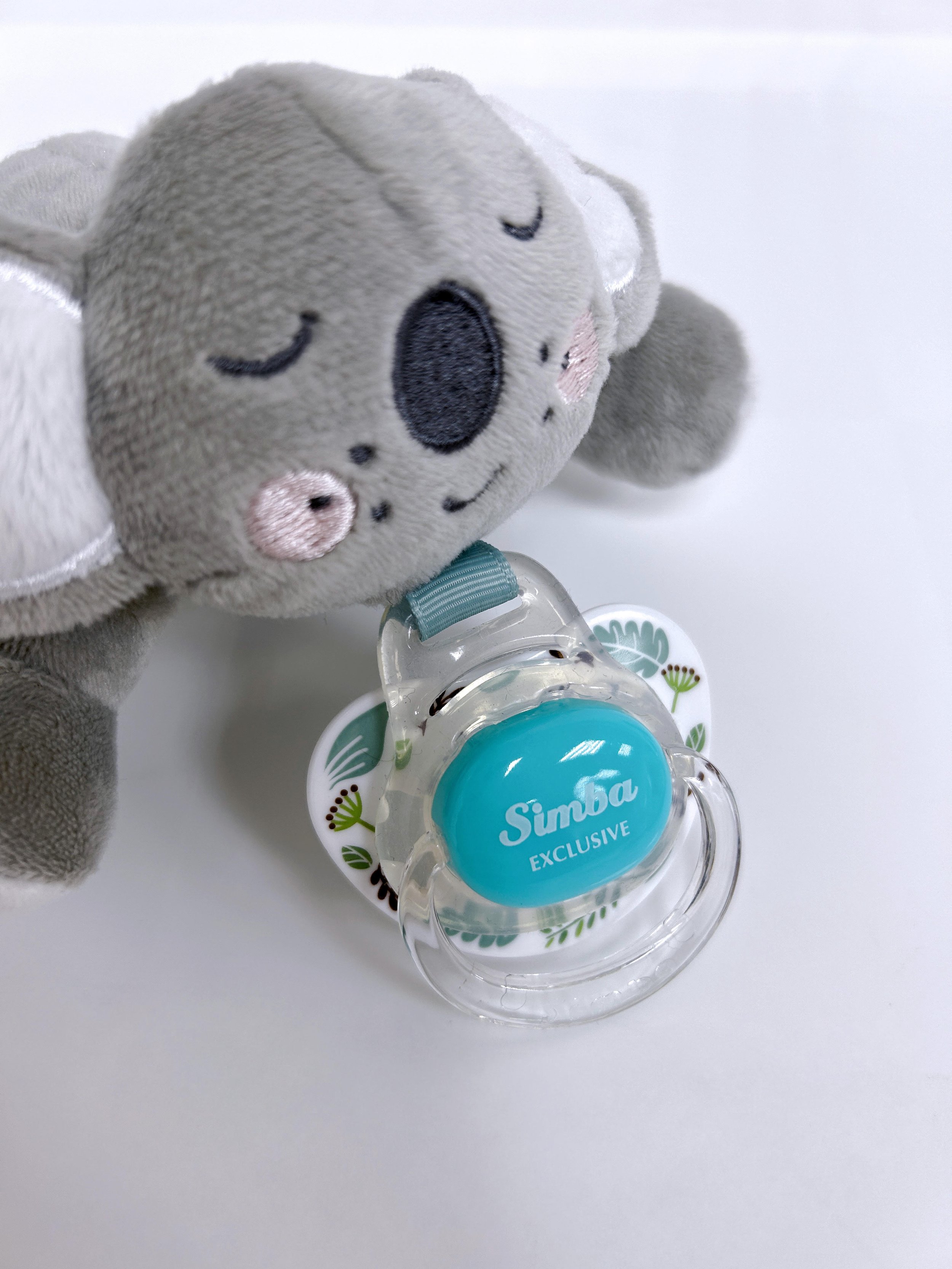
Queebi Pacibuddy or WubbaNub?

Speaking of pacifiers, there may be many mothers who often panic when the little one cries for losing his pacifier. You can find two similar pacifier in market, one is Queebi and the other is Wubbanub, both of them have plushies into it, make parents and kids can find pacifier easily. Then the next question is which one is suitable for my baby? Are they safe for babies? Are they a truly solution for my crying baby?
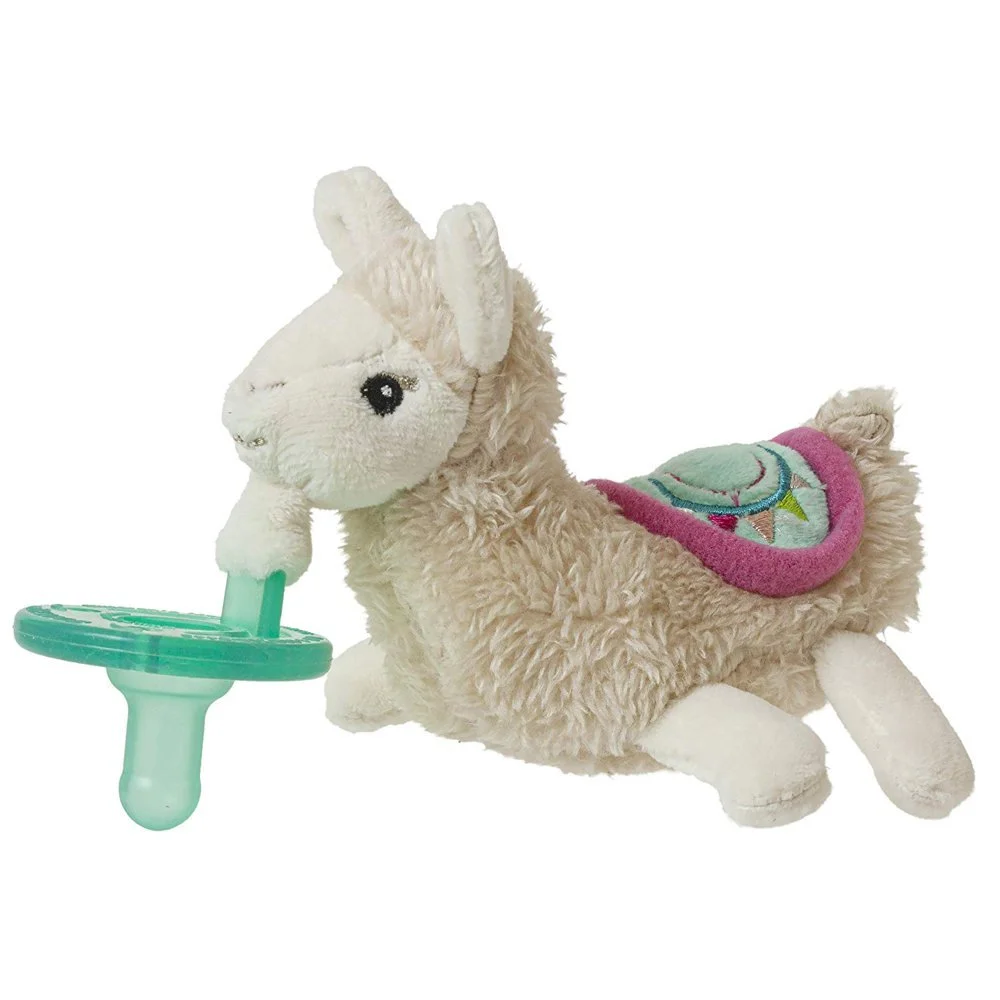
Wubbanub - Lily the llama

Queebi - Casper the Crab

Let us tell you pros and cons between each product.

Queebi pacibuddy pros:

  1. The first pacifier holder that suits most of pacifier brands, Nuk, Avent, Chicco, Shootie, etc.

  2. The pacifier it comes with is Queebi brand. Its a basic 0-6m orthodontic style.

  3. Each character has its own characteristic, it is the hope that parents would like to pass on the next generations. Check the full story here.

  4. The fur is soft, the entire thing is stuffed with Polyester.

  5. All Pacibuddy characters are machine washable.

  6. They're BPA and Phthalate free.

  7. They have 3 main product line so far, bed time, play time, and meal time. Providing a complete range for baby and parents to choose.

Queebi paci-plushies cons:

  1. Some buyers report that without the weighted feet, pacifier may still fall out of the baby's mouth until he/she is old enough to hold it in.

  2. Due to the ever changing market, some pacifiers might not fit the ring snuggly.
Read more: Does baby really need pacifier?

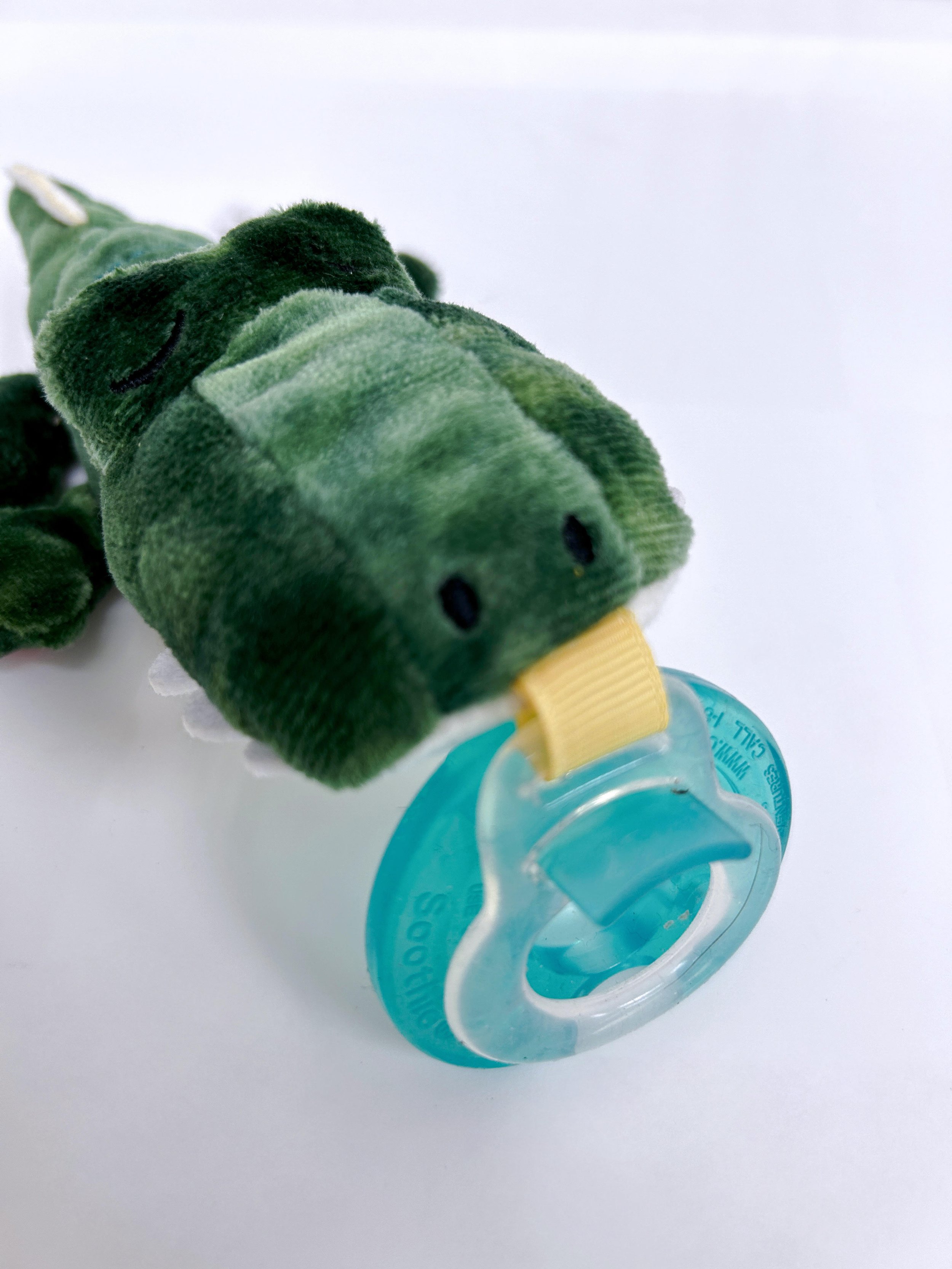
WubbaNub pros:

  1. They’ve been in business over a decade.

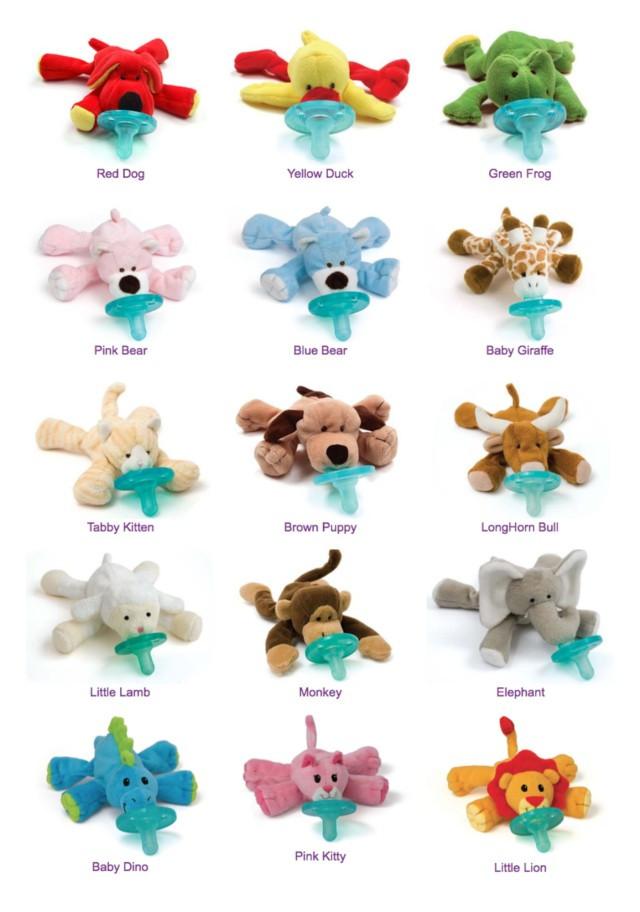
  2. WubbaNub have more animals plushies to choose from, some are cuter.

  3. The weighted front feet which filled with beans help keep the pacifier in the mouth.

  4. BPA, PVC and Phthalate Free.

  5. Plushies and pacifiers are sewn together, they are undetachable.

  6. They have 2 collection, WubbaNub lovey and WubbaNub pacifier. Certain styles are cheaper than Nookums paci-plushies.

WubbaNub cons:

  1. Because the Wubbanub is attached to a Soothie pacifier, it is only recommended for 0-6 months (not for baby with teeth).

  2. Wubbanub is attached, there is no way to change out a damaged pacifier or if baby prefers a different style or brand of pacifier, or even teether.

Read more: 9 Modern moms must have items
Queebi Pacibuddy or WubbaNub?

Like every parenting issue, there is no one right or wrong answer. It will depend on what the individual child likes. But, here to mention, have you ever read your pacifier’s welcome instruction? Probably not, I’m guessing.

Actually in every pacifier’s welcome instruction, they told parents not to user longer than 2 months. If you use WubbaNub, it means you need to change WubbaNub every 2 months, since they plushies and pacifier is undetachable. You can rip the seams on your wub and replace the soothie but it won’t be easy.
Your Baby's First Year: A Guide to 10 Major Developmental Milestones

The first year of a baby's life is a whirlwind of incredible growth. Many important developmental stages are achieved in these first 12 months. While babies throughout the world experience the same stages of development, they each reach them at their own unique time.

So, what kind of amazing abilities will your baby develop from 0-12 months? Here are 10 major milestones to watch for.

10 Milestones in Your Baby's First Year

1. The First Real Smile

After about two months of sleepless nights and endless crying, you get the ultimate reward: your baby’s first real, social smile. They'll start responding to the familiar sound of your voice or your silly faces with a heart-melting grin.

2. The First Laugh

If you are getting tired of just coos and cries, be patient! Around the 4-month mark, your little one will begin to make another, even more delightful sound: laughter! Get ready to play endless games of "peek-a-boo" just to hear that joyous giggle.

3. Sleeping Through the Night

This might be the milestone that new parents await more than any other. While every baby is different, many infants develop the ability to sleep for a long, consistent stretch overnight between 4 and 6 months of age. Hang in there, parents!

4. Rolling Over

Around 4 to 6 months, your baby will likely master their first major motor skill: rolling over. They usually learn to roll from their tummy to their back first. This is their first taste of independent movement and a sign that you'll need to start being extra vigilant during diaper changes!

5. Sitting Up Unassisted

Between 6 and 7 months, your baby will likely develop the core strength to sit up all by themselves. This is a huge game-changer, as it frees up their hands to play and gives them a brand new, upright perspective on the world around them.

6. Trying Solid Foods

The adventure of eating begins at around 6 months! This is when you can start introducing solid foods and letting your baby explore a whole new world of tastes and textures. It's a fun, messy, and essential part of their development.

7. Crawling

Get ready—your baby is on the move! Between 7 and 10 months, most babies start crawling. Whether they do a classic crawl, a "scoot," or an army crawl, this newfound mobility means your little one will be exploring every corner of the house. Time to baby-proof!

8. Pulling Up to Stand

After mastering life on the floor, your baby will look for new heights. Around 9 to 10 months, you'll likely find them using furniture (and your legs) to pull themselves up to a standing position. This is a clear sign that they are building the strength and coordination needed for their first steps.

9. Mastering the Pincer Grasp

Around 9 to 12 months, your baby will refine their fine motor skills by mastering the "pincer grasp"—the ability to pick up small objects between their thumb and forefinger. This is a critical skill for self-feeding small snacks like puffs or peas.

10. Saying the First Words

Perhaps the most anticipated milestone of all! Around their first birthday, many babies will say their first word, which is very often "mama" or "dada." Hearing your baby call for you by name for the first time is a truly unforgettable moment.

Remember, every baby is unique and will reach these milestones on their own timeline. The most important thing is to celebrate each new achievement and enjoy the incredible journey of their first year. If you ever have concerns about your child's development, don't hesitate to speak with your pediatrician.

A child must know that he is a miracle, that since the beginning of the world there hasn’t been, and until the end of the world there will not be, another child like him.
— Pablo Casals
36148038_441744876289194_6390680950107275264_n.jpg