You must know this 2 consider sustainable baby products brand that BabyLux carries

Sustainable packaging is a relatively new addition to the environmental considerations for packaging. But now many brands have offered it. You must know this 2 sustainable baby brand that we carry.
What packaging is considered sustainable?

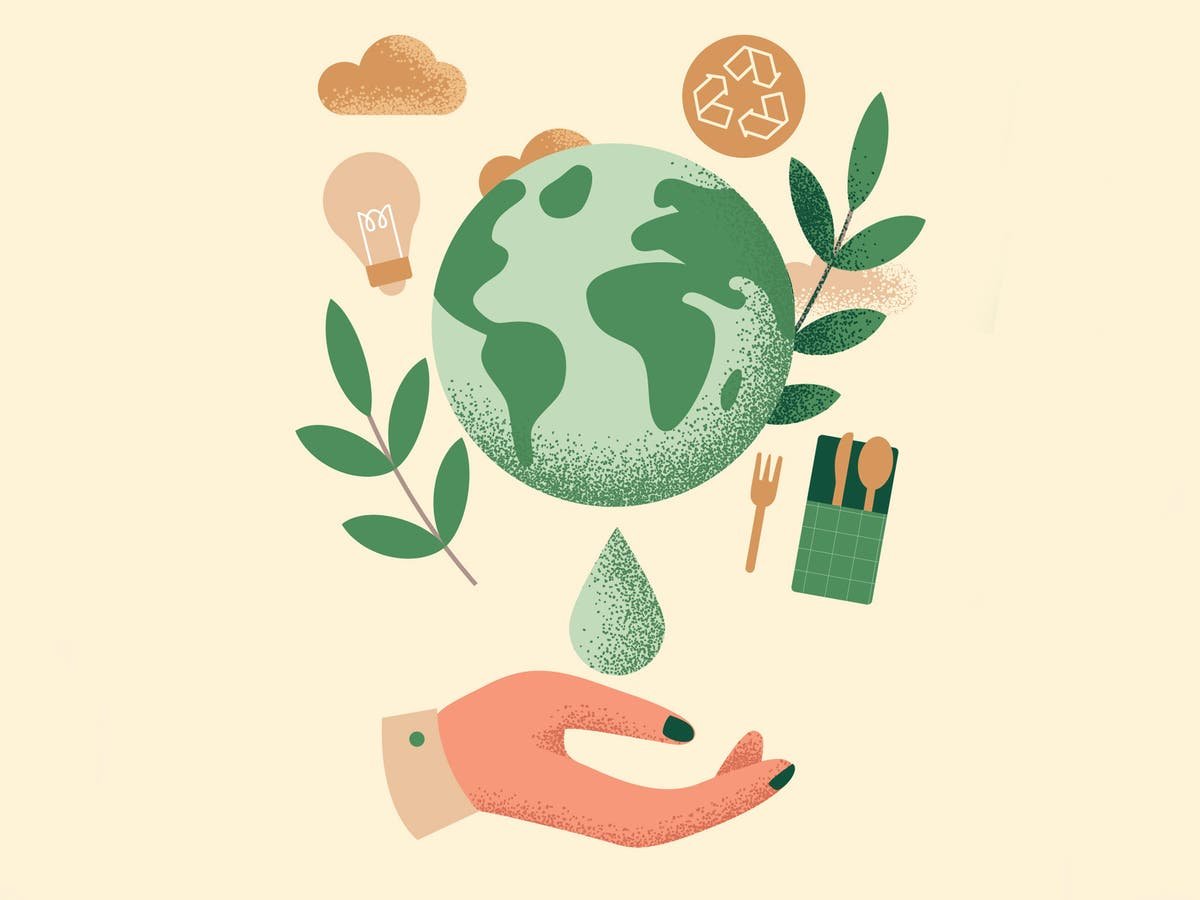
Sustainable packaging refers to the sourcing, development, and use of packaging solutions that have minimal environmental impact and footprint. Simply put, sustainable packaging is earth-friendly and doesn't contribute to the further depletion of natural resources.

Choosing products in sustainable packaging is one way to avoid harmful chemicals and cut back on the amount of plastic that ends up in landfills. The materials below are great options when choosing sustainable packaging! 

  • Aluminum is able to be completely recycled without any loss in quality at a fraction of the initial production costs and energy requirements of plastic.

  • Bamboo is the fastest growing plant in the world, making it the number one renewable resource Bamboo actually grows faster when it is cut down!

  • Compostable/biodegradable paperboard is made from recycled paper pulp. When manufactured and disposed of properly, it is largely considered a renewable resource.

  • Glass and metal are 100% recyclable. This means that they can be infinitely recycled into new packaging without loss of quality. It is also very easy to repurpose a glass or metal container!

  • Recycled plastic is another option. Many companies repurpose plastic into new packaging. While this is not ideal (in terms of a renewable resource), it is better than other alternatives.

  • Silicone is an eco-friendly material derived from sand. The process to manufacture silicone is much less wasteful than the process to manufacture plastic. It can be recycled -in the right facilities- and is a safe non-toxic alternative to plastic.

Getting familiar with BabyLux carried brands that consider sustainable

Loulou Lollipop

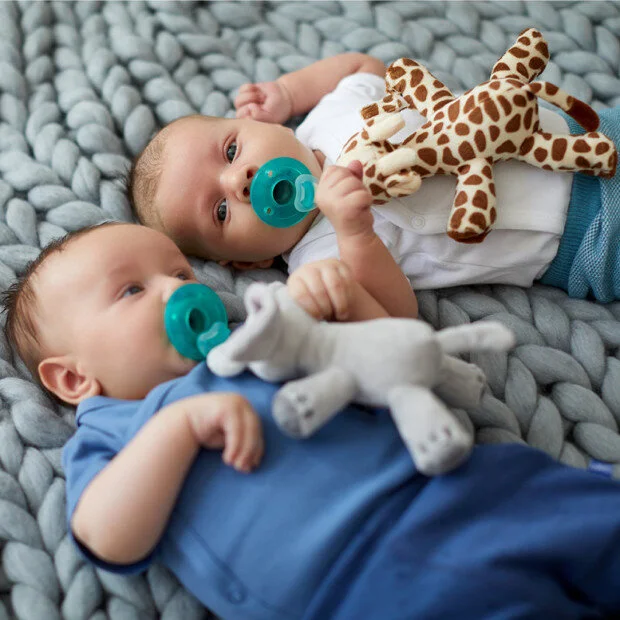
A brands to consider investing in, they product mainly are made from silicone. Why silicone? Silicone rubber does not react with food or beverages, or produce any hazardous fumes. 

Silicone is a polymer mostly made from silica (sand) oxygen. It can withstand heating and freezing without leaching or off-gassing hazardous chemicals – unlike plastics utensils, which contaminate food in these environments.

Food grade silicone is durable, soft like rubber, unbreakable, and often referred to as ‘soft glass’ due to its resilience, non-porous surface, and sustainability. It is resistant to odor and stains, hypoallergenic, and because of its smooth surface, very easy to clean. For these many reasons, food-grade silicone is the perfect material for eco-friendly and non-toxic baby products.
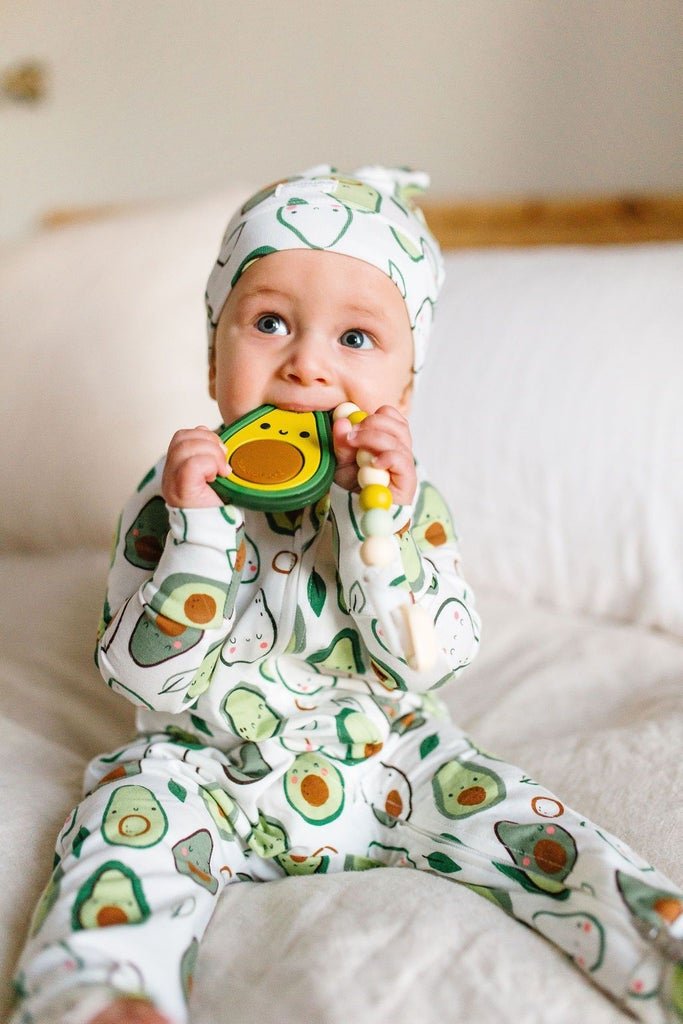
While for soft goods they using TENCEL™ Lyocell and Modal fibers that are produced from wood pulp from sustainably managed sources, a renewable resource. Tencel has a much lower CO2 footprint than many other fabrics.

Read more: 5 Must have Loulou LOLLIPOP items
Dena

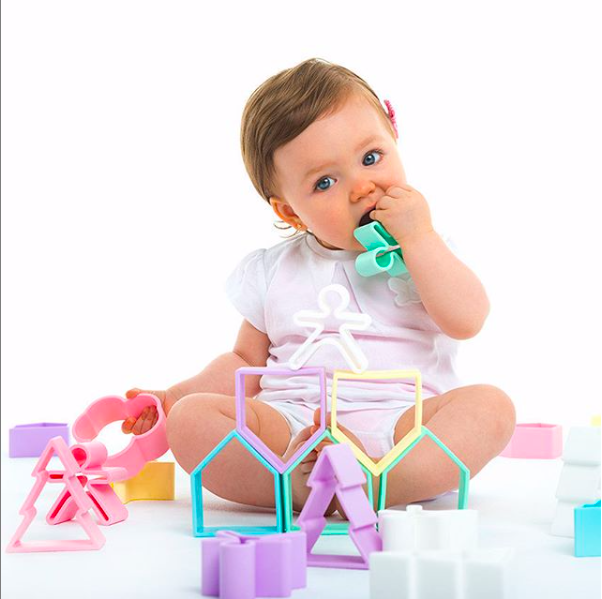
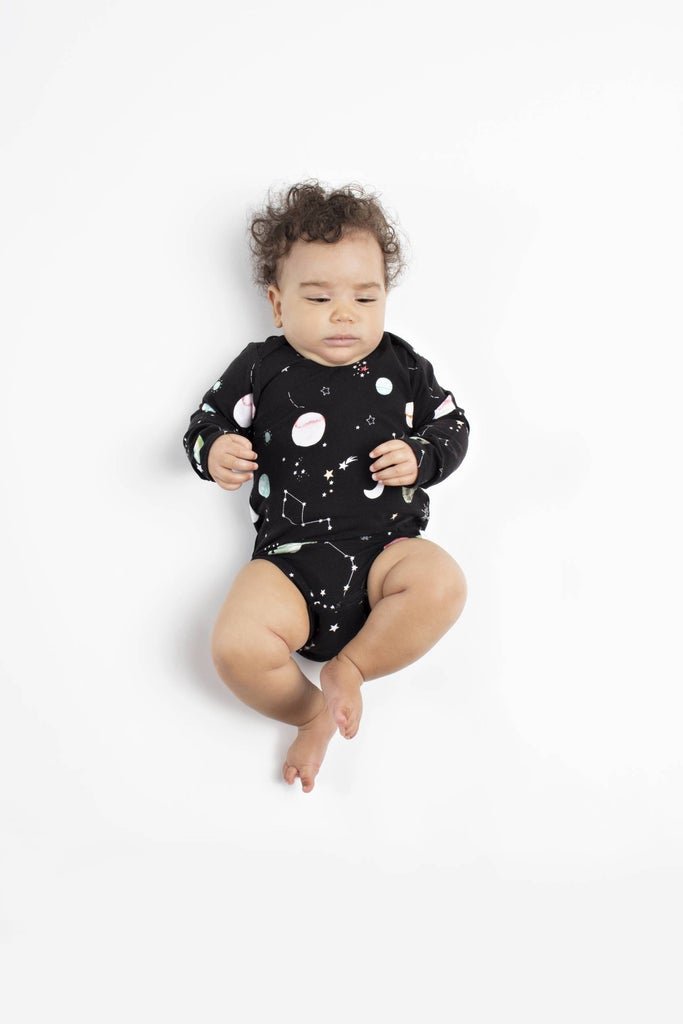
Dëna toys are made of platinum-based silicone, a soft, resistant material, BPA free and 100% safe. This material is also used to make dummies, baby bottles and teethers of the highest quality. Silica is the raw material used for manufacturing silicone and is very abundant in beach sand and other similar rocks. Silica is also, for example, the main component of glass.

Platinum-based silicone uses a noble metal, platinum, as a catalyst, which gives it a higher quality. This makes it the ideal material in the manufacture of moulds and products suitable for contact with food.

Likewise, they repel water and germs, so, in addition to facilitating their cleaning, Dëna toys guarantee maximum hygiene and food safety.

Read more: What can you play with Dena toys? You'll never think about it!
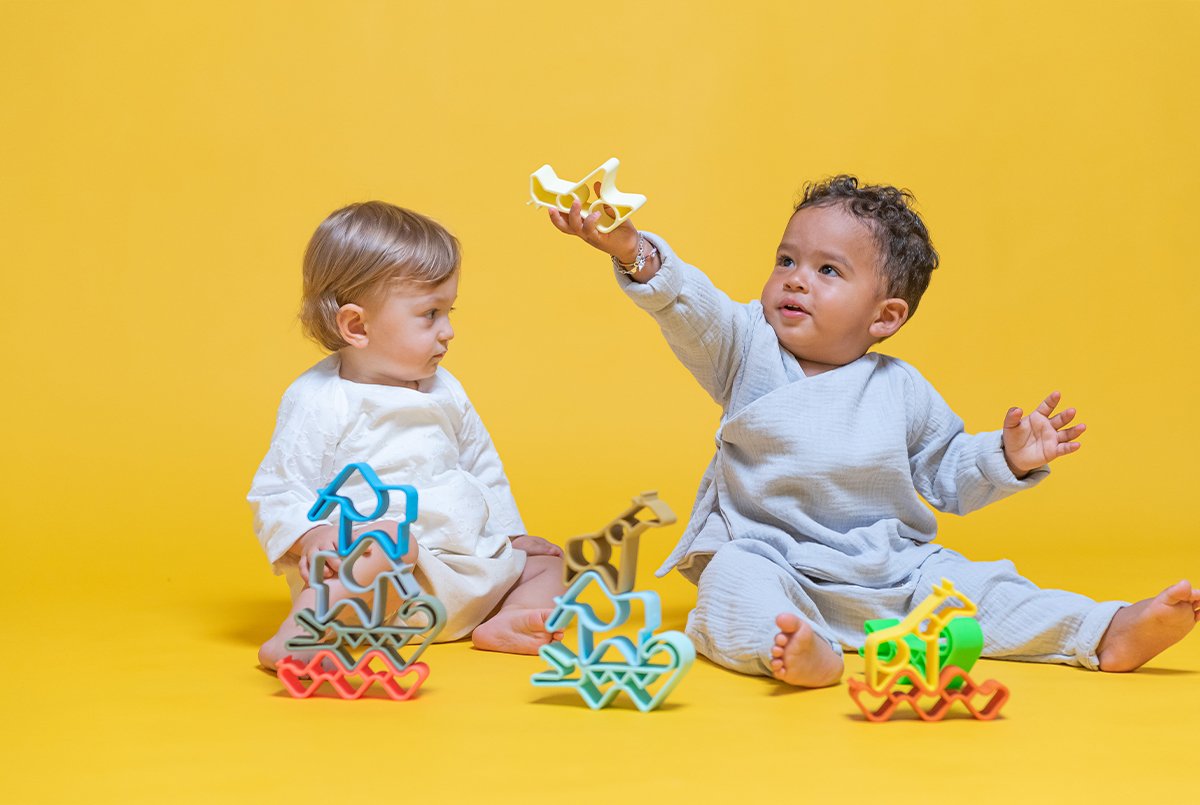
What is an open ended toys? 10 Types of open ended toys that best for children

There are many open ended toys on Instagram especially in Western countries. I heard that open ended toys are good for children, but I don’t really know what the benefits are. To put it simply, open ended play is to follow the children's intuition to make what they want, learn from mistakes, accumulate a sense of accomplishment, and develop into a more flexible future person.

As parents, what is even more worrying than guiding my children to play with open ended toys? Don't be afraid, in this article I will introduce to you what open ended toys are. What are the benefits of playing with open ended toys?

Content:

|Opening

|What is open ended play

|Benefits of open ended toys

|Open ended toys that best for children

If you come to an environment where there is no right or wrong and no standard, no one will correct you, no matter what you do or say. Would you be happy and feeling released? Or do you feel anxiously overwhelmed?

babylux.asia.jpeg

I think most adults will immediately question “Does it even exist?" More people tend to be overwhelmed, but it doesn't matter. This is the common feature of our growing up in a standard environment.

But do you know? Now children are still in a relatively standardized education environment, accepting guidance that does not meet the needs of the times, and only after they enter the society, they discover that the world is not what they imagined.

How to let the next generation have strong adaptability and professionalism is the most important topic for us, parents.


What is an open ended toys? 10 Types of open ended toys that best for children

babylux.asia_open-ended-toys_0.jpg

What is an open ended toys?

If you want to understand open ended toy, you must first understand what is "a not open ended toy”? Let's call it standard toy. For example, in the Gundam parts set bought from the toy store, the child assembles the model by hand. In this process, do you think it is open or standard?

The view of early childhood educators is that it is good to do it by hand, but assembling with parts designed by others, this is a standard gameplay, which lacks integrated thinking and creativity.

Open game is a form of game with 90% children and 10% toys. In the process, children are the dominant players, toys are auxiliary materials, and the purpose of the game is ‘the process’.

Open play emphasizes the process. For example, we should focus on the process of building a simulated zoo, not just whether he builds a correct zoo.

The core spirit of open games coincides is STEM education.

To put it simply, open play is to follow the children's intuition to make what they want, learn from their mistakes, accumulate a sense of accomplishment, and develop into a more flexible future person.

The benefits of open ended play and toys

The characteristics of low structure and high construction of open toys give children opportunities to explore and grow. Therefore, foreign countries will also use "Invitation to Play" to describe it, which means "invite" children to take the initiative to play.

1. The opportunity to become a leader

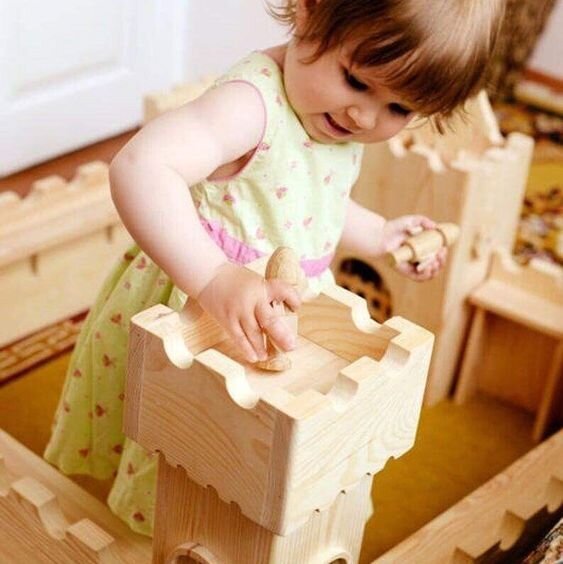
Open ended game is a game without rules or at least children are the one who creating the rules. During the process, children have the opportunity to decide for themselves how to accomplish the goal. For example, if you want to build a castle, you have to think about what shape of material to use, what color to choose, and so on.

This is a good opportunity to cultivate children's independent judgment, so that they can deal with difficult problems more skillfully and make independent decisions when they grow up.

babylux.asia_open-ended-toys_1-1.jpg

2. Opportunities to solve the problem

Take the above-mentioned castle as an example. What if the castle collapses in half? If you can't find a suitable part, what can be used instead? Or make one yourself?

babylux.asia_open-ended-toys_1-2.jpg

3. Unlimited opportunities for creativity

What will the castle looks like is entirely up to the child to imagine, decide, and then create. Adults can guide him in the process, but he does not tell him "what the castle should look like", "the tree must be green" or "the roof must have an attic." First follow the child's expectations and intuition, although in the end he builds a hot air balloon, it is also the best result!
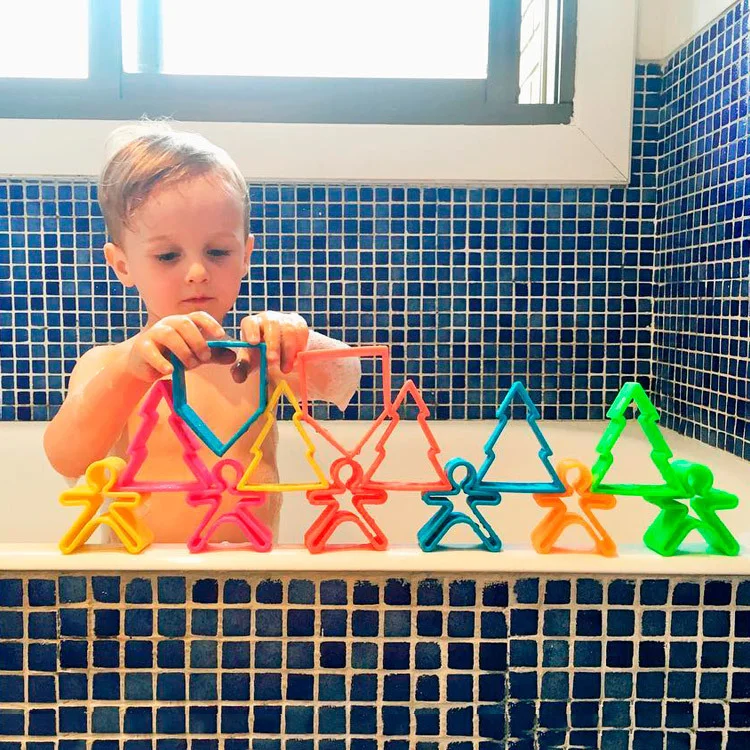
Types of open ended toys

What is an open ended toys?

Simply say, all toys that can be used for multiple times and multiple games can be called open toys.

Seeing this, you might still be confused. Let's start with the toys we can usually see!
1. Build blocks

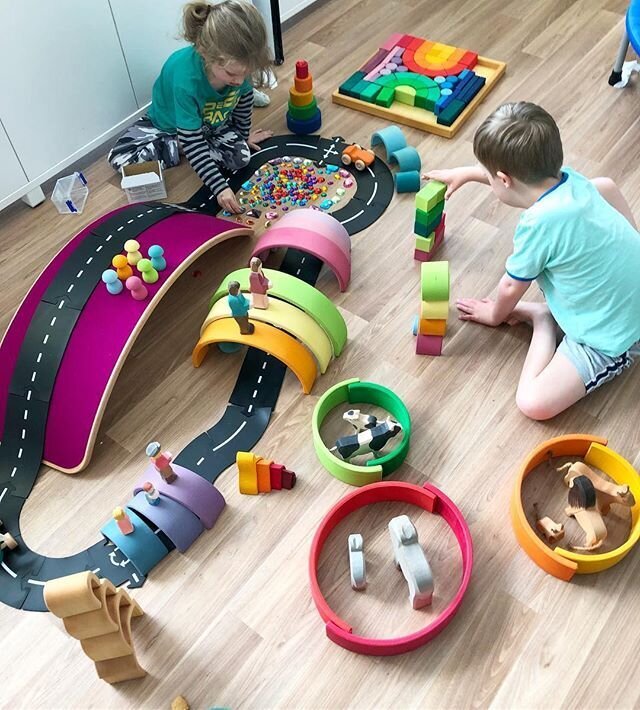
Simple, good-textured wooden toys are classics of open ended toys. It is suitable for children to play alone or with others. Because it is simple enough and has no rules, it is very suitable for creativity.

babylux.asia_open-ended-toys_2-1.jpg

Apart from geometric shapes, building blocks have no redundant design. Children can stack and piece together a block at will. This process is an open ended gameplay!

Read more: What is STEM.org certification? Why do I need a STEM certification?

babylux.asia_open-ended-toys_2-2.jpg

2. Dolls/Puppets

Huh? Is there an open ended way to play dolls too? We generally think that dolls are "designed" toys, and there should be no room for flexible extension, but did you know? Dolls are also an indispensable element in open gameplay!

babylux.asia_open-ended-toys_2-4.jpg

These dolls are the representatives of a villain in the hands of children. They can take them to play in the castle they built, or they can let the villain slide down from the pillows. The whole home is an amusement park!

babylux.asia.com_open-ended-toys_2-4.jpg

When we tell stories, we use dolls or puppets as characters, which is more vivid. In the same way, when children develop games or extend their imagination, they will also need puppets to assist them!

3. Anything with neutral color

There are many kitchen utensils, tool boxes, doctor toys, etc. in the house, right? These don’t look like open gameplay, but they are not! Open ended toys do not lie in the toy itself, but pay more attention to how you play with it.

babylux.asia_open-ended-toys_3-4.jpg

For example, children can let the dolls float on the water on the bowls or plates then start a little adventure, allowing the children to experience life and discover themselves without restriction, which is also one of the benefits of open ended play. Pay attention to not being restricted by gender when providing materials. It is best to choose neutral color, which reduces the chance of children's creativity being dominated by the meaning of color.

4. Pretend play and dress up

Dress up, props and costumes should be children’s essential toys. Girls may like princesses and mermaids, while boys like racers and Spider-Man. If your children like that, you can prepare more of these props and costumes at home. When the children's friends come over, they can also play together. They negotiate and plan on their own. Maybe a self-directed and self-acted stage play will be produced.

babylux.asia_open-ended-toys_2-6.jpg

The colorful silk scarves like the ones you have seen are hot-selling children's products in the United States! Because silk scarves are soft and changeable, in addition to being used as clothing, children can be used as wings, tents, flags, etc., so foreign countries even create unique ways to play silk scarves. Isn’t it interesting?

babylux.asia_open-ended-toys_2-7.jpg

5. Brushes, paints and cardboard

Art creation allows children to inspire creativity and beauty, and help children prepare art supplies. They can use recycled materials such as cartons, clay, and bottles to create.

Read more: Recommended bath toys

babylux.asia_open-ended-toys_3-7.jpg

6. Toys that can generate rhythm and music

Music is another broad and imaginative world. We need to give children some small objects that allow them to enter and start exploring the world. Some are very simple or even self-made. For example, a pot and a spoon are good "metronomes". They can play more complicated ones when they grow up. Small drum kits, electronic organs, etc. are all very good toys.

babylux.asia_open-ended-toys_2-8.jpg

7. Sports toys

Ball, skipping rope, frisbee, etc., which is also very beneficial. Not only can they exercise, but these simple sports toys are good items that inspire children to come up with a variety of ways to play.

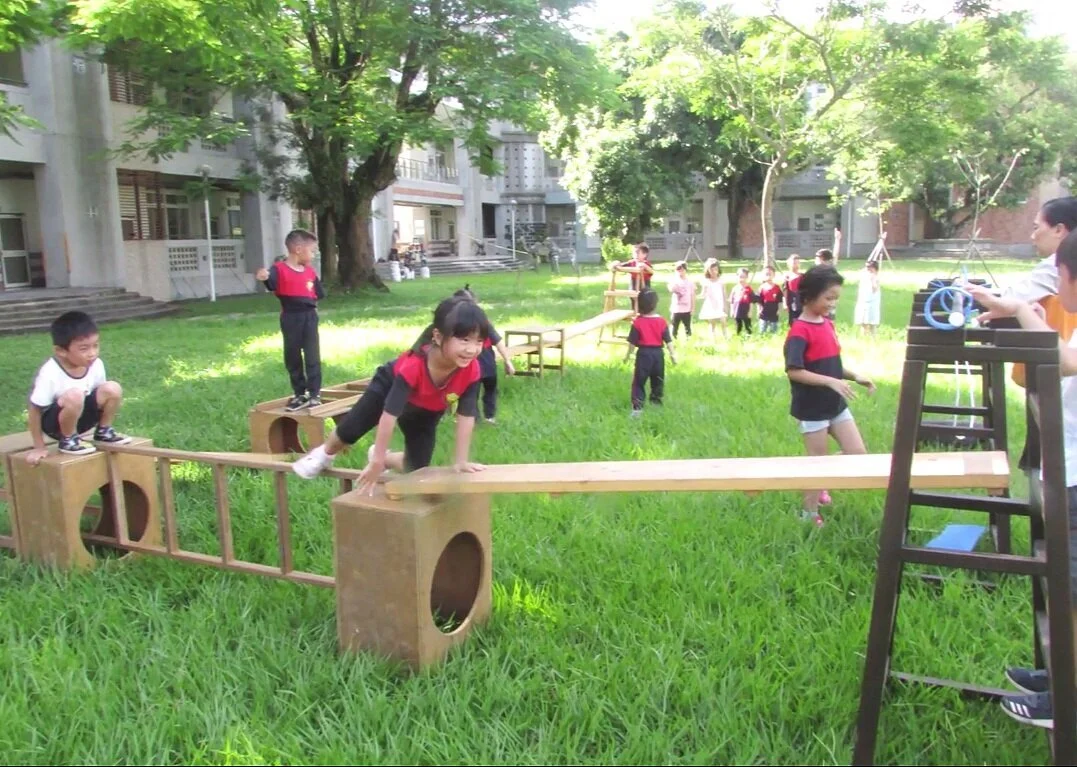
You can also find that some kindergartens have large-scale wood, cement, old tires, etc. in the outdoor spaces. These items are used to inspire children to use their bodies to play a set of their own games!

南投名間附幼2021-04-22+下午3.58.44.jpeg
babylux.asia_bilibo_pilates.jpg

8. Animal shape toys

The usage of animal shape toys is very similar to dolls. Whether it is farm animals, zoo animals or dinosaurs, children can enter a world full of imagination. A group of animals is a small society, and children will spend a lot of time studying the relationship, dialogue and struggle between them.

babylux.asia_open-ended-toys_2-10.jpg

The animal shape toys itself has no redundant design, it is easy to combine with the building blocks or loose materials in the home, so it is also fun to make things together!

babylux.asia_open-ended-toys_2-11.jpg
186484370_3149029872049887_492729945718057999_n.jpeg

9. Construction toys

The most common construction toy is LEGO. This kind of toy is more difficult than wooden building blocks. There are different shapes of blocks and the combination of different blocks is also different. Children need to keep trying, designing, and even knocking out and restarting. Train the small muscles and mind.

babylux.asia_open-ended-toys_3-11.jpg
babylux.asia_open-ended-toys_4-11.jpg
194748888_227240728880700_3573756190271432573_n.jpeg

10. Teaching tools and board games

Board games have fixed rules of the game, but children must think deeply about various strategies while observing the rules, so as to exercise their problem-solving skills.

dena-rainbow-toy-neon-12-pieces-dena.jpeg
Just-a-Mamma-moluk-bilibo_2874-1.jpeg
 

Many parents worry that they don’t have time to play with, or don’t know how to guide their children. This is all normal! How to start an open ended game, it is recommended to start with preparing materials. The easiest way is to buy building blocks, buy some dolls or animal shape toys, and show them directly to the children. When the child is older, he can choose to construct toys, follow the instructions at first, and then slowly learn to make the shape he wants.

babylux.asia_open-ended-toys_2-12.jpg

The main concept is to find materials at your home, use recycle waste, such as cartons, bottles, or even flowers, grass, buttons, and many more. Let your children play freely!

Building Future-Ready Kids: The Best Toys for Developing Essential Skills

In a rapidly changing world, many parents wonder how to best prepare their children for the future. The skills required for success tomorrow aren't about memorizing facts; they're about creativity, critical thinking, adaptability, and the ability to solve complex problems.

So, how do we build these skills from a young age? The answer is simpler and more joyful than you might think: through the right kind of play.

The best toys are not the ones that simply entertain or have a single, pre-defined purpose. The best toys are tools, systems of play that empower a child to become an inventor, an artist, and an engineer. They don't tell a child what to do; they ask, "What can you create?"

As experts in developmental toys, we've identified three brands that masterfully cultivate these future-ready skills.

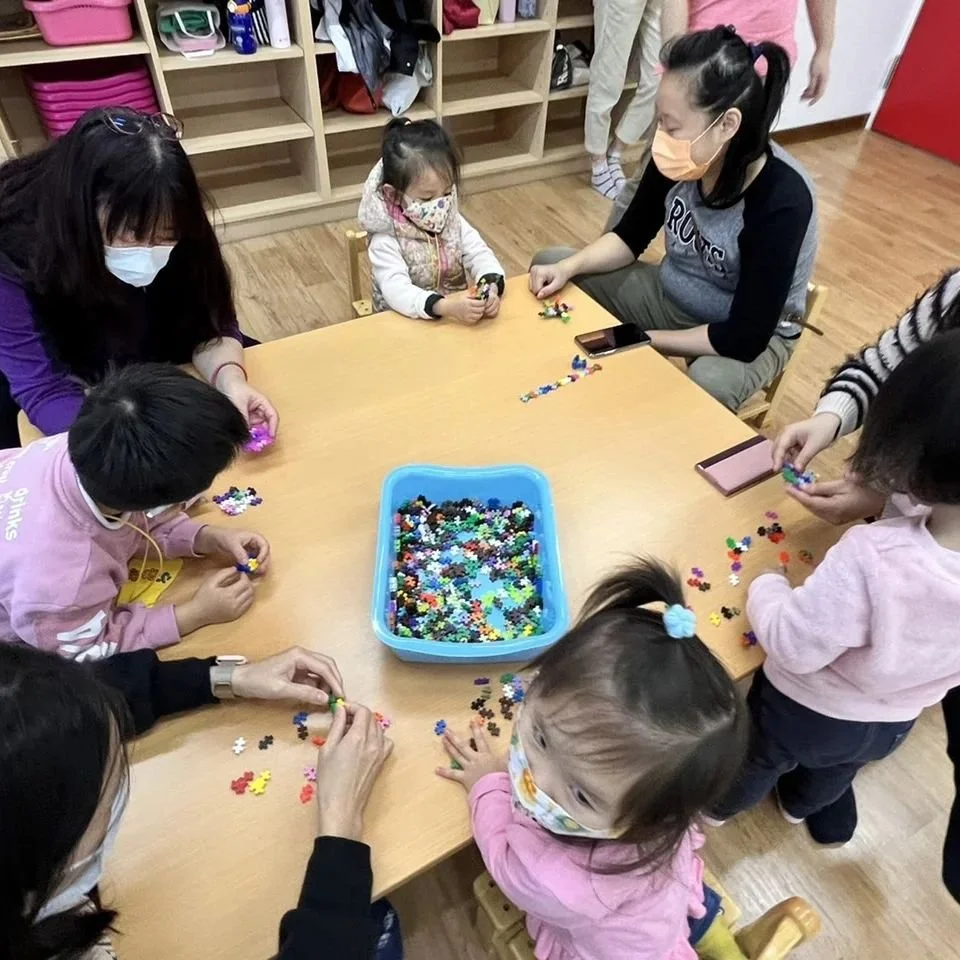
1. For Precision, Patterns, and Pixel-to-Form Thinking: Plus-Plus

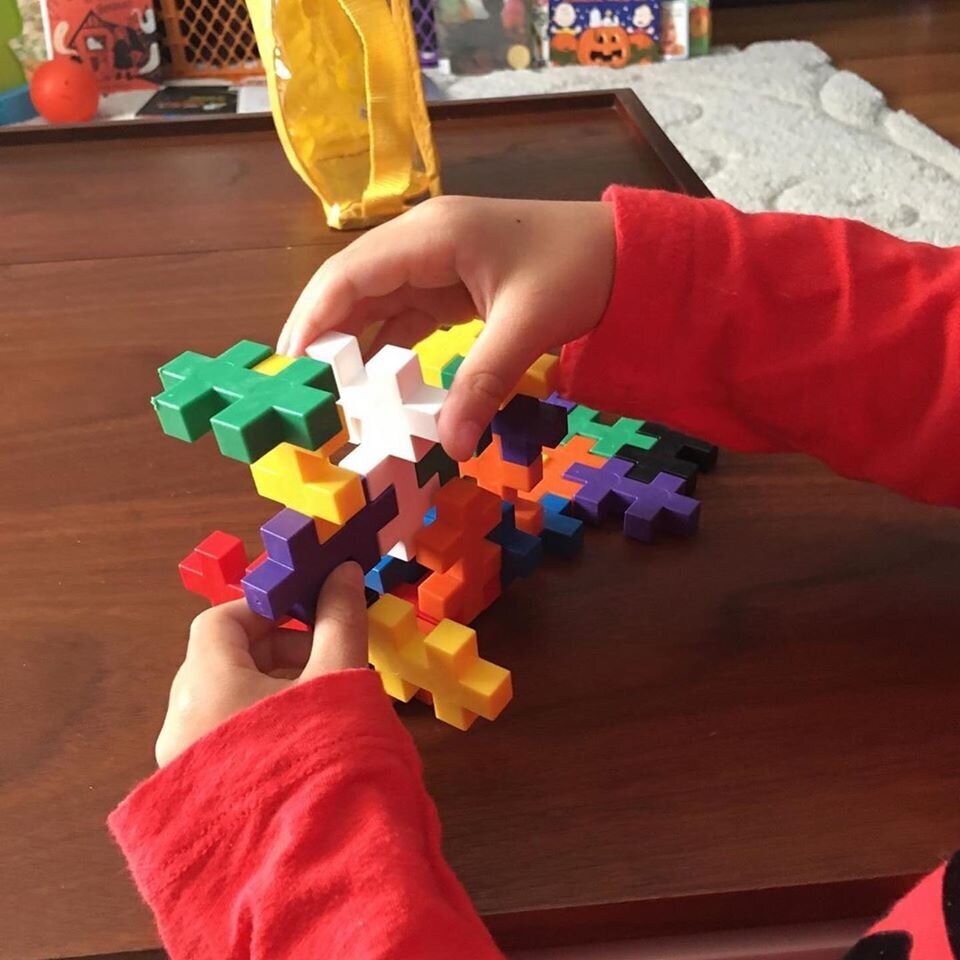
At first glance, a Plus-Plus piece is just one simple shape. But in that simplicity lies its genius. This Danish-designed toy is like a physical pixel, a single building block that can be used to create anything from a flat 2D mosaic to an intricate 3D structure.

一張圖片

The Future Skills It Develops:

  • Fine Motor Skills & Patience: Connecting the small pieces requires precision and focus, building dexterity that is crucial for writing and other detailed tasks.

  • Pattern Recognition: Creating mosaics teaches children about patterns, symmetry, and sequencing, which are foundational concepts for both math and design.

  • Spatial Reasoning: The mental leap required to turn a flat, 2D idea into a 3D creation is a powerful exercise in spatial and engineering-based thinking.

Plus-Plus teaches children that complex creations can arise from simple, repeated components—a core principle in everything from coding to architecture.

(Explore our collection of Plus-Plus construction sets here: www.plus-plus.com)

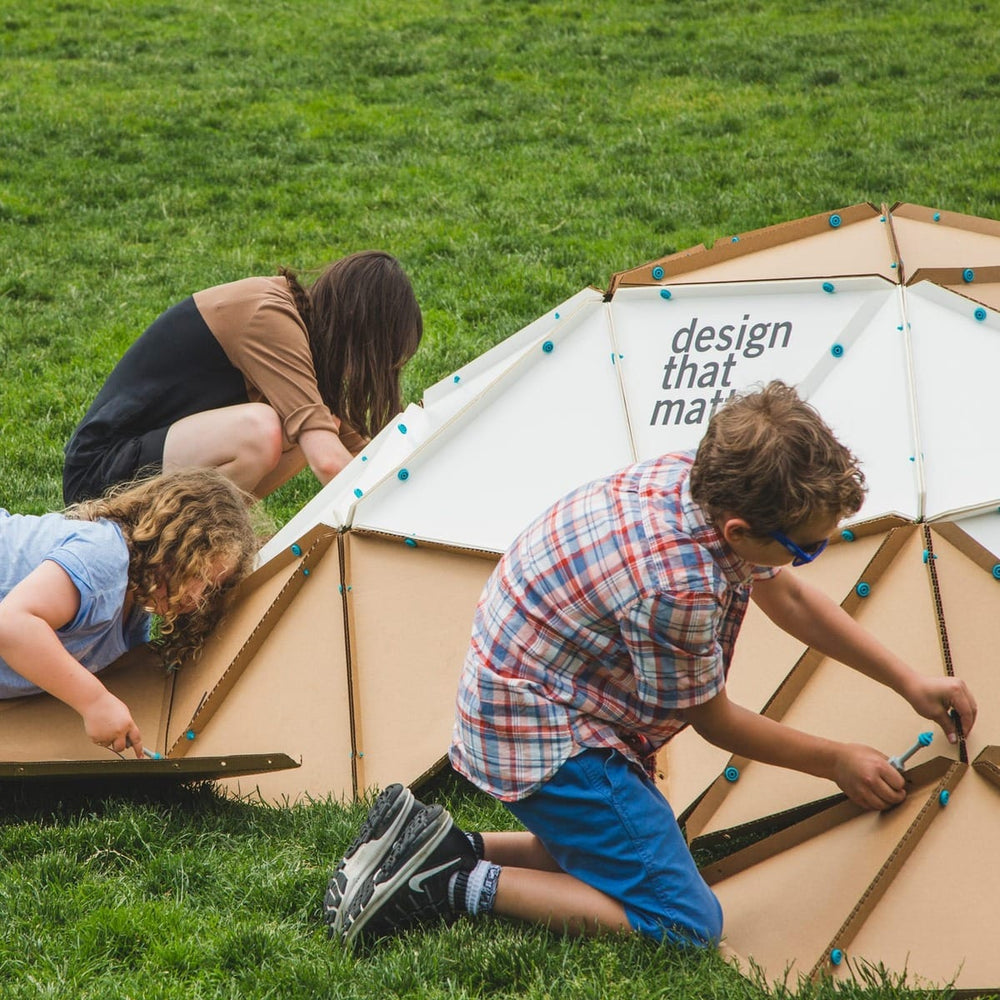
2. For Imagination on a Grand Scale & Real-World Engineering: Makedo

What if a toy didn't come in a box, but instead gave you the tools to transform the boxes you already have? That's the revolutionary idea behind Makedo. This Australian brand provides child-safe saws, screwdrivers, and connectors designed specifically for cardboard construction.

一張圖片

The Future Skills It Develops:

  • Resourcefulness & Sustainability: Makedo teaches children that a simple cardboard box isn't trash; it's the raw material for a spaceship, a castle, or a robot. It fosters an invaluable mindset of upcycling and seeing potential in everyday objects.

  • Large-Scale Engineering & Problem-Solving: Building a fort that you can actually sit in presents real-world structural challenges. Children learn about stability, connections, and material strength on a life-sized scale.

  • Collaboration: Building large structures is often a team effort, encouraging kids to communicate, plan, and work together to bring their grand vision to life.

Makedo takes play off the table and into the living room, empowering kids to think like inventors and build the world they imagine.

(See the award-winning Makedo toolsets here: www.make.do)

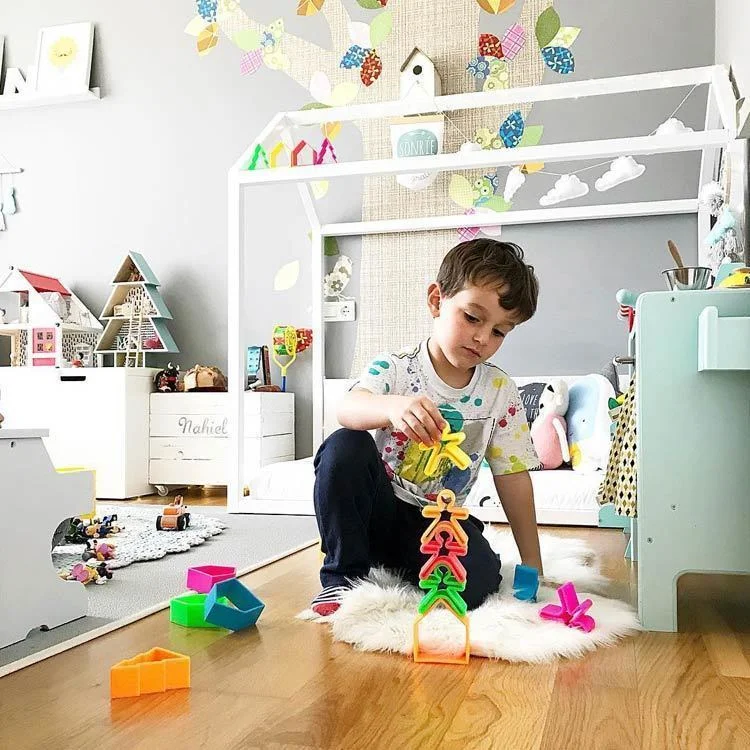
3. For The Art of Open-Ended Play & Adaptability: MOLUK

In a world that often demands a single "right" answer, MOLUK champions the opposite. This Swiss brand creates elegantly simple toys with no obvious function. Is it a spinning top? A boat for the bath? A helmet? A stackable bowl? The answer is: yes.

hix_building.jpg

The Future Skills It Develops:

  • Creativity & Abstract Thinking: Because a MOLUK toy doesn't tell a child how to play, the child must tell the toy what it is. This nurtures pure, unadulterated imagination.

  • Sensory Exploration & Physical Play: The unique shapes and high-quality materials encourage tactile discovery and active, physical movement—spinning, balancing, rocking, and hiding.

  • Adaptability: MOLUK toys are the ultimate lesson in flexible thinking. A child learns that a single object can have infinite possibilities depending on their needs and imagination—a critical skill for adapting to new challenges in the future.

MOLUK proves that the most powerful toys are often the most simple, acting as a blank canvas for a child's creativity.

(Discover the world of MOLUK's open-ended toys here: www.moluk.com)

Invest in How They Think, Not Just What They Play With

The best investment you can make in your child's future is not in toys that have all the answers, but in toys that inspire them to ask their own questions. By choosing toys that encourage construction, problem-solving, and open-ended imagination, you are giving them a toolbox of skills that will last a lifetime.

A Parent's Guide to Open-Ended Toys and Their Benefits

Editor's Note:

This article has been updated to be a comprehensive guide on the concept of open-ended play. The original brand examples have been removed to focus on the philosophy and benefits of choosing toys that nurture creativity and grow with your child.


Wonder is the beginning of wisdom.

This quote perfectly captures the magic of childhood, and the best toys are the ones that protect and nurture that sense of wonder.

What is an Open-Ended Toy?

An open-ended toy is one that can be played with in many different ways. It isn't bound to one form of play.

For example, a character-specific action figure often has a pre-defined story, and a video game can only function in the way it was programmed. But an open-ended toy acts like a blank canvas. The experience is entirely child-led, relying on the child to manipulate the toy and bring it to life with their own imagination.

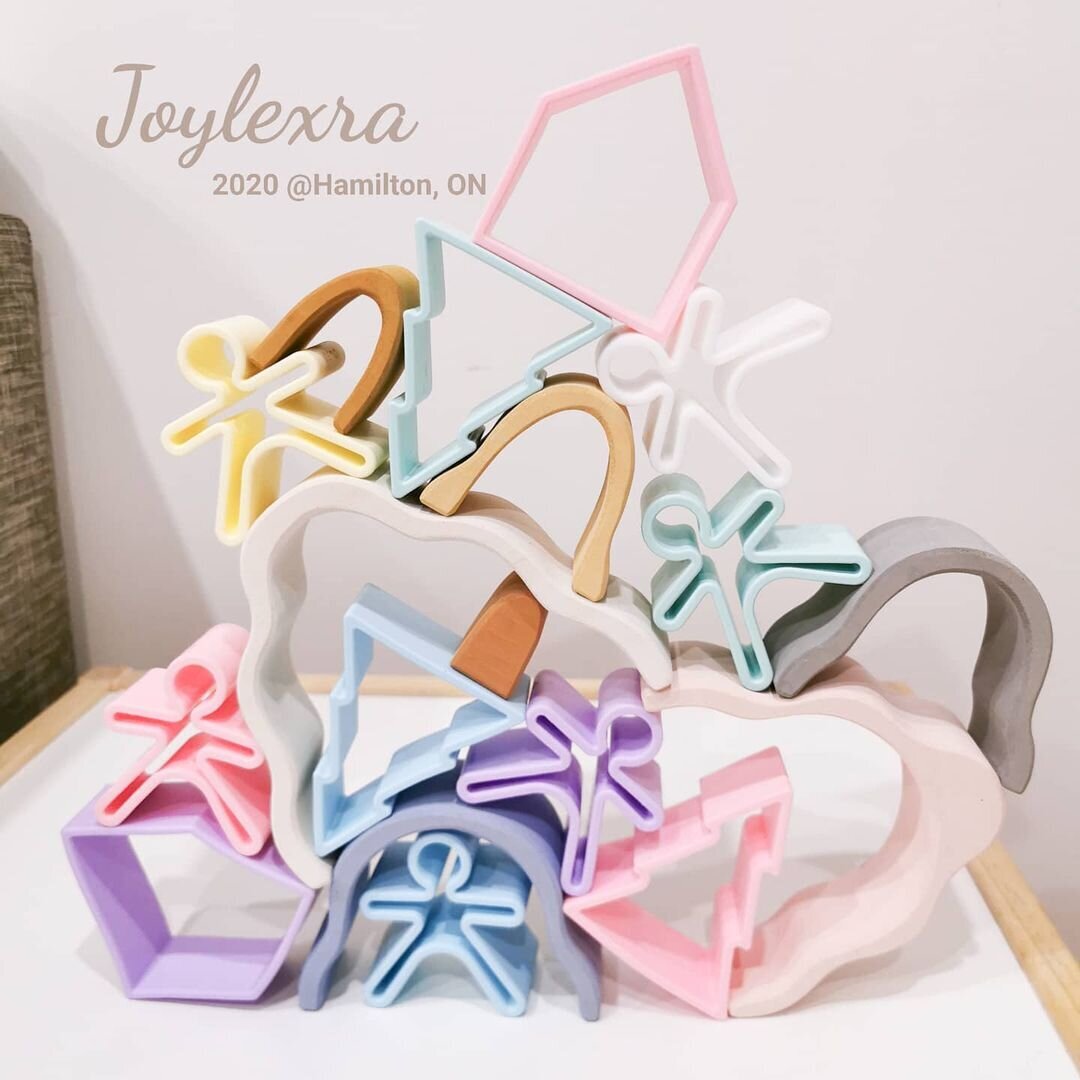
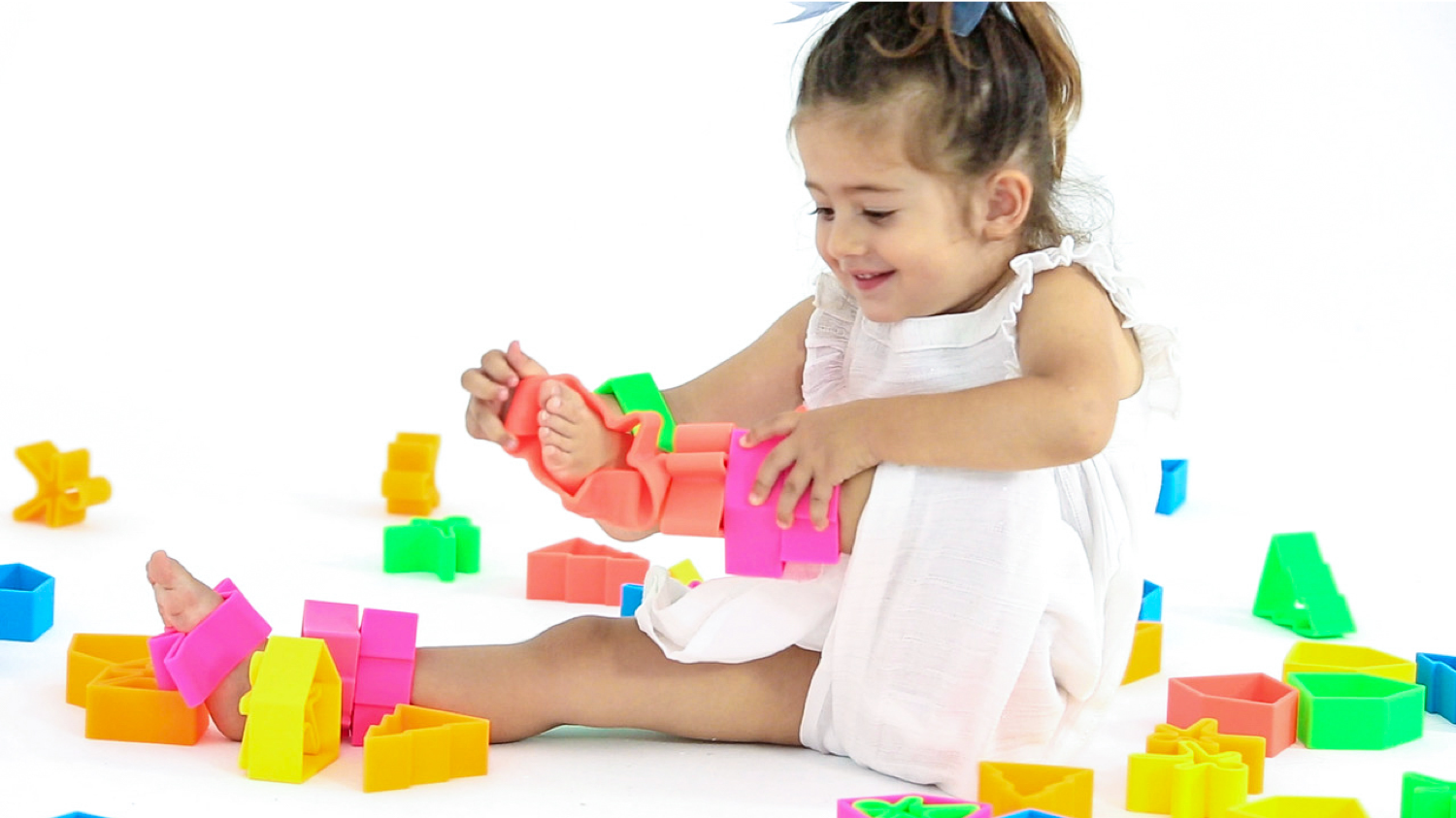
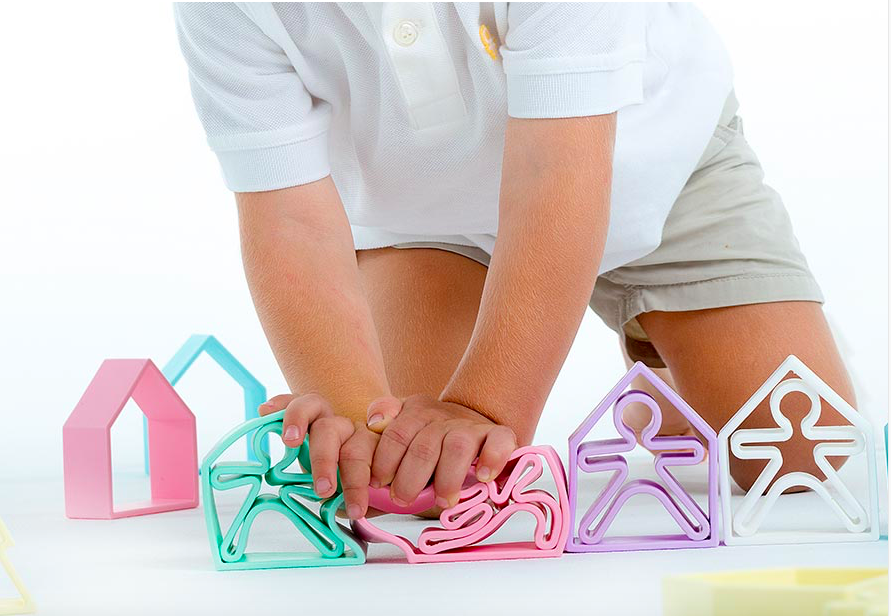
A simple set of building blocks can be a castle one day, a spaceship the next, and a fence for toy animals the day after. A colourful set of silicone arches—a new and safe alternative to traditional wooden toys—can be a stacking game, a tunnel for cars, a cradle for a doll, or even a mold for baking. With an open-ended toy, everything is possible.

The Benefits of Open-Ended Toys

"The more ways a child can play with a toy, the more he will learn."

1. It Encourages Creativity and Problem-Solving

Because there's no pre-defined way to play, children are forced to create, experiment, and solve problems as they explore the world around them. This type of play can constantly evolve as a child's imagination grows more complex.

2. It Fosters Social Development and Interaction

When children play together with open-ended toys, they have to discuss, negotiate, and collaborate. "Should we build a tall tower or a long bridge?" "This piece can be the car, and that piece can be the driver." These social interactions are crucial for developing cognitive and emotional skills.

3. It's More Cost-Effective in the Long Run

This is a huge advantage for parents! While a trendy, single-purpose toy might be exciting for a week, open-ended toys grow with your child for years. A set of blocks, a doll, or a collection of versatile shapes will be used in increasingly complex ways as your child develops. The learning opportunities are endless, making them a far better investment.

4. It's Better for Development

The best open-ended toys are often made from high-quality, safe materials like platinum silicone. This material is soft, durable, bacteria-resistant, hypoallergenic, and BPA-free. It can often resist a huge range of temperatures, meaning it can be used in the freezer, the oven, and the dishwasher, extending the play possibilities even further.

Summary: A Gift That Keeps on Giving

When searching for the perfect toy, first ensure it is safe and age-appropriate. Once that is established, evaluate its "play potential." Remember that the more ways a child can play with a toy, the more they will learn.

Open-ended toys truly are the gifts that keep on giving, providing years of creative play and developmental benefits.

Ready to Inspire Your Child's Imagination?

Choosing toys that are simple, smart, and safe is the best way to support a lifelong love of learning.

5d08d3255339c-dena-rainbow-infographic.jpg
1.jpg

The Magic of Open-Ended Toys: 6 Ways to Play With One Toy

A Note from the Editor:

Over the years, we've had the privilege of partnering with many innovative brands. While some of those partnerships evolve and change, the impact of a truly great product idea stays with us. This article is a celebration of one such idea: the open-ended, multi-functional silicone toy. While the specific brand that inspired this post is one we no longer distribute, the concepts here are universal and a testament to what makes a toy truly special. We hope it inspires you


Keeping your little one busy is one of the great challenges of parenthood. But what if "busy" could also mean learning, developing, and creating? The simple answer is to choose toys that engage them on a creative, emotional, and educational level.

Today, we want to celebrate a category of toy that does it all: the open-ended silicone toy. You’ll be amazed at how one simple toy can be so useful and so functional.

6 Ways to Play With One Amazing Toy

1. As a Safe First Teether

This is the perfect way for a baby to start playing. A toy made from 100% food-grade or platinum-based silicone is soft, durable, and completely safe for a 6-month-old to use as a teether. The flexible material is perfect for soothing sore gums.

2. For Learning Shapes and Colors

We all help our children develop language skills by naming shapes and colors. An open-ended toy set with various shapes and vibrant colors is a perfect tool. It will help your child learn to classify by form and color. But remember: you are their best toy. The more you play with them, the more they learn.

3. As an Educational Tool for Symbolic Play

The best educational toys have no set rules. Their multiple combination possibilities enhance symbolic play and stimulate a child’s creativity and imagination. Let them invent their own games. This kind of calm, creative play will slowly teach them to empathize, to share, and to respect turns and rules.

4. As a First Construction Toy

A flexible silicone toy is a fantastic first construction set. Many of the skills children demonstrate, from writing to athletics, are a direct consequence of strong sensorimotor development. A toy that can be stacked, balanced, nested, and configured in endless ways provides the ideal context for creating stories and is even the perfect inspiration for their first informal math lessons.

32070107_362331634288065_8625743641312231424_n.jpg

5. As a Bath, Pool, and Beach Buddy

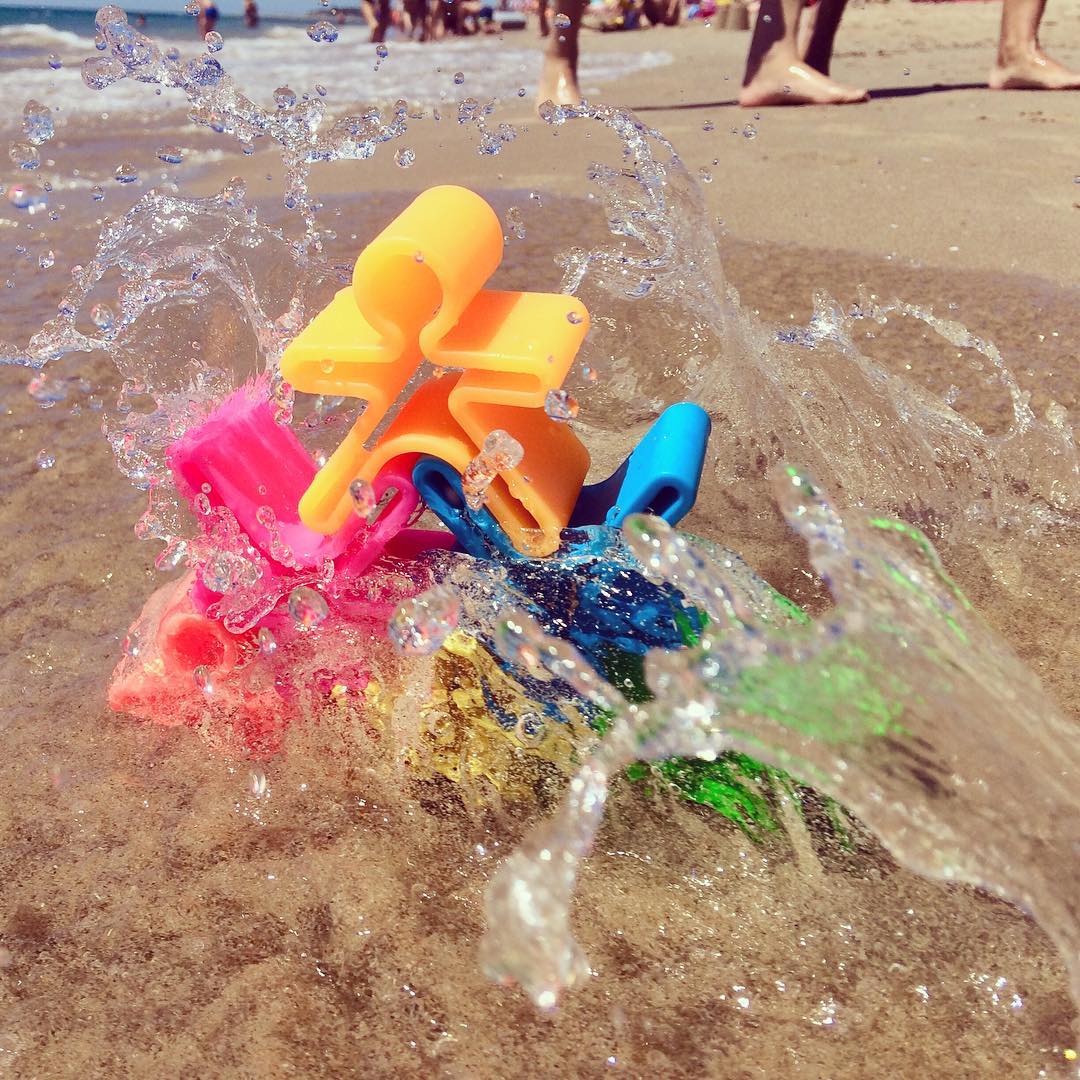
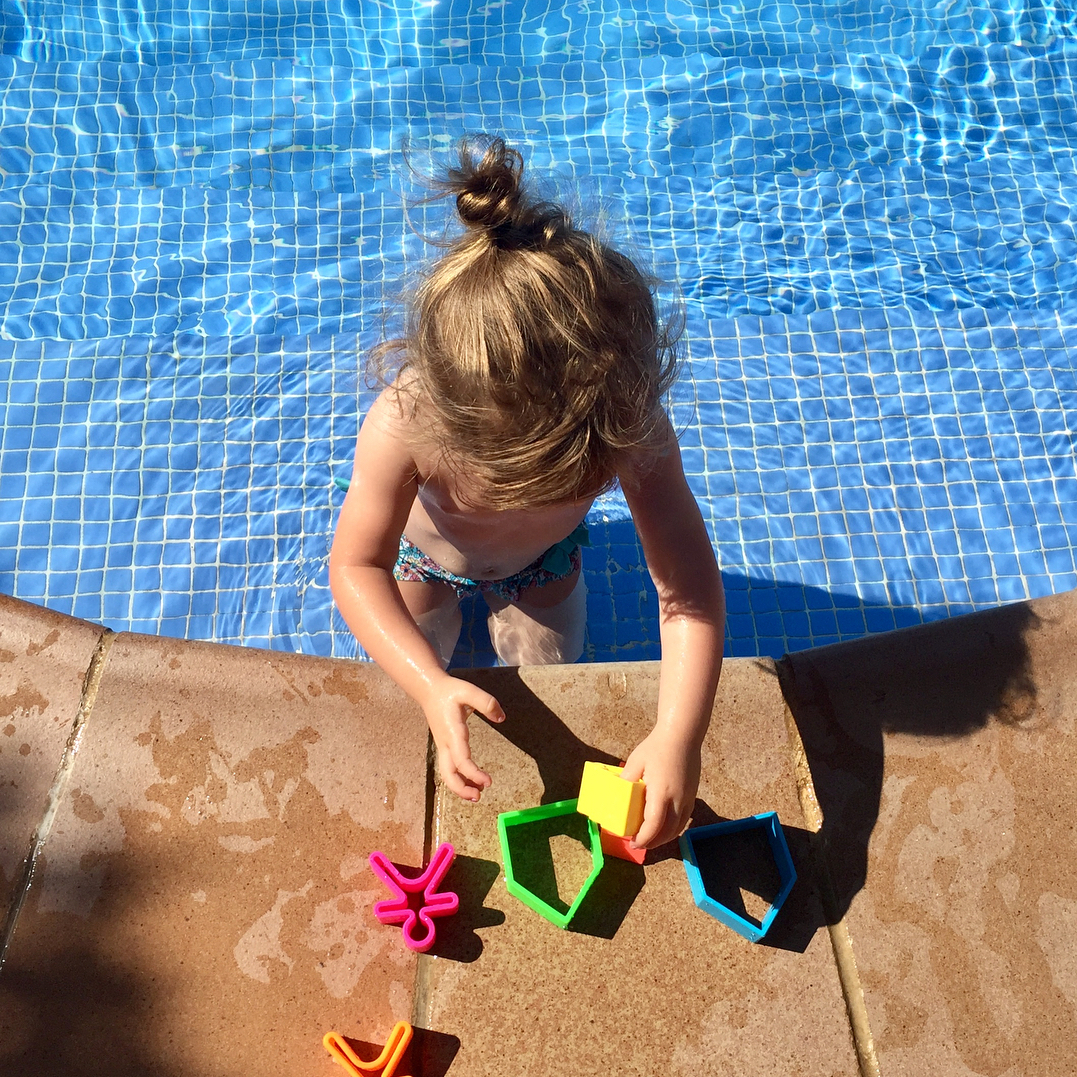
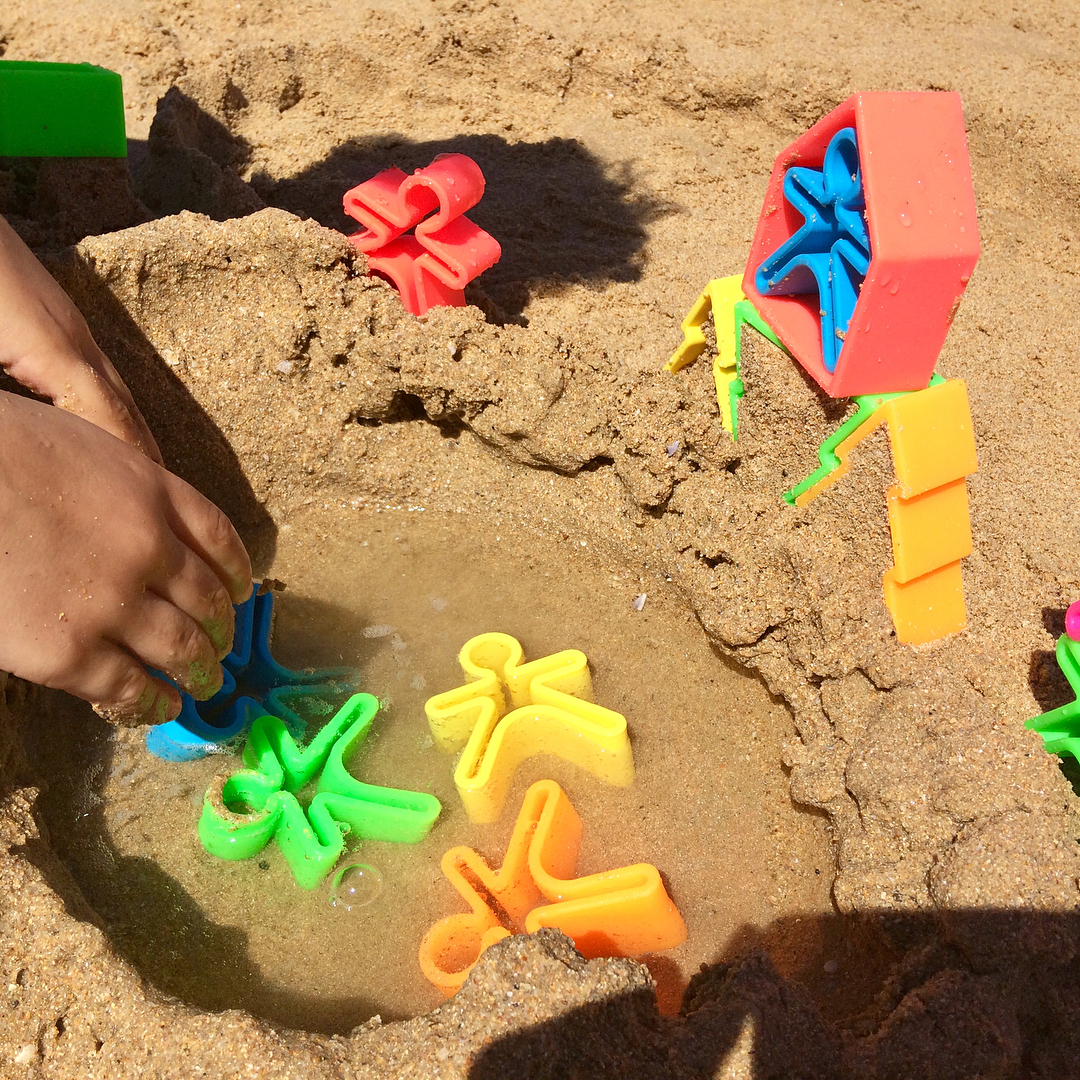
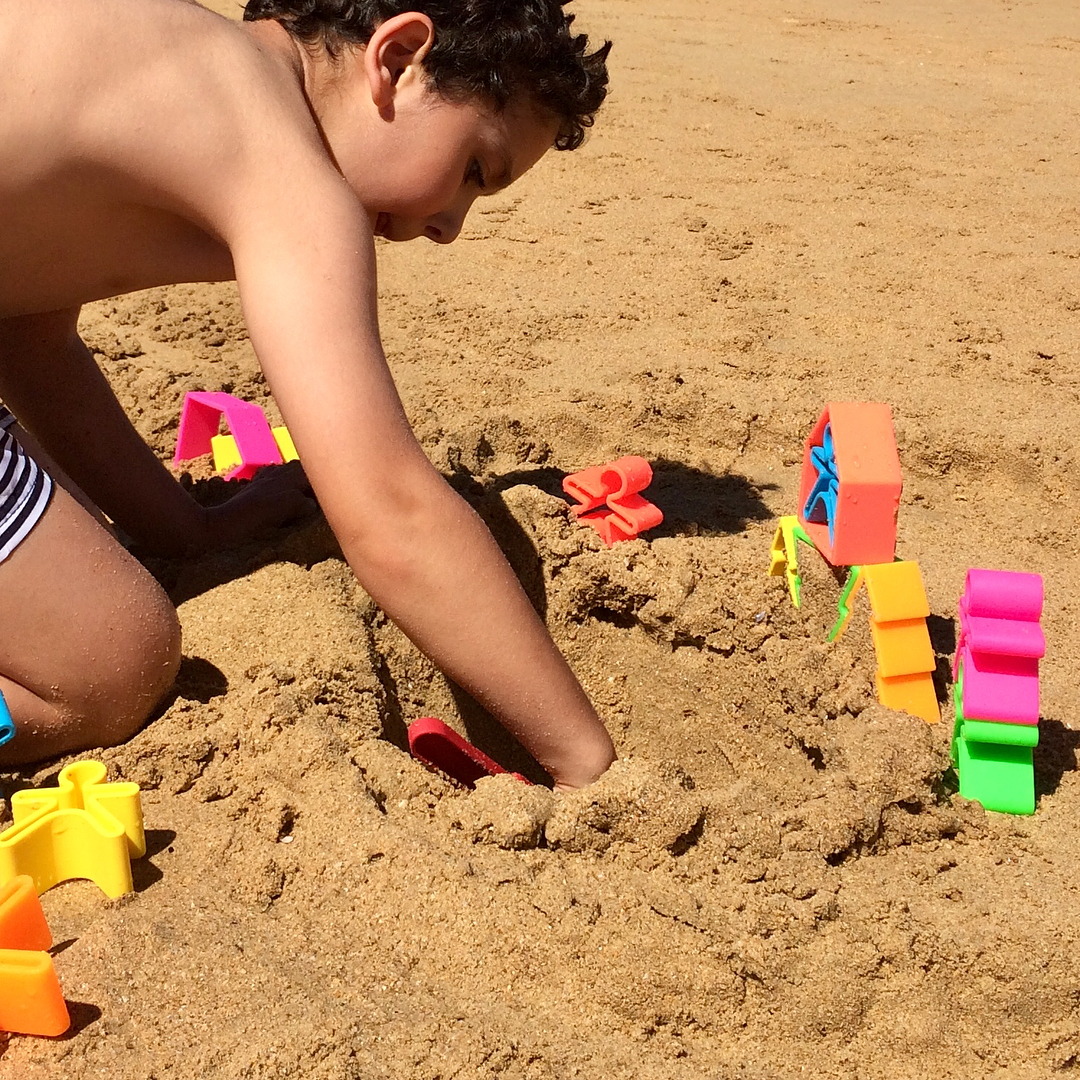
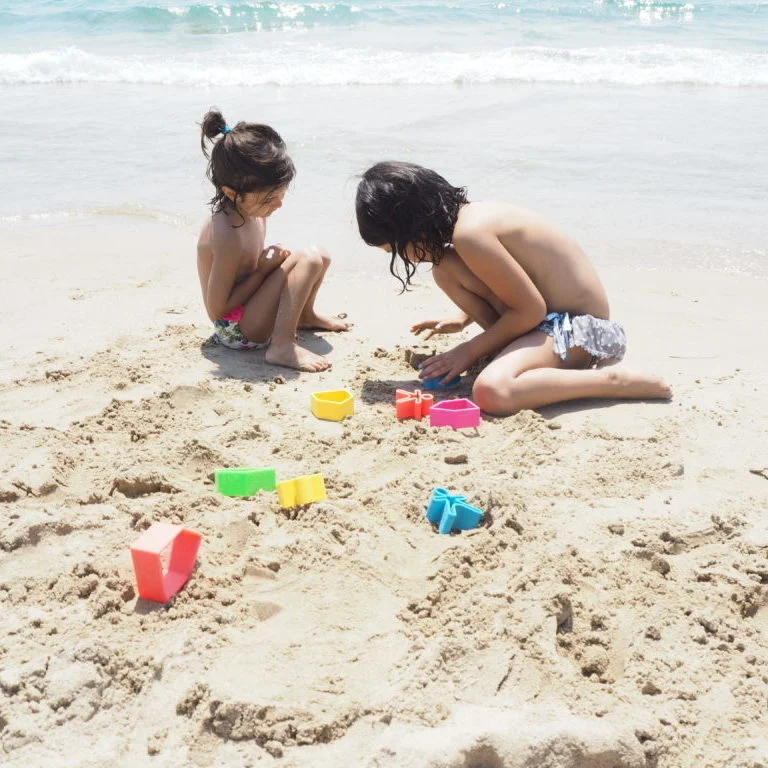
Do you have a child who doesn't enjoy bath time? A great silicone toy can change that. Because the material is waterproof and durable, it can go anywhere. Bring it to the beach and combine it with sand and water play. Stack the pieces as high as you can before the next wave comes!

6. As a Mold for Cooking and Crafts

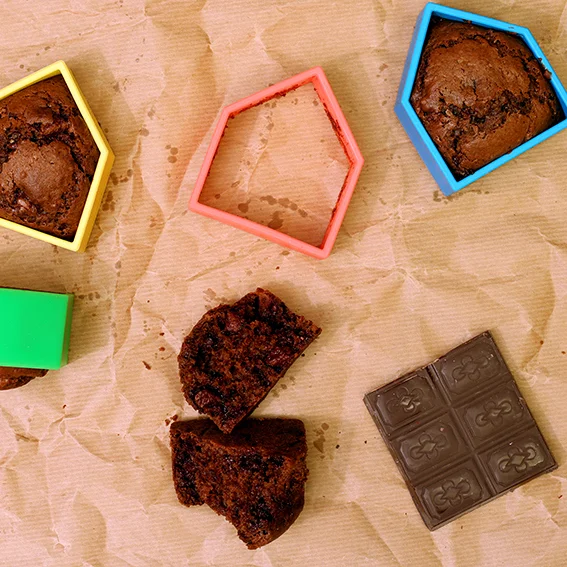
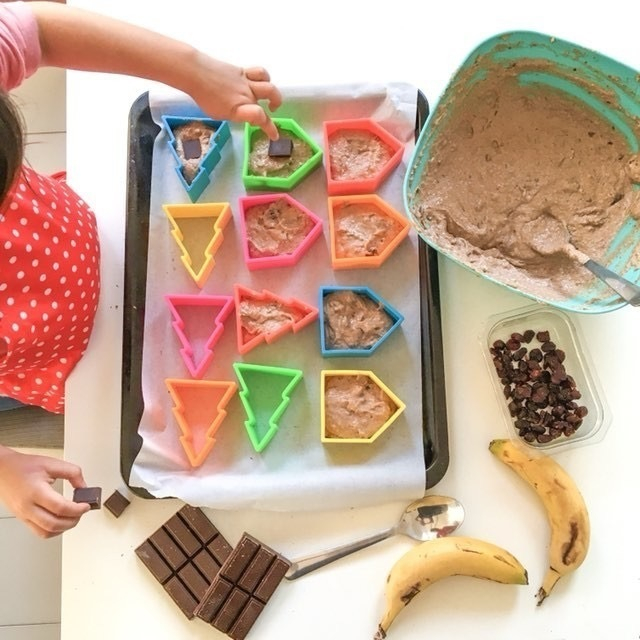
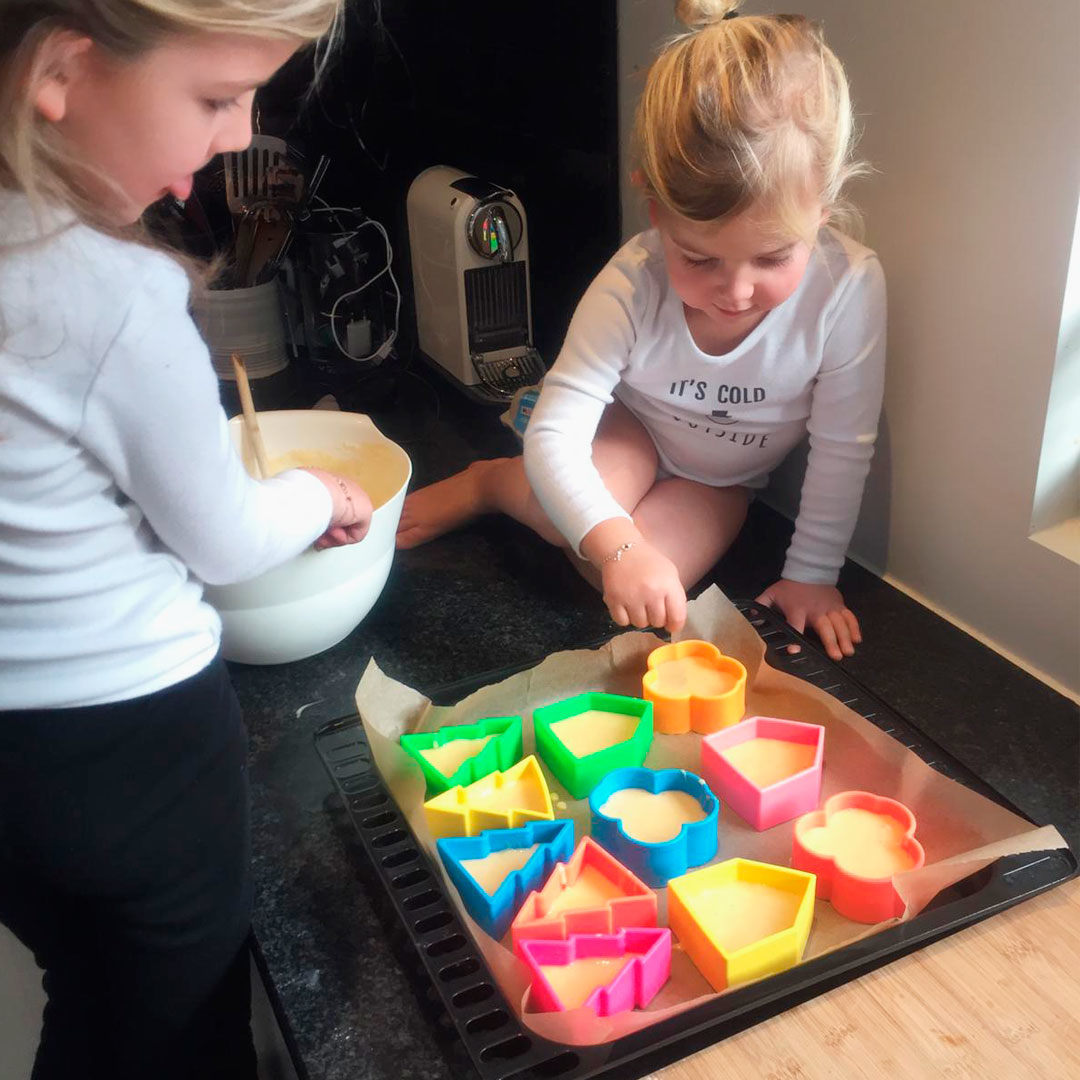
This is where a truly great toy design shines. High-quality silicone is often safe for temperatures up to 220°C (425°F), which means it's dishwasher and oven safe. You can use the same toy that your baby teethed on to make fun-shaped muffins, crayons, or ice cubes with your older child. It transforms the toy into a tool for bonding time in the kitchen.

A toy that a child can use from 6 months to 6 years is more than just a toy; it's an investment in a childhood of creative play.

6 Fun and Easy STEAM Activities to Do With Your Child

Editor's Note:

This article has been updated to provide general, evergreen ideas for STEAM activities. The original brand recommendations have been removed to focus on the types of toys and materials you can use, many of which you may already have at home.

To explore our curated collection of high-quality, educational toys that support STEAM learning, please click here to visit our toys category page.


Why Are STEAM Activities So Important?

You've probably seen "STEM" or "STEAM" toys on store shelves, promising to encourage your child's skills in Science, Technology, Engineering, Arts, and Mathematics. But do they really deliver?

The real magic of the STEAM method is that it frees each child to explore their own unique mindset and creativity. It gives them the tools to discover new ways of problem-solving, innovating, and seeing the connections between different fields. The goal of STEAM is to spark a lifelong love of learning and discovery from an early age.

Best of all, these activities are perfect for parent-child bonding time.

600x-7.jpg

6 Easy STEAM Activities to Try at Home

1. Sand or Dough Prints

This classic activity trains a child's sensory and motor nerves all at once. You just need clean sand, play dough, or even kinetic sand and various molds.

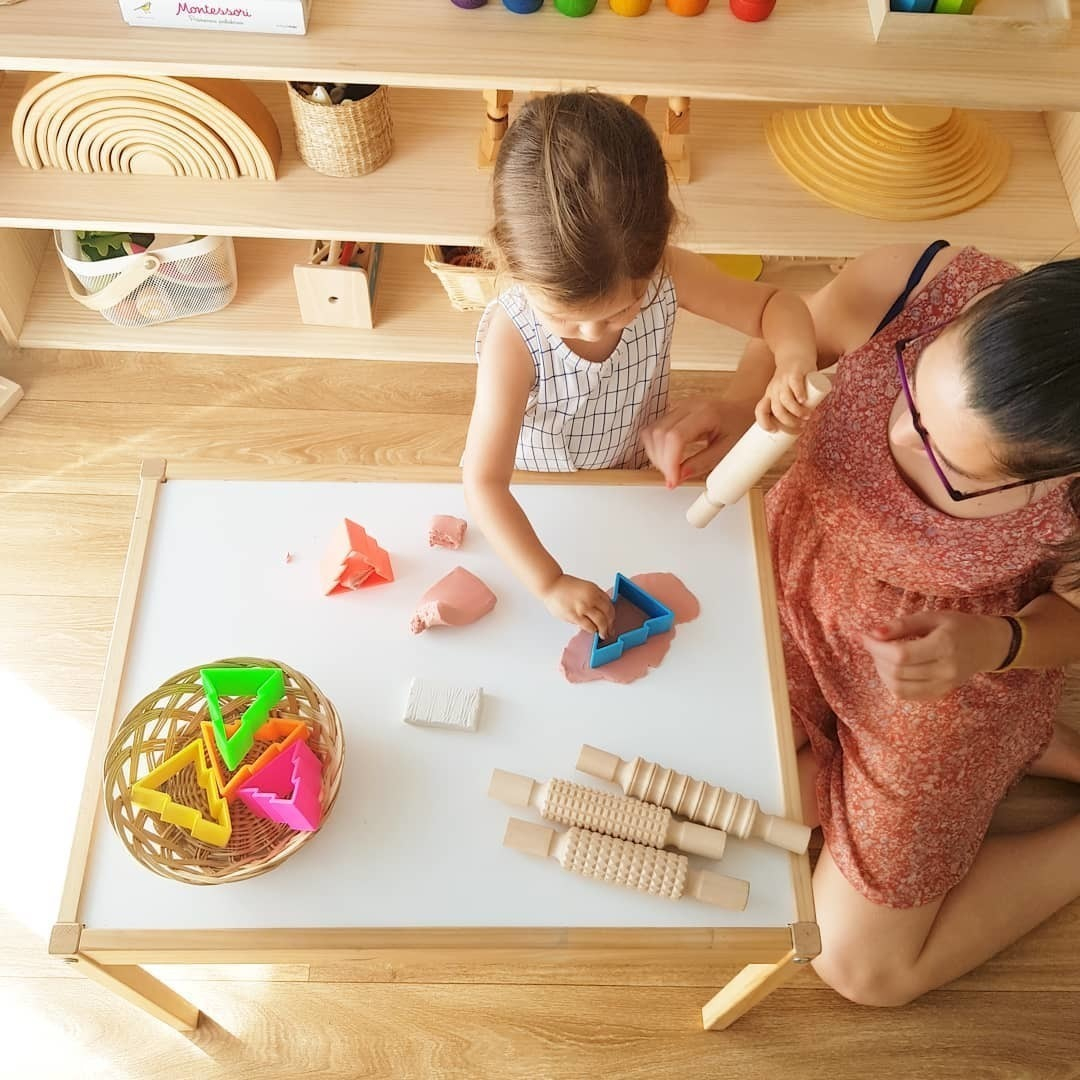
Look for versatile silicone molds. Their soft, flexible nature makes them perfect for little hands to press into sand or dough. The best part? These same molds are often oven-safe, so you can use them in the kitchen to make fun-shaped cakes or crayons later! This activity helps children recognize shapes and develop creativity.

2. Make Your Own Sculptures

Toys that can be formed and reformed freely are perfect for sharpening a child's fine motor skills and three-dimensional thinking.

While homemade play dough is great, you can also look for high-quality, plant-based modeling dough. These are often made from things like potato starch, making them 100% biodegradable and completely safe for even the youngest artists who might put things in their mouths.

3. Color Stamping

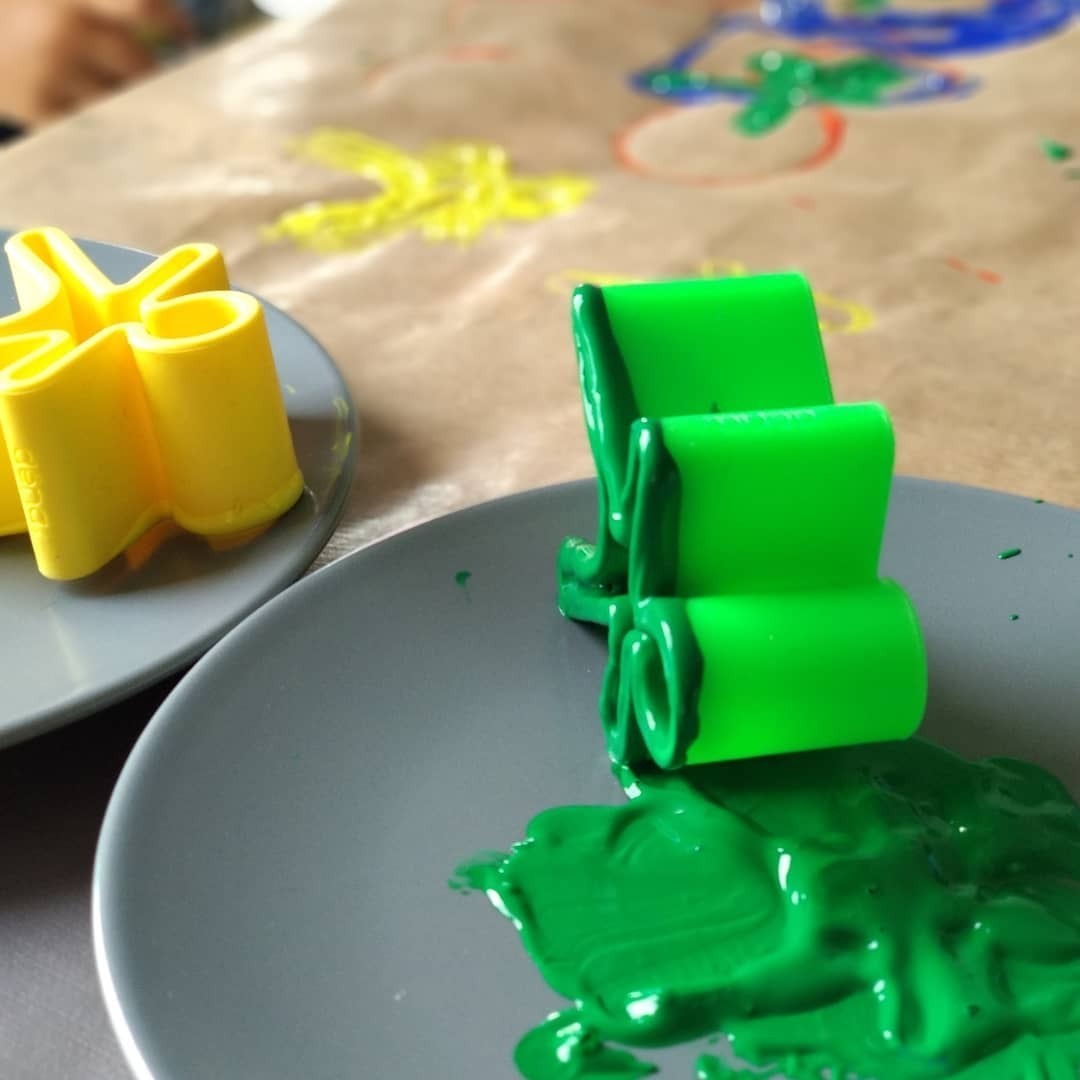
Playing with color stamps is a cheap and easy way to stimulate creativity. All you need is some paper or cardboard and a safe, non-toxic paint or food coloring.

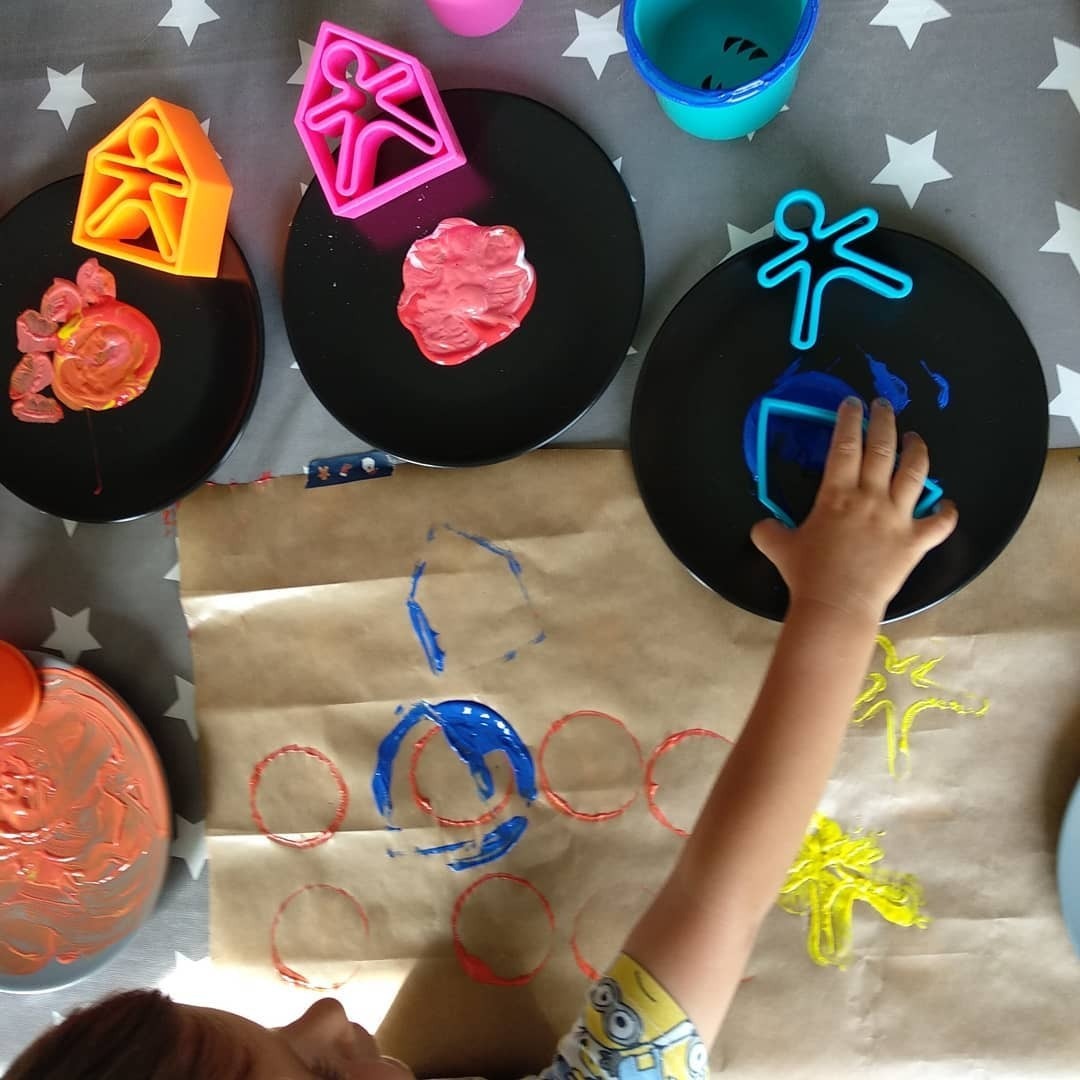
Show your child how to dip their hand into the color and make a handprint on the paper. But don't stop there! Try using other parts of the body, like feet and fingers, or get creative with household objects. The end of a celery stalk or a cut banana stem can produce beautiful, unique shapes.

4. Single-Shape Puzzles

Puzzles are a fantastic way to practice creative thinking while sharpening logic. But instead of a traditional jigsaw, try a single-shape construction set.

These deceptively simple toys consist of multiples of just one shape (like two plus-signs connected). This is the ultimate in open-ended play, as a child can create anything from a flat mosaic to a complex 3D structure. It's a brilliant way to teach children how a simple component can be the foundation for endless possibilities.

5. Arrange the Shapes

Before introducing complex building sets like LEGO, start with something bigger. You can begin with simple, everyday objects like empty food boxes or different-sized plastic bowls, which helps a child begin to recognize sizes and shapes.

When they are ready for the next step, introduce a set of large, soft building blocks. Choose blocks with attractive shapes and colors. Because they are soft, they are safe for toddlers, and their large size makes them easy for little hands to stack, build, and knock down without frustration.

6. Puppet Plays

What little kid doesn't love puppets? This activity is a powerhouse for developing communication skills.

Start by being the puppeteer yourself. Make the puppet "talk" with a funny voice, allowing your child to learn to recognize sounds and story structure. As they get a bit older, give them a puppet and invite them to join the show. Invite them to talk through the puppet. You'll be amazed at the stories they create and the confidence they build.

As you can see, preparing educational and fun activities for your child doesn't have to be expensive or complicated. Enjoy this precious bonding time

The Rise of Open-Ended Toys: Why Silicone is a Parent's Top Choice

Editor's Note:

Please be aware that as of 2025, BabyLux no longer distributes Dena products. We have updated this popular article to serve as a general guide on the incredible benefits of open-ended silicone toys, a category we are passionate about.

To discover our current collection of high-quality, creative, and safe toys from our trusted brand partners, please click here to visit our toys category page.


In today's world of parenting, there's a growing movement towards toys that spark creativity and imagination rather than limit them. This is the world of "open-ended play," and at its heart is a special kind of toy that parents are increasingly seeking out. These are high-quality, versatile toys that can be used in countless ways, empowering children to play without rules or instructions.

The options are truly endless. A great open-ended toy can be a teether, a stacking game, a sensory tool for children with special needs, a fun accessory for the beach, and even a mold for baking. The magic is that there is no "right" way to play, giving children the freedom to explore.

What Makes Open-Ended Silicone Toys So Special?

These unstructured toys are powerful tools for the early stimulation of babies and the long-term development of a child's imagination. In fact, the best open-ended toys are foundational STEAM toys, integrating concepts from science, technology, engineering, arts, and math in a fun, hands-on way.

A truly great toy should be safe, fun, and above all, creative!

Many parents love the aesthetic of classic wooden toys, but they aren't always ideal for the youngest children. Babies and toddlers instinctively explore with their mouths, and they love to bite, hit, and throw their toys. This is where high-quality, food-grade silicone shines. It's a durable, yet soft and forgiving material that can stand up to the rigors of authentic play, making it a safer choice for little ones.

The Endless Possibilities of a Single Toy

With a set of open-ended silicone toys, what seems simple at first glance becomes a universe of creative possibilities:

  • For Babies: The soft, flexible material is perfect as a safe teether for soothing sore gums.

  • For Toddlers: They become tools for learning cause and effect. Can they be stacked into a tower? What happens when they are knocked down?

  • For Preschoolers: The figures and shapes are integrated into imaginative play. They can become characters in a story, currency in a make-believe shop, or decorations on a sandcastle.

  • For All Ages: The material is often heat-resistant, meaning it can be used as a baking mold for fun-shaped crayons or cookies, and it's dishwasher-safe for easy cleanup.

Parents can have peace of mind that their child, no matter their age, is playing safely, while children thrive on the freedom to let their creativity run wild.

Ready to Inspire Creative Play?

Investing in open-ended toys is an investment in your child's development. They are the toys that will be reached for again and again, growing with your child for years to come.

Explore our curated collection of innovative and safe toys here.