Top 7 skills that your child needs to develop for success in the 21st century

It is said that every generation of humanity faces more significant challenges than the last. Therefore, each new generation needs to be better prepared and equipped with smarter skills to meet the challenges of their time. Your children will have to navigate the complicated world of the internet and information technology as they grow up. In the 21st Century, children need more than the three R’s (reading, writing, and arithmetic skills) to survive and succeed.

babylux.asia_Top 7 skills that your child needs to develop for success in the 21st century.jpg

The next generation parents must focus on developing these seven smart skills for their children:

Creative Thinking

Children are far more creative than grown-ups. Pushing them to focus too much on structured education can make their creative thinking fade away. Instead, as parents, we must encourage children to use their imagination and creativity. Regularly exercising creativity in arts or sciences from a young age develops creative thinking and imagination.

Critical Thinking

Critical thinking is an essential life-skill. Encourage your child to be curious and try your best to answer their questions. Playing problem-solving games together and discussing topics that compel children to think, helps develop their critical thinking abilities. Critical thinking is the capability to analyze and evaluate information.

Read also: Learn STEAM with APP! 5 Recommended STEAM APP for children in 2021

Public Speaking

Expressing your thoughts to an audience without fear is an essential life-skill for everyone. Public speaking for kids develops better speech, leadership skills, and confidence. Encourage your children to participate in activities like debates and storytelling competitions to help them overcome their fear of public speaking.

Communication Skills

Communication skills refer to the ability to communicate in-person and through technology. Meeting new people and learning to express themselves with clarity is essential for children in the 21stCentury. Instead of just spending time online for entertainment, allow your children to explore the internet for constructive interaction.

Social Skills

Social media and online networking have changed the nature of human interaction forever. But learning the skill of socializing well and forging relationships will always be relevant. Personality traits such as politeness, good manners and good conversation still play an important role in life.

Collaboration

Collaboration includes working together with others in a team, maintaining good relationships and co-operating with others. Encourage your child to do their share of household chores to help them understand the importance of joint effort, engage them in  a team sport, and talk to them about the importance of cooperation.

Problem Solving Skills

The proficiency of comparing, contrasting, evaluating and applying their resultant learnings without the need of a teacher shows problem-solving skills in a child. This skill can be learnt over time. Discuss news and politics with children when you can to encourage them to find, analyze and evaluate details of important issues to develop better problem-solving skills.

Growing up in the age of digital technology is an excellent advantage for the children of our time. But this also subjects them to greater competition and higher standards for success. Developing some smart skills at the right age can go a long way to help your children to succeed in the 21st Century.

Read also: Recommended toys to develop child's skills for the future!

Author Bio:

Screen Shot 2021-03-15 at 9.38.11 AM.png

Samidha Raj works as part of the content marketing team at Planet Spark, a platform that provides online classes to K8 learners on "New Age Skills" like, English Communication, Public Speaking, Grammar, Creative Writing, Debating, etc. She is passionate about empowering the youth by educating parents about the importance of 21st-century skills. In her free time, you can find her watching documentaries or animated movies and organizing game nights (board games are her thing)!
A Parent's Guide to Self-Feeding: Why It's Worth the Mess

As a new parent, your instinct is to be protective. You worry about choking, so you might prefer to feed your child yourself. While every parent has a different perspective, let's discuss the incredible importance of allowing children to be in charge of their own feeding and learn how to listen to their bodies.

This approach, often called Baby-Led Weaning (BLW), can be messy. But this article will show you why you should empower your little one to self-feed—and why it is absolutely worth the mess.

Why is Self-Feeding Worth the Mess?

Learning to eat alone is a critical skill that should be encouraged early. When a child is able to grasp something, letting them explore food with their hands stimulates their development in profound ways.

  • Develops Fine Motor Skills: The act of learning to grab food and put it in their mouths strengthens the small muscles in their hands and fingers. This is the same dexterity they will later use for other positive activities like coloring, drawing, and writing. The more they practice, the stronger those muscles become.

  • Improves Hand-Eye Coordination: Self-feeding requires your baby to see their food, use their hands to pick it up, and guide it successfully to their mouth. This is a complex task that builds crucial coordination.

  • Encourages a Healthy Relationship with Food: Allowing a baby to control their own intake helps them learn to listen to their body's hunger and fullness cues. It gives them a sense of autonomy and can lead to them being more adventurous eaters in the long run.

When is a Good Age to Start Self-Feeding?

Once you introduce solid foods (around 6 months), your child will likely start showing signs of wanting to feed themselves. When your child is able to sit up unassisted and can successfully pick up food and get it into their mouth, it's the right time to begin the transition.

Self-feeding involves lots of feeling, squeezing, and dropping food. It might seem chaotic, but it’s one of the primary ways your child develops essential skills.

How to Start Your Baby's Self-Feeding Journey

Step 1: Start with Hands and Finger Foods

Baby-Led Weaning encourages letting your child explore food with all their senses. Start by offering soft, bite-sized pieces of food that are easy for your baby to pick up and mash between their gums. Think small pieces of soft fruit like banana or avocado, or soft-cooked vegetables like potatoes or pumpkin.

At this stage (around 6 months), finger foods are for exploration, not their main source of nutrition, so you should continue breastfeeding or formula feeding as usual. You'll find that once they become interested in the textures and tastes of food, the journey to self-feeding becomes much easier.

Step 2: Introducing the Right Kind of Utensils

There's no right or wrong time to introduce utensils, but it's the next logical step in their development. The key is to use utensils that are actually made for a baby's hands and abilities.

Traditional children's cutlery often looks like adult cutlery, just scaled down. The problem? A "child-size" spoon is often the same length as a 12-month-old's entire forearm! This forces them to hold it in an awkward fist grip, which doesn't help develop the fine motor skills they need.

What to Look for in a Starter Spoon and Fork:

Instead of focusing on a brand, focus on these revolutionary design features endorsed by Occupational Therapists:

  • A Short, Ergonomic Handle: This is the most important feature. A short, wide handle encourages a child's natural vertical grasp, allowing them to hold the utensil properly and bring it to their mouth much more easily.

  • A Choke-Protection Shield: Many of the best starter utensils have a built-in safety shield below the spoon or fork tines. This prevents your baby from accidentally gagging themselves, giving you invaluable peace of mind.

  • Proportional Sizing: The utensil should be sized for a baby's body, not just a smaller version of an adult's.

A Final Word on the Mess

Messy eating and playing with food are normal, healthy parts of your baby’s development. It's also normal for them to drop or throw food. If you react strongly, they might think it's an exciting new game. The best strategy is to ignore it. Calmly pick up the food without a fuss, or simply leave it on the floor until the meal is over so you only have one big clean-up.

Needless to say, teaching children self-feeding is often a long and messy journey. Just let the food fly!!
— The Real Nutritionist

The Rise of Open-Ended Toys: Why Silicone is a Parent's Top Choice

Editor's Note:

Please be aware that as of 2025, BabyLux no longer distributes Dena products. We have updated this popular article to serve as a general guide on the incredible benefits of open-ended silicone toys, a category we are passionate about.

To discover our current collection of high-quality, creative, and safe toys from our trusted brand partners, please click here to visit our toys category page.


In today's world of parenting, there's a growing movement towards toys that spark creativity and imagination rather than limit them. This is the world of "open-ended play," and at its heart is a special kind of toy that parents are increasingly seeking out. These are high-quality, versatile toys that can be used in countless ways, empowering children to play without rules or instructions.

The options are truly endless. A great open-ended toy can be a teether, a stacking game, a sensory tool for children with special needs, a fun accessory for the beach, and even a mold for baking. The magic is that there is no "right" way to play, giving children the freedom to explore.

What Makes Open-Ended Silicone Toys So Special?

These unstructured toys are powerful tools for the early stimulation of babies and the long-term development of a child's imagination. In fact, the best open-ended toys are foundational STEAM toys, integrating concepts from science, technology, engineering, arts, and math in a fun, hands-on way.

A truly great toy should be safe, fun, and above all, creative!

Many parents love the aesthetic of classic wooden toys, but they aren't always ideal for the youngest children. Babies and toddlers instinctively explore with their mouths, and they love to bite, hit, and throw their toys. This is where high-quality, food-grade silicone shines. It's a durable, yet soft and forgiving material that can stand up to the rigors of authentic play, making it a safer choice for little ones.

The Endless Possibilities of a Single Toy

With a set of open-ended silicone toys, what seems simple at first glance becomes a universe of creative possibilities:

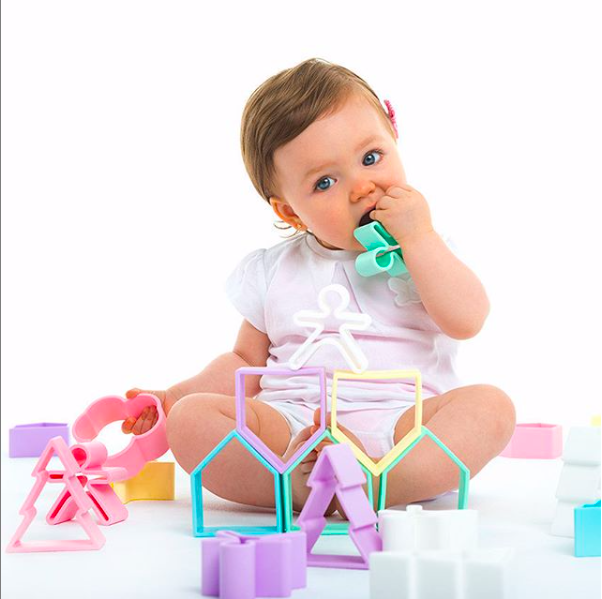
  • For Babies: The soft, flexible material is perfect as a safe teether for soothing sore gums.

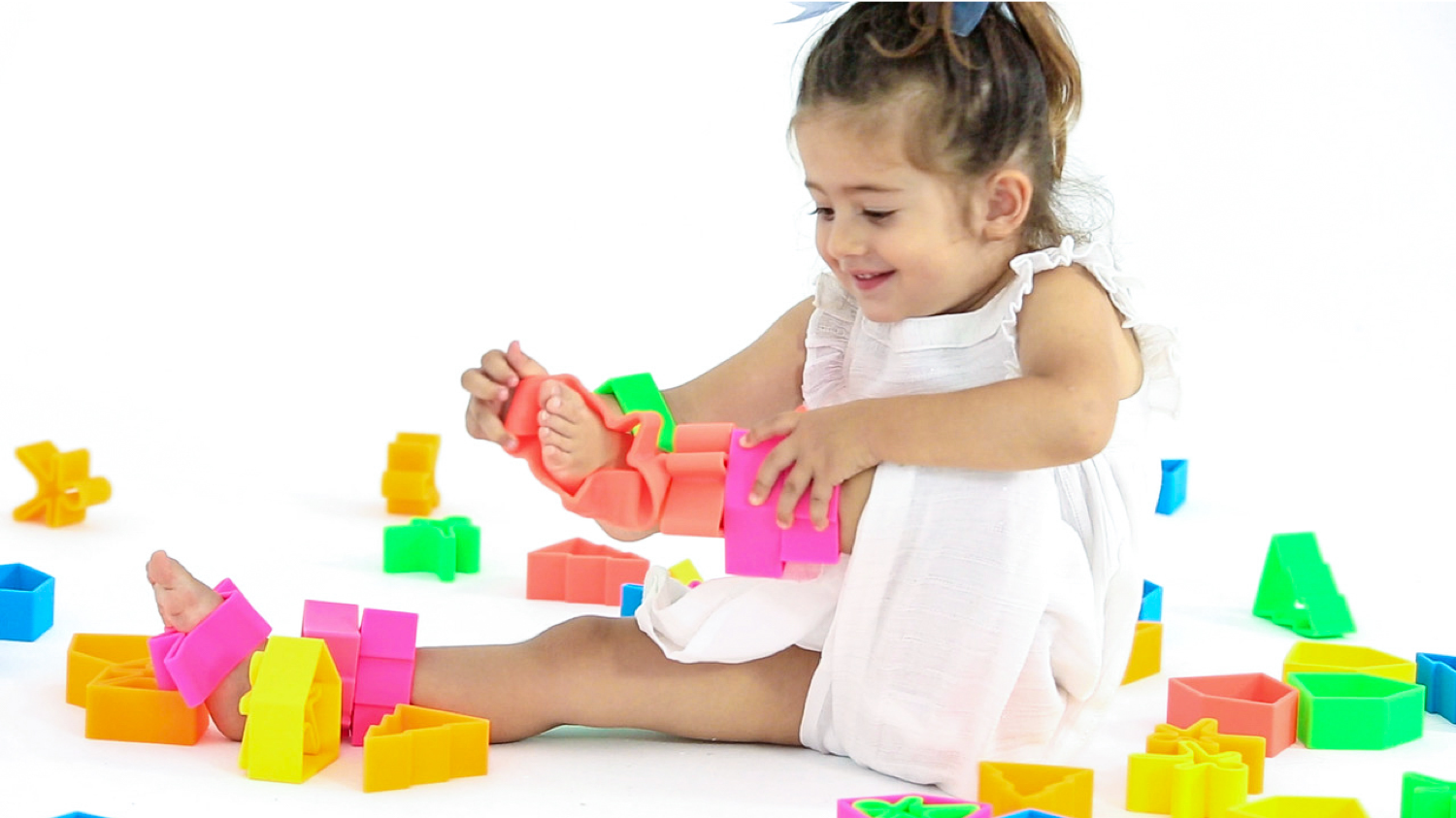
  • For Toddlers: They become tools for learning cause and effect. Can they be stacked into a tower? What happens when they are knocked down?

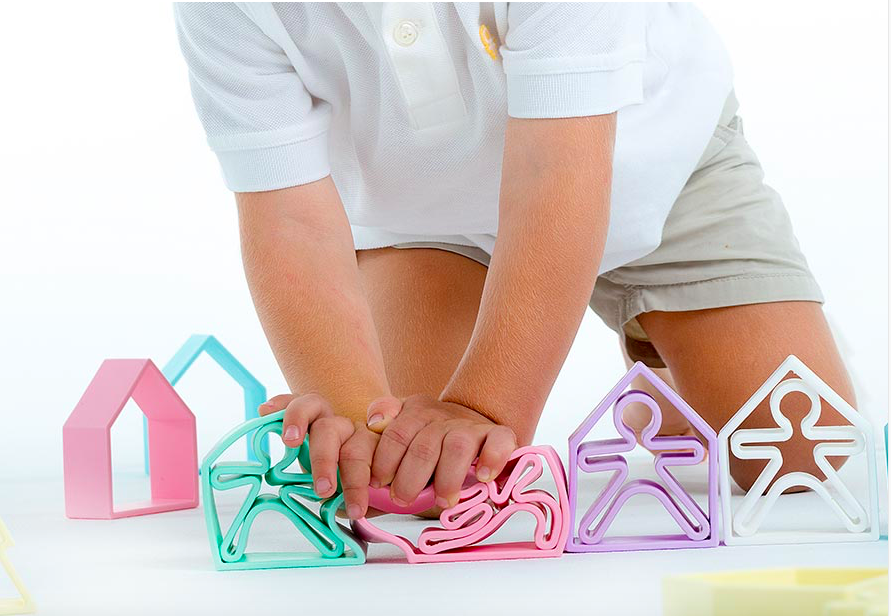
  • For Preschoolers: The figures and shapes are integrated into imaginative play. They can become characters in a story, currency in a make-believe shop, or decorations on a sandcastle.

  • For All Ages: The material is often heat-resistant, meaning it can be used as a baking mold for fun-shaped crayons or cookies, and it's dishwasher-safe for easy cleanup.

Parents can have peace of mind that their child, no matter their age, is playing safely, while children thrive on the freedom to let their creativity run wild.

Ready to Inspire Creative Play?

Investing in open-ended toys is an investment in your child's development. They are the toys that will be reached for again and again, growing with your child for years to come.

Explore our curated collection of innovative and safe toys here.