6 Fun and Easy STEAM Activities to Do With Your Child

Editor's Note:

This article has been updated to provide general, evergreen ideas for STEAM activities. The original brand recommendations have been removed to focus on the types of toys and materials you can use, many of which you may already have at home.

To explore our curated collection of high-quality, educational toys that support STEAM learning, please click here to visit our toys category page.


Why Are STEAM Activities So Important?

You've probably seen "STEM" or "STEAM" toys on store shelves, promising to encourage your child's skills in Science, Technology, Engineering, Arts, and Mathematics. But do they really deliver?

The real magic of the STEAM method is that it frees each child to explore their own unique mindset and creativity. It gives them the tools to discover new ways of problem-solving, innovating, and seeing the connections between different fields. The goal of STEAM is to spark a lifelong love of learning and discovery from an early age.

Best of all, these activities are perfect for parent-child bonding time.

600x-7.jpg

6 Easy STEAM Activities to Try at Home

1. Sand or Dough Prints

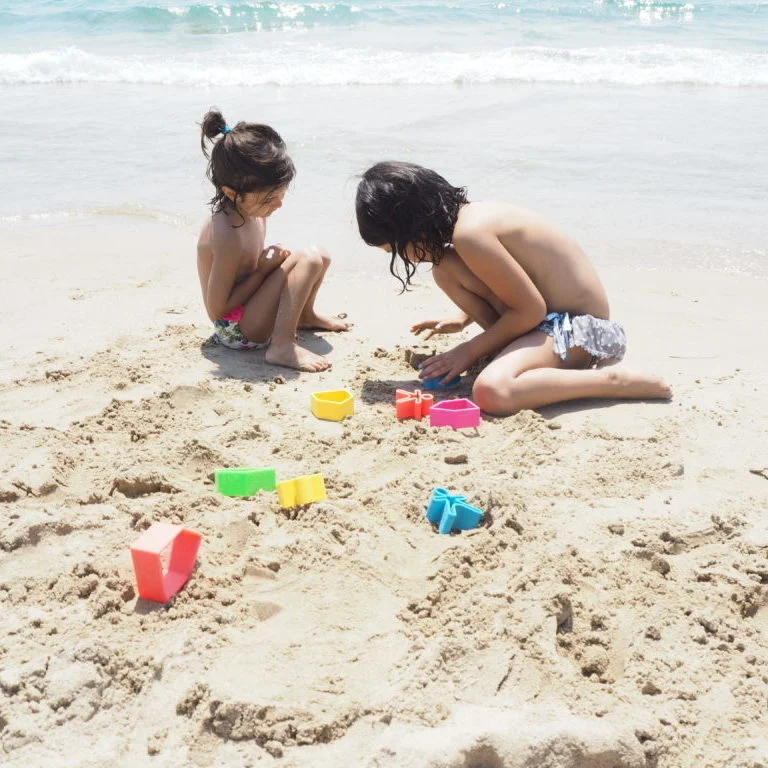
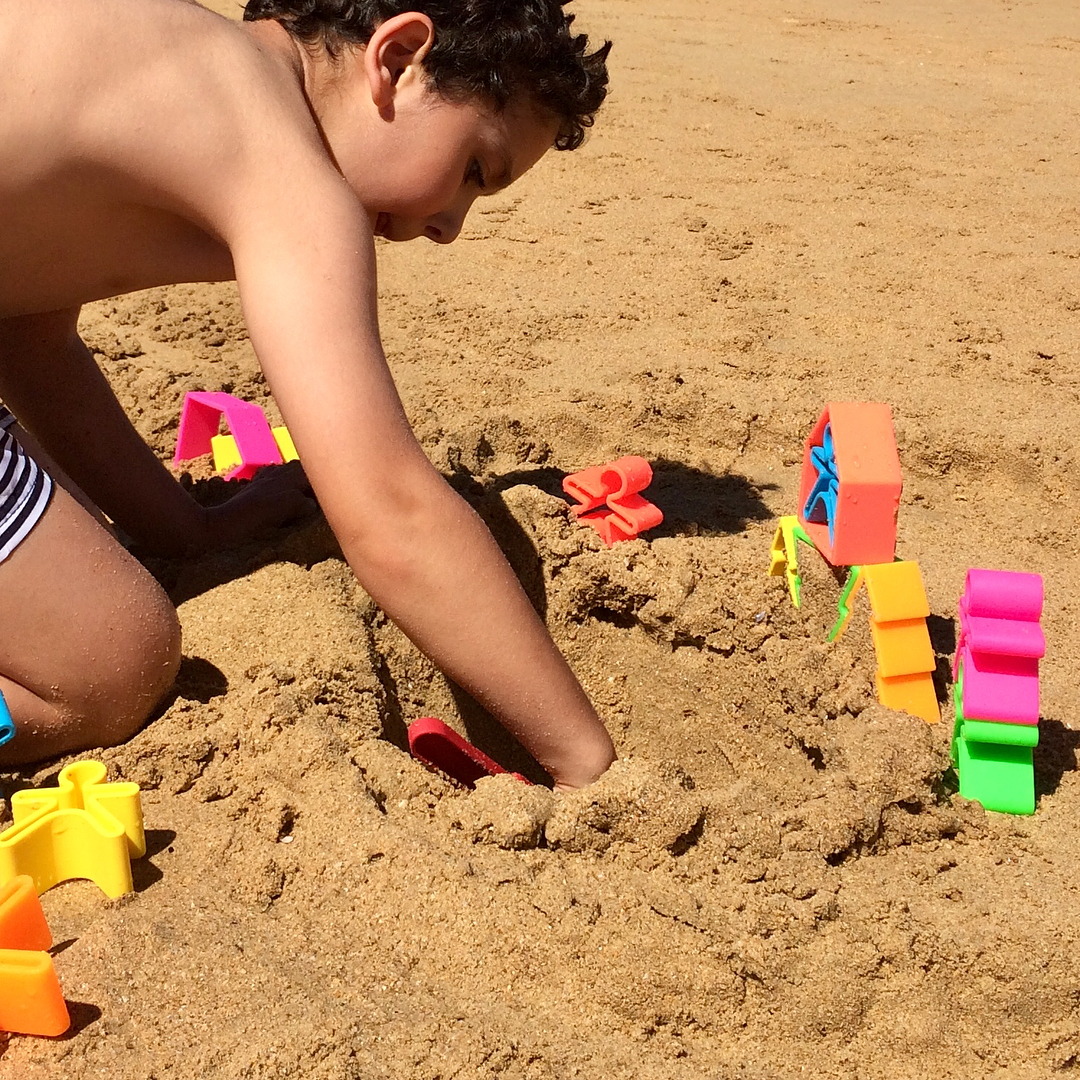
This classic activity trains a child's sensory and motor nerves all at once. You just need clean sand, play dough, or even kinetic sand and various molds.

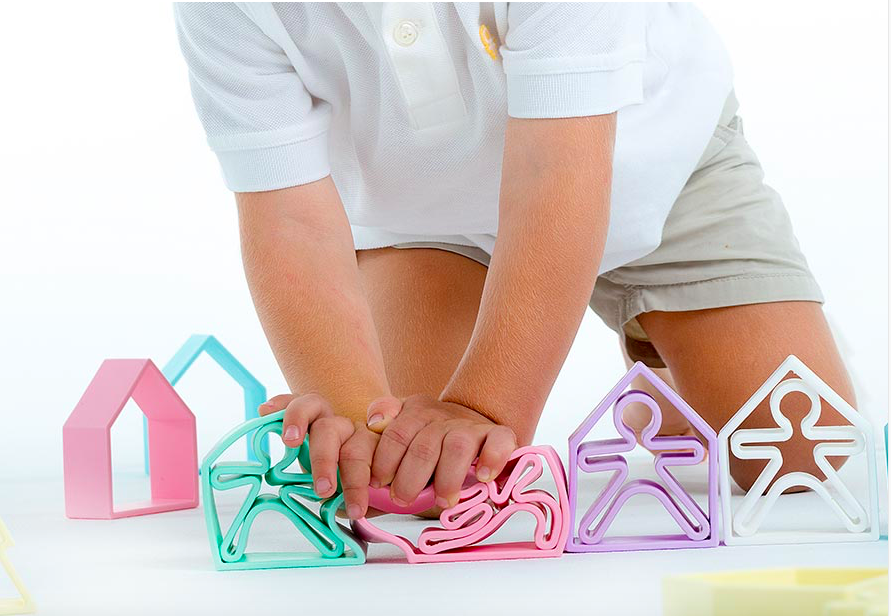
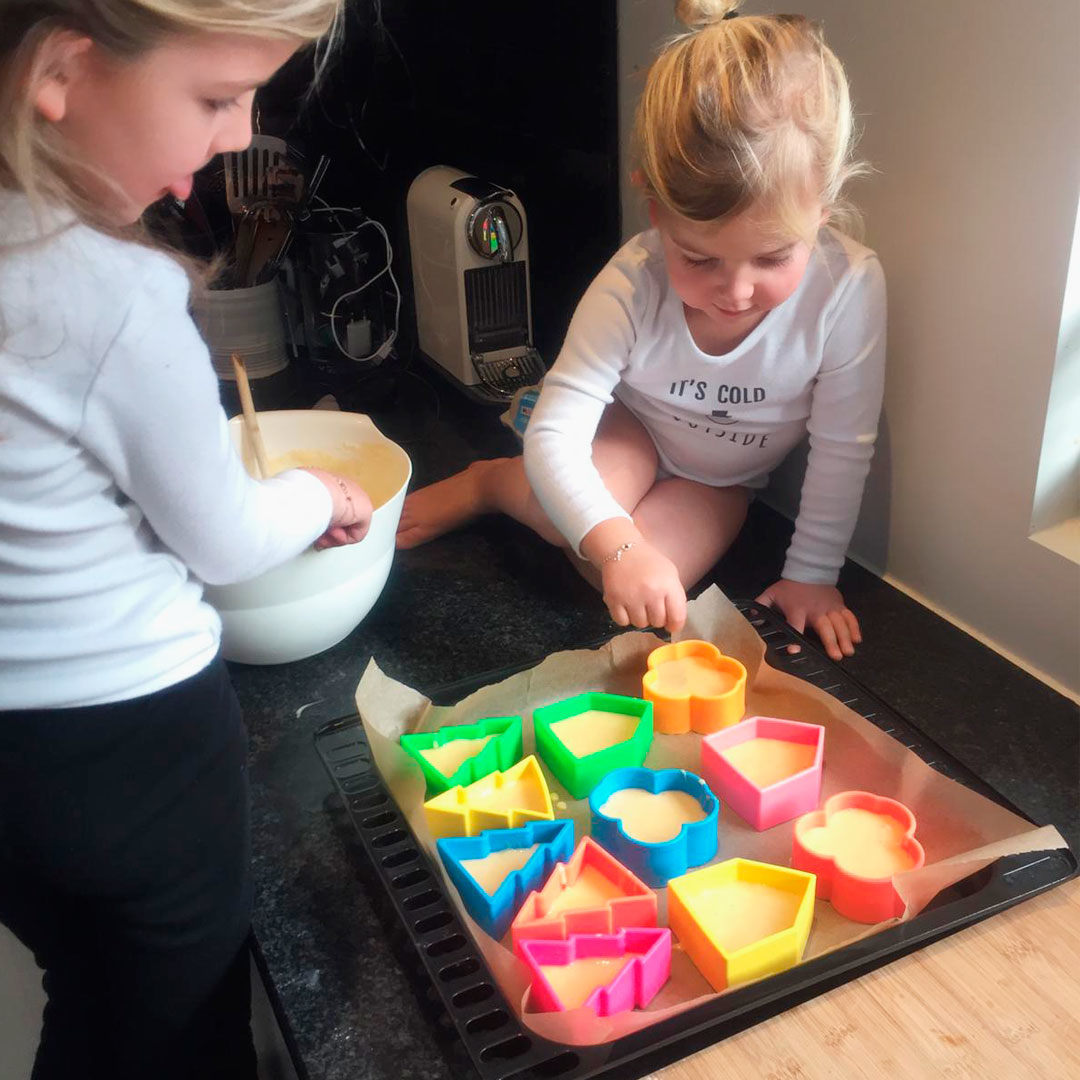
Look for versatile silicone molds. Their soft, flexible nature makes them perfect for little hands to press into sand or dough. The best part? These same molds are often oven-safe, so you can use them in the kitchen to make fun-shaped cakes or crayons later! This activity helps children recognize shapes and develop creativity.

2. Make Your Own Sculptures

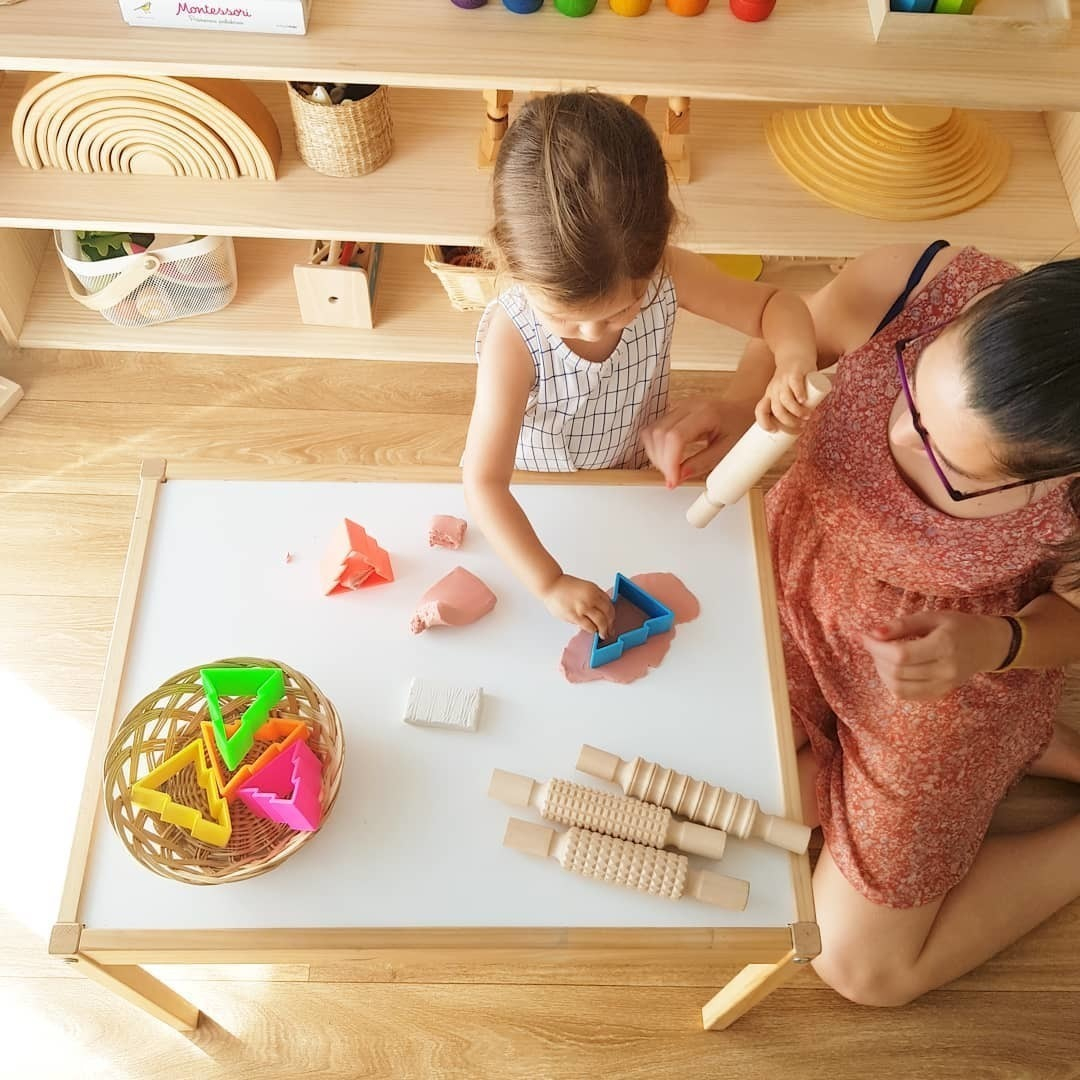
Toys that can be formed and reformed freely are perfect for sharpening a child's fine motor skills and three-dimensional thinking.

While homemade play dough is great, you can also look for high-quality, plant-based modeling dough. These are often made from things like potato starch, making them 100% biodegradable and completely safe for even the youngest artists who might put things in their mouths.

3. Color Stamping

Playing with color stamps is a cheap and easy way to stimulate creativity. All you need is some paper or cardboard and a safe, non-toxic paint or food coloring.

Show your child how to dip their hand into the color and make a handprint on the paper. But don't stop there! Try using other parts of the body, like feet and fingers, or get creative with household objects. The end of a celery stalk or a cut banana stem can produce beautiful, unique shapes.

4. Single-Shape Puzzles

Puzzles are a fantastic way to practice creative thinking while sharpening logic. But instead of a traditional jigsaw, try a single-shape construction set.

These deceptively simple toys consist of multiples of just one shape (like two plus-signs connected). This is the ultimate in open-ended play, as a child can create anything from a flat mosaic to a complex 3D structure. It's a brilliant way to teach children how a simple component can be the foundation for endless possibilities.

5. Arrange the Shapes

Before introducing complex building sets like LEGO, start with something bigger. You can begin with simple, everyday objects like empty food boxes or different-sized plastic bowls, which helps a child begin to recognize sizes and shapes.

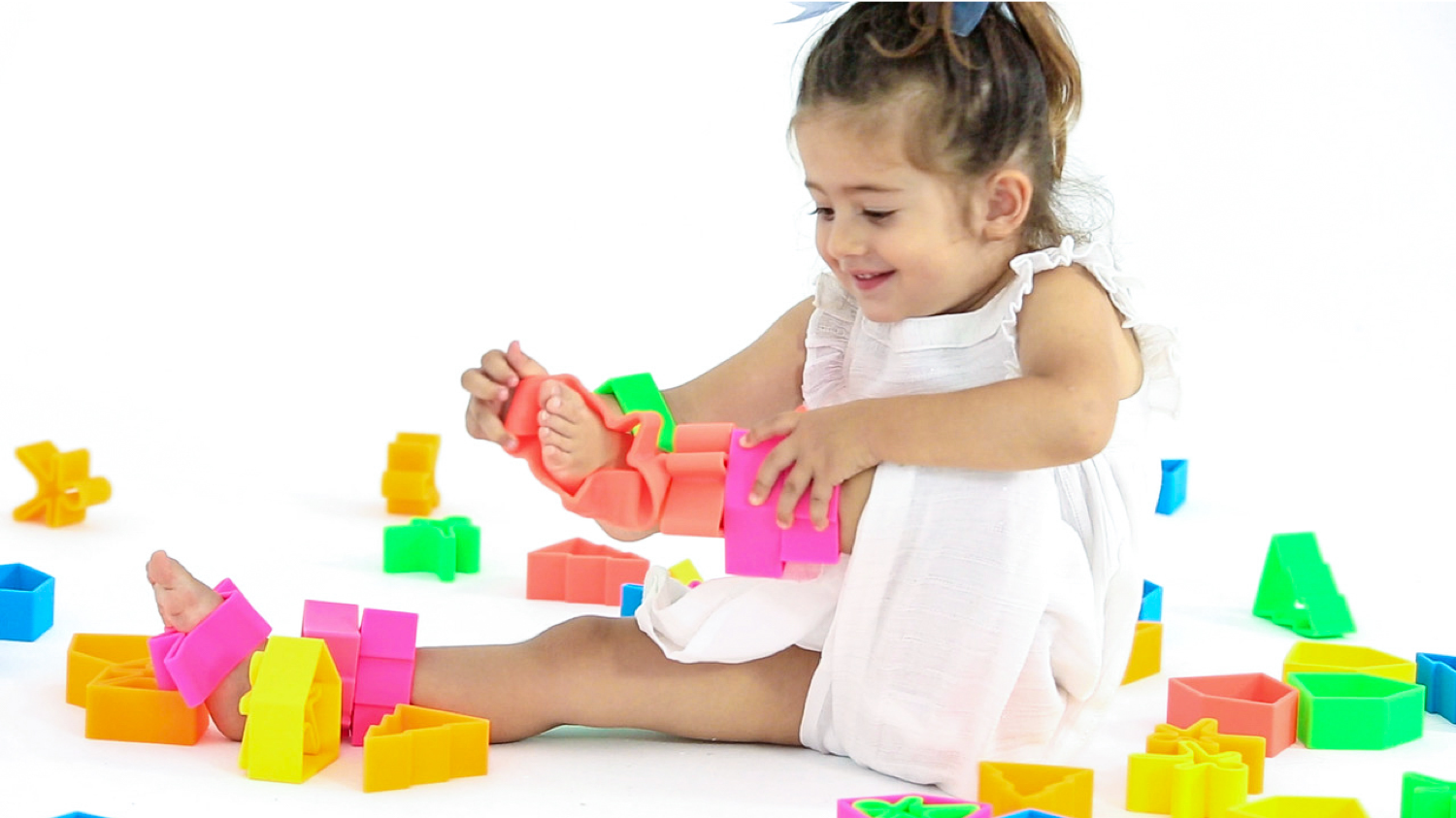
When they are ready for the next step, introduce a set of large, soft building blocks. Choose blocks with attractive shapes and colors. Because they are soft, they are safe for toddlers, and their large size makes them easy for little hands to stack, build, and knock down without frustration.

6. Puppet Plays

What little kid doesn't love puppets? This activity is a powerhouse for developing communication skills.

Start by being the puppeteer yourself. Make the puppet "talk" with a funny voice, allowing your child to learn to recognize sounds and story structure. As they get a bit older, give them a puppet and invite them to join the show. Invite them to talk through the puppet. You'll be amazed at the stories they create and the confidence they build.

As you can see, preparing educational and fun activities for your child doesn't have to be expensive or complicated. Enjoy this precious bonding time
A Parent's Guide to Building Blocks by Age: The Benefits of Block Play

Editor's Note:

As part of our commitment to providing timeless, valuable advice, this popular article has been updated to be a general guide on choosing age-appropriate building blocks. The specific brand examples have been replaced with descriptions of the types of blocks that best serve each developmental stage.

To explore our current collection of high-quality, creative building toys from our trusted brand partners, please click here.


Building blocks have been a childhood staple for decades, and for good reason. Building with blocks provides one of the most valuable learning experiences available for young children. Block play stimulates learning in all domains of development—intellectual, physical, and social-emotional—and, most importantly, allows a child's imagination to run free.

Researchers have even shown that children who play with blocks when they are three, four, and five years of age tend to perform better in math, especially Algebra, later in middle school.

Building Blocks for Kids at Different Ages

With so many types of baby blocks on the market, how do you know which kind is right for your child? Not all blocks will work for all age groups. There is a natural progression to block play, and introducing them at each stage is invaluable for development.

Blocks Play for Babies (3 to 12 months old)

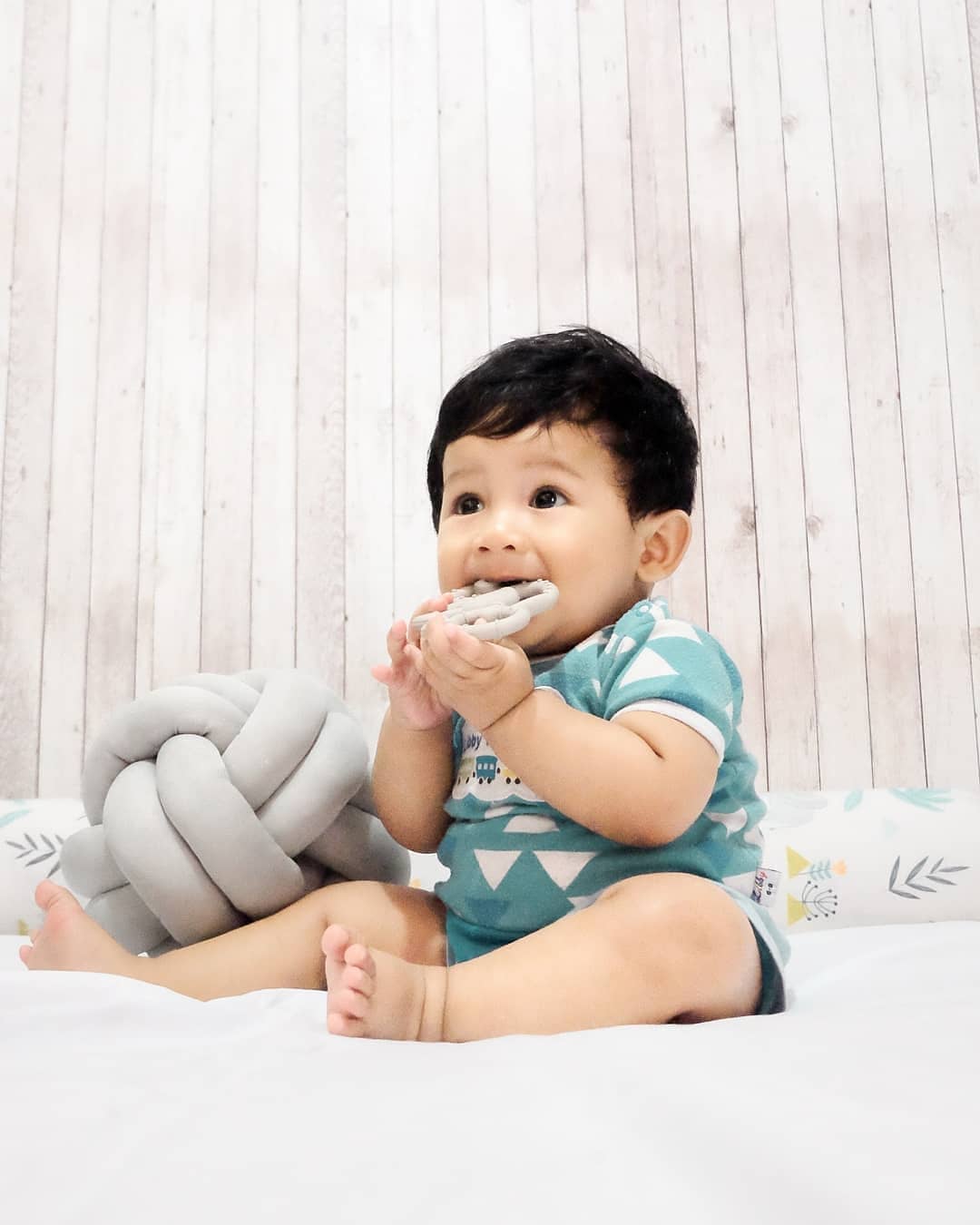
When babies are first introduced to blocks, the play is all about sensory exploration. They are learning how to hold them, feeling their texture, and are attracted by their eye-catching colors. They will carry them around, bang them together to see what sound they make, and, of course, put them in their mouths. This simple play expands a young child’s expressive and receptive language as they learn new words and concepts.

Recommended Blocks for this Age: Soft Silicone Blocks
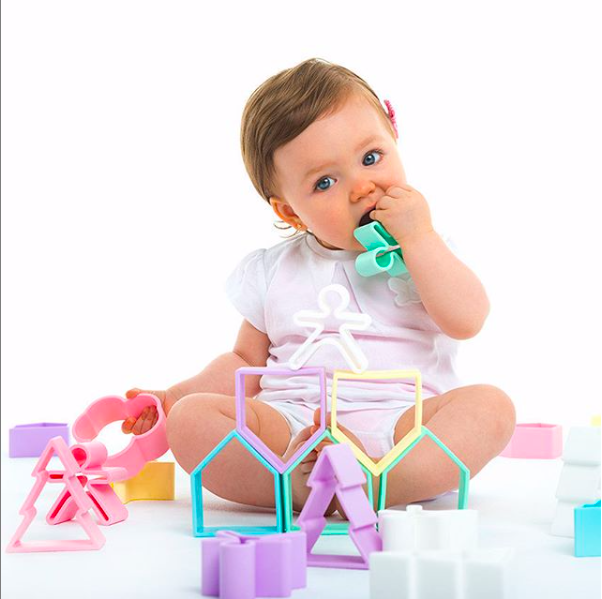
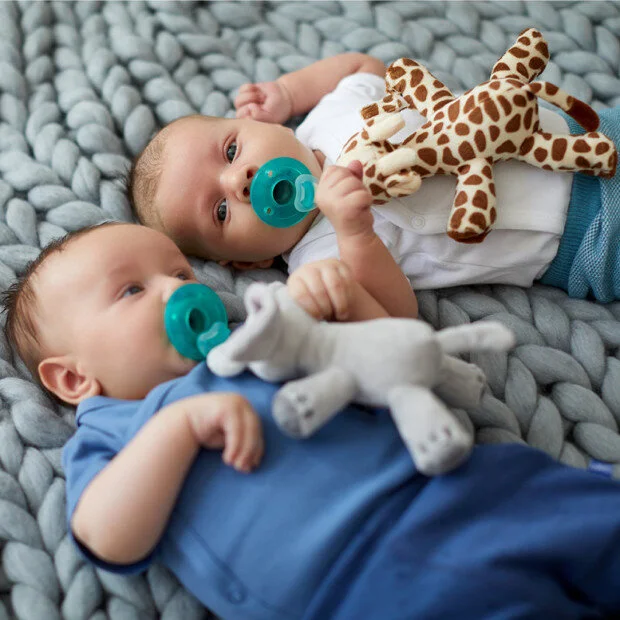
For this stage, choose blocks made from soft, food-grade silicone. These are perfect because they can double as a teether, which is great for itchy gums. This also helps the child learn the crucial hand-to-mouth movement needed for self-feeding. The different colors encourage visual stimulation and color recognition, making them an ideal first toy for all-around development.

Blocks Play for Toddlers (2 to 3 years old)

At this age, the aim of play shifts to developing the mind: to imagine, visualize, explore, and create. A two or three-year-old is beginning to engage in early pretend play and is learning concepts like sorting, ordering, counting, size, and shape.

Recommended Blocks for this Age: Large, Lightweight Interlocking Blocks
Look for blocks made from soft but sturdy foam or plastic. They should be lightweight enough for a toddler to handle easily but firm enough that their creations don't tumble over too often, which can cause frustration. Colorful visuals and a comfortable touch are key. These blocks should be durable, easy to clean, and safe, allowing kids to have fun while stimulating creativity and imagination.

Blocks Play for Preschoolers (4 to 5 years old)

By four and five, children's block play becomes more experienced, balanced, and organized. Constructive play is more open-ended and exploratory. Children begin to combine different structures to make more complex buildings, telling stories through their creations.

Recommended Blocks for this Age: Smaller, Complex Construction Sets
Introduce smaller, more intricate interlocking blocks. These types of sets emphasize how a single, simple shape can be used to create an infinite variety of things. They are perfect for teaching children how to translate a flat, 2D design into a 3D structure. This challenges their fine motor skills, encourages problem-solving, and takes their creativity to the next level.

50015893_370619580417705_5606032701099285469_n.jpg
Play is the highest form of research.
— Albert Einstein

The Ultimate Guide to Choosing a Teether for Teething Pain Relief

Editor's Note:

Please be aware that BabyLux no longer distributes Matchstick Monkey products. This popular article has been updated to serve as a definitive guide on what to look for when choosing the most effective teether to soothe your baby's teething pain.


When your baby is suffering from teething pain, you'll do anything to find a solution. Many of the best and most innovative baby products are born from a parent's direct experience—a mom or dad who couldn't find the perfect tool and decided to create it themselves. This is especially true in the world of teethers.

With so many choices on the market, it can be overwhelming for parents to decide which product is best. While all teethers are designed to soothe sore gums, they come with different features. This guide will help you understand what to look for to find the perfect solution for your little one.

The Ultimate Teether Checklist: What to Look For

To find a teether that is both effective and loved by your baby, look for these key features.

1. Ergonomic Design for Little Hands

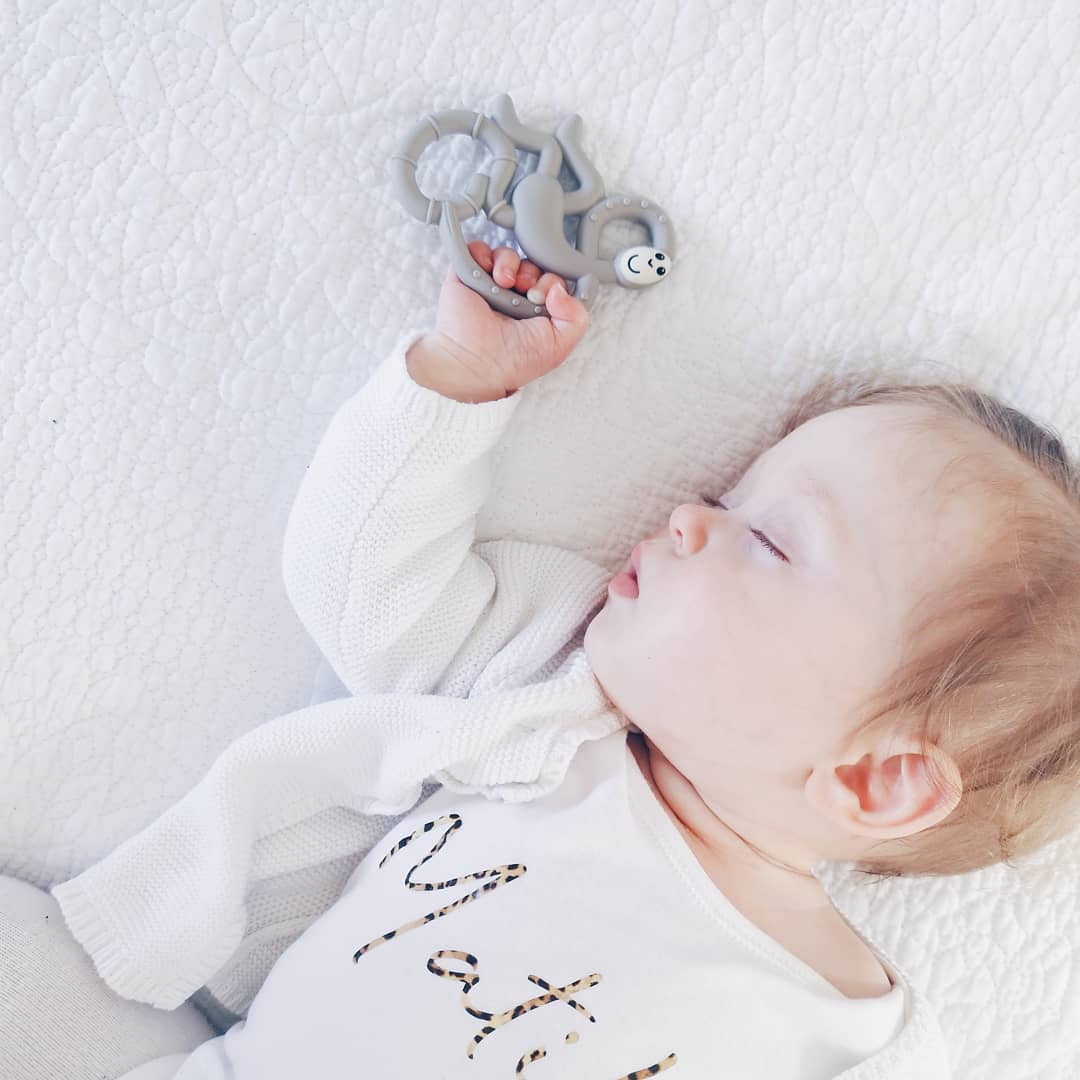
A teether should be easy for a baby to hold and manipulate. Look for ergonomically designed products that are lightweight and have handles or shapes perfectly suited for tiny hands. This helps your baby develop motor skills while empowering them to soothe themselves.

2. Doubles as a Teething Gel Applicator

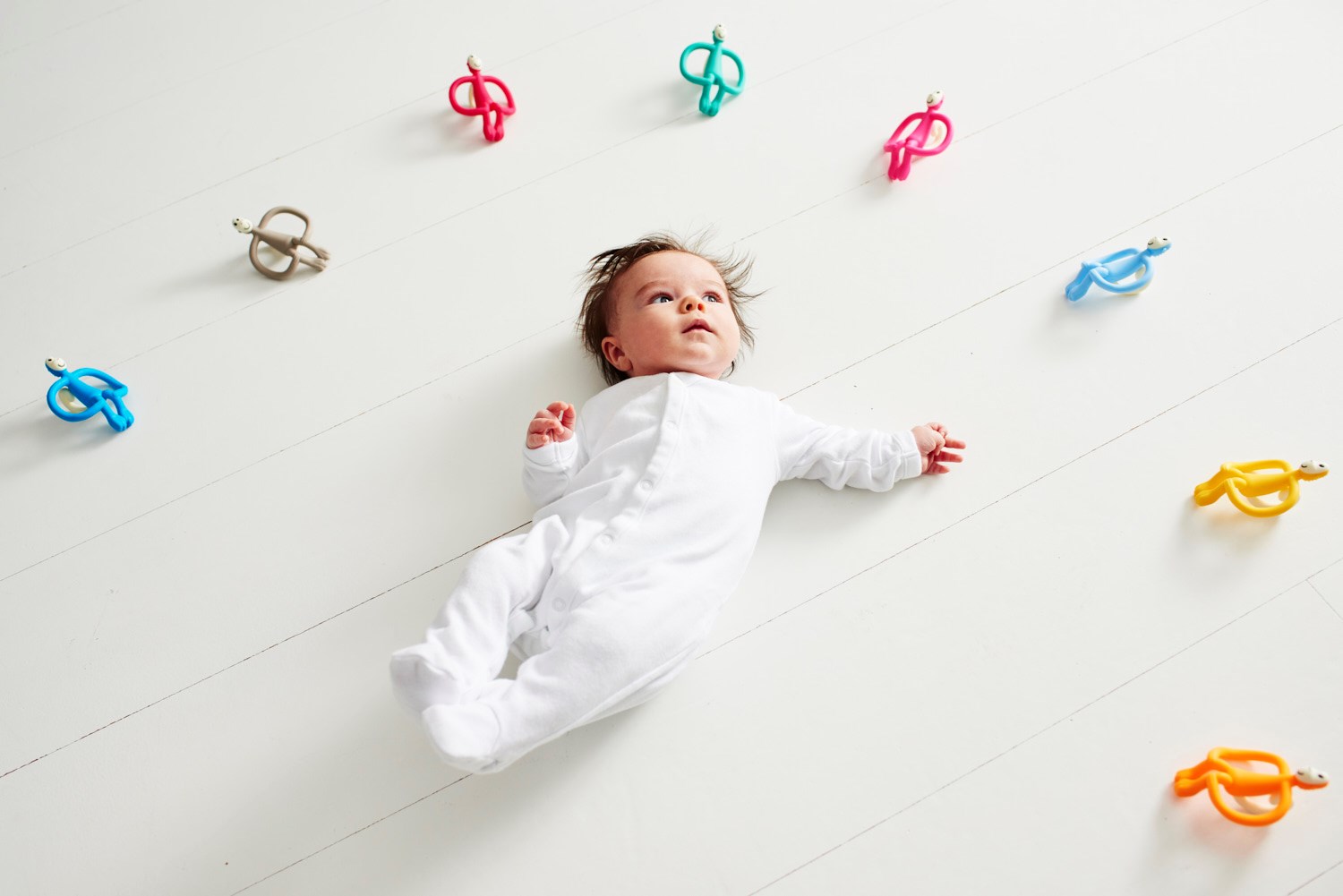
This is a game-changing feature. Some of the most innovative teethers have small, soft bumps on the back of their fun shapes. These bumps are not only great for providing a satisfying texture to chew on, but they are also perfectly designed to hold a small amount of teething gel or granules. This allows you to administer teething medication accurately and painlessly, getting it right to the source of the pain without getting your fingers bitten.

3. Advanced Hygienic Properties

In today's world, hygiene is more important than ever. Look for teethers made from food-grade silicone that incorporates antimicrobial technology. This helps keep the teether hygienically cleaner between washes, inhibiting the growth of microbes and giving parents extra peace of mind.

4. Engaging and Fun Sensory Design

A teether should appeal to your child! Deep colors, satisfying shapes, and playful expressions are all designed to engage your baby's senses. A fun, "Instagrammable" design that looks cute with every outfit is a wonderful bonus that makes a practical item feel special.

How Do I Safely Clean a Silicone Teether?

Proper cleaning is essential. The best teethers are designed to be incredibly easy to clean. For any teether made of 100% FDA-approved, food-grade silicone, you should be able to:

  • Wash it with simple soap and hot water.

  • Place it in the top rack of the dishwasher.

  • Sanitize it in a steam or cold water sterilizer.

Always ensure the teether is BPA-free and made from non-toxic, environmentally friendly materials.

230318_jacobmcfadden_originalteether_lowres_009.jpg

The Rise of Open-Ended Toys: Why Silicone is a Parent's Top Choice

Editor's Note:

Please be aware that as of 2025, BabyLux no longer distributes Dena products. We have updated this popular article to serve as a general guide on the incredible benefits of open-ended silicone toys, a category we are passionate about.

To discover our current collection of high-quality, creative, and safe toys from our trusted brand partners, please click here to visit our toys category page.


In today's world of parenting, there's a growing movement towards toys that spark creativity and imagination rather than limit them. This is the world of "open-ended play," and at its heart is a special kind of toy that parents are increasingly seeking out. These are high-quality, versatile toys that can be used in countless ways, empowering children to play without rules or instructions.

The options are truly endless. A great open-ended toy can be a teether, a stacking game, a sensory tool for children with special needs, a fun accessory for the beach, and even a mold for baking. The magic is that there is no "right" way to play, giving children the freedom to explore.

What Makes Open-Ended Silicone Toys So Special?

These unstructured toys are powerful tools for the early stimulation of babies and the long-term development of a child's imagination. In fact, the best open-ended toys are foundational STEAM toys, integrating concepts from science, technology, engineering, arts, and math in a fun, hands-on way.

A truly great toy should be safe, fun, and above all, creative!

Many parents love the aesthetic of classic wooden toys, but they aren't always ideal for the youngest children. Babies and toddlers instinctively explore with their mouths, and they love to bite, hit, and throw their toys. This is where high-quality, food-grade silicone shines. It's a durable, yet soft and forgiving material that can stand up to the rigors of authentic play, making it a safer choice for little ones.

The Endless Possibilities of a Single Toy

With a set of open-ended silicone toys, what seems simple at first glance becomes a universe of creative possibilities:

  • For Babies: The soft, flexible material is perfect as a safe teether for soothing sore gums.

  • For Toddlers: They become tools for learning cause and effect. Can they be stacked into a tower? What happens when they are knocked down?

  • For Preschoolers: The figures and shapes are integrated into imaginative play. They can become characters in a story, currency in a make-believe shop, or decorations on a sandcastle.

  • For All Ages: The material is often heat-resistant, meaning it can be used as a baking mold for fun-shaped crayons or cookies, and it's dishwasher-safe for easy cleanup.

Parents can have peace of mind that their child, no matter their age, is playing safely, while children thrive on the freedom to let their creativity run wild.

Ready to Inspire Creative Play?

Investing in open-ended toys is an investment in your child's development. They are the toys that will be reached for again and again, growing with your child for years to come.

Explore our curated collection of innovative and safe toys here.