The Magic of Open-Ended Toys: 6 Ways to Play With One Toy

A Note from the Editor:

Over the years, we've had the privilege of partnering with many innovative brands. While some of those partnerships evolve and change, the impact of a truly great product idea stays with us. This article is a celebration of one such idea: the open-ended, multi-functional silicone toy. While the specific brand that inspired this post is one we no longer distribute, the concepts here are universal and a testament to what makes a toy truly special. We hope it inspires you


Keeping your little one busy is one of the great challenges of parenthood. But what if "busy" could also mean learning, developing, and creating? The simple answer is to choose toys that engage them on a creative, emotional, and educational level.

Today, we want to celebrate a category of toy that does it all: the open-ended silicone toy. You’ll be amazed at how one simple toy can be so useful and so functional.

6 Ways to Play With One Amazing Toy

1. As a Safe First Teether

This is the perfect way for a baby to start playing. A toy made from 100% food-grade or platinum-based silicone is soft, durable, and completely safe for a 6-month-old to use as a teether. The flexible material is perfect for soothing sore gums.

2. For Learning Shapes and Colors

We all help our children develop language skills by naming shapes and colors. An open-ended toy set with various shapes and vibrant colors is a perfect tool. It will help your child learn to classify by form and color. But remember: you are their best toy. The more you play with them, the more they learn.

3. As an Educational Tool for Symbolic Play

The best educational toys have no set rules. Their multiple combination possibilities enhance symbolic play and stimulate a child’s creativity and imagination. Let them invent their own games. This kind of calm, creative play will slowly teach them to empathize, to share, and to respect turns and rules.

4. As a First Construction Toy

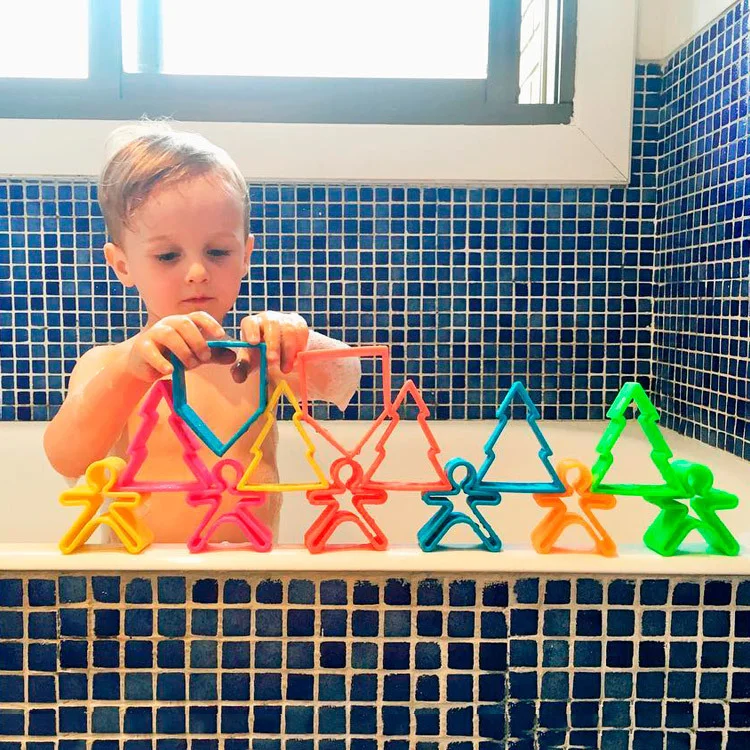
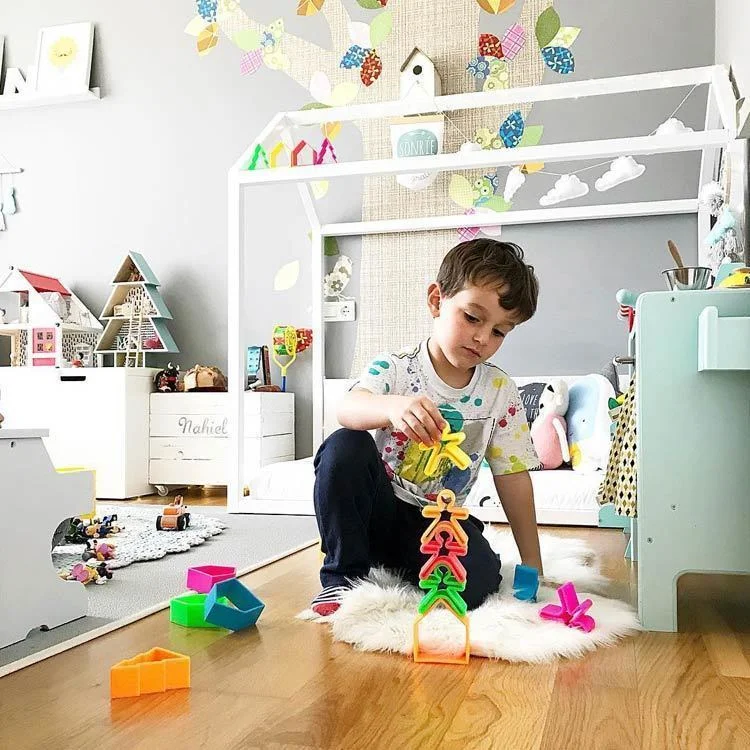
A flexible silicone toy is a fantastic first construction set. Many of the skills children demonstrate, from writing to athletics, are a direct consequence of strong sensorimotor development. A toy that can be stacked, balanced, nested, and configured in endless ways provides the ideal context for creating stories and is even the perfect inspiration for their first informal math lessons.
32070107_362331634288065_8625743641312231424_n.jpg

5. As a Bath, Pool, and Beach Buddy

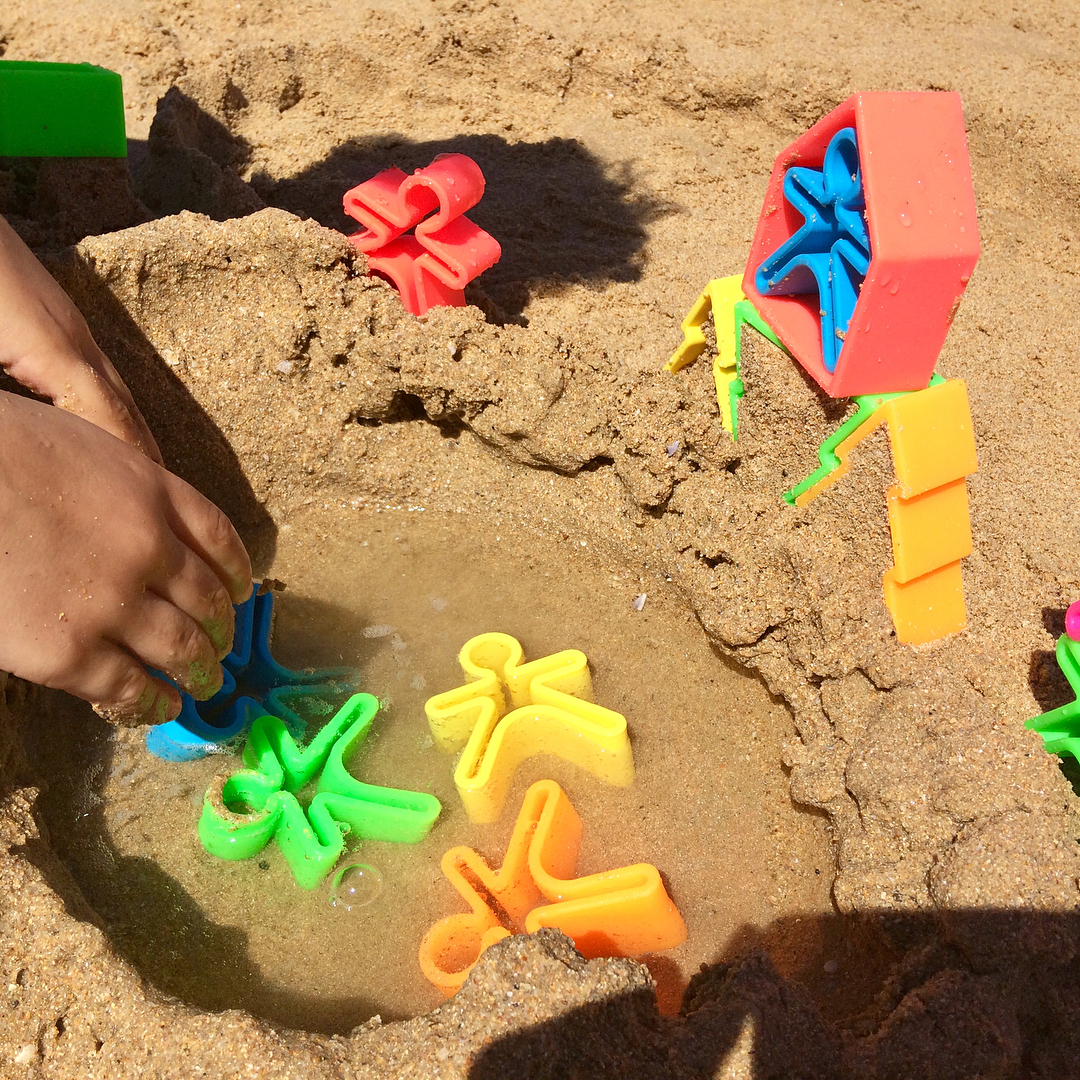
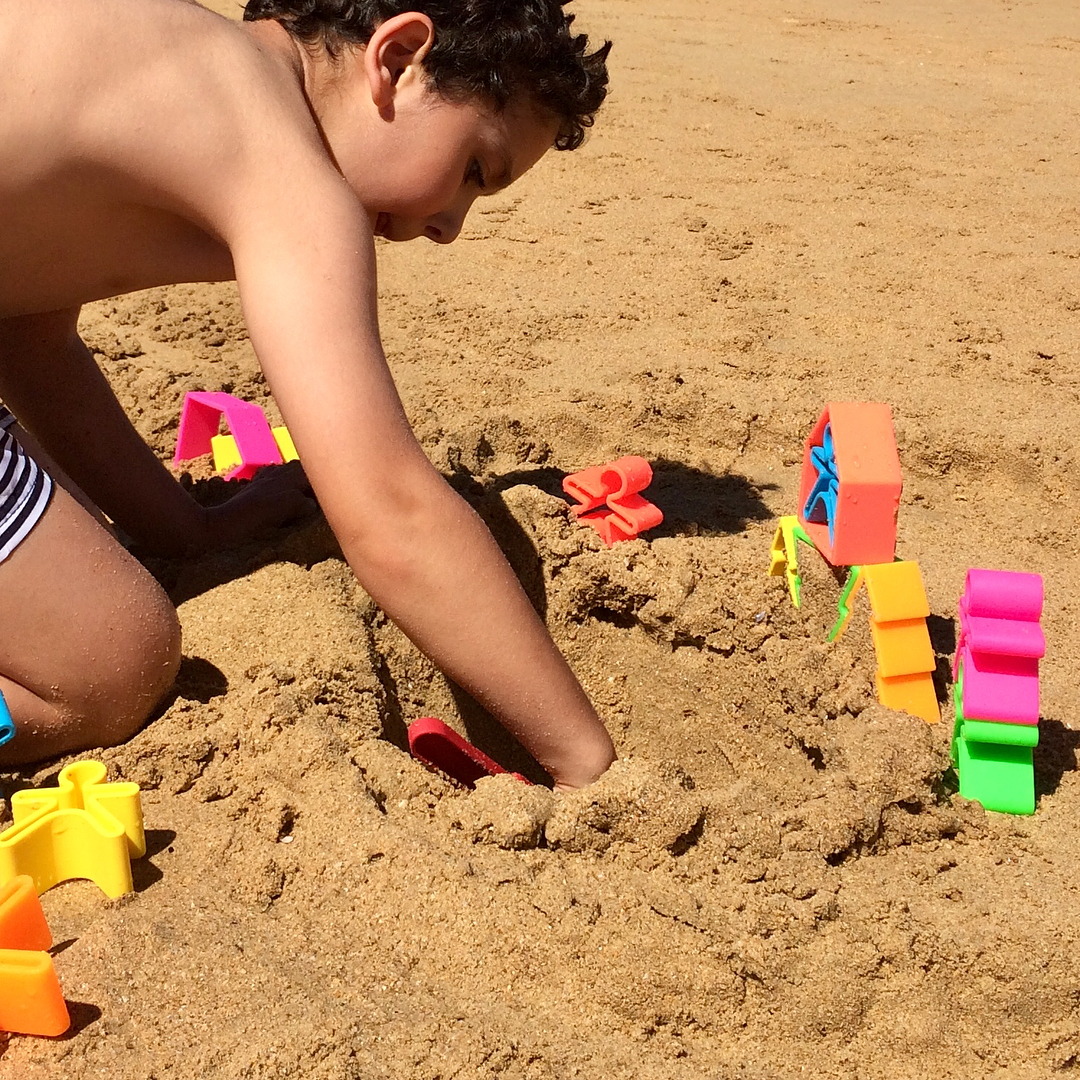
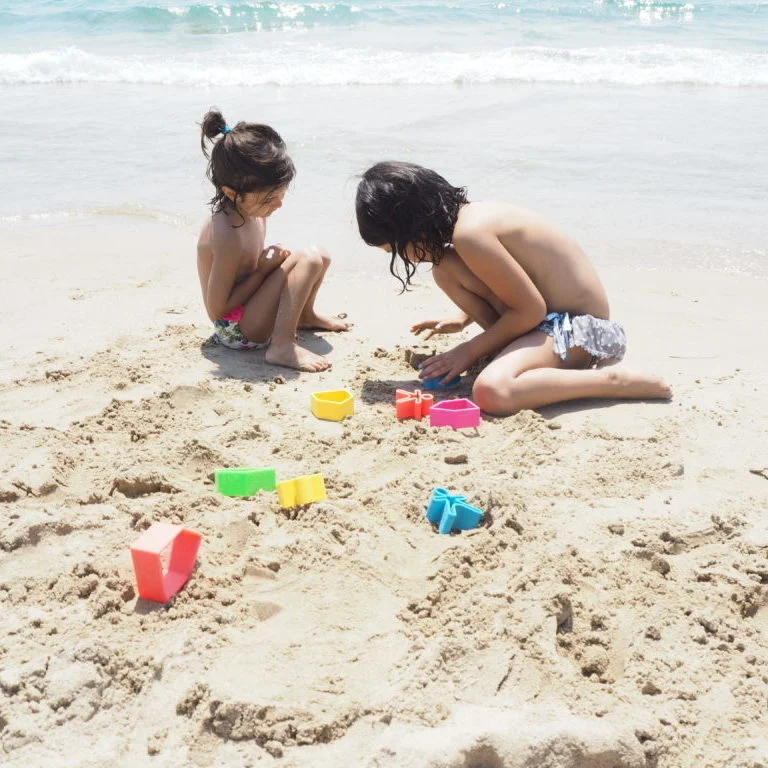
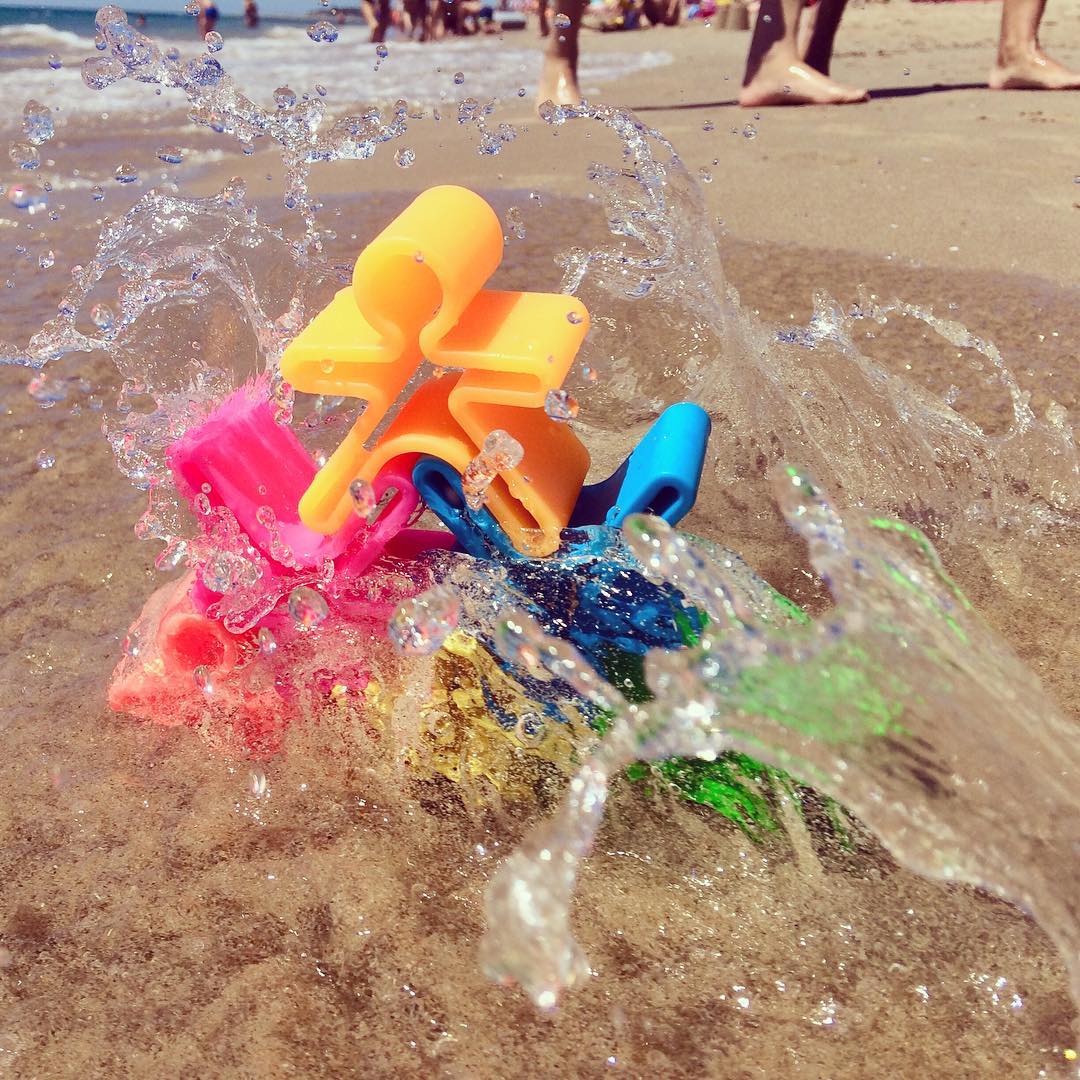
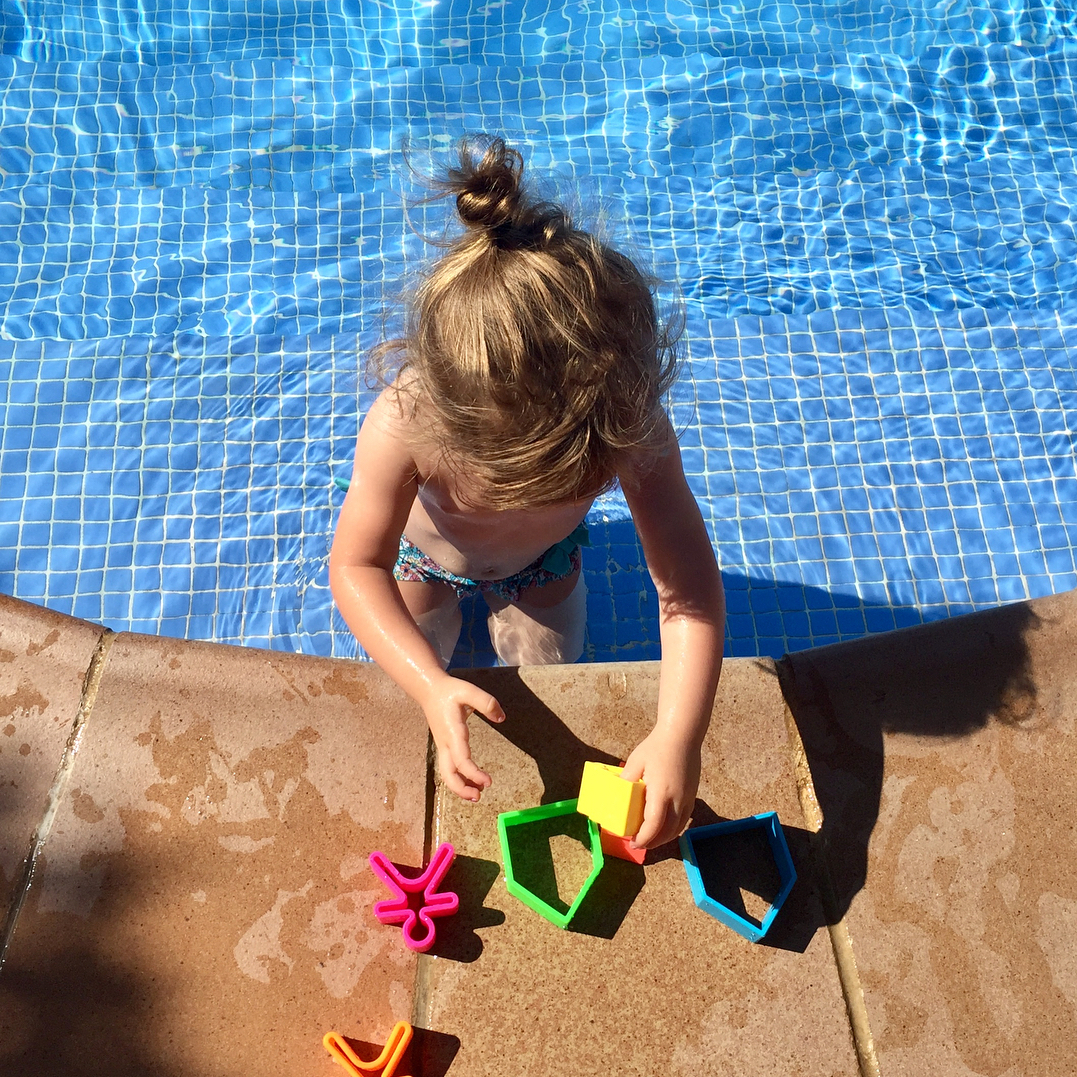
Do you have a child who doesn't enjoy bath time? A great silicone toy can change that. Because the material is waterproof and durable, it can go anywhere. Bring it to the beach and combine it with sand and water play. Stack the pieces as high as you can before the next wave comes!
6. As a Mold for Cooking and Crafts

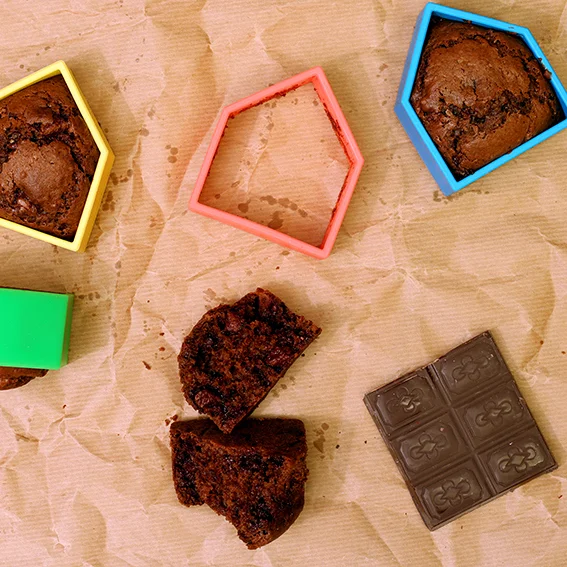
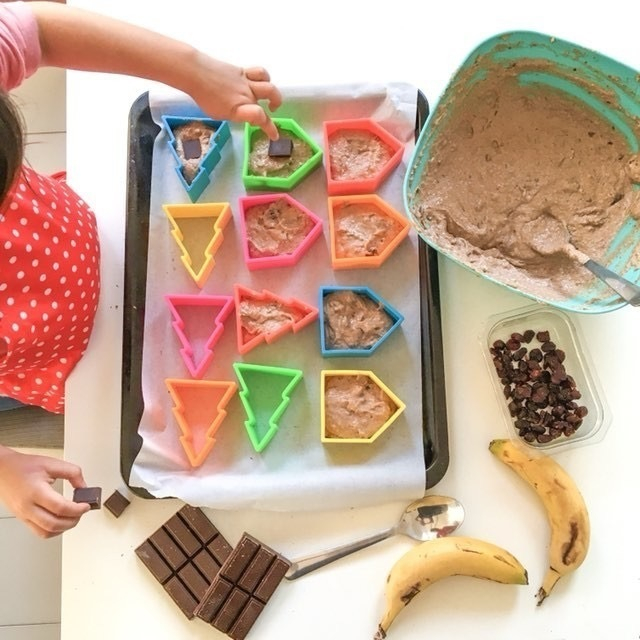
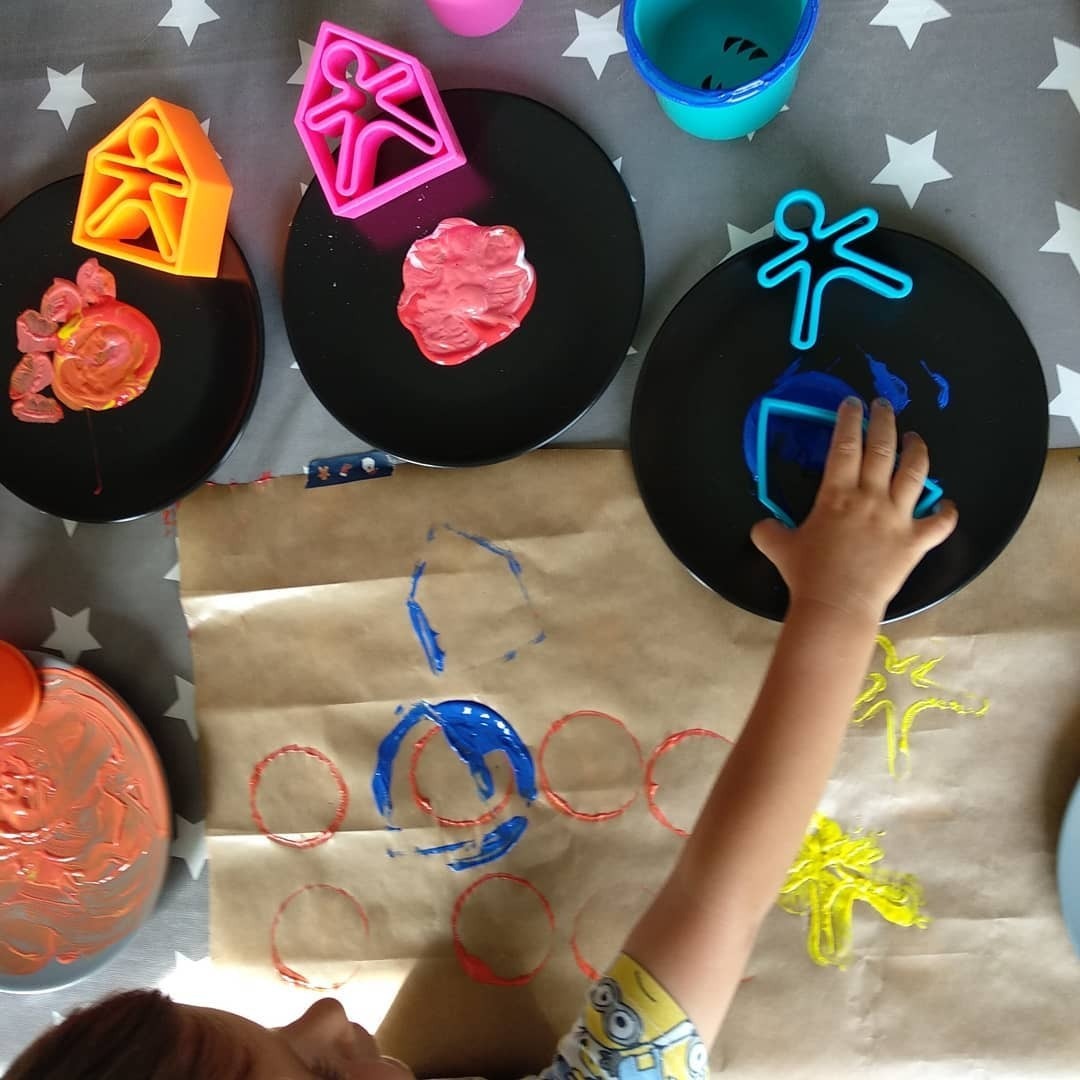
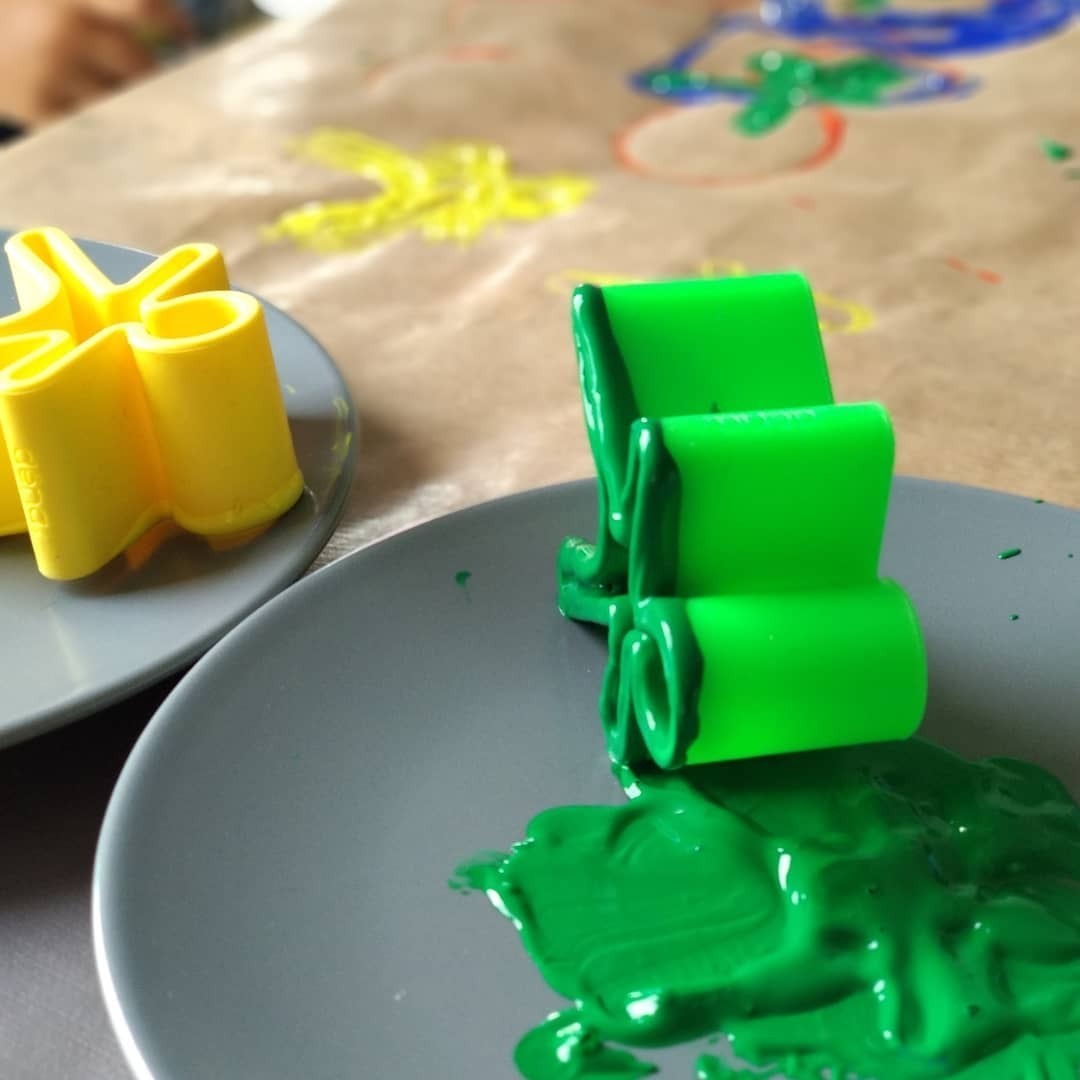
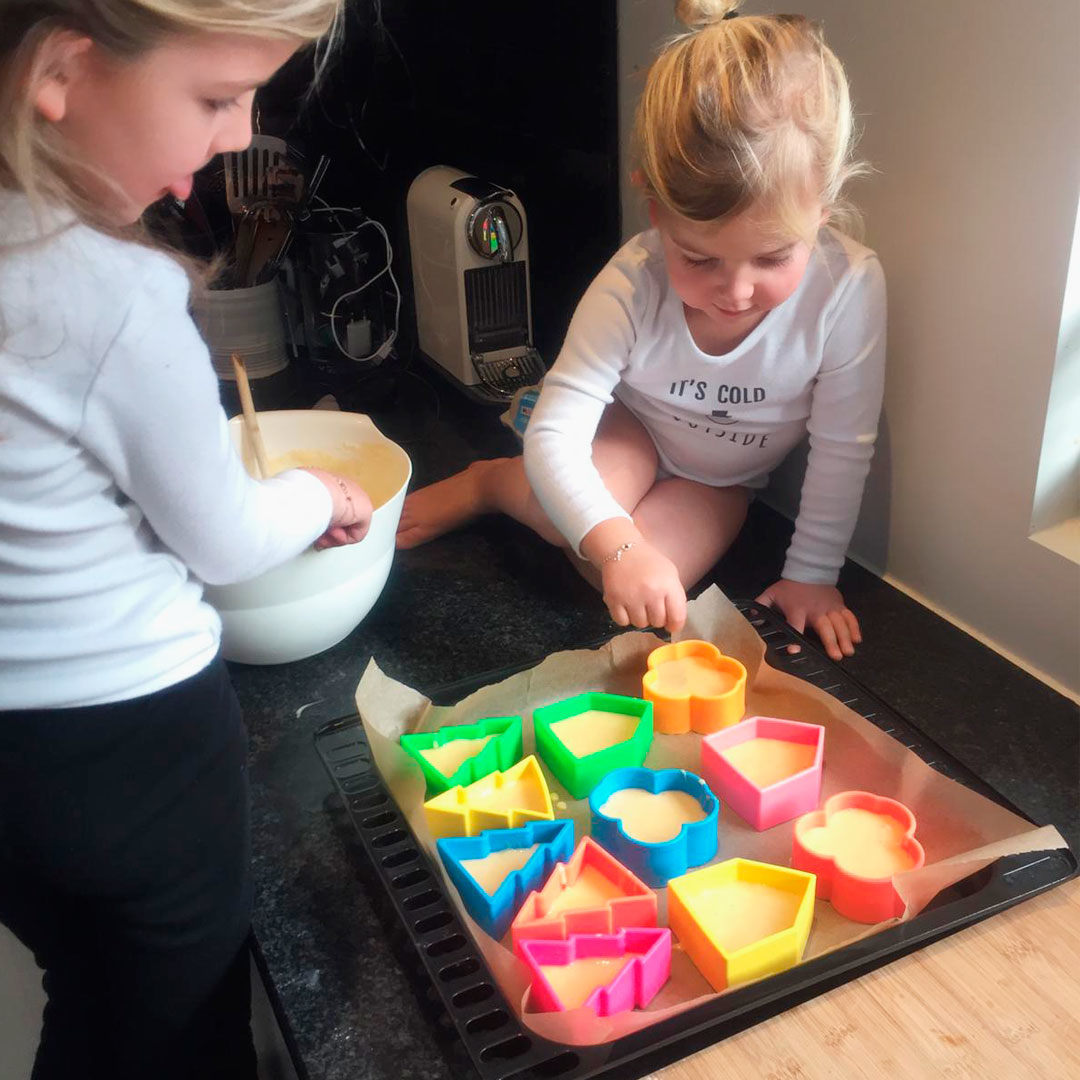
This is where a truly great toy design shines. High-quality silicone is often safe for temperatures up to 220°C (425°F), which means it's dishwasher and oven safe. You can use the same toy that your baby teethed on to make fun-shaped muffins, crayons, or ice cubes with your older child. It transforms the toy into a tool for bonding time in the kitchen.
A toy that a child can use from 6 months to 6 years is more than just a toy; it's an investment in a childhood of creative play.

6 Fun and Easy STEAM Activities to Do With Your Child

Editor's Note:

This article has been updated to provide general, evergreen ideas for STEAM activities. The original brand recommendations have been removed to focus on the types of toys and materials you can use, many of which you may already have at home.

To explore our curated collection of high-quality, educational toys that support STEAM learning, please click here to visit our toys category page.


Why Are STEAM Activities So Important?

You've probably seen "STEM" or "STEAM" toys on store shelves, promising to encourage your child's skills in Science, Technology, Engineering, Arts, and Mathematics. But do they really deliver?

The real magic of the STEAM method is that it frees each child to explore their own unique mindset and creativity. It gives them the tools to discover new ways of problem-solving, innovating, and seeing the connections between different fields. The goal of STEAM is to spark a lifelong love of learning and discovery from an early age.

Best of all, these activities are perfect for parent-child bonding time.

600x-7.jpg

6 Easy STEAM Activities to Try at Home

1. Sand or Dough Prints

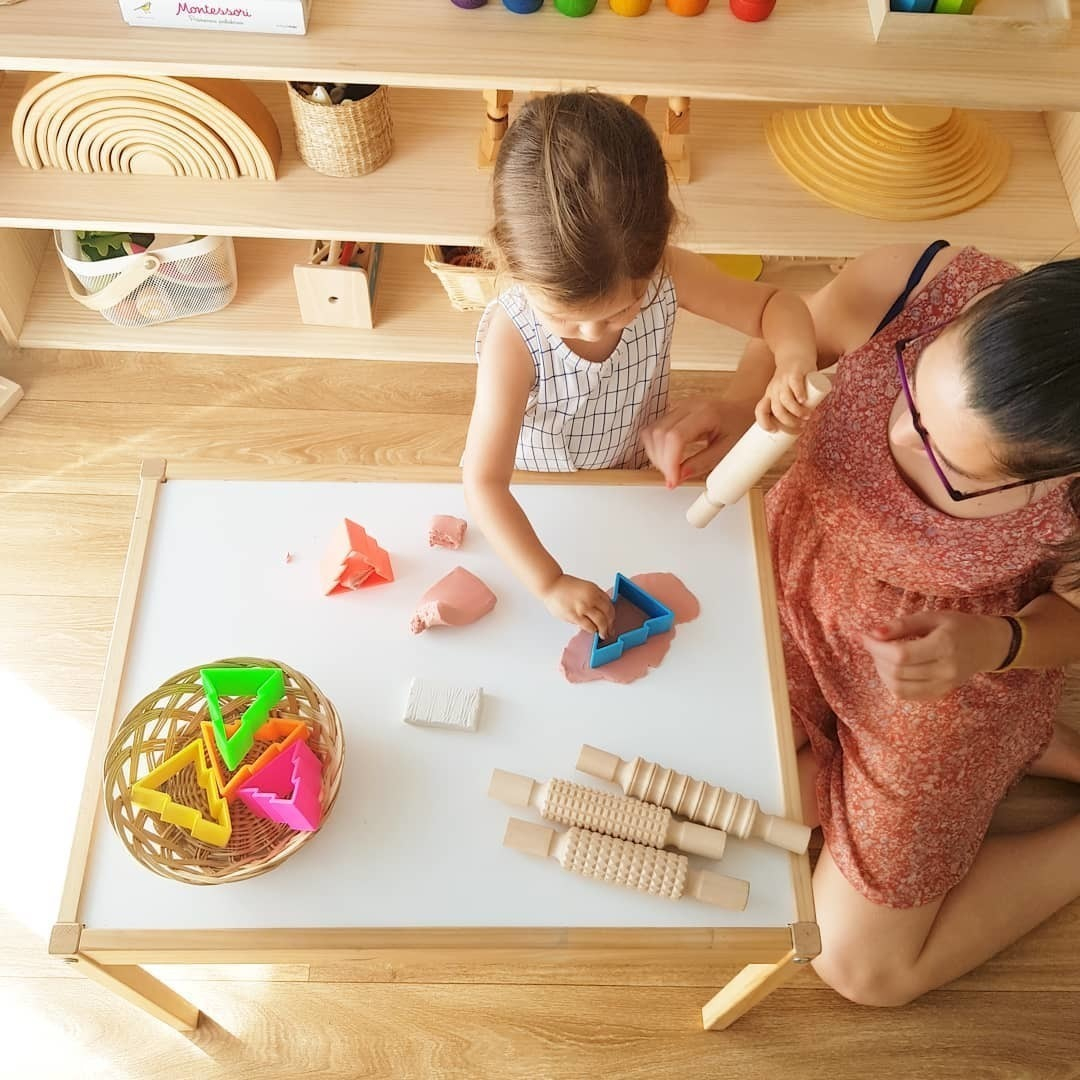
This classic activity trains a child's sensory and motor nerves all at once. You just need clean sand, play dough, or even kinetic sand and various molds.

Look for versatile silicone molds. Their soft, flexible nature makes them perfect for little hands to press into sand or dough. The best part? These same molds are often oven-safe, so you can use them in the kitchen to make fun-shaped cakes or crayons later! This activity helps children recognize shapes and develop creativity.

2. Make Your Own Sculptures

Toys that can be formed and reformed freely are perfect for sharpening a child's fine motor skills and three-dimensional thinking.

While homemade play dough is great, you can also look for high-quality, plant-based modeling dough. These are often made from things like potato starch, making them 100% biodegradable and completely safe for even the youngest artists who might put things in their mouths.

3. Color Stamping

Playing with color stamps is a cheap and easy way to stimulate creativity. All you need is some paper or cardboard and a safe, non-toxic paint or food coloring.

Show your child how to dip their hand into the color and make a handprint on the paper. But don't stop there! Try using other parts of the body, like feet and fingers, or get creative with household objects. The end of a celery stalk or a cut banana stem can produce beautiful, unique shapes.

4. Single-Shape Puzzles

Puzzles are a fantastic way to practice creative thinking while sharpening logic. But instead of a traditional jigsaw, try a single-shape construction set.

These deceptively simple toys consist of multiples of just one shape (like two plus-signs connected). This is the ultimate in open-ended play, as a child can create anything from a flat mosaic to a complex 3D structure. It's a brilliant way to teach children how a simple component can be the foundation for endless possibilities.

5. Arrange the Shapes

Before introducing complex building sets like LEGO, start with something bigger. You can begin with simple, everyday objects like empty food boxes or different-sized plastic bowls, which helps a child begin to recognize sizes and shapes.

When they are ready for the next step, introduce a set of large, soft building blocks. Choose blocks with attractive shapes and colors. Because they are soft, they are safe for toddlers, and their large size makes them easy for little hands to stack, build, and knock down without frustration.

6. Puppet Plays

What little kid doesn't love puppets? This activity is a powerhouse for developing communication skills.

Start by being the puppeteer yourself. Make the puppet "talk" with a funny voice, allowing your child to learn to recognize sounds and story structure. As they get a bit older, give them a puppet and invite them to join the show. Invite them to talk through the puppet. You'll be amazed at the stories they create and the confidence they build.

As you can see, preparing educational and fun activities for your child doesn't have to be expensive or complicated. Enjoy this precious bonding time