Unboxing BAKOBA - Floating block toys

Kids are easy to get bored with their toys, no matter how many you have, eventually they will get bored with it. If you don’t arrange activities or play together with them, they will end up sitting there playing gadgets… Are there any toys that ideal for both inside and outside use? That allows us to bring into the garden, the woods, to the playground and even on the beach.

BAKOBA is designed and developed by two Danish architects. Both architects have experience from working in Danish kindergartens and this is where they gained their interest in developing BAKOBA.

BAKOBA-3
Mixed-blocks.jpg

Why BAKOBA?

Soft, quiet and flexible

BAKOBA blocks are made from soft EVA foam, non-toxic and are lightweight, flexible, and durable beyond reason. The foam is soft but sturdy enough for kids to build with it. Although the foam can be turned and twisted, it will eventually fit back to its original shape. The surface is soft and the blocks make practically no noise when played with. Especially parents appreciate this feature!

Read more: Another quiet soft blocks, Moomu!

Screen Shot 2020-06-20 at 3.14.18 PM.png

Creativity boost

BAKOBA stimulates creativity and urges kids to explore where their next creation will take them. A feature BAKOBA that makes BAKOBA unique from other building toys is that it can connect with other construction toys from leading toy brands, including those that most kids already own. There are no instructions, so kids can imagine up their creations right away and immediately start playing with the bricks, making everything from planes, cars, and ships; to airports and a castle. It suitable for kids between 3 and 9 years old

Inside BAKOBA 87 pieces

Inside BAKOBA 87 pieces

Water resistant and washable

Bring BAKOBA to the bath tub and let the kids experience with their construction's ability to float. BAKOBA is easy to keep clean, simply wash it in the washing machine. Wash at 40 degrees Celcius, gentle cycle. Use any detergents. After washing, the blocks dry quickly since they do not absorb the water.

Read more: What can you play with Dena toys? You'll never think about it!

BAKOBA-1
BAKOBA-2

Easy to combine with other toys

Build the Eiffel Tower, a space station, a house, or something never seen before. BAKOBA also have building base, which works as a soft and comfortable play mat for the kids to build on - while also being compatible with our building blocks. This allows the kids to use the base as foundation for their big constructions - towers, houses and entire cities. BAKOBA have unique "lego-brick connector", making it possible for older kids to connect BAKOBA with lego bricks, opening entire new ways of building.

BAKOBA-6
Lego with BAKOBA - Robot

Lego with BAKOBA - Robot

Lego with BAKOBA - Air Space

Lego with BAKOBA - Air Space

STEM Certified & Red Dot Design Award

BAKOBA has been tested by the US organization STEM.org and our products have been given the highest praise within the STEM field.

Read more: 5 Recommended STEAM APP for children in 2020

Perfect for schools and kindergartens

BAKOBA is the perfect toy for schools and kindergartens. The blocks are made from a safe, durable and noiseless foam, which secures a comfortable playing environment - for kids as well as for the adults.

It’s not that easy for all of us to play with no instructions. Sometimes we need a hand to get on the right track. With our build guides we’ll have you building in no time.

Read more: Newmero - A fun way to let your children falling in love with math

Welcoming you to be part of BabyLux family, planning to start own business by being baby products distributors but not sure where to start, drop us a message!

The Magic of Open-Ended Toys: 6 Ways to Play With One Toy

A Note from the Editor:

Over the years, we've had the privilege of partnering with many innovative brands. While some of those partnerships evolve and change, the impact of a truly great product idea stays with us. This article is a celebration of one such idea: the open-ended, multi-functional silicone toy. While the specific brand that inspired this post is one we no longer distribute, the concepts here are universal and a testament to what makes a toy truly special. We hope it inspires you


Keeping your little one busy is one of the great challenges of parenthood. But what if "busy" could also mean learning, developing, and creating? The simple answer is to choose toys that engage them on a creative, emotional, and educational level.

Today, we want to celebrate a category of toy that does it all: the open-ended silicone toy. You’ll be amazed at how one simple toy can be so useful and so functional.

6 Ways to Play With One Amazing Toy

1. As a Safe First Teether

This is the perfect way for a baby to start playing. A toy made from 100% food-grade or platinum-based silicone is soft, durable, and completely safe for a 6-month-old to use as a teether. The flexible material is perfect for soothing sore gums.

2. For Learning Shapes and Colors

We all help our children develop language skills by naming shapes and colors. An open-ended toy set with various shapes and vibrant colors is a perfect tool. It will help your child learn to classify by form and color. But remember: you are their best toy. The more you play with them, the more they learn.

3. As an Educational Tool for Symbolic Play

The best educational toys have no set rules. Their multiple combination possibilities enhance symbolic play and stimulate a child’s creativity and imagination. Let them invent their own games. This kind of calm, creative play will slowly teach them to empathize, to share, and to respect turns and rules.

4. As a First Construction Toy

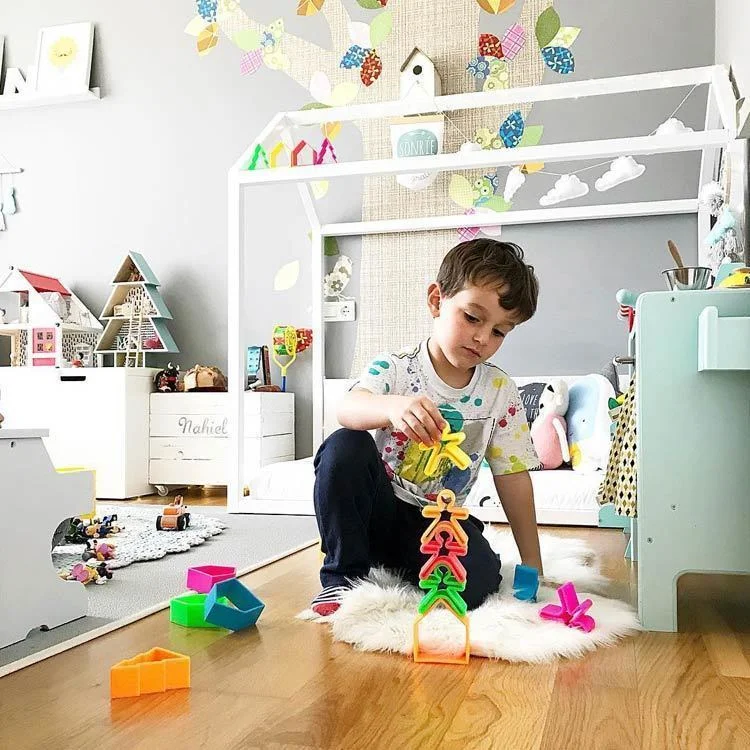
A flexible silicone toy is a fantastic first construction set. Many of the skills children demonstrate, from writing to athletics, are a direct consequence of strong sensorimotor development. A toy that can be stacked, balanced, nested, and configured in endless ways provides the ideal context for creating stories and is even the perfect inspiration for their first informal math lessons.

32070107_362331634288065_8625743641312231424_n.jpg

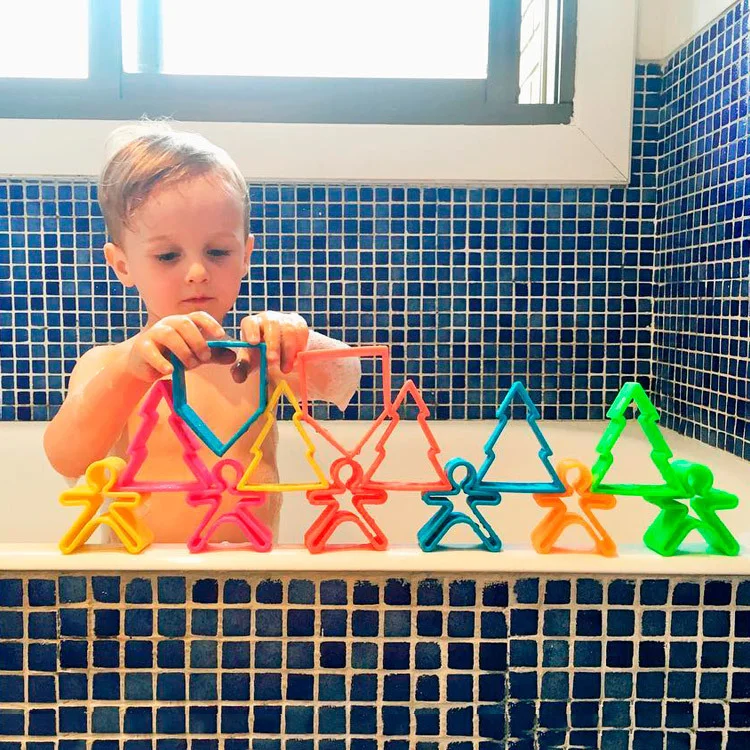
5. As a Bath, Pool, and Beach Buddy

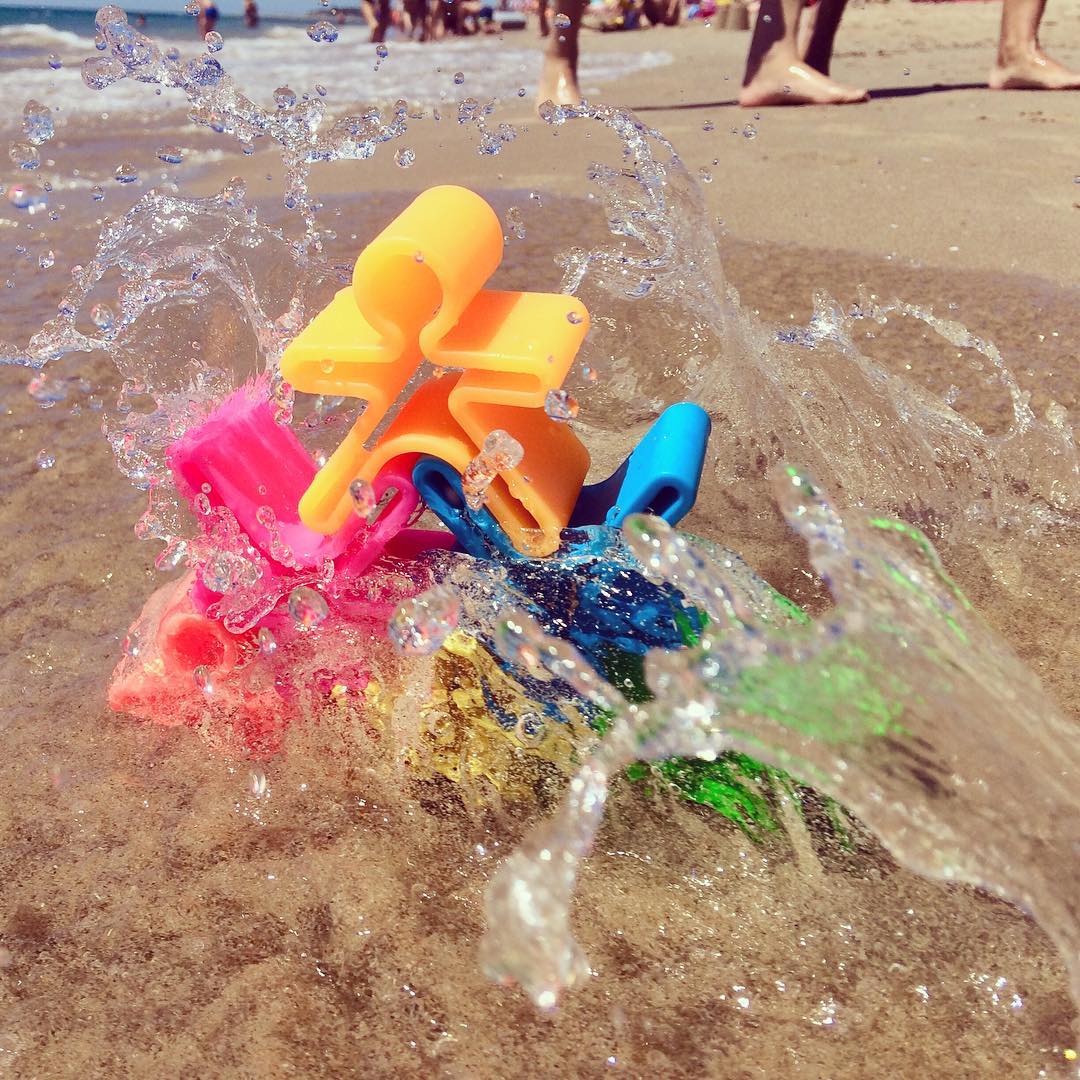
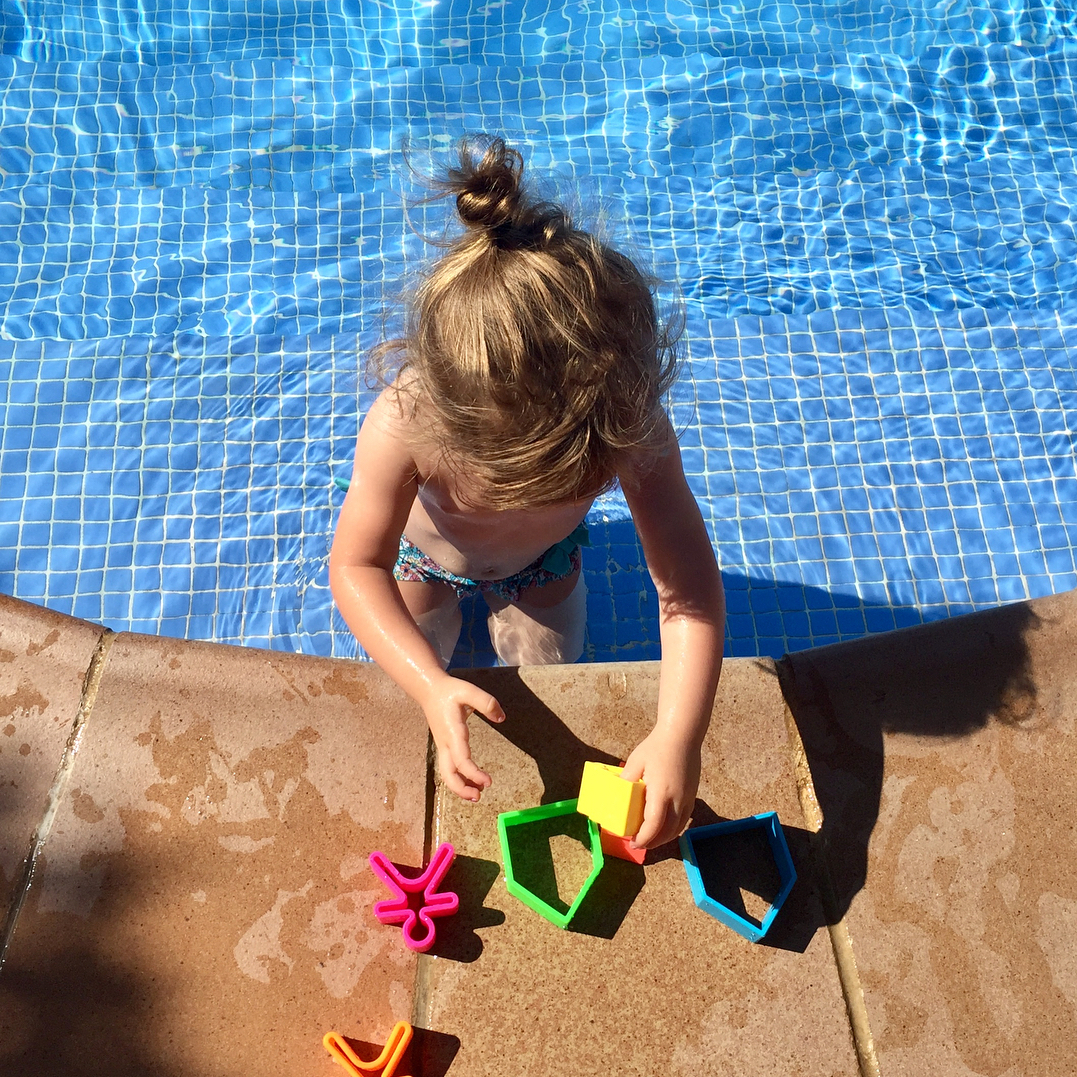
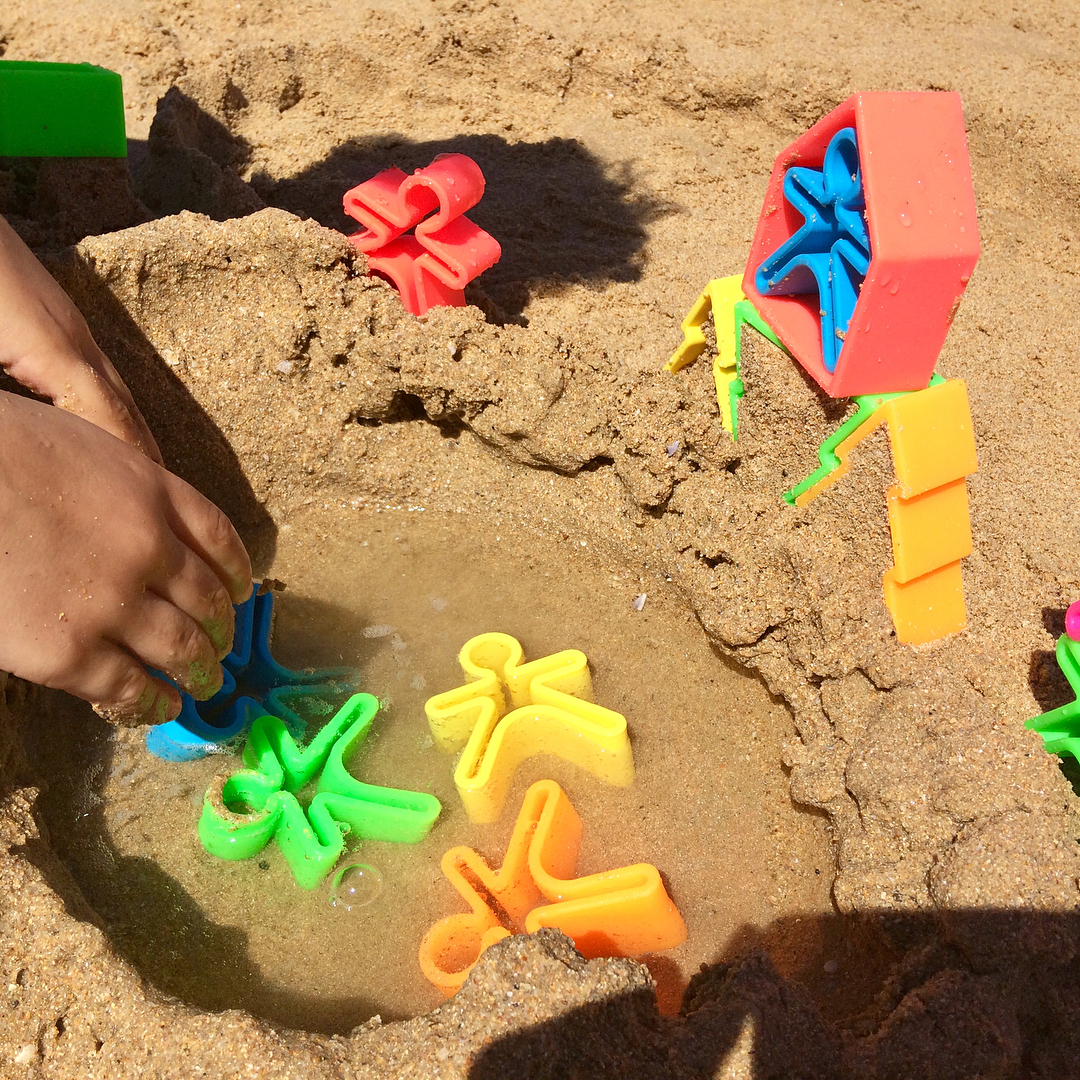
Do you have a child who doesn't enjoy bath time? A great silicone toy can change that. Because the material is waterproof and durable, it can go anywhere. Bring it to the beach and combine it with sand and water play. Stack the pieces as high as you can before the next wave comes!

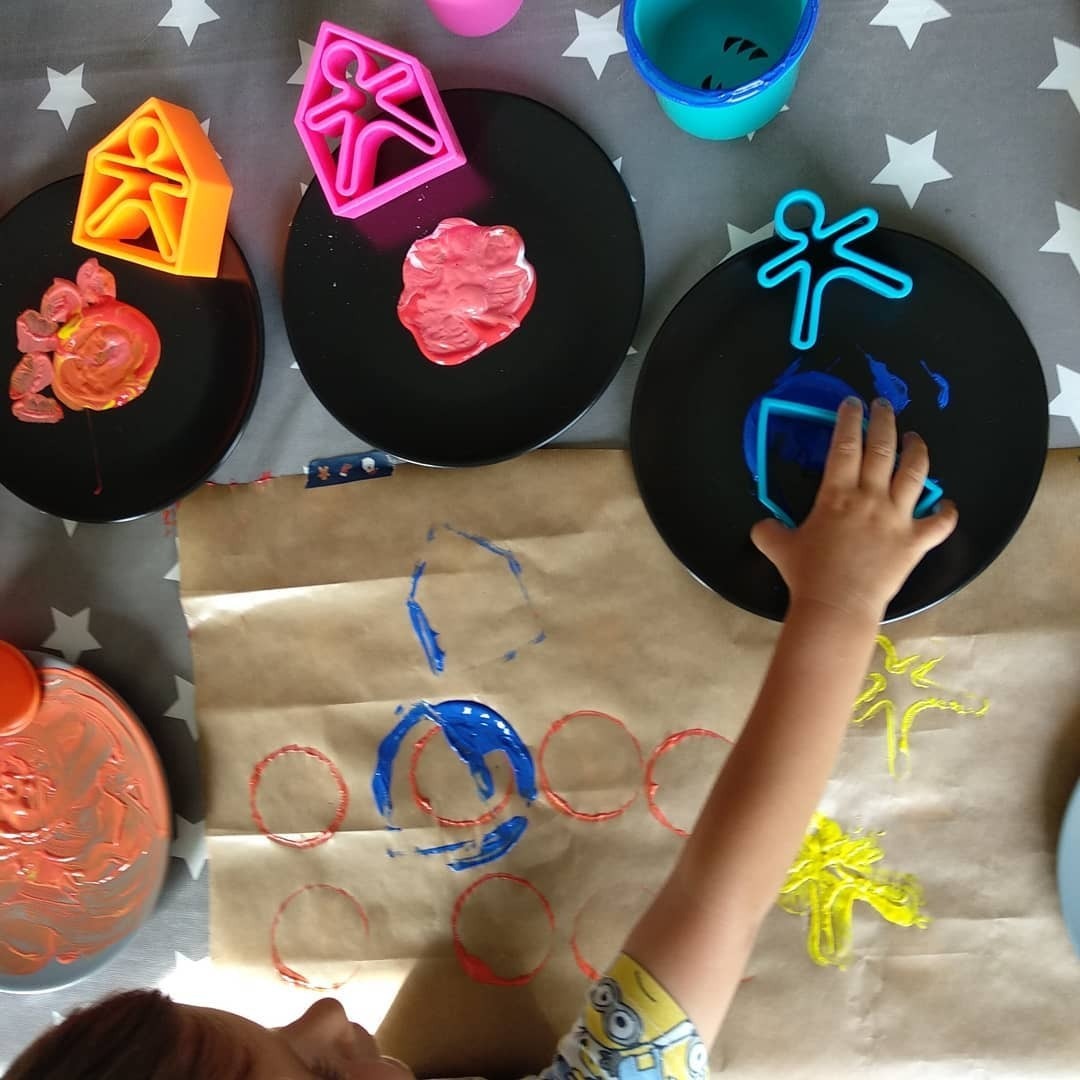
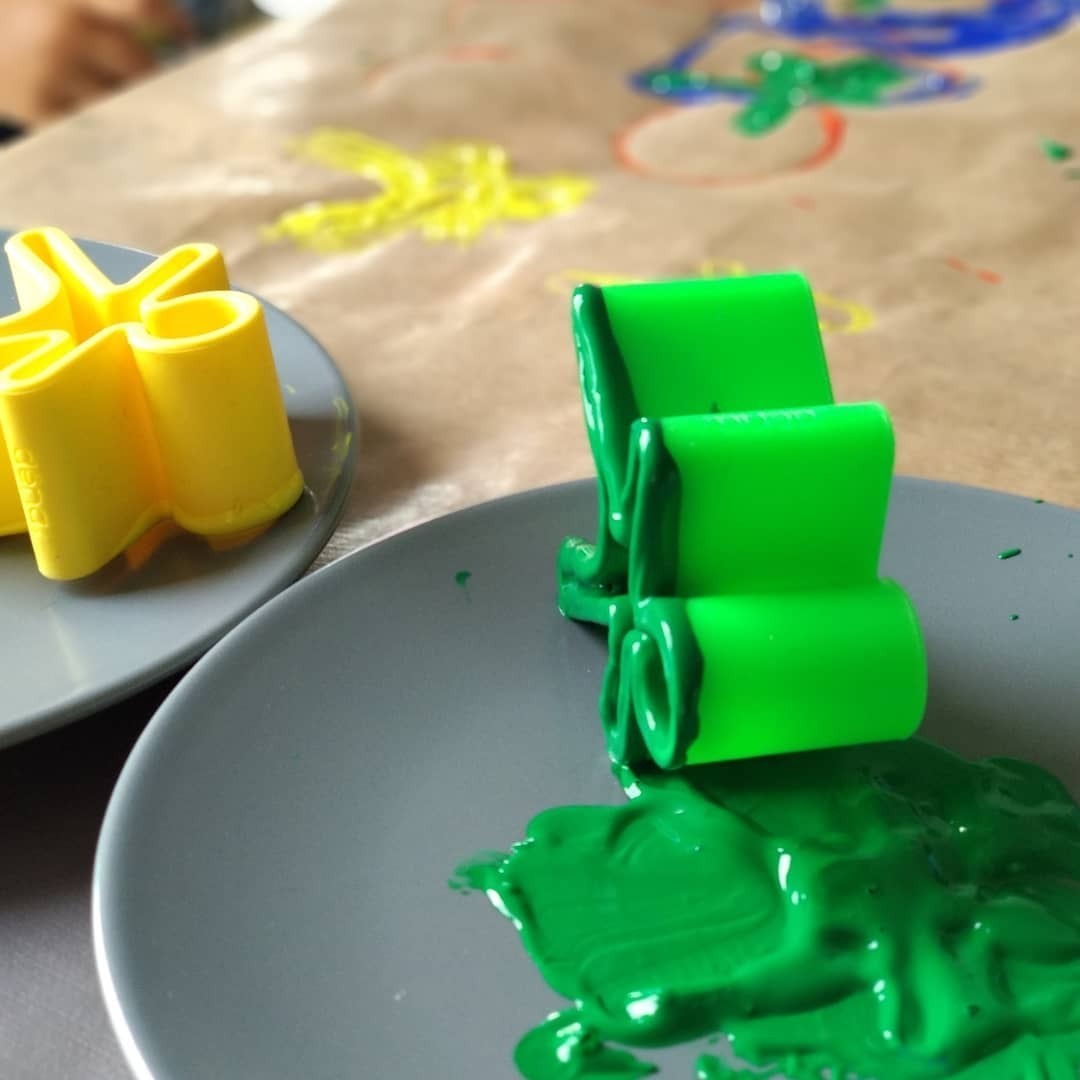
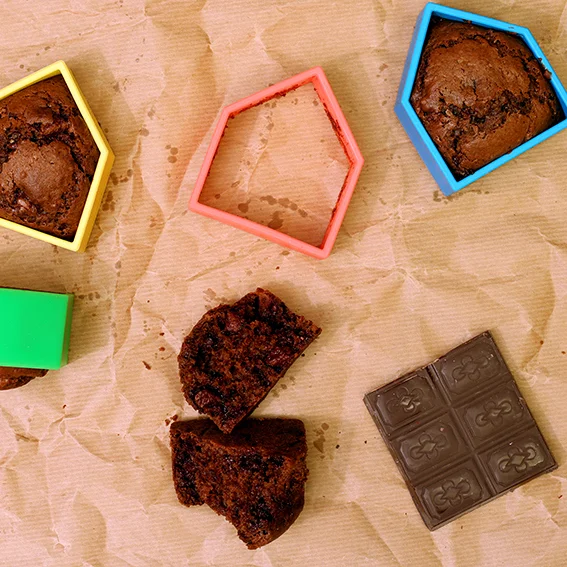
6. As a Mold for Cooking and Crafts

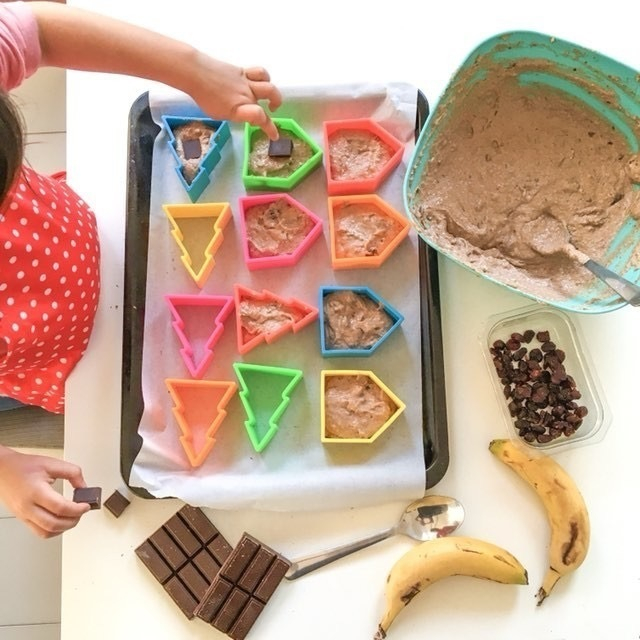
This is where a truly great toy design shines. High-quality silicone is often safe for temperatures up to 220°C (425°F), which means it's dishwasher and oven safe. You can use the same toy that your baby teethed on to make fun-shaped muffins, crayons, or ice cubes with your older child. It transforms the toy into a tool for bonding time in the kitchen.

A toy that a child can use from 6 months to 6 years is more than just a toy; it's an investment in a childhood of creative play.

A Parent's Guide to Building Blocks by Age: The Benefits of Block Play

Editor's Note:

As part of our commitment to providing timeless, valuable advice, this popular article has been updated to be a general guide on choosing age-appropriate building blocks. The specific brand examples have been replaced with descriptions of the types of blocks that best serve each developmental stage.

To explore our current collection of high-quality, creative building toys from our trusted brand partners, please click here.


Building blocks have been a childhood staple for decades, and for good reason. Building with blocks provides one of the most valuable learning experiences available for young children. Block play stimulates learning in all domains of development—intellectual, physical, and social-emotional—and, most importantly, allows a child's imagination to run free.

Researchers have even shown that children who play with blocks when they are three, four, and five years of age tend to perform better in math, especially Algebra, later in middle school.

Building Blocks for Kids at Different Ages

With so many types of baby blocks on the market, how do you know which kind is right for your child? Not all blocks will work for all age groups. There is a natural progression to block play, and introducing them at each stage is invaluable for development.

Blocks Play for Babies (3 to 12 months old)

When babies are first introduced to blocks, the play is all about sensory exploration. They are learning how to hold them, feeling their texture, and are attracted by their eye-catching colors. They will carry them around, bang them together to see what sound they make, and, of course, put them in their mouths. This simple play expands a young child’s expressive and receptive language as they learn new words and concepts.

Recommended Blocks for this Age: Soft Silicone Blocks
For this stage, choose blocks made from soft, food-grade silicone. These are perfect because they can double as a teether, which is great for itchy gums. This also helps the child learn the crucial hand-to-mouth movement needed for self-feeding. The different colors encourage visual stimulation and color recognition, making them an ideal first toy for all-around development.

Blocks Play for Toddlers (2 to 3 years old)

At this age, the aim of play shifts to developing the mind: to imagine, visualize, explore, and create. A two or three-year-old is beginning to engage in early pretend play and is learning concepts like sorting, ordering, counting, size, and shape.

Recommended Blocks for this Age: Large, Lightweight Interlocking Blocks
Look for blocks made from soft but sturdy foam or plastic. They should be lightweight enough for a toddler to handle easily but firm enough that their creations don't tumble over too often, which can cause frustration. Colorful visuals and a comfortable touch are key. These blocks should be durable, easy to clean, and safe, allowing kids to have fun while stimulating creativity and imagination.

Blocks Play for Preschoolers (4 to 5 years old)

By four and five, children's block play becomes more experienced, balanced, and organized. Constructive play is more open-ended and exploratory. Children begin to combine different structures to make more complex buildings, telling stories through their creations.

Recommended Blocks for this Age: Smaller, Complex Construction Sets
Introduce smaller, more intricate interlocking blocks. These types of sets emphasize how a single, simple shape can be used to create an infinite variety of things. They are perfect for teaching children how to translate a flat, 2D design into a 3D structure. This challenges their fine motor skills, encourages problem-solving, and takes their creativity to the next level.

50015893_370619580417705_5606032701099285469_n.jpg
Play is the highest form of research.
— Albert Einstein