These Baby Teethers Can be Bitten Off or Cause Suffocation

By sucking and chewing teethers, babies can alleviate discomfort during teething and reduce their risk of chewing dirty or dangerous objects. Hong Kong Consumer Council inspected 20 types of baby teethers and found that some samples were of poor quality.

These baby teethers can be bitten off or cause suffocation

Two samples detected harmful and contain Nitrosamines or nitrosatable substance which a possible caused for cancer. One of which was the most expensive sample, has total more than 8 times from the maximum limit recommended by European standards for Nitrosamines or Nitrosatable substance; two other samples were able to bite off and failed to withstand the bite force of children aged 18 months and below; and the other sample has a too-small-end that is easy to penetrate into the throat of young children and there is a danger of suffocation; there is one sample with a liquid inside the teether, has total more than 336 times from the maximum limit recommended by European standards for Nitrosamines or Nitrosatable substance and all test results have been transmitted to customs follow up.

Read more: Wooden teether, natural fabrics, or silicone teether?

Hong Kong Consumer Council has tested 20 types of baby teethers on the market, including 13 non-liquid teethers and 7 liquid-containing teethers. The prices range from HKD 18 to HKD 139. However, the overall performance of the samples was very disparate.

消委會測試市面上20款嬰兒牙膠.jpg

Among them, in the bite test, Ange Giraffe Teether (HKD 79, made in Korea) and Edison Mama Kamikami Baby Banana (HKD 80, made in Korea) had insufficient bite resistance and could not withstand bite force from babies aged 18 months or less, and the Edison Mama Kamikami Baby Banana even failed to meet the requirements of the European toy safety standard EN71-1. The volume of the end part is too small, and it is easy for young children to swallow into the mouth which can caused suffocation. In terms of chemical substance detection, 2 models detected nitrosamine compounds and / or nitrosable substances, of which 1 sample Nuvita Romeo Natural Massaging Teether 7020 (HKD 139, made in China) detected has total more than 8 times from the maximum limit recommended by European standards for Nitrosamines or Nitrosatable substance (maximum limit: 0.1 milligrams/kilogram). In addition, some parts of SKIP HOP Explore & More'stay cool teether SH305305 (80 yuan, made in China) also detected nitrosamine compounds or nitrosable substances, but the total amount of detected standard requirement. A nitrosable substance is a precursor substance of a nitrosamine compound. After ingestion of these substances in the oral cavity, they have the opportunity to be converted into carcinogenic nitrosamine compounds in the acidic environment of gastric juice.

And a lot more.

Read more: Things you must know about baby teething and teether

Nuvita Romeo Natural Massaging Teether 7020

Nuvita Romeo Natural Massaging Teether 7020

Ange Giraffe Teether

Ange Giraffe Teether

Edison Mama Kamikami Baby Banana

Edison Mama Kamikami Baby Banana

SKIP HOP Explore & More'stay cool teether SH305305

SKIP HOP Explore & More'stay cool teether SH305305

Read more: How to choose a perfect teether for my baby?

6 Points to prevent potential risks of using teethers

  • Carefully read the product instructions and warnings, and clean as instructed.

  • Before and after each use, wash with mild soapy water, then rinse with water.

  • Carefully inspect children while they’re using it. If any damage or liquid leakage is found, discard it immediately.

  • Do not put liquid teether in the refrigerator ice tray. The low temperature not only can easily hurt children’s mouth, but also cause the outer layer of toothpaste to burst.

  • Do not hang teether on the child's neck with a rope or strap to avoid accidents.

  • If congestion occurs in young children, send them to hospital immediately for medical treatment.
Original article is from OhPaMa.

How to Choose an Award-Winning Baby Toy: A Parent's Guide

Editor's Note:

This article originally celebrated the 2019 Mother & Baby Awards winners. As part of our commitment to providing evergreen, valuable advice, it has been updated to be a general guide on what makes a baby toy "award-winning." The specific brands mentioned are for illustrative purposes of the product types that win, not as an endorsement of brands we may no longer carry.


What Makes a Baby Toy "Award-Winning"? A Look at the Industry's Best

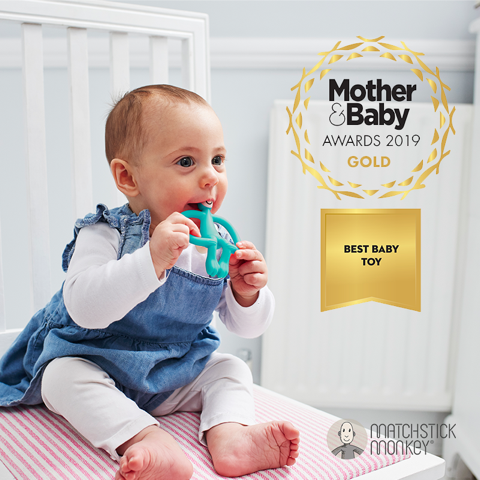
For over 25 years, the Mother & Baby Awards have been one of the most rigorous and respected awards in the parenting industry. What makes them so special? They are judged by the real experts—an army of over a thousand real parents who live with these products for a month and give their honest, unfiltered opinions.

When a product earns this seal of approval, you can trust it's been thoroughly put through its paces for reliability, quality, and value for money.

Instead of just looking at a list of past winners, let's analyze the types of products that win and the key features that make them stand out. This will empower you to choose the best possible toys for your baby.

The Qualities of a Gold-Standard Baby Toy

Here are the categories of toys that consistently win awards and the features that make them shine.

Category 1: The Innovative Teether

Teethers are a must-have, but an award-winning one goes beyond a simple plastic ring.

  • What to look for: A winning teether is often made from 100% food-grade silicone, making it soft, flexible, and completely safe. The design is ergonomic, with handles or shapes that are perfectly sized for tiny hands to grip. The most innovative feature is often a dual purpose, such as having textured bumps that not only soothe sore gums but also double as a teething gel applicator, helping parents apply medication right where it hurts.

Category 2: The Versatile Activity Center

The best activity centers are investments that grow with your child, providing value for many months.

  • What to look for: Look for a product that converts and adapts. A winning model might transition from a seated entertainer for a younger baby into a walk-around or stand-and-play activity table for a toddler. It should offer 360 degrees of play, with a variety of engaging toys, lights, sounds, and textures to stimulate all of your baby's senses.

Category 3: The Developmental Play Gym

A simple mat on the floor is good, but an award-winning play gym is a hub of development.

  • What to look for: The key is interactivity and adjustability. Look for play gyms with adjustable arches that can be moved to suit your baby's developmental stage. They should be rich with sensory experiences: dangling toys to encourage reaching and batting, baby-safe mirrors for self-discovery, and a variety of crinkly fabrics and soft textures on the mat itself.

How to Choose Your Own "Award Winner"

When you're shopping for your baby, you can act like your own judge. Don't just look at the brand name; look for the features that provide real value, support development, and make life easier and more fun for you and your baby.

Social Media Post.png

A Parent's Ultimate Guide to Choosing the Perfect Teether

Editor's Note:

This foundational guide has been updated to be a comprehensive resource for parents. All specific brand recommendations have been removed to focus on the essential features and safety criteria you should look for when choosing any teether.


Around 4-5 months old, many babies enter the "oral phase"—a developmental stage where they have a natural tendency to put everything in their mouths. To ensure they aren't chewing on unsafe objects, this is the perfect time to introduce a teether.

Giving a teether not only helps stimulate your baby's gum and jaw development but also provides immense relief from the itching and soreness of teething. But with so many options, how do you choose the perfect one?

How to Choose the Perfect Teether: A 4-Point Checklist

A good quality teether is durable, easy for your baby to hold, and safe to chew on. Here’s what you need to look for.

1. Prioritize Safe, Non-Toxic Materials

This is the most important rule. Since this item will be in your baby's mouth, the material must be completely safe.

  • Look for 100% food-grade or medical-grade silicone. It's soft, durable, and naturally free of harmful chemicals.

  • Check for safety certifications. The packaging must clearly state that the product is BPA-free, PVC-free, and Phthalate-free. BPA (bisphenol-A) is a harmful chemical that should always be avoided in baby products.

  • Consider natural options. Unfinished, naturally antibacterial wood (like maple) or natural rubber are also excellent, non-toxic choices.

2. Choose a Teether for Your Baby's Age and Stage

Teething is a process, and the right teether can change as your baby grows.

  • Early Teething (4-6 months): When the first signs of teething appear, babies need something soft and gentle. Choose a lightweight teether made from soft silicone with mild textures.

  • Active Teething (6+ months): Once your baby is in the full throes of teething, they'll appreciate a teether with more varied and satisfying textures. Denser silicone, textured surfaces, and even safe, solid wood can provide greater relief for sore gums.

3. Look for Smart, Functional Design

The best teethers are designed for both pain relief and developmental play.

  • Easy to Hold: Look for ergonomic shapes with handles or rings that are easy for tiny hands to grasp and control. The teether should be sized appropriately for your baby's mouth—not so small it's a choking hazard, and not so large it's uncomfortable.

  • Serves Multiple Purposes: Some of the most innovative teethers have features like soft bristles to gently clean gums or bumps on the back that are perfect for applying teething gel accurately.

  • Hygienic for Travel: For parents on the go, look for teethers that come with a travel case or have a clever "flip" design to keep the chewing surfaces clean inside a diaper bag.

4. Ensure It's Durable and Easy to Clean

A teether needs to be strong and simple to sanitize.

  • Durability: It should be made from a strong material that won't tear or break apart. Before giving it to your baby, give it a firm tug to ensure no small parts can come loose.

  • Ease of Cleaning: Make your life easier by choosing a teether that is dishwasher-safe or can be cleaned in a steam sterilizer. At a minimum, you should be able to wash it thoroughly with soap and hot water. Some advanced silicone teethers even incorporate antimicrobial technology to help keep them hygienically cleaner between washes.

A Crucial Note on Safety

Always supervise your baby while they are using a teether. Regularly inspect it for any signs of wear and tear, and discard it if it's damaged. Never use items that are not specifically designed as teethers, especially toys with small parts that could become a choking hazard.

Ready to Find a Teething Solution?

By focusing on safety, materials, and smart design, you can confidently choose the perfect teether to comfort your baby through this challenging but important milestone.

Baby Teething 101: A Parent's Guide to Teethers, Symptoms & Pain Relief

Teething can be one of the least fun parts of early development. Symptoms vary widely, but for many babies, it can mean lost sleep, crying in pain, and rashes from constant drooling. As a parent, you'll naturally start thinking about giving your baby a teether. But this brings up a lot of questions: When is the right time? Does my baby really need one? And with so many options, what kind of teether should I choose?

This guide will walk you through everything you need to know.

Does My Baby Really Need a Teether?

While some lucky babies seem to sail through teething without much fuss, for most, growing teeth causes pain and discomfort. You may notice your baby crying more, producing a lot more saliva, and acting nervous or fussy, especially at night.

This is where teething toys become beneficial. Not only do they help relieve a baby’s pain by providing a safe, satisfying surface to chew on, but they also support cognitive development. The simple act of using a teether helps a baby practice crucial motor skills: they must see the toy, coordinate their hands to grab it, and guide it into their mouth.

When Should I Give My Baby a Teether?

If you notice your little one trying to chew on everything in sight—their hands, your shirt, the remote—it's probably time to introduce a teether.

Teething can start as early as 3 months old or as late as 14 months. The exact timing and which teeth appear first often depend on family history and genetics. Typically, the two lower front teeth are the first to emerge, followed by the two upper front teeth. Most children will have their full set of 20 primary teeth before they turn 3 years old.

How to Choose the Perfect Teether for Your Baby

A good quality teething toy should be durable, BPA-free, easy for your baby to hold, and safe to chew on, with no hard or sharp edges. Instead of thinking in "stages," it's more helpful to think about the teether's material, shape, and function.

1. Materials Matter

  • Silicone: This is the most popular choice for a reason. 100% food-grade or medical-grade silicone is soft, flexible, durable, and free from harmful chemicals. It's also easy to clean and can often be chilled for extra relief.

  • Natural Rubber: Made from the sap of rubber trees, this is another excellent, non-toxic option. It has a natural elasticity and softness that babies love.

  • Wood: Unfinished, smoothly sanded wood (like maple) is a great natural, non-toxic, and naturally antimicrobial option.

2. Shape and Function

  • Rings and Simple Shapes: These are classic for a reason. They are easy for the youngest babies to grasp and maneuver into their mouths.

  • Ergonomic Handled Teethers: Many modern teethers have fun shapes with built-in handles, making them incredibly easy for little hands to hold securely. This helps babies build independence.

  • Teethers with Bristles: Some teethers have soft silicone bristles that act as a gum massager and a gentle introduction to the sensation of a toothbrush.

  • Teethers that can be Chilled: Any solid silicone teether is safe to put in the refrigerator (never the freezer, as it can get too hard and damage gums) for cooling relief on inflamed gums.

3. Hygiene and Convenience

  • Look for teethers that are easy to clean (dishwasher-safe is a huge plus!).

  • Consider teethers that come with a travel case or have a "flip" design to keep the chewing surfaces clean inside a diaper bag.

  • A teether that can attach to a pacifier clip is a lifesaver for preventing it from constantly falling on the floor.

Safety First: A Non-Negotiable Rule

Always supervise a baby while they are using a teether. When choosing one, make sure it is large enough that they cannot fit the entire thing in their mouth.

Crucially, do not use items that are not meant to be teethers. Toys with small parts that could fall off are a serious choking hazard. Never use teething necklaces or amber beads, as they pose a risk of strangulation and choking. Stick to products specifically designed and safety-tested for teething. And don’t forget to regularly inspect and clean your baby’s teethers!

The Ultimate Guide to Choosing a Teether for Teething Pain Relief

Editor's Note:

Please be aware that BabyLux no longer distributes Matchstick Monkey products. This popular article has been updated to serve as a definitive guide on what to look for when choosing the most effective teether to soothe your baby's teething pain.


When your baby is suffering from teething pain, you'll do anything to find a solution. Many of the best and most innovative baby products are born from a parent's direct experience—a mom or dad who couldn't find the perfect tool and decided to create it themselves. This is especially true in the world of teethers.

With so many choices on the market, it can be overwhelming for parents to decide which product is best. While all teethers are designed to soothe sore gums, they come with different features. This guide will help you understand what to look for to find the perfect solution for your little one.

The Ultimate Teether Checklist: What to Look For

To find a teether that is both effective and loved by your baby, look for these key features.

1. Ergonomic Design for Little Hands

A teether should be easy for a baby to hold and manipulate. Look for ergonomically designed products that are lightweight and have handles or shapes perfectly suited for tiny hands. This helps your baby develop motor skills while empowering them to soothe themselves.

2. Doubles as a Teething Gel Applicator

This is a game-changing feature. Some of the most innovative teethers have small, soft bumps on the back of their fun shapes. These bumps are not only great for providing a satisfying texture to chew on, but they are also perfectly designed to hold a small amount of teething gel or granules. This allows you to administer teething medication accurately and painlessly, getting it right to the source of the pain without getting your fingers bitten.

3. Advanced Hygienic Properties

In today's world, hygiene is more important than ever. Look for teethers made from food-grade silicone that incorporates antimicrobial technology. This helps keep the teether hygienically cleaner between washes, inhibiting the growth of microbes and giving parents extra peace of mind.

4. Engaging and Fun Sensory Design

A teether should appeal to your child! Deep colors, satisfying shapes, and playful expressions are all designed to engage your baby's senses. A fun, "Instagrammable" design that looks cute with every outfit is a wonderful bonus that makes a practical item feel special.

How Do I Safely Clean a Silicone Teether?

Proper cleaning is essential. The best teethers are designed to be incredibly easy to clean. For any teether made of 100% FDA-approved, food-grade silicone, you should be able to:

  • Wash it with simple soap and hot water.

  • Place it in the top rack of the dishwasher.

  • Sanitize it in a steam or cold water sterilizer.

Always ensure the teether is BPA-free and made from non-toxic, environmentally friendly materials.

230318_jacobmcfadden_originalteether_lowres_009.jpg

A Parent's Guide to Safe & Stylish Teethers: Why Silicone is Best

Editor's Note:

Please be aware that BabyLux no longer distributes Loulou LOLLIPOP products. We have updated this article to serve as a comprehensive guide on selecting safe, effective, and stylish teething accessories for your baby.


Modern baby goods are being redefined by a new standard: the pursuit of better, cuter, and safer products for every newborn adventure. When it comes to teething, this means a new generation of teethers and pacifier clips that are as stylish and fun as they are safe and soothing.

Gone are the days of boring teething rings. The industry has evolved, with parent-led innovation creating adorable, "chewable" designs that look as good as they feel on a baby's sore gums. The first of their kind were strong, durable, and delightful, shaped like tasty treats such as donuts and ice cream cones, proving that teething accessories could be both effective and incredibly cute.

What Makes a Teether 100% Safe for Your Baby?

When your little one is putting something in their mouth, safety is the number one priority. A truly safe teether is one that is completely free from nasty chemicals. Here is what you should always check for on the product label:

  • 100% Food Grade Silicone: This is the gold standard for teething products. It is non-toxic, durable, and soft on gums.

  • Free from Harmful Chemicals: Ensure the product is explicitly listed as BPA-free, Phthalate-free, Lead-free, Cadmium-free, and PVC-FREE.

  • Original, Safe Designs: Look for products from reputable brands that focus on creating safe, modern designs for babies.

A great tip for extra relief is that many silicone teethers can be chilled in the refrigerator (never the freezer!) to provide cool comfort for teething pain.

How to Properly Clean Silicone Teethers and Pacifier Clips

Silicone is a naturally antimicrobial material, which makes cleaning simple and effective. However, there are important rules to follow to ensure the product's integrity, especially for items with clips or multiple parts.

  • DO wash thoroughly. Before the first use and after each subsequent use, wash with warm, soapy water. This is sufficient to clean the teether or clip.

  • DO NOT sterilize or boil your pacifier clip. The high heat can damage the metal or plastic clip mechanism, making it unsafe.

  • DO NOT microwave your clip for the same reason; it can compromise the clip's components.

The Must-Have Accessory: The Pacifier Clip

A good pacifier clip is one of the most useful accessories for parents on the go. These clips attach securely to clothes, blankets, strollers, or car seats to hold pacifiers, teething rings, or small toys. They are perfect for keeping your baby's favorite item close by and, most importantly, off the dirty floor.

When choosing one, look for clips made with food-grade silicone beads and a secure clasp, ensuring the total length is safe for baby use (typically around 10 inches including the loop).