Baby Teething 101: A Parent's Guide to Teethers, Symptoms & Pain Relief
/Teething can be one of the least fun parts of early development. Symptoms vary widely, but for many babies, it can mean lost sleep, crying in pain, and rashes from constant drooling. As a parent, you'll naturally start thinking about giving your baby a teether. But this brings up a lot of questions: When is the right time? Does my baby really need one? And with so many options, what kind of teether should I choose?
This guide will walk you through everything you need to know.
Does My Baby Really Need a Teether?
While some lucky babies seem to sail through teething without much fuss, for most, growing teeth causes pain and discomfort. You may notice your baby crying more, producing a lot more saliva, and acting nervous or fussy, especially at night.
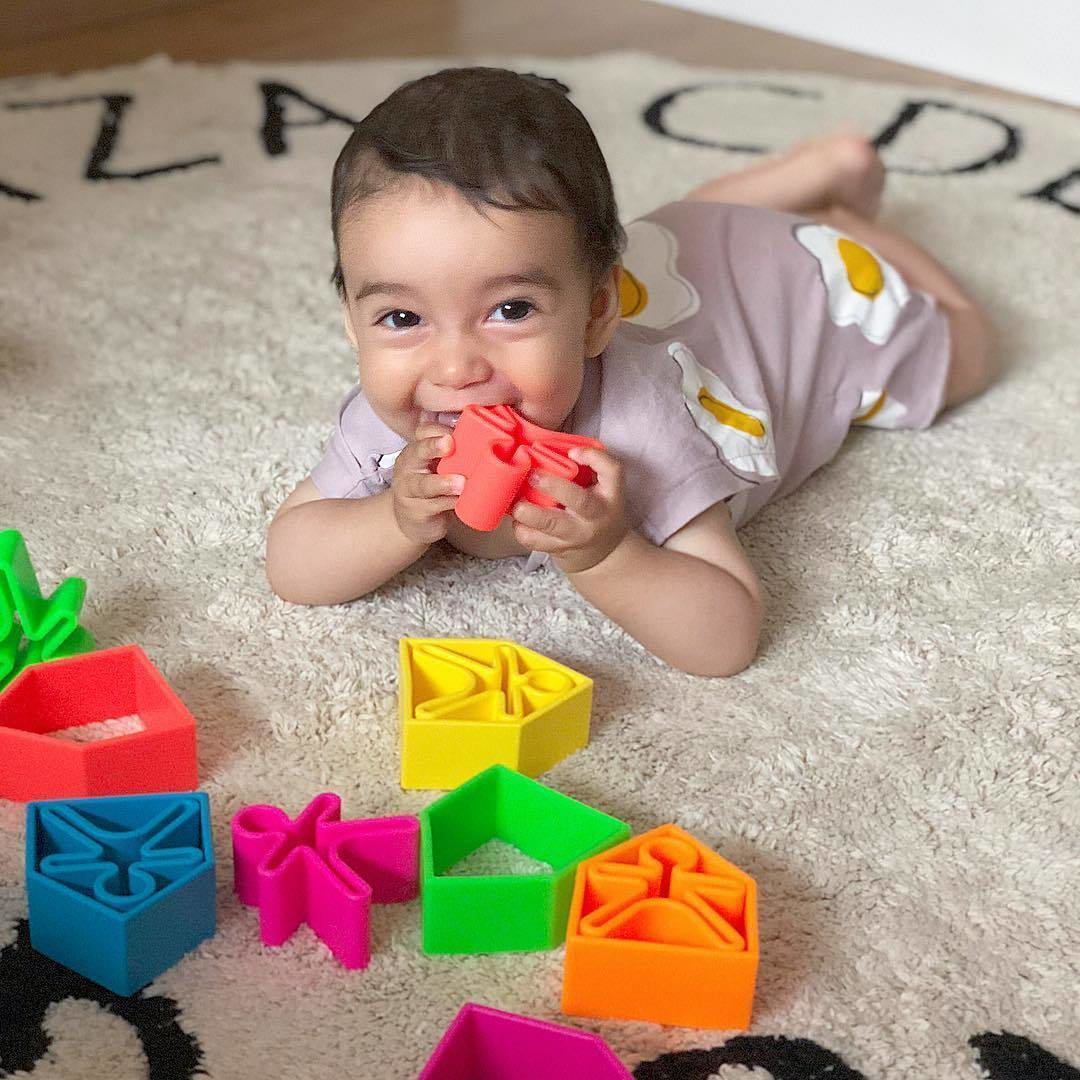
This is where teething toys become beneficial. Not only do they help relieve a baby’s pain by providing a safe, satisfying surface to chew on, but they also support cognitive development. The simple act of using a teether helps a baby practice crucial motor skills: they must see the toy, coordinate their hands to grab it, and guide it into their mouth.
When Should I Give My Baby a Teether?
If you notice your little one trying to chew on everything in sight—their hands, your shirt, the remote—it's probably time to introduce a teether.
Teething can start as early as 3 months old or as late as 14 months. The exact timing and which teeth appear first often depend on family history and genetics. Typically, the two lower front teeth are the first to emerge, followed by the two upper front teeth. Most children will have their full set of 20 primary teeth before they turn 3 years old.
How to Choose the Perfect Teether for Your Baby
A good quality teething toy should be durable, BPA-free, easy for your baby to hold, and safe to chew on, with no hard or sharp edges. Instead of thinking in "stages," it's more helpful to think about the teether's material, shape, and function.
1. Materials Matter
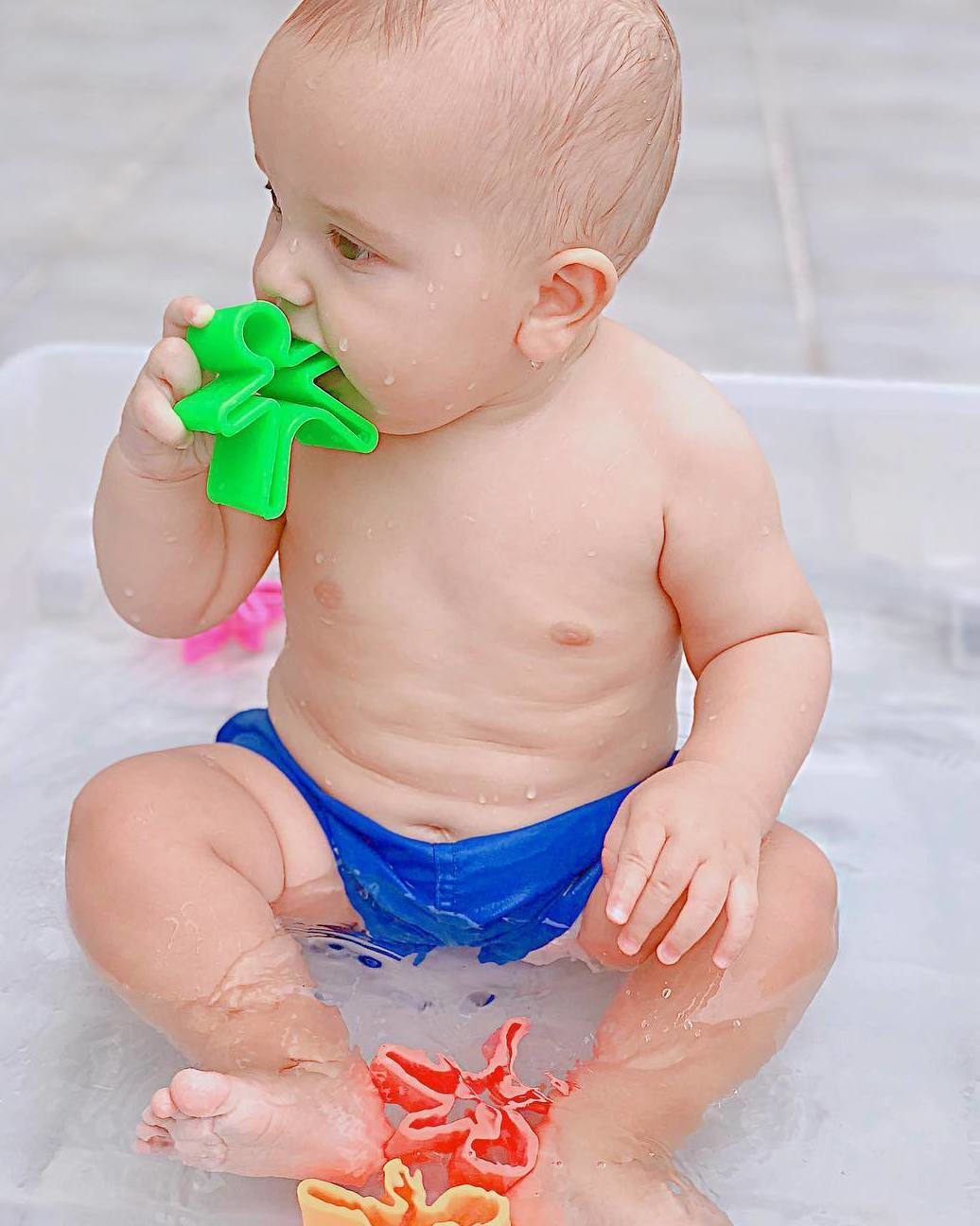
Silicone: This is the most popular choice for a reason. 100% food-grade or medical-grade silicone is soft, flexible, durable, and free from harmful chemicals. It's also easy to clean and can often be chilled for extra relief.
Natural Rubber: Made from the sap of rubber trees, this is another excellent, non-toxic option. It has a natural elasticity and softness that babies love.
Wood: Unfinished, smoothly sanded wood (like maple) is a great natural, non-toxic, and naturally antimicrobial option.
2. Shape and Function
Rings and Simple Shapes: These are classic for a reason. They are easy for the youngest babies to grasp and maneuver into their mouths.
Ergonomic Handled Teethers: Many modern teethers have fun shapes with built-in handles, making them incredibly easy for little hands to hold securely. This helps babies build independence.
Teethers with Bristles: Some teethers have soft silicone bristles that act as a gum massager and a gentle introduction to the sensation of a toothbrush.
Teethers that can be Chilled: Any solid silicone teether is safe to put in the refrigerator (never the freezer, as it can get too hard and damage gums) for cooling relief on inflamed gums.
3. Hygiene and Convenience
Look for teethers that are easy to clean (dishwasher-safe is a huge plus!).
Consider teethers that come with a travel case or have a "flip" design to keep the chewing surfaces clean inside a diaper bag.
A teether that can attach to a pacifier clip is a lifesaver for preventing it from constantly falling on the floor.
Safety First: A Non-Negotiable Rule
Always supervise a baby while they are using a teether. When choosing one, make sure it is large enough that they cannot fit the entire thing in their mouth.
Crucially, do not use items that are not meant to be teethers. Toys with small parts that could fall off are a serious choking hazard. Never use teething necklaces or amber beads, as they pose a risk of strangulation and choking. Stick to products specifically designed and safety-tested for teething. And don’t forget to regularly inspect and clean your baby’s teethers!