A Parent's Guide to Choosing the Best Self-Feeding Utensils for Baby-Led Weaning
/Editor's Note:
Please be aware that as of 2024, BabyLux no longer distributes Grabease products. We have updated this popular article to serve as a general guide to help parents choose the best self-feeding utensils for their little ones, a topic we know is very important to you.
To explore our current collection from our trusted brand partners, please click here.
Today, many parents are enthusiastically embracing Baby-Led Weaning (BLW). This feeding method empowers babies to take control of their solid food journey, exploring textures and tastes by "self-feeding" from the very beginning. This approach makes the first tools you provide incredibly important. Choosing the right spoon and fork is a critical first step to ensure your baby has a positive and successful experience with food.
What to Look for in a Great Self-Feeding Utensil
When your baby is ready to start self-feeding, not just any spoon will do. Toddler utensils are often too long and unwieldy for tiny hands. Here are the key features recommended by Occupational Therapists to look for in a starter utensil set:
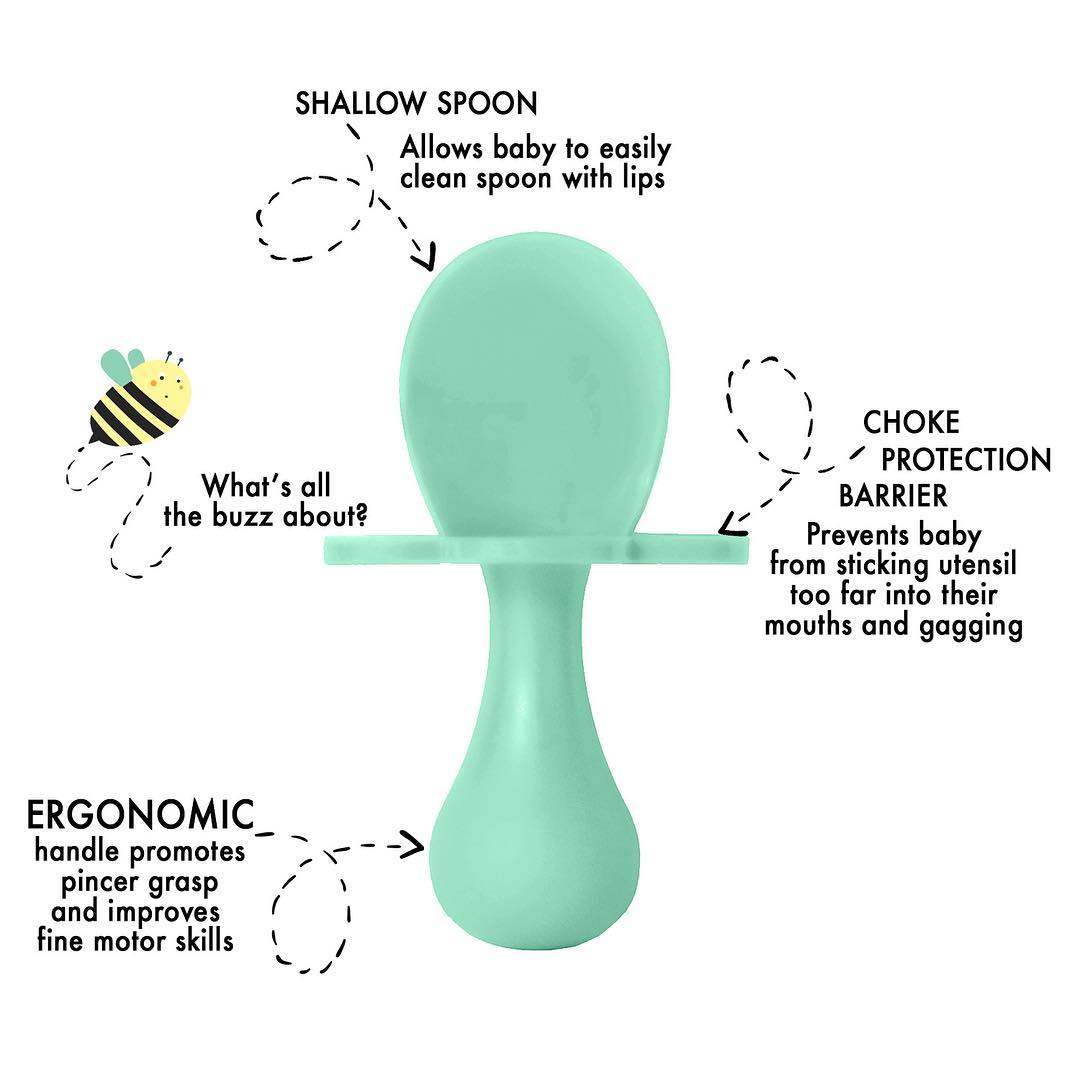
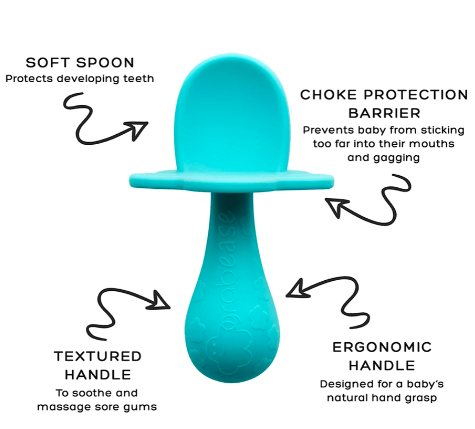
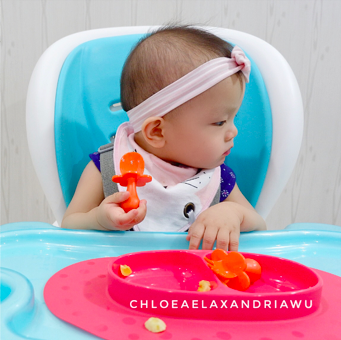
Ergonomic Handle: Look for a short, wide handle that is designed specifically for a baby’s natural vertical hand grasp. This makes the hand-to-mouth motion much easier and more intuitive.
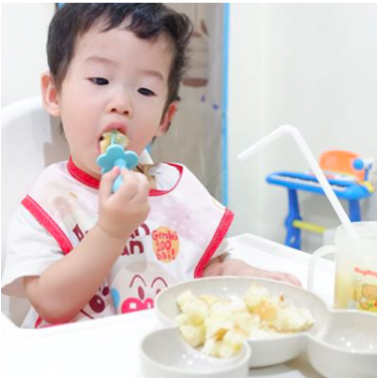
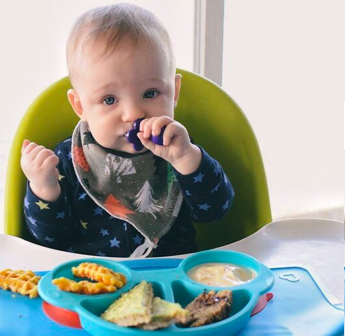
Choke Protection Shield: This is a crucial safety feature. A cloud-shaped or flower-shaped guard below the spoon/fork tip prevents your little one from sticking the utensil too far into their mouth and gagging.
Proportionally Sized Tips: The spoon bowl and fork tines should be shallow and small, sized for a baby's mouth.
The Benefits of Nurturing an Independent Eater
Using utensils designed for self-feeding does more than just get food from the plate to your baby's mouth. It plays a vital role in their development.
Fosters Independence: It provides babies with a sense of control and accomplishment during meal times, making them more confident eaters.
Develops Fine Motor Skills: The act of grasping the handle, scooping food, and bringing it to their mouth helps strengthen finger muscles and improves hand-eye coordination.
Encourages Proper Pencil Grasp: The vertical grip used for these utensils is a foundational step for developing the pincer grasp, which is essential for learning to write later on.
Read more: How to help my baby develop their pincer grasp?
Stage 1 vs. Stage 2: Choosing the Right Utensil for Your Baby's Age
As your baby grows, their feeding needs will change. Understanding the different stages of utensils will help you provide the right tool at the right time.
Stage 1: The Starter Spoon (Age: 4+ Months)
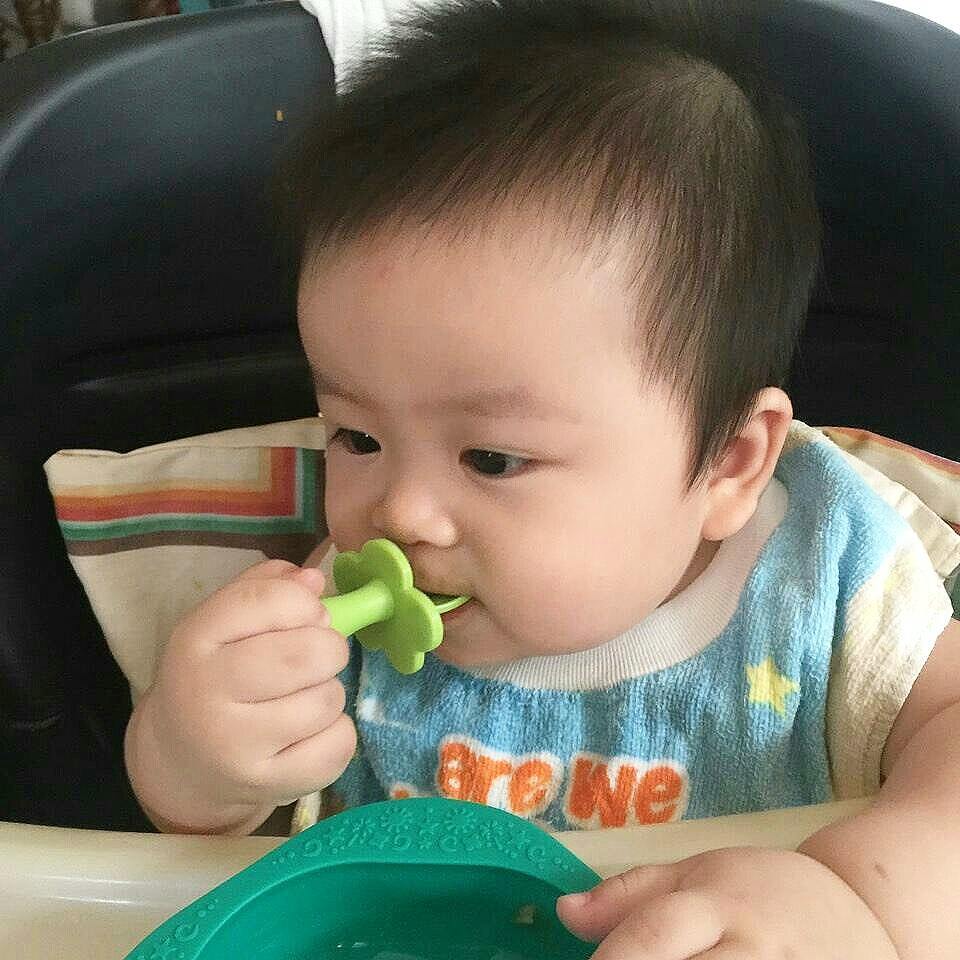
This is the very first step. Stage 1 spoons are typically made entirely of soft, chewable silicone. They are perfect for babies who are just being introduced to purées or are in the teething phase. The soft, flexible tip is gentle on sensitive gums, and the easy-to-grip handle often doubles as a teether. A baby can easily go from chewing to dipping to tasting, making it a fun and safe exploration tool.
Stage 2: The Utensil Set (Age: 6+ Months)
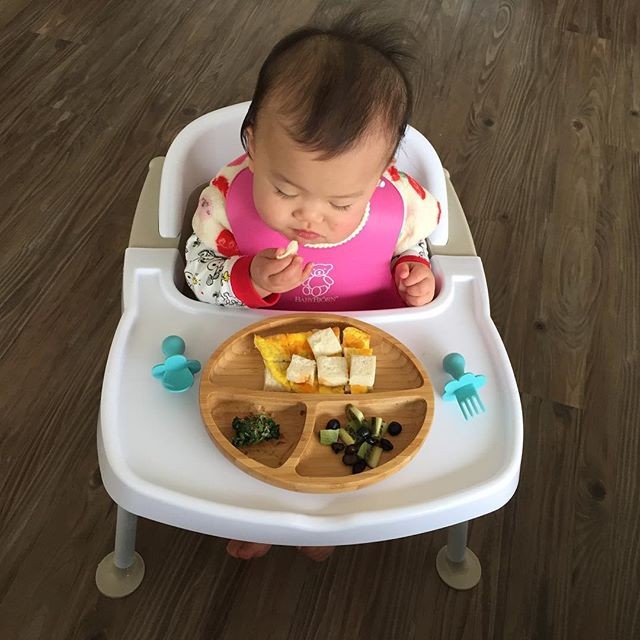
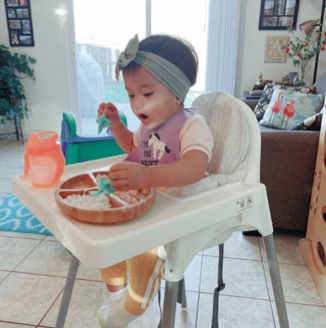
Once your baby has better coordination and is exploring a wider variety of foods, they are ready for a Stage 2 set, which usually includes a spoon and a fork. These are designed to help your baby successfully scoop foods like yogurt and oatmeal, and pierce soft solids like fruits and cooked vegetables. They still feature the critical choke shield and ergonomic handle but provide the next level of function for true self-feeding.
Ready to Start Your Baby's Feeding Journey?
Choosing the right first utensils can make all the difference in creating a happy, independent eater.