A Complete Guide to Your Baby's First Solid Foods
/After six months of exclusive breastfeeding or formula feeding, a baby's nutritional needs begin to change. While breastmilk or formula remains their primary source of nutrition, it's time to introduce solid foods. This is an exciting, messy, and incredibly important new chapter in your baby's development.
Signs Your Baby is Ready for Solid Food
Around the 6-month mark, your baby will start giving you clear signals that they are ready for their first foods. Look for these signs of readiness:
Good Head Control: They can hold their head up steadily without support.
Sits Up Well: They can sit upright with minimal assistance.
Shows Interest in Food: They watch you eat with fascination, look at the food on your plate, and may even try to reach for it.
Loses the Tongue-Thrust Reflex: They no longer automatically push food out of their mouth with their tongue.
Introducing solids at the right time is key. Too early, and it can interfere with their milk intake; too late, and it can be more difficult for them to accept new textures and may lead to nutritional gaps.

What Are the Best First Foods for My Baby?
The journey into solid foods happens in stages. Start slowly and introduce new foods one at a time.
Stage 1: Soft Purées and Mashed Foods
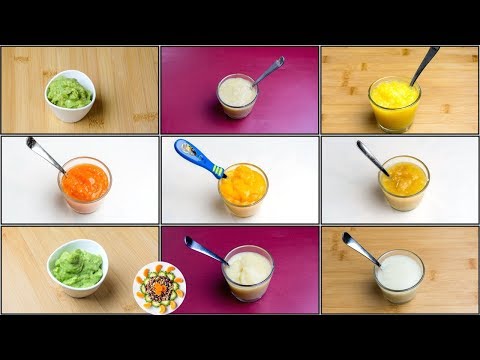
Begin with single-ingredient purées that are soft and easy to swallow. The choices can be iron-fortified baby cereal mixed with breastmilk or formula, or simple mashed foods.
Vegetables: Mashed sweet potato, pumpkin, carrots, or peas.
Fruits: Mashed banana, avocado, or unsweetened applesauce or pear sauce.
It's recommended to offer a variety of foods rather than just rice cereal to ensure a broad range of nutrients.
Stage 2: Finger Foods for Self-Feeding
Once your baby is comfortable with purées, you can introduce finger foods. These are foods cut into small, graspable pieces that allow your baby to practice self-feeding. Initially, your baby will learn to hold the food and bring it to their mouth. By 8-10 months, they will become much more adept at it.
Great finger food options include: Small, soft pieces of banana, avocado, well-cooked pasta, soft cheese, or steamed and softened carrot sticks.
Stage 3: Advanced, More Complex Meals
Once your baby has successfully mastered the first two stages, they can move on to more complex foods and textures. These are foods similar to what the rest of the family is eating, just prepared safely for a baby.
Safe options include: Shredded chicken or meat, scrambled or hard-boiled eggs, small pieces of bread, and well-cooked rice. Always ensure the food is soft enough for your baby to mash with their gums to avoid choking.
Building a Healthy Mealtime Routine
Learning to Drink from a Cup: After six months, you can start offering water in an open cup or a straw cup. This helps develop their drinking skills and is better for their long-term dental health than sippy cups with hard spouts.
Moving to Three Meals a Day: At first, one or two small "meals" a day is plenty. By 8-9 months, you can start offering food three times a day. By their first birthday, most babies are eating three meals a day plus one or two small snacks, just like the rest of the family.
Best Practices for a Happy Feeding Journey
Applying these methods can help you give your baby a positive introduction to food.
Choose the Right Moment: Offer food when your baby is in a happy mood—not too hungry, tired, or fussy.
Embrace the Mess: Let your baby enjoy touching and holding their food. This sensory play is a crucial part of their learning process.
Encourage Independence: When your baby shows an interest in eating alone, give them the chance to use their hands or a baby-safe utensil.
Be Patient and Never Force It: Your job is to offer healthy food; your baby's job is to decide how much to eat. Never force your baby to finish a meal.
Keep Up with Milk: Continue to breastfeed or formula-feed on demand. Milk is their main source of nutrition for the first year.
Always Supervise: Stay with your baby during all meals to monitor for any signs of choking.
Check the Temperature: Ensure any food you serve is clean, fresh, and cooled to a safe temperature.