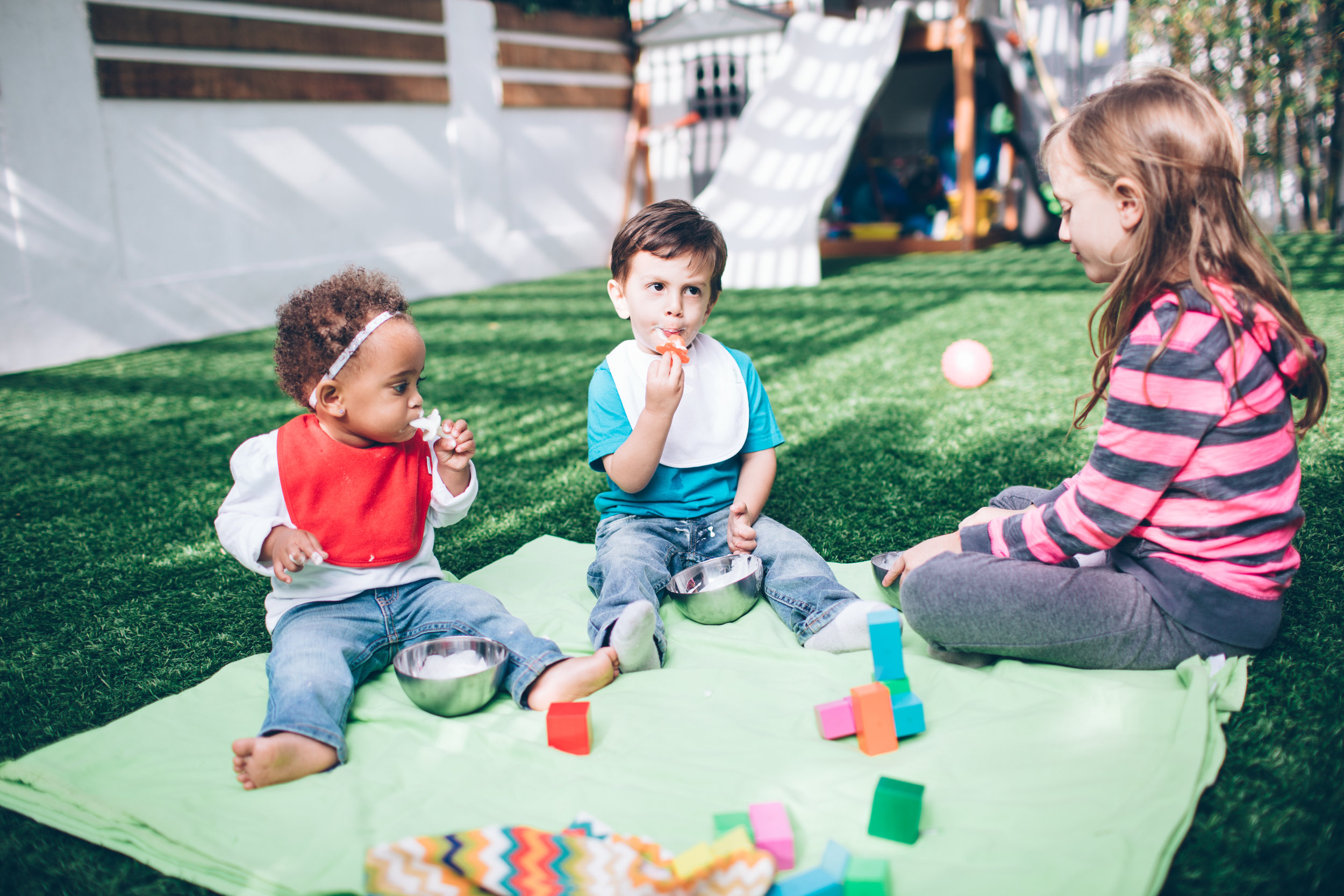
Baby bibs for BLW: Grabease all-over bib, Bumkins sleeved bib, or Tidy-tot bib?

Baby led weaning (BLW) could be so messy and frustrating, but BLW is totally worth the mess! So I choose to raise my baby with BLW method and I know I need to stocking up on a few great BLW bibs, it help me to feel so much happier while doing BLW. No constantly stress about the mess and instead I can enjoy eating with my daughter. I have 3 great bibs, Grabease, Bumkins, and Tidy-tot. I’ll let you know the pros and cons of each bibs.

My daughter always sat on her highchair during mealtime, so in this article, I will focus on the bibs that are designed for highchair user. Check out here for on-the-go bibs.

Contents:

| Why we need bibs when BLW

| Bumkins sleeved bibs pros and cons

| Grabeaase all over bibs pros and cons

| Tidy tot bibs pros and cons

| Conclusion


Why we need bibs when BLW

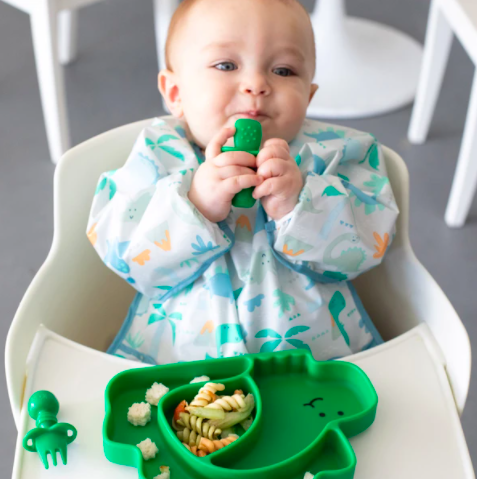
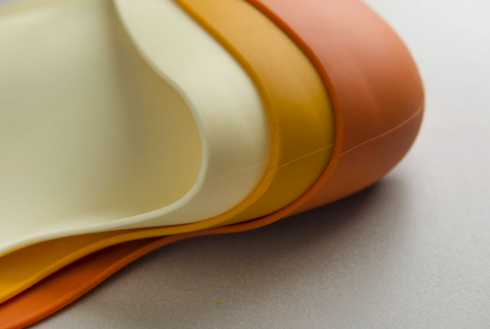
It is of course to minimize the mess. A good bib can catch food easily, some bibs offer full coverage over clothing including sleeves, others are made from soft muslin or high-tech neoprene and some are more rigid, made with pockets to collect any spills. Not all bibs are equal and it is important to look for fabrics that are comfortable, protective, durable and washable, along with a design suited to your child’s stage and that is easy to fasten.

I always look for a durable, easy to wash and the perfect size for protecting baby’s clothes but not getting in the way of self-feeding. I also love bibs with a handy pocket to catch falling food. With a fresh bib for each meal, I can recycle food that’s fallen into the pocket back on to baby’s plate or bowl, also helping to minimize food waste.

Read also: 3 Rules you must follow when giving first food to your children

But if you are one of those moms whose always let your child naked, then you might not need the bibs so much, haha.
Baby bibs for BLW-7

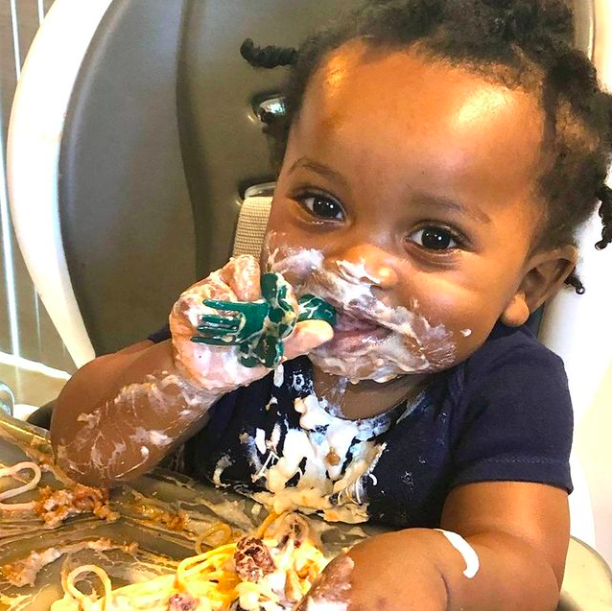
Bumkins sleeved bibs pros and cons

The good:

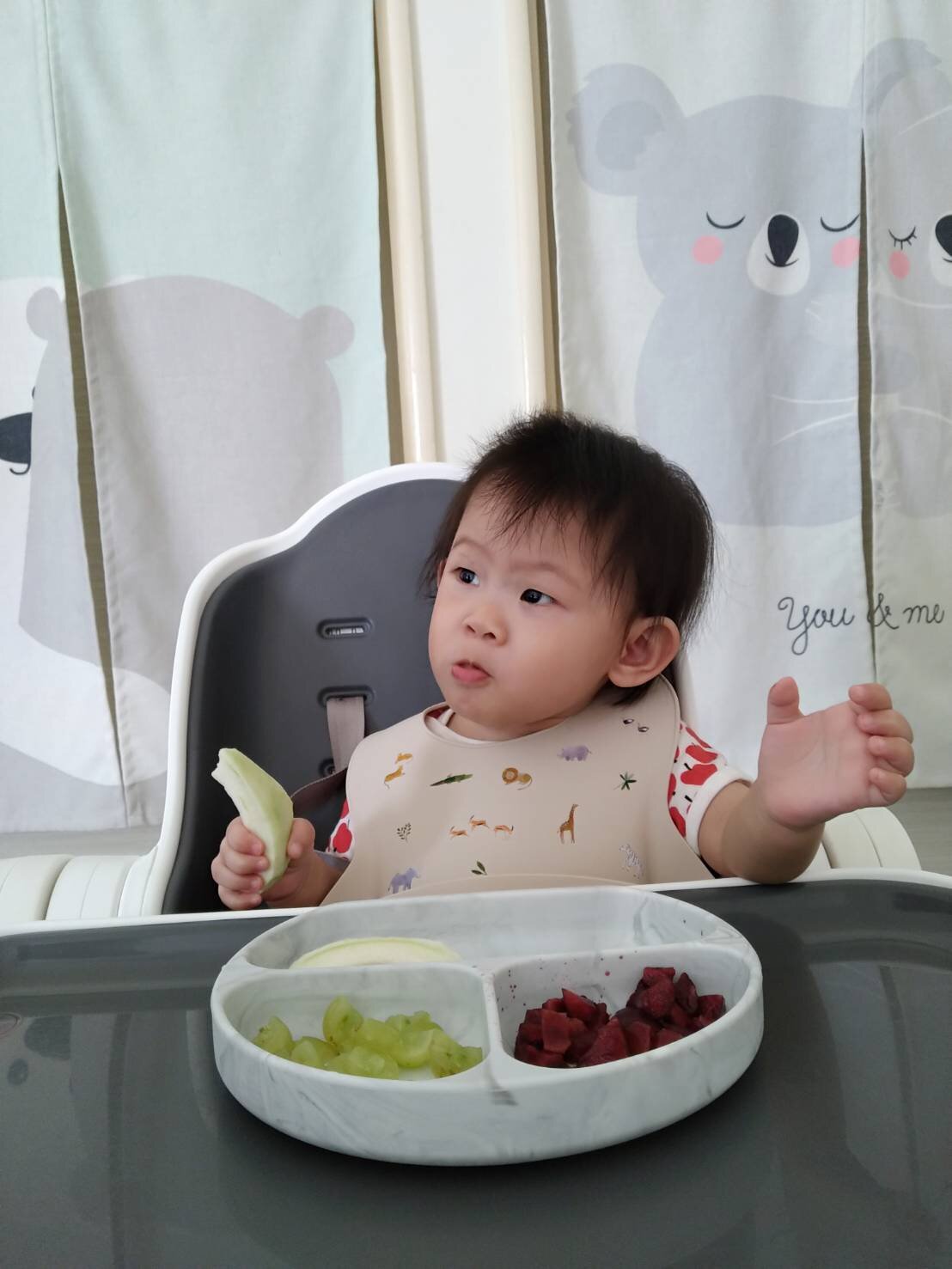
  • Lightweight but durable long-sleeved bibs featuring a catcher pocket.

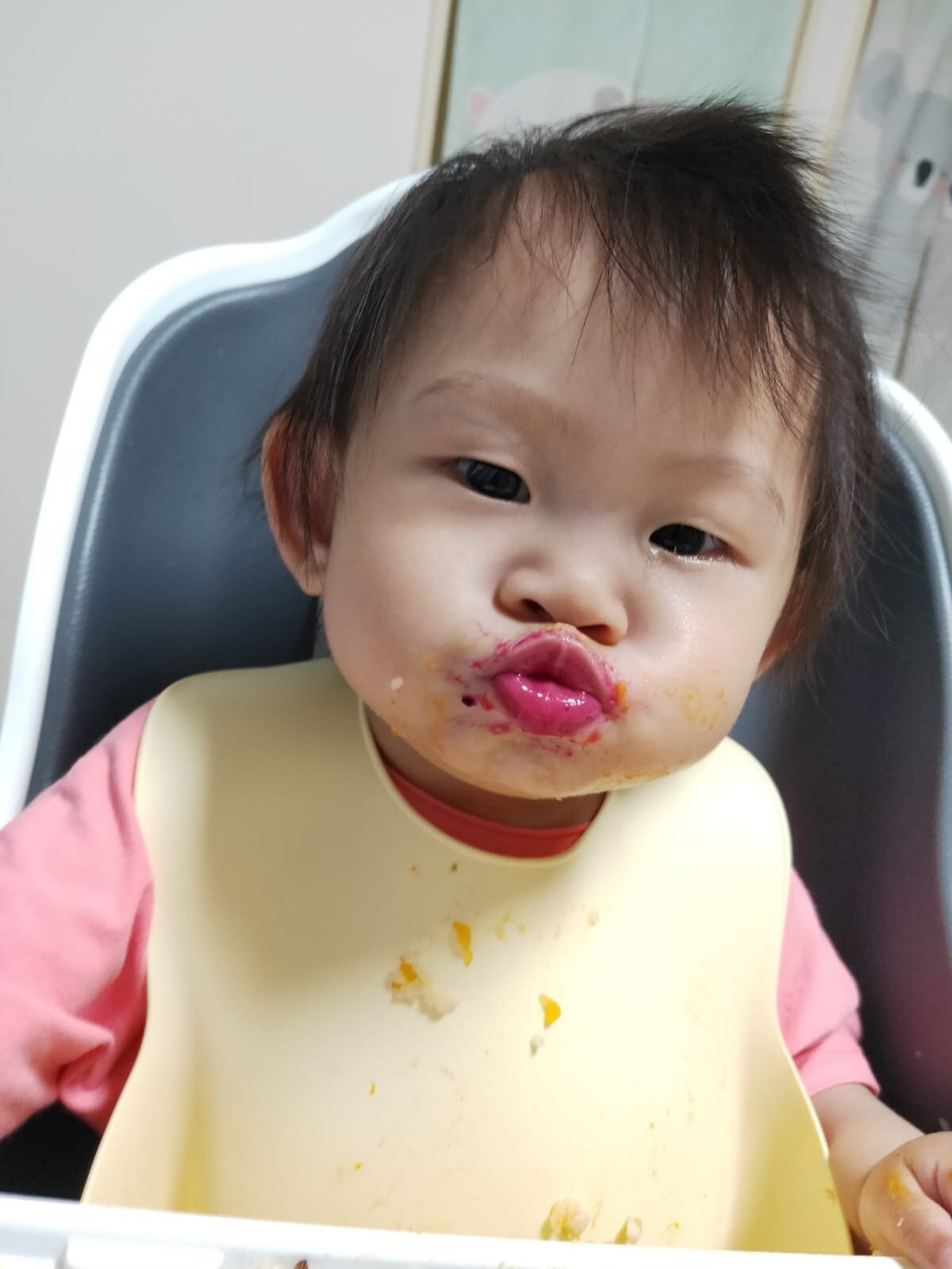
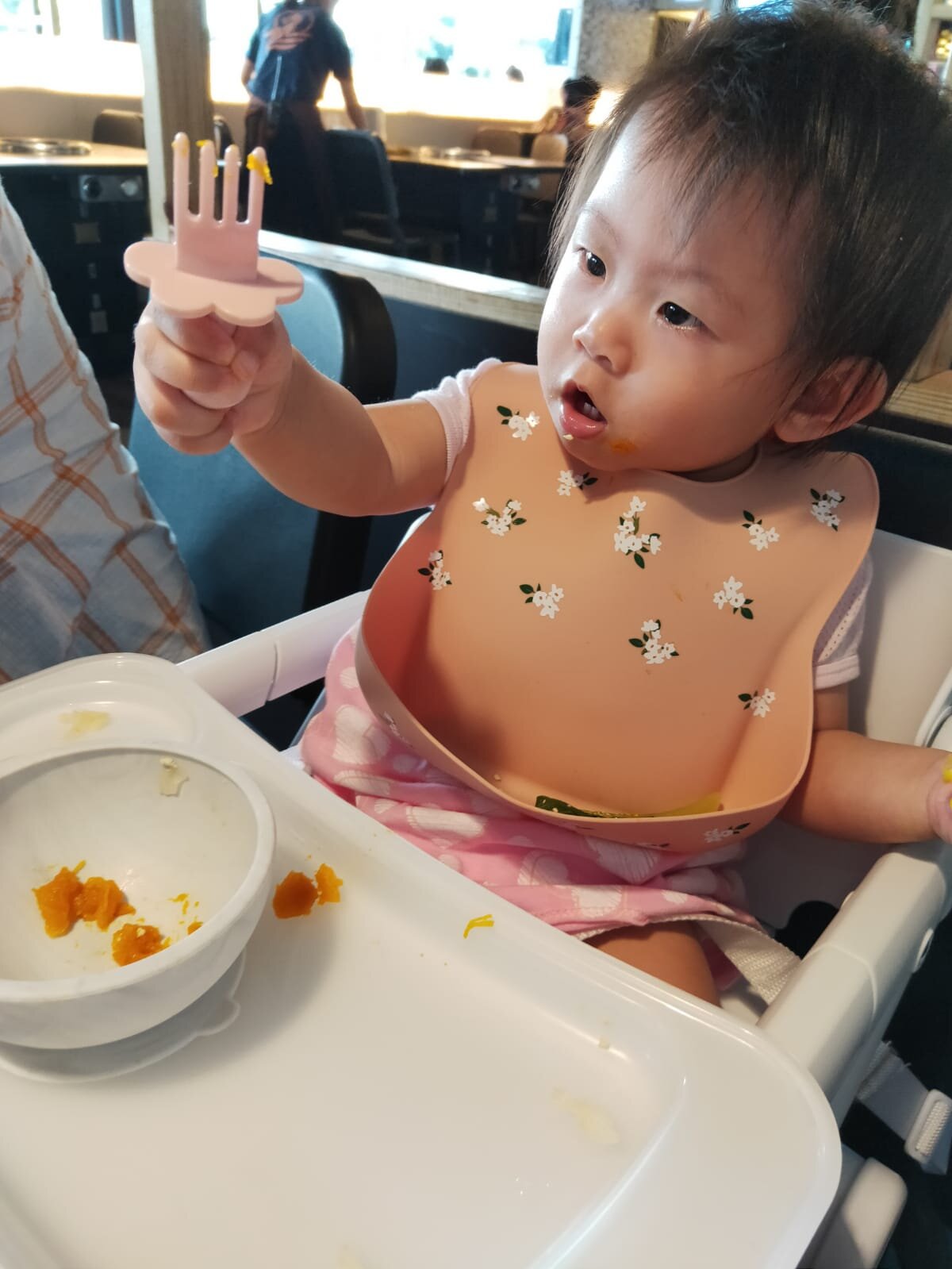
  • Bumkins sleeved bibs protect almost every inch of my daughter’s clothes from spills

  • They machine wash

  • Free from BPA, PVC, phthalates and lead

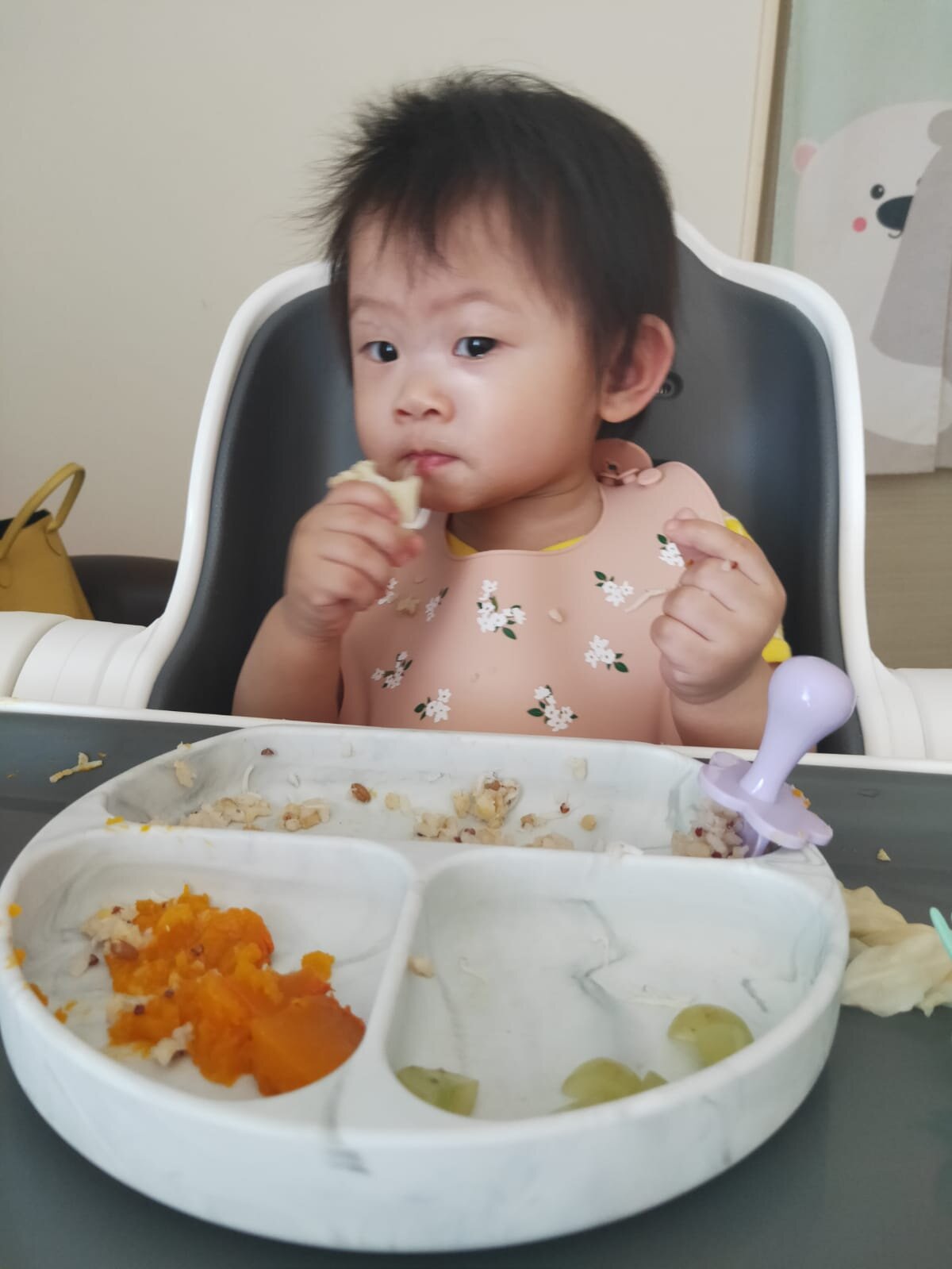
  • I love the tie back, not only it gives plenty of room to grow, my daughter keep pulling off the bibs that have velcro

  • Wrists have little cuffs so nothing can get up the sleeves

The not so good:

  • One small criticism from me was that the bibs could get stained with time

  • If I went to a restaurant without air conditioner, my daughter will be pretty cranky due to the long sleeves and she feel hot.. I recommend it for at-home-usage

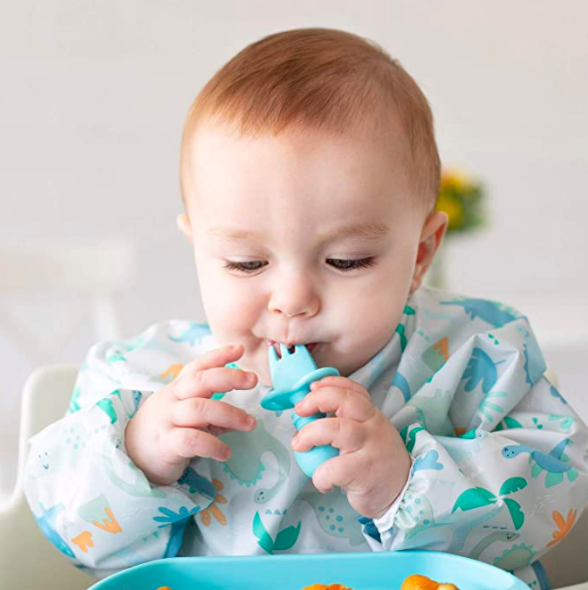
Where to buy Bumkins sleeved bibs.

Baby bibs for BLW-6

Grabease all-over bibs pros and cons

The good:

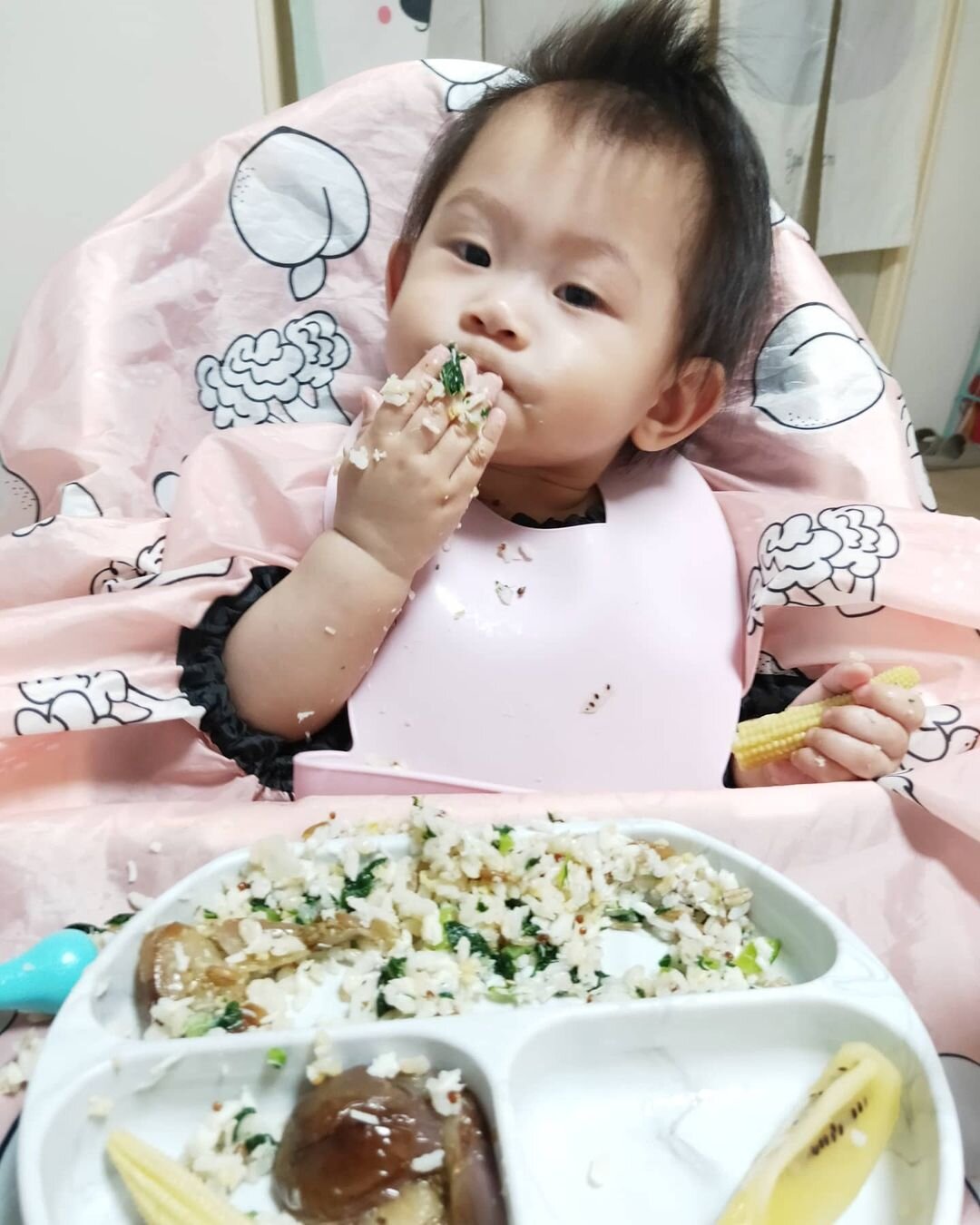
  • Large size covers my daughter and it perfectly pairs with my high chair

  • Lightweight - roll up the bib for easy storage or to bring it on-the-go!

  • Washable - Because who has time to hand wash? Both machine and hand wash, remember to hang dry completely before storing

  • Safe! It BPA-free, PVC-free, vinyl-free, phthalate-free and lead-free

  • 100% polyester with TPU coating for waterproofing - it really keeps my baby dry from drool and spills

  • I am impressed with Grabease all over bibs waterproof effectiveness

  • I love its colors, especially the blush one!

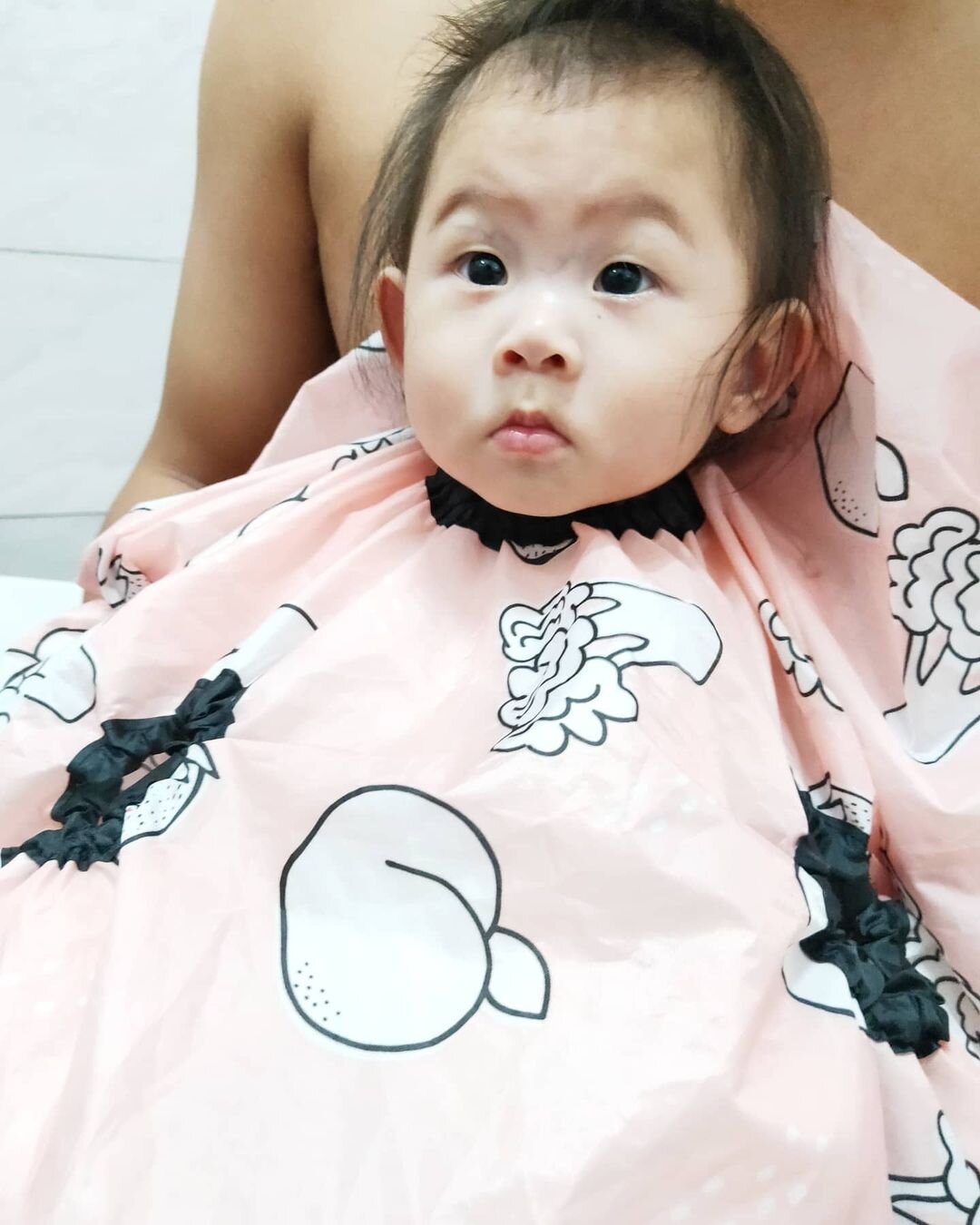
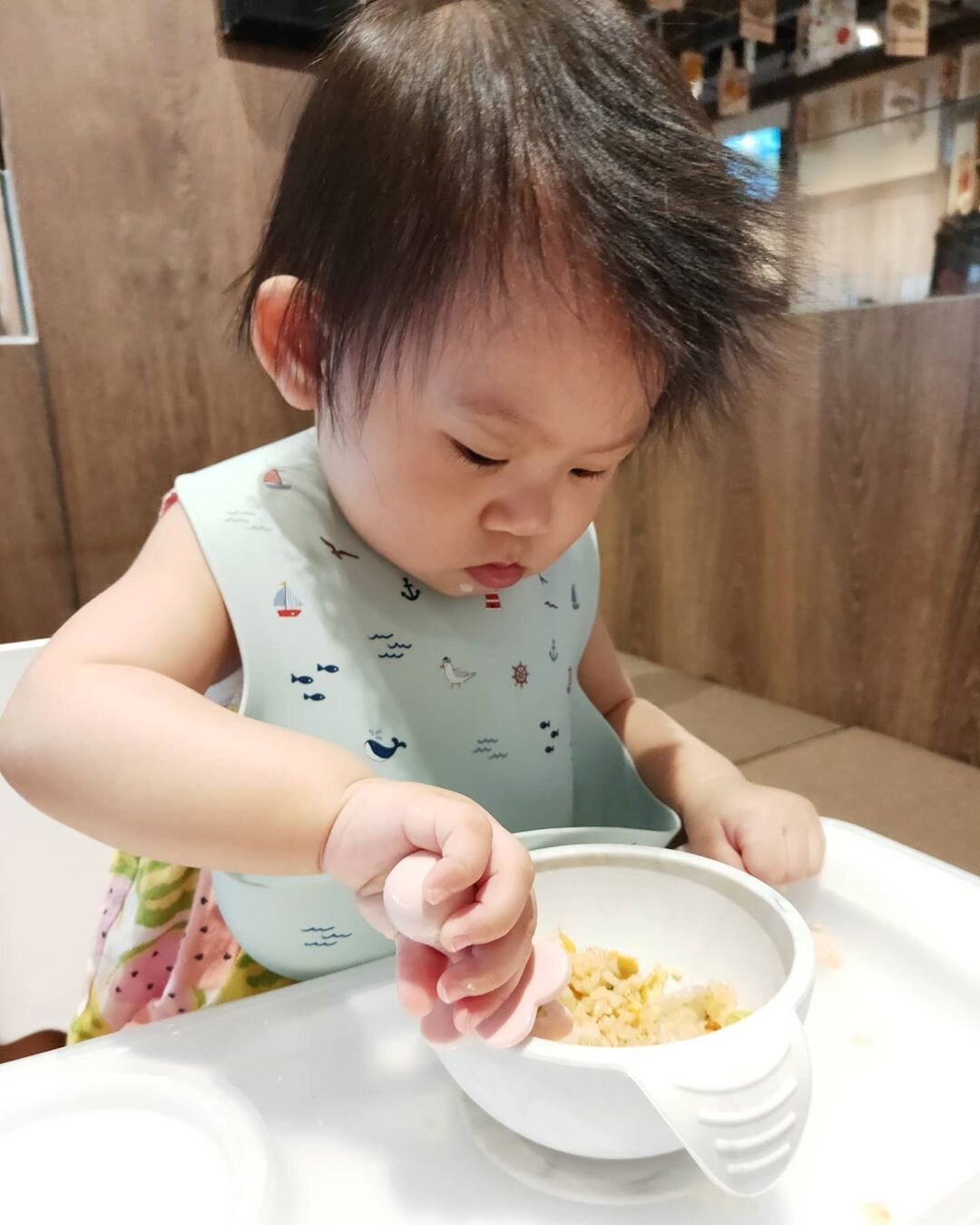
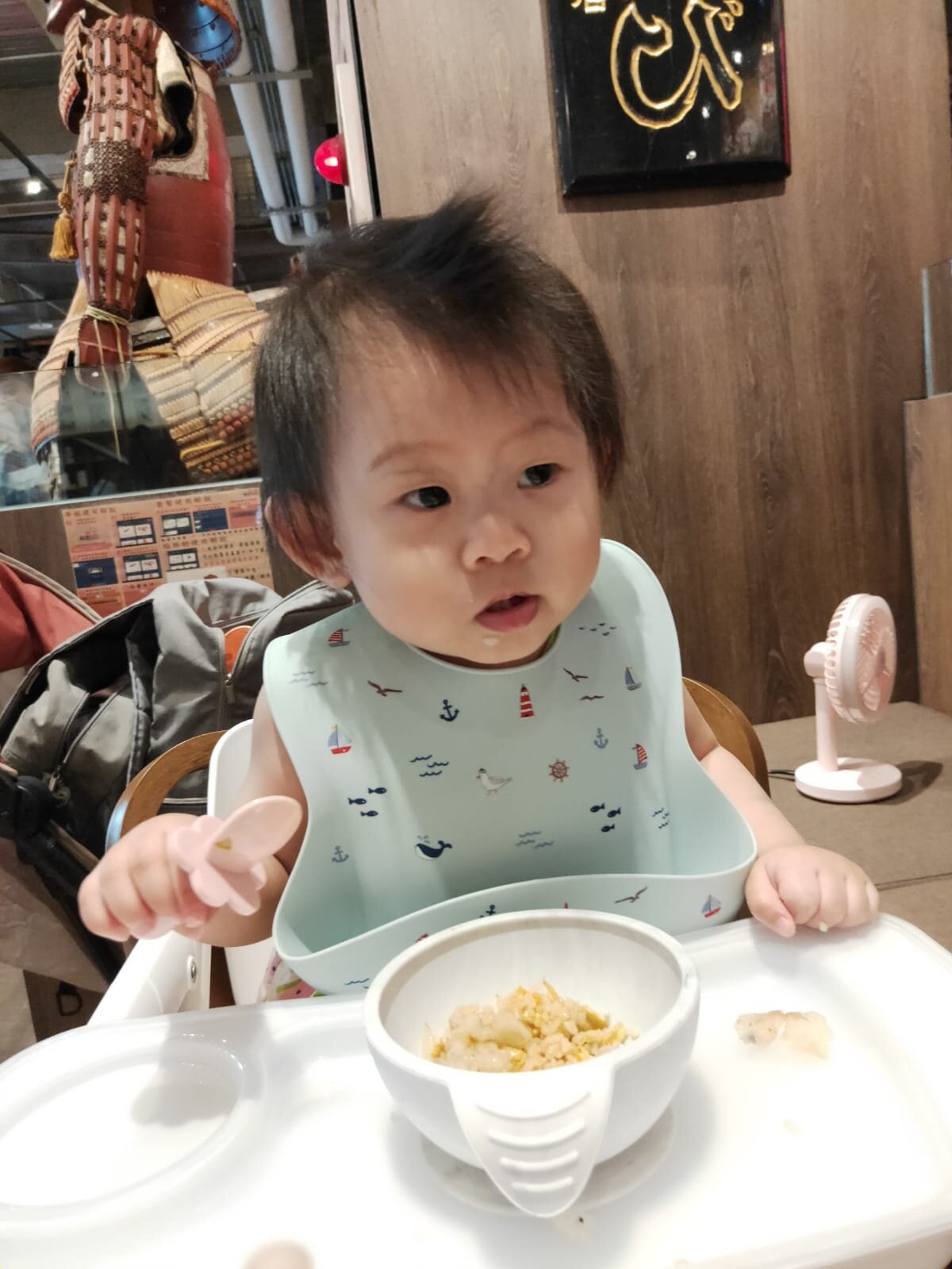
  • Grabease all-over bib has a short sleeves, but this what makes me even love it more, I live in Asia where the weather is quite hot here, my daughter couldn’t stand the heat if she wears a long sleeves bib

  • You can even use it as cover while making your own baby’s hairstyle

Read also: Best baby self feeding spoon and fork set

The not so good:

  • You need to have either booster chair or high chair to use it, some restaurant don’t have neither of them, so need to use more on-the-go bibs

  • I am not a big fan of their stretchy neck and arm holes, my daughter doesn’t really enjoy it

  • The price is very high comparing with other bibs’ brand
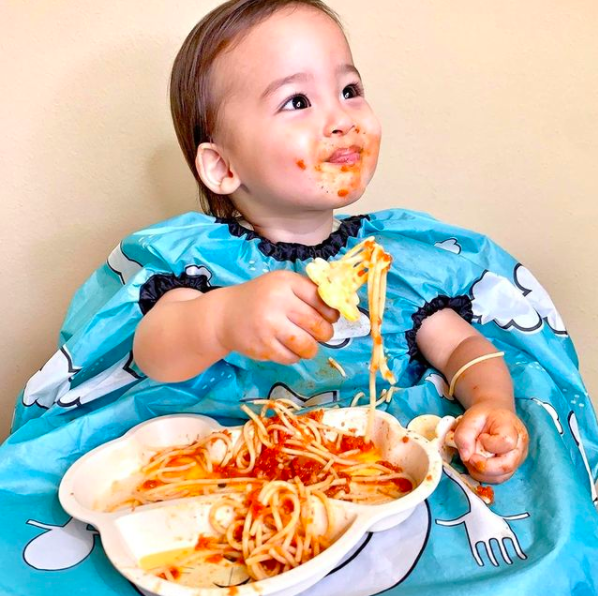
Where to buy Grabease bibs.

Baby bibs for BLW
Baby bibs for BLW-4

Tidy tot bibs pros and cons

I let my daughter use the iconic bib and tray kit

The good:

  • The tray can be used for weaning and messy play, keeps food and toys off the floor

  • Is hygienically clean – provides an antibacterial, food-safe, BPA and Phthalate free surface for your baby to eat from, wherever you are

  • The tray is easy to assemble, folds away for easy storage

  • Comes with a storage bag

The not so good:

  • I rarely use Tidy tots iconic bibs, in my point of view this bibs is not that convenient, it contains bibs and the tray, which I need to clean 2 separate items.

  • It is hard to find a big space to dry out the tray, since it is pretty big.

  • My daughter feels left out when she use Tidy tot, because the tray is so big, although she usually sit in her highchair, but Tidy tot’s tray is so big, feels distance, haha, what a dramatic daughter.

  • She lover drawing, but the tray is not steady enough for drawing purpose.
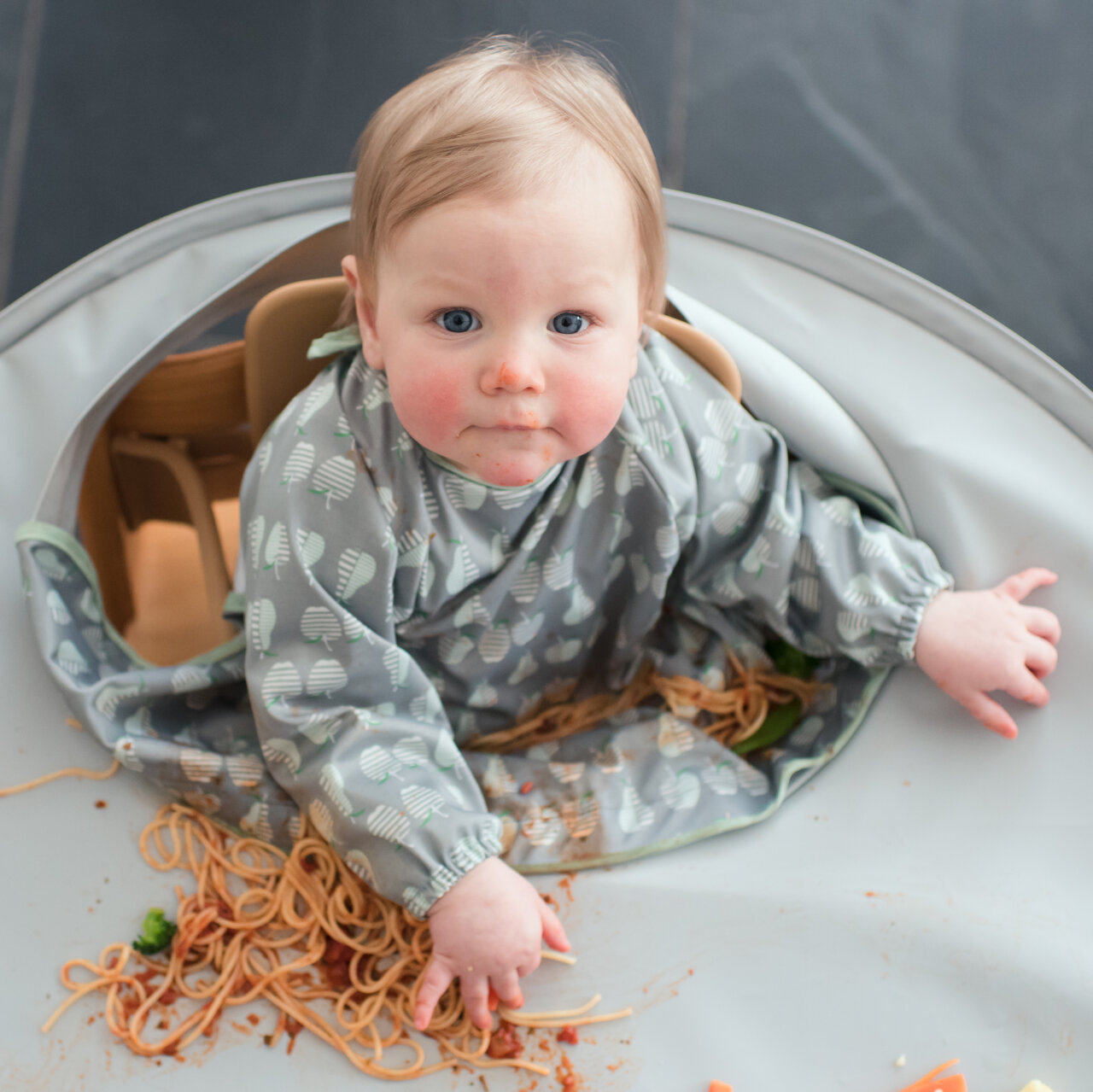
Where to buy Tidy Tot bib and tray.

Baby bibs for BLW-9

Conclusion

Over all, if for home use, I like Grabease better than Bumkins. The Grabease bibs can protect my daughter from the mess better and catch the food better. Maybe some of you will concern about the Grabease bibs short sleeves, but this is the feature I like about. I am living in Asia, most of the time is hot here, I’ll let my daughter wear sleeveless clothes, so the short sleeve is not a problem for me. What I like most about Bumkins is the tie back feature. But both of them is not really for on-the-go, you will need to prepare one more bibs meal time outside home. Check out here for on-the-go bibs.

If you are interested in starting your own baby product business, we are welcoming you to be our distributors. Be part of BabyLux family, if you want to be baby products distributors but not sure where to start, drop us a message!
3 Things you must know before buying Loulou silicone bibs

Everyone knows that babies need bibs. But it probably wasn’t until you actually reached of parenthood that you realized just how necessary bibs are. When it comes to BLW, you need keeping food off your baby or toddler’s adorable outfit, any bib is better than nothing. But options that are easy to wash and keep food from ending up in her lap or on her arms are your best bet.

Content:

| Are Loulou silicone bibs worth it?

| How many silicone bibs do you actually need to own?

| Why Loulou LOLLIPOP silicone bibs?

Are Loulou LOLLIPOP silicone bibs worth it?

A few months ago, I introduced solid foods to my daughter. I first fed him purées with a spoon, but after she started grabbing the bowl and reaching out for any food in sight, I incorporated baby-led feeding into the mix, giving her pieces of soft vegetables that she could pick up and feed herself. Thanks to countless videos on the social media, I knew that when babies feed themselves, food flies everywhere. A good bib—with a pocket to catch at least some of what didn't make it into my daughter’s mouth.

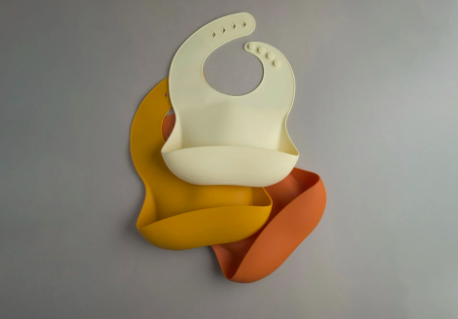
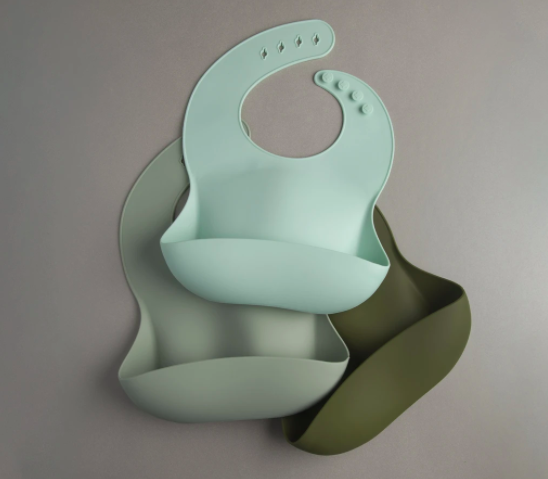
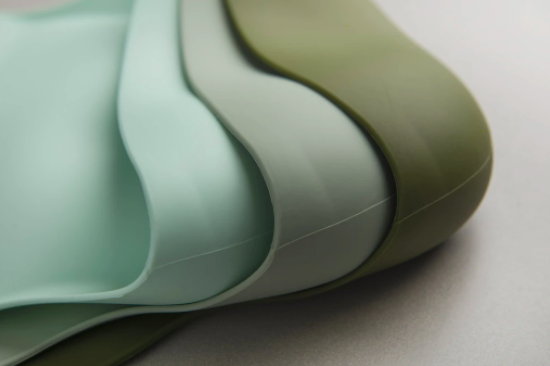
Silicone bibs are soft, flexible and waterproof. They can also be wiped clean after mealtime. Most have a lip or pocket at the bottom to catch food that your little one drops so it doesn’t end up on her lap.

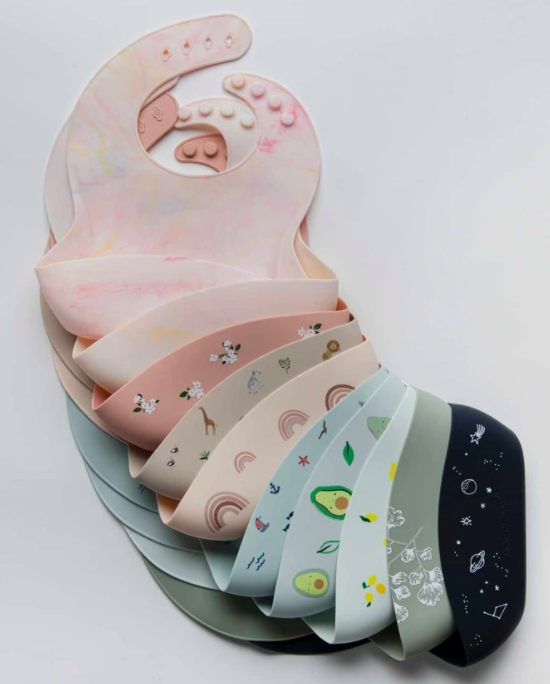
I’ve used Loulou LOLLIPOP for 2 months now, I personally love the printed one better than the regular one. I feel that the printed bibs have a bigger and wider pocket, I can catch a lot of food that didn’t make it into my daughter’s mouth. So, for me it is totally worth it!

Read more: Loulou LOLLIPOP a strong chewable teether that your baby will LOVE!!

The printed silicone bibs.

The printed silicone bibs.

How many silicone bibs do you actually need to own?

You could probably get by with just one, but it’s never a bad idea to have an extra bib or two around for backup. For newborns who only have some occasional drool or spit up, five bibs may be enough to last the week. For babies who really crank out the drool or spit up, though, you might go through five bibs a day.

So how many bibs do you actually need to own for those messy little eaters? The answer depends on your own family's needs. I have around 5 silicone bibs.

Read more: Grabease all-over bib review

Loulou silicone bibs-4

Why Loulou LOLLIPOP silicone bibs?

If your older baby or toddler always tears off bibs with velcro closures, try this. The button closure is more likely to stay put, plus the adjustable buttons are designed to fit kids up to age 3. And if you’re not a fan of the typical baby colors, you’ll be psyched to hear that these bibs come in soothing earth tones like beige, olive and marble. They also have the printed one, which I very like.

A molded, catch-all pouch and easy, wipe-down surface makes for quick cleaning. With reinforced buttonholes for a durable, adjustable fit, this handy bib is available in an array of modern colors and fresh designs to complement baby’s wardrobe.

  • 100% food grade silicone

  • bib catch-all pouch to collect crumbs

  • Free of BPA, PVC, phthalates, lead and cadmium

  • Ages: 3-36 months

  • Top rack dishwasher safe

Read more: Knowing more about Loulou LOLLIPOP teether, swaddle, blanket, bibs, and towel

Loulou silicone bibs-2

At last, I had two main concerns with the material and make of the bib - Is it actually waterproof? And how easy is it to clean? We favored bibs that could easily be cleaned in the sink and that dried quickly.Tell me your story about your kids and your bibs.

Welcoming you to be part of BabyLux family, planning to start own business by being baby products distributors but not sure where to start, drop us a message!
Starting Solids: The 3 Essential Rules for Baby's First Foods

There are so many ways to introduce and give the first foods to your child. Proper nutrition is critical, and as gastro-hepatology consultant pediatrician Dr. Frieda Handayani says, any method applied must prioritize nutritional needs to support each stage of growth. Errors in feeding can have serious consequences, leading to eating difficulties and even malnutrition.

"The first time feeding a child, there will be many challenges, so we must be patient. But it is a child's learning process that must be passed," Dr. Frieda advises.

To navigate this new chapter successfully, here are the three essential rules you must follow when giving your child their first foods.

Rule 1: Follow Your Baby's Cues, Not Just the Calendar

While the general recommendation is to start solids around 6 months, the most important factor is your baby's individual developmental readiness. Forcing food before they are ready can lead to frustration and feeding aversions.

Look for these key signs of readiness:

  • They have solid head and neck control and can sit up well with minimal support.

  • They show significant interest in food by watching you eat, leaning forward, and trying to grab what's on your plate.

  • They have lost the "tongue-thrust reflex" that automatically pushes food out of their mouth.

  • They open their mouth when food comes their way.

Only when your baby is showing these signs are they truly ready to begin their solid food adventure.

Rule 2: Introduce New Foods One at a Time (The 3-Day Rule)

This is the most critical rule for identifying potential food allergies or sensitivities. When you introduce a new food, offer it exclusively for 3 to 4 days before introducing another new food.

How it works:

  1. Start with a single-ingredient purée (like mashed avocado, sweet potato, or iron-fortified baby cereal).

  2. Offer this same food once a day for 3-4 days.

  3. During this time, watch for any signs of a reaction, such as a new rash, hives, vomiting, diarrhea, or other signs of discomfort.

  4. If there is no reaction, you can safely add that food to the "accepted" list and move on to introduce another new food, following the same 3-day process.

This simple rule removes the guesswork. If a reaction does occur, you will know exactly which food caused it.

Grabease113.jpg

Rule 3: Prioritize Safe Textures and Progression

A baby's ability to chew and swallow develops over time. It's crucial to offer textures that match their current ability to prevent choking.

Follow this general progression:

  • Stage 1 (First Foods): Start with very smooth, thin purées. The texture should be like a soupy paste that is easy to swallow.

  • Stage 2 (6-8 Months): As they get more comfortable, you can thicken the texture to be more like a traditional mash with soft lumps. This encourages them to start using their tongue and jaw to move food around.

  • Stage 3 (8-12 Months): Introduce soft, mashable finger foods. The food should be soft enough that you can easily squish it between your thumb and forefinger. Think small pieces of banana, avocado, steamed carrots, or puffs that dissolve easily.

Safety is non-negotiable. Always supervise your baby during mealtimes. Avoid hard, round foods like whole grapes, nuts, and hard candies, as these are serious choking hazards.

By following these three simple but essential rules, you can create a safe, positive, and healthy foundation for your child's lifelong relationship with food.

Maya Product Photo Shoot-217.jpg

A Complete Guide to Your Baby's First Solid Foods

After six months of exclusive breastfeeding or formula feeding, a baby's nutritional needs begin to change. While breastmilk or formula remains their primary source of nutrition, it's time to introduce solid foods. This is an exciting, messy, and incredibly important new chapter in your baby's development.

Signs Your Baby is Ready for Solid Food

Around the 6-month mark, your baby will start giving you clear signals that they are ready for their first foods. Look for these signs of readiness:

  • Good Head Control: They can hold their head up steadily without support.

  • Sits Up Well: They can sit upright with minimal assistance.

  • Shows Interest in Food: They watch you eat with fascination, look at the food on your plate, and may even try to reach for it.

  • Loses the Tongue-Thrust Reflex: They no longer automatically push food out of their mouth with their tongue.

Introducing solids at the right time is key. Too early, and it can interfere with their milk intake; too late, and it can be more difficult for them to accept new textures and may lead to nutritional gaps.

babyLedFood-496120914-770x553-650x428.jpg

What Are the Best First Foods for My Baby?

The journey into solid foods happens in stages. Start slowly and introduce new foods one at a time.

Stage 1: Soft Purées and Mashed Foods

Begin with single-ingredient purées that are soft and easy to swallow. The choices can be iron-fortified baby cereal mixed with breastmilk or formula, or simple mashed foods.

  • Vegetables: Mashed sweet potato, pumpkin, carrots, or peas.

  • Fruits: Mashed banana, avocado, or unsweetened applesauce or pear sauce.

It's recommended to offer a variety of foods rather than just rice cereal to ensure a broad range of nutrients.

Stage 2: Finger Foods for Self-Feeding

Once your baby is comfortable with purées, you can introduce finger foods. These are foods cut into small, graspable pieces that allow your baby to practice self-feeding. Initially, your baby will learn to hold the food and bring it to their mouth. By 8-10 months, they will become much more adept at it.

  • Great finger food options include: Small, soft pieces of banana, avocado, well-cooked pasta, soft cheese, or steamed and softened carrot sticks.

Stage 3: Advanced, More Complex Meals

Once your baby has successfully mastered the first two stages, they can move on to more complex foods and textures. These are foods similar to what the rest of the family is eating, just prepared safely for a baby.

  • Safe options include: Shredded chicken or meat, scrambled or hard-boiled eggs, small pieces of bread, and well-cooked rice. Always ensure the food is soft enough for your baby to mash with their gums to avoid choking.

Building a Healthy Mealtime Routine

  • Learning to Drink from a Cup: After six months, you can start offering water in an open cup or a straw cup. This helps develop their drinking skills and is better for their long-term dental health than sippy cups with hard spouts.

  • Moving to Three Meals a Day: At first, one or two small "meals" a day is plenty. By 8-9 months, you can start offering food three times a day. By their first birthday, most babies are eating three meals a day plus one or two small snacks, just like the rest of the family.

Best Practices for a Happy Feeding Journey

Applying these methods can help you give your baby a positive introduction to food.

  • Choose the Right Moment: Offer food when your baby is in a happy mood—not too hungry, tired, or fussy.

  • Embrace the Mess: Let your baby enjoy touching and holding their food. This sensory play is a crucial part of their learning process.

  • Encourage Independence: When your baby shows an interest in eating alone, give them the chance to use their hands or a baby-safe utensil.

  • Be Patient and Never Force It: Your job is to offer healthy food; your baby's job is to decide how much to eat. Never force your baby to finish a meal.

  • Keep Up with Milk: Continue to breastfeed or formula-feed on demand. Milk is their main source of nutrition for the first year.

  • Always Supervise: Stay with your baby during all meals to monitor for any signs of choking.

  • Check the Temperature: Ensure any food you serve is clean, fresh, and cooled to a safe temperature.

95ee6fdd24b5f05916674c96985e5981.jpg