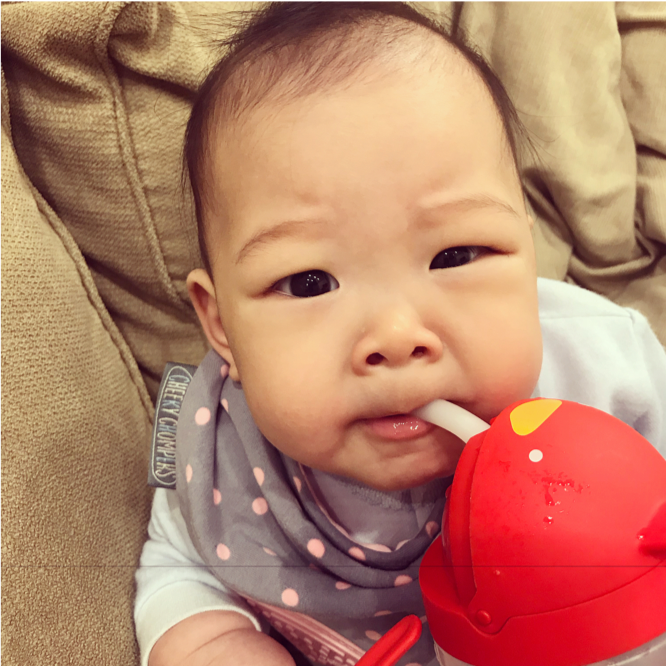
Sippy Cup vs. Straw Cup: Which is Better for Your Baby's Development?
/Editor's Note:
Please be aware that BabyLux no longer distributes Lollacup products. We have updated this article to serve as a comprehensive guide to help parents navigate the transition from a bottle to a cup, a key developmental milestone.
To explore our current selection of high-quality products from our trusted brand partners, please click here.
As your baby grows, one of the big transitions is moving away from the breast or bottle. For years, the traditional spill-proof sippy cup was the go-to choice. However, many parents find that their babies struggle to sip from these cups. More importantly, a growing number of experts are recommending a different tool for this important milestone: the straw cup.
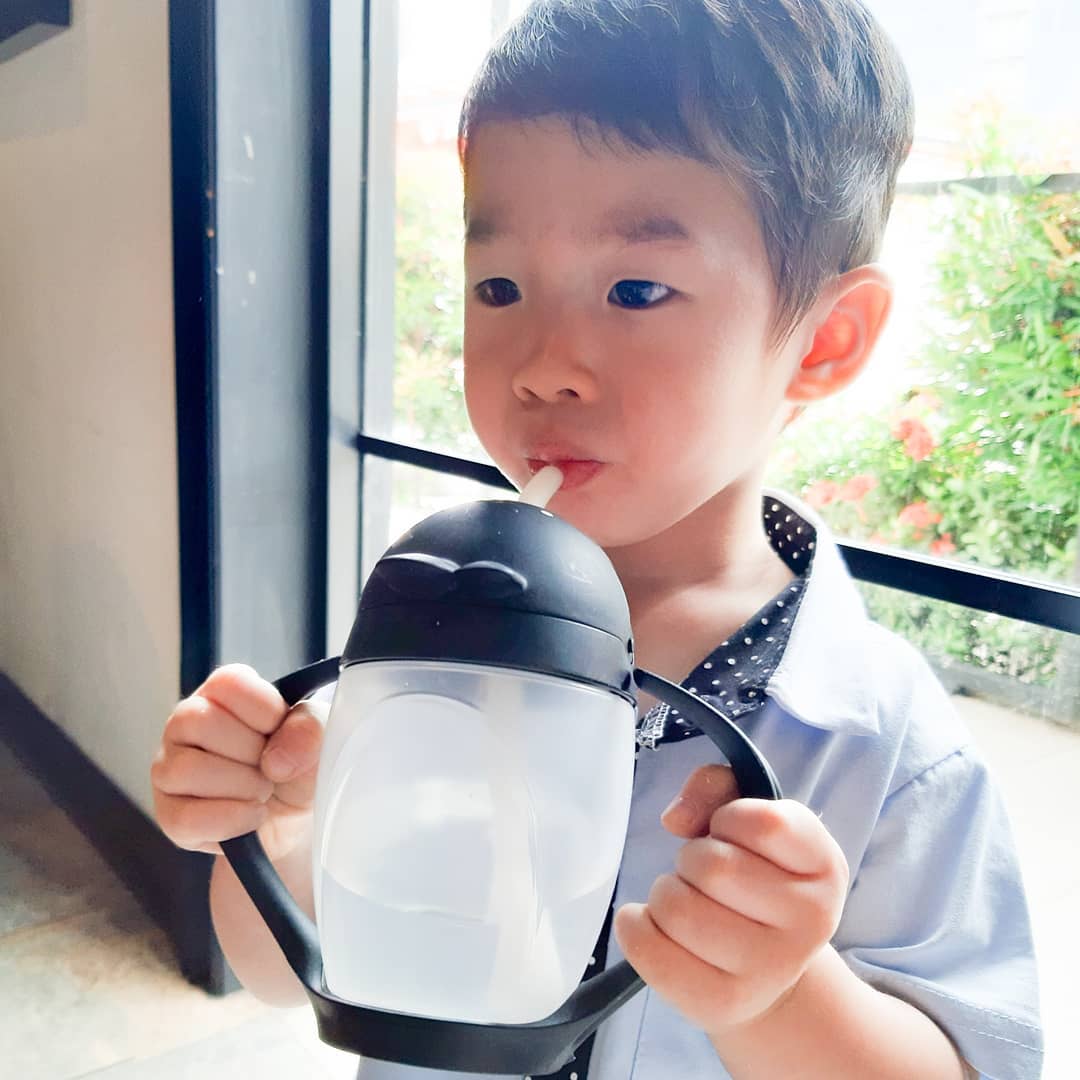
Learning to drink from a straw helps babies develop the muscles in and around their face and mouth. These are the same muscles that are crucial for developing skills in biting, chewing, and eventually, talking.
The Great Debate: Sippy Cup or a Straw?
If you conduct a basic internet search, you'll find a slew of articles from speech and language pathologists, pediatricians, and dentists recommending straw cups over traditional sippy cups.
The reason is simple and it's all about tongue position. With a straw cup, a baby learns the mature skill of pulling their tongue to the back of their mouth when they drink. Conversely, many sippy cups with hard spouts encourage a less mature, bottle-like sucking pattern where the tongue stays forward. Promoting a mature swallowing pattern is beneficial for oral development and can help with the transition to clear speech.
What to Look for in a High-Quality Starter Straw Cup
When you're ready to make the switch, not all straw cups are created equal. Here's a checklist of what to look for to ensure you're getting a functional, safe, and easy-to-use cup for your toddler:
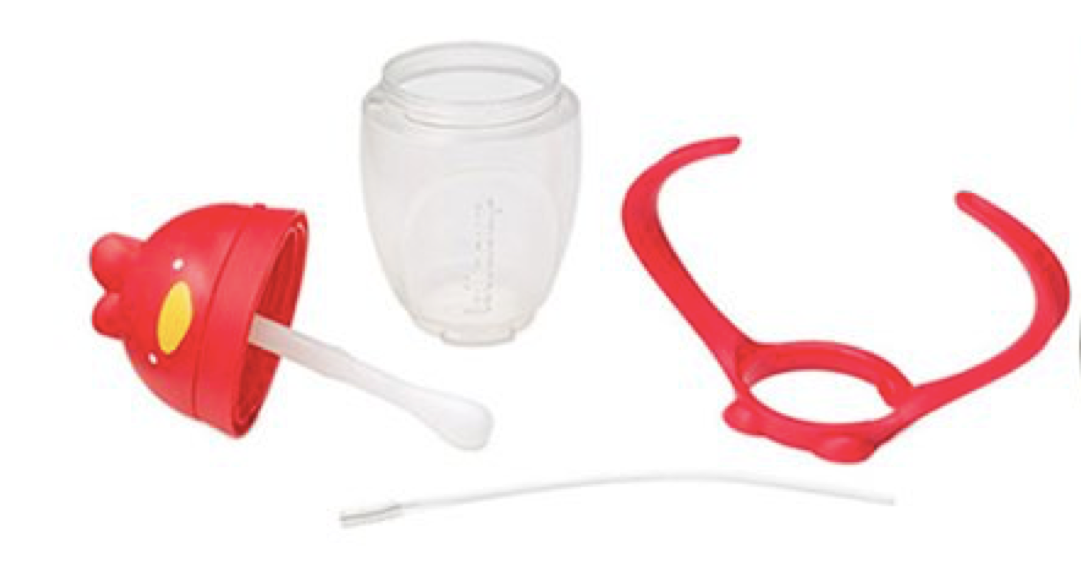
Weighted Straw: This is a key feature! A weighted end allows the straw to follow the liquid, so your child can drink from any angle without frustration.
Valve-Free Straw: While valves prevent spills, they can make it difficult for a new learner to get liquid out. A non-valved straw is often easier for babies to master.
Safety First Materials: Ensure the cup is made from FDA-approved materials and is explicitly free from BPA/BPS, PVC, and Phthalates.
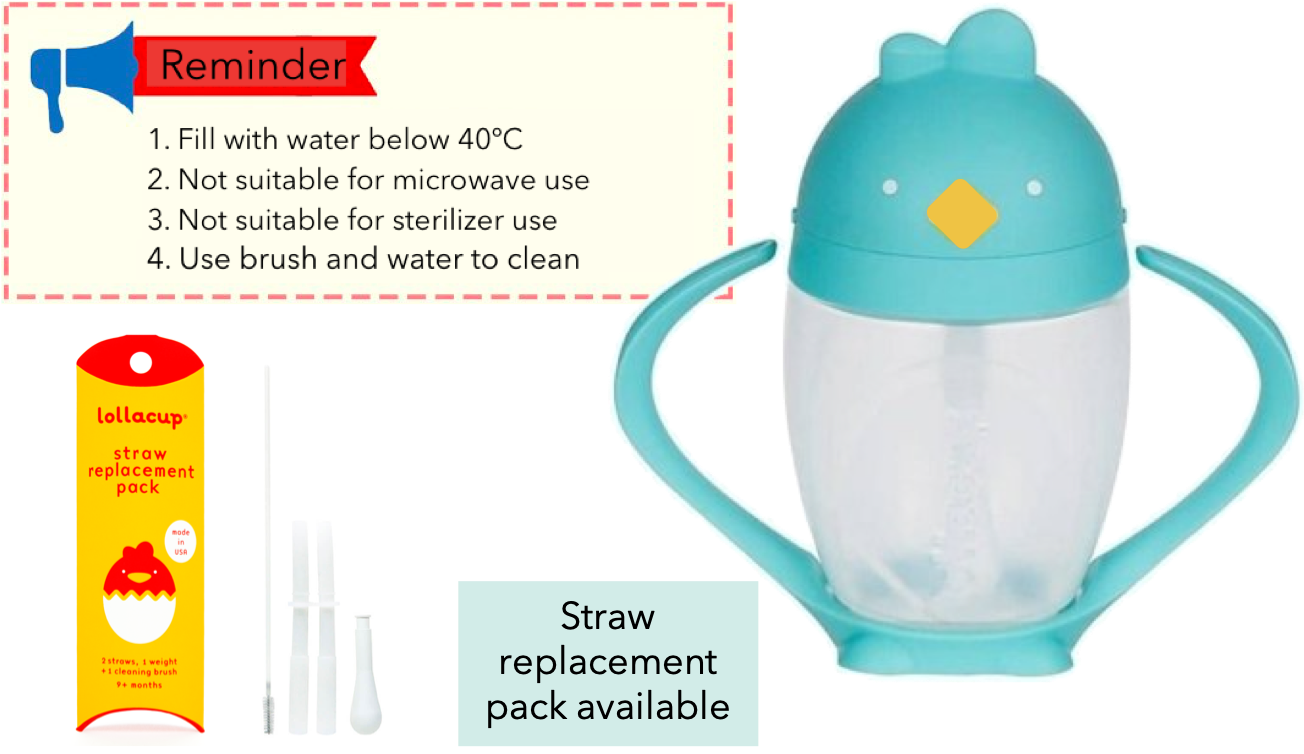
Easy to Clean: Look for cups with minimal parts that are easy to assemble and disassemble. A cup that comes with its own straw-cleaning brush is a huge plus for hygiene.
Right Size: A cup that holds around 200-300 ml (7-10 oz) is typically a great starting size for toddlers.
Handles: Easy-to-grip handles help little hands hold the cup securely, promoting independence.
How to Teach Your Baby to Drink From a Straw
While some babies take to a straw instantly, others need a little practice. Try this gentle method:
Dip the bottom of the straw into a cup with water or milk.
Place your finger over the top end of the straw to trap the liquid inside.
Bring the bottom of the straw to your baby's mouth and release your finger, letting a small amount of liquid flow in. This shows them that liquid comes from the straw.
After a few tries, offer them the cup. They should instinctively begin to seal their lips and suck.
Be patient! While some little ones get the hang of it around 9-12 months, others might master the skill closer to 18 months. Every child learns at their own pace.
Ready to Make the Transition?
Choosing the right cup can make the transition from the bottle smoother for your baby and support their healthy oral development.